
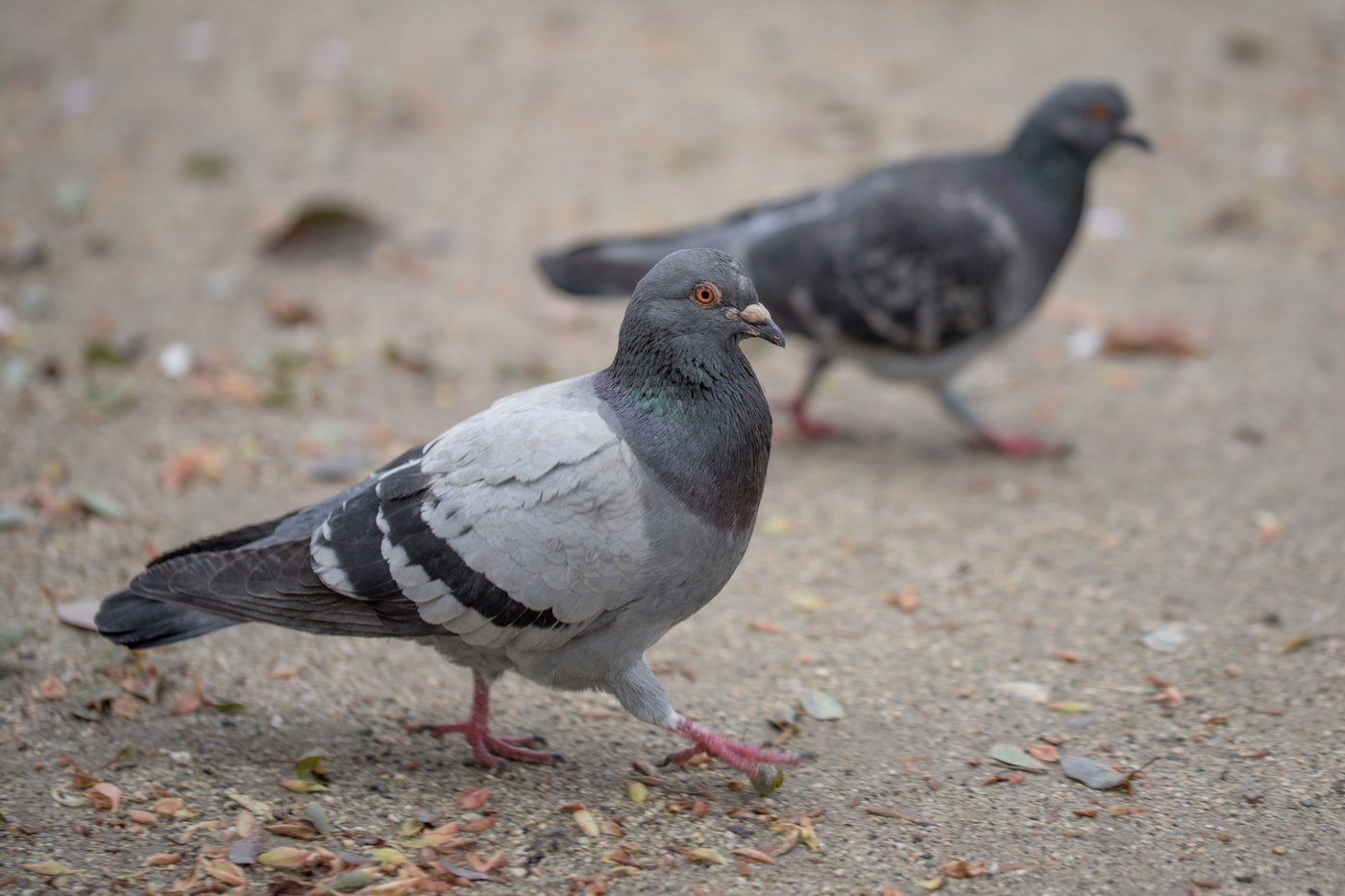
Fantail Pigeon
Columba livia domestica
A distinctive domestic pigeon breed known for its greatly enlarged, upright, fan-shaped tail and characteristic strutting walk.
- Size
- About 30–33 cm (12–13 in) long; compact body with a greatly enlarged tail
- Habitat
- Domesticated breed kept in aviaries and dovecotes; ancestral Rock Pigeon inhabits cliffs and urban structures worldwide
- Type
- other
Spotted a bird like this?
Identify any bird from a photo, free.
Overview
Overview
The Fantail Pigeon is one of the oldest recognized domestic breeds of pigeon, descended like all domestic pigeons from the wild Rock Pigeon. It is defined chiefly by its dramatically modified tail, which fans out into a broad, upright arc of feathers unlike the tail of any wild pigeon.
Plumage
Body color and pattern vary widely among Fantail lines, including white, black, blue, and various patterned forms, since the breed has been selected primarily for tail shape and posture rather than a fixed color pattern. The chest is typically carried high and pushed forward, with the head often drawn back toward the shoulders, accentuating the tail's fan shape.
How to identify it
Field Marks
- Tail feathers number far more than the roughly twelve found in wild pigeons, spread into a broad upright fan
- Chest held high and pushed forward, head tilted back toward the shoulders
- Distinctive trembling, strutting gait when walking
Similar Species
No wild pigeon shows a comparably enlarged, fanned tail, making this breed unmistakable at a glance; it is distinguished from other fancy pigeon breeds, such as the Pouter, by the tail structure rather than an inflated crop.
Habitat & range
Habitat & Range
As a long-established domestic breed, the Fantail Pigeon has no independent wild range; it is maintained in aviaries and dovecotes and has been bred in numerous countries after originating in South Asia, with early forms documented in the Indian subcontinent before spreading to Europe and beyond.
Its wild ancestor, the Rock Pigeon, is native to cliffs and rocky habitats across Europe, North Africa, and Asia, and has become established worldwide, including in urban environments where it nests on buildings and other structures resembling natural cliff ledges.
Behavior & voice
Behavior
Fantail Pigeons are known for a distinctive display walk in which the bird holds its chest high, throws its head back, and trembles or shakes while strutting, a behavior emphasized through selective breeding.
Voice
Like other domestic pigeons, it produces soft, rhythmic cooing calls typical of the pigeon family, used in courtship and territorial display.
Feeding
Birds feed on grain and small seeds, foraging by pecking from the ground in the manner typical of pigeons.
Nesting & Breeding
Pairs build simple stick-and-twig platform nests, typically raising two eggs at a time, with both parents sharing incubation and feeding the young with crop milk in the early days after hatching, as is characteristic of pigeons generally.
Frequently asked questions
What makes the Fantail Pigeon breed distinctive?
Its greatly enlarged, upright, fan-shaped tail with far more feathers than a typical pigeon is the breed's defining feature.
Is the Fantail Pigeon a wild species?
No, it is a long-established domestic breed of the Rock Pigeon, developed through selective breeding rather than occurring naturally in the wild.
Where did the Fantail Pigeon breed originate?
Early forms of the breed are documented in the Indian subcontinent before the breed spread to Europe and other regions.
Why does the Fantail Pigeon walk with a trembling strut?
This distinctive walking display, with the chest held high and head thrown back, is a trait long emphasized through selective breeding in the fantail lineage.
What do Fantail Pigeons eat?
Like other domestic pigeons, they feed on grain and small seeds.
Fantail Pigeon guides
In-depth guides for identifying, finding, and understanding Fantail Pigeon.
Other birds you may enjoy
Kiwi
35-55 cm (14-22 in) long; roughly chicken-sized
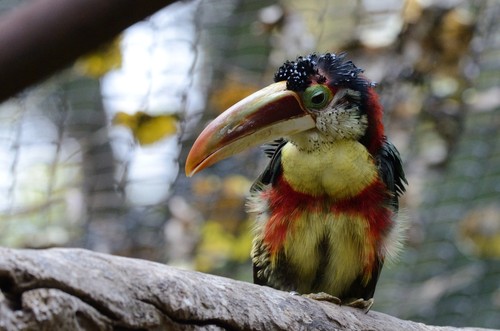
Curl-crested Aracari
41-46 cm (16-18 in) long, including a long bill and tail
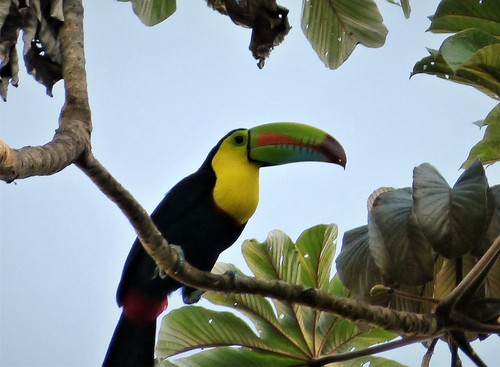
Keel-billed Toucan
42-55 cm (17-22 in) long including bill
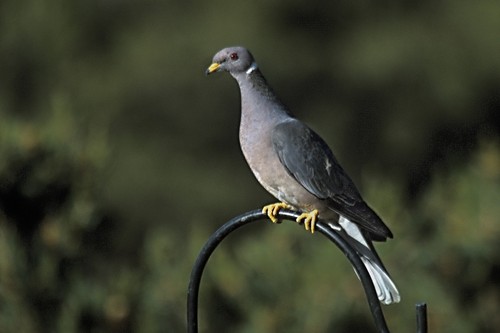
Band-tailed Pigeon
33-38 cm (13-15 in) long, wingspan about 66 cm (26 in)
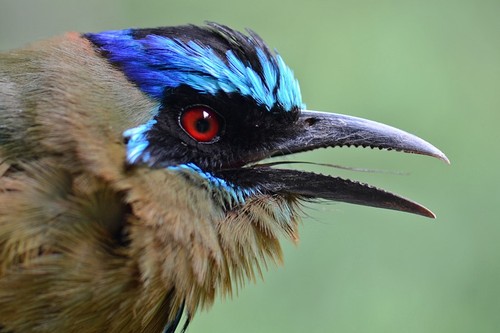
Blue-crowned Motmot
38-43 cm (15-17 in) long including tail
White-tipped Dove
27-30 cm (10.5-12 in) long, 38-43 cm wingspan
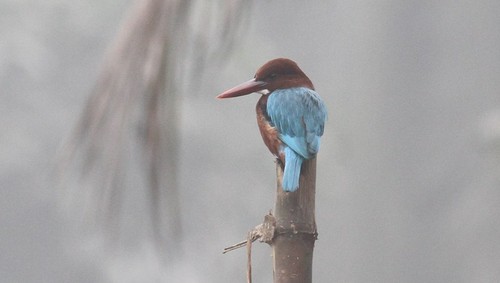
White-throated Kingfisher
27-28 cm (10.5-11 in) long
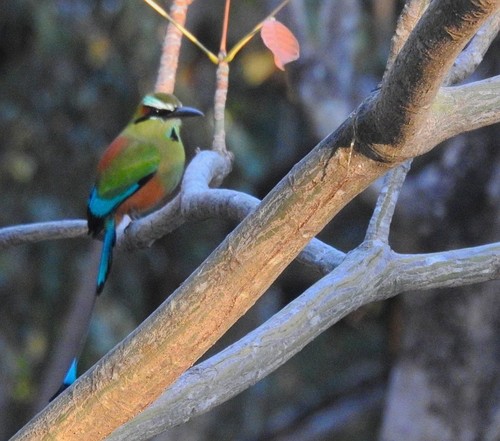
Turquoise-browed Motmot
34 cm (13 in) long including tail
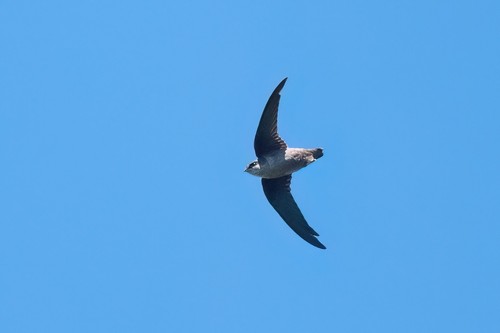
Vaux's Swift
10-12 cm (4-4.5 in) long, 27-30 cm wingspan
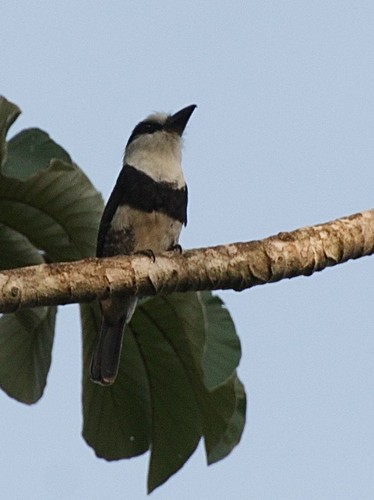
White-necked Puffbird
22-24 cm (8.5-9.5 in) long
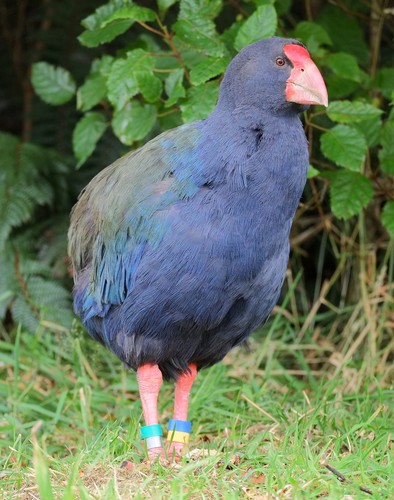
Takahe
50 cm (20 in) long, up to 3.5 kg; flightless
Weka
50-60 cm (20-24 in) long; flightless