
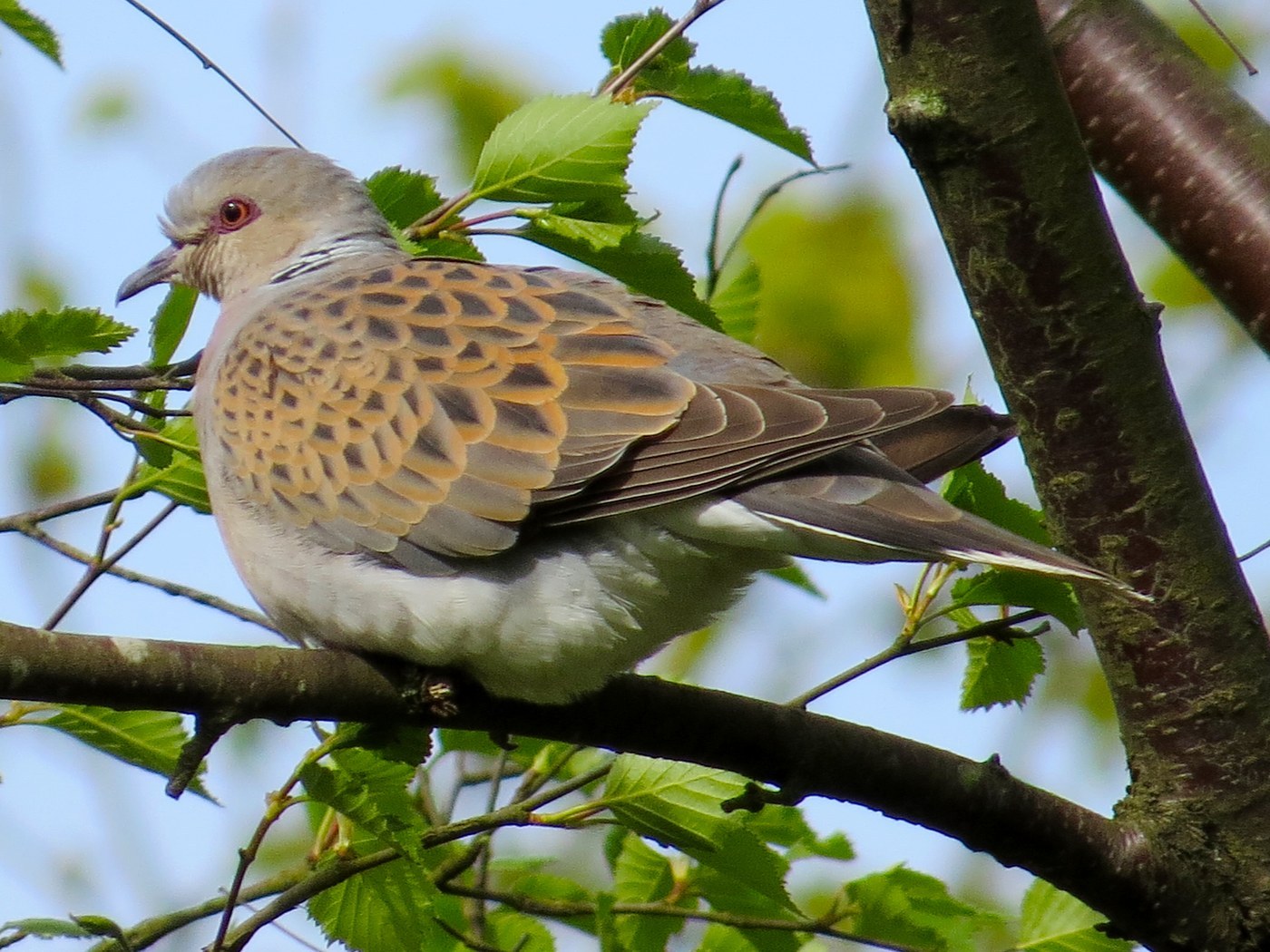
European Turtle Dove
Streptopelia turtur
A warm-toned, scaly-backed migrant dove famed for its purring song, now sharply declining across much of its European range.
- Size
- 26-28 cm (10-11 in) long, 47-53 cm wingspan
- Habitat
- farmland with hedgerows, scrub, and open woodland
- Type
- other
Spotted a bird like this?
Identify any bird from a photo, free.
Overview
The European Turtle Dove is a slim, elegant dove with a warm orange-brown, black-centered scalloped pattern on the back and wings, a soft pinkish breast, and a distinctive patch of black-and-white striped feathers on the side of the neck. Its long tail shows a white tip and edges visible in flight.
Once a widespread and familiar sound of summer across European farmland, it has suffered catastrophic population declines in recent decades due to habitat loss, changes in farming practice, and hunting pressure on migration routes, and is now considered globally threatened.
How to identify it
Key field marks
- Warm orange-brown, black-scalloped back pattern
- Black-and-white striped neck patch
- Soft pink-flushed breast
- Long tail with white tip, visible in flight
- Soft, purring "turrr-turrr" song, the source of its name
Similar species
- Collared Dove is larger, plain sandy-grey overall, with a simple black half-collar rather than a striped neck patch, and gives a very different three-note "coo-COO-coo" call.
- Stock Dove is plain blue-grey without the scalloped back pattern.
The warm scalloped back and purring song readily distinguish Turtle Dove from the more common Collared Dove.
Habitat & range
Habitat
Favors farmland with dense hedgerows, scrub, and open woodland edge, particularly areas offering both nesting cover and access to seed-rich weedy or stubble fields.
Range
Breeds across much of Europe and western Asia; a long-distance migrant wintering in the Sahel region of sub-Saharan Africa.
Migration
A true summer migrant, arriving in Europe in late April and May and departing by early autumn, with populations facing significant pressure from habitat loss on both breeding grounds and migratory stopover and wintering sites.
Behavior & voice
Behavior
Generally shy and easily overlooked despite its distinctive song, often perching quietly within hedgerows or foraging on open ground for seeds.
Voice
The soft, purring "turrr-turrr-turrr" song, repeated steadily through summer mornings, gives the species its common name and was once a defining sound of the European countryside.
Feeding
Feeds mainly on the seeds of wild arable weeds and cultivated grain, foraging on open, bare, or sparsely vegetated ground.
Nesting and breeding
Builds a flimsy stick platform nest in dense hedges or scrub. Pairs typically lay 2 white eggs per clutch, incubated for about 13-14 days, and may raise two or more broods in a season.
Frequently asked questions
Why is the European Turtle Dove endangered?
Steep declines are linked to loss of farmland seed food and nesting habitat, along with hunting pressure encountered on migration through the Mediterranean.
What does the Turtle Dove's call sound like?
A soft, repeated purring "turrr-turrr", which gives the species its name and was once a familiar summer sound in the countryside.
How do you tell a Turtle Dove from a Collared Dove?
The Turtle Dove has a warm, scalloped orange-brown back and a striped neck patch, while the Collared Dove is plainer sandy-grey with a simple black half-collar.
Where does the European Turtle Dove spend the winter?
It migrates long distances to winter in the Sahel region of sub-Saharan Africa.
European Turtle Dove guides
In-depth guides for identifying, finding, and understanding European Turtle Dove.
Other birds you may enjoy
Kiwi
35-55 cm (14-22 in) long; roughly chicken-sized
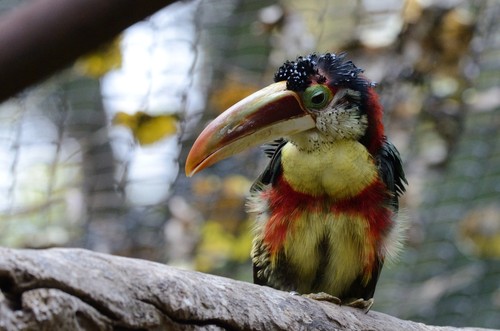
Curl-crested Aracari
41-46 cm (16-18 in) long, including a long bill and tail
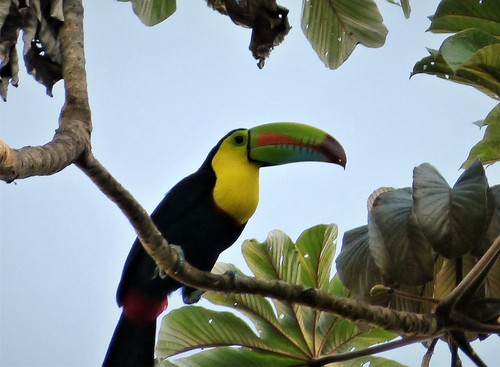
Keel-billed Toucan
42-55 cm (17-22 in) long including bill
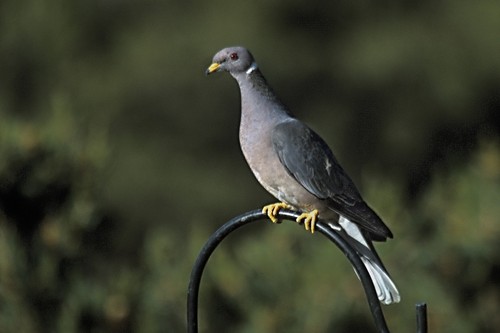
Band-tailed Pigeon
33-38 cm (13-15 in) long, wingspan about 66 cm (26 in)
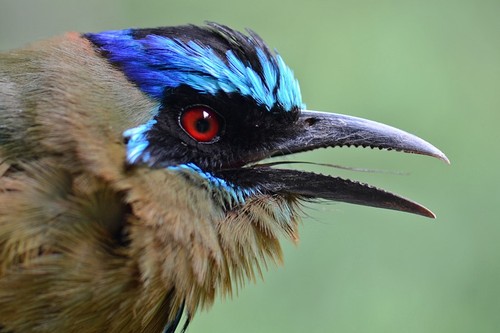
Blue-crowned Motmot
38-43 cm (15-17 in) long including tail
White-tipped Dove
27-30 cm (10.5-12 in) long, 38-43 cm wingspan
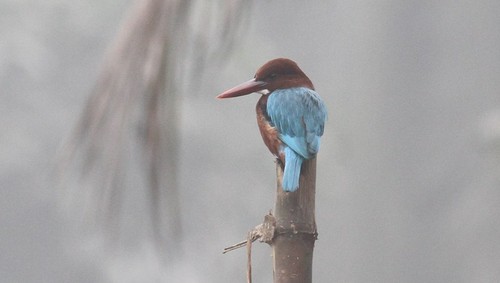
White-throated Kingfisher
27-28 cm (10.5-11 in) long
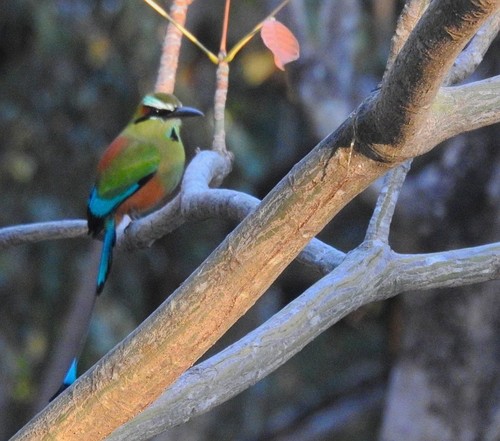
Turquoise-browed Motmot
34 cm (13 in) long including tail
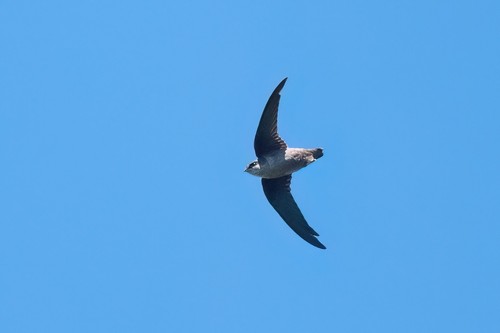
Vaux's Swift
10-12 cm (4-4.5 in) long, 27-30 cm wingspan
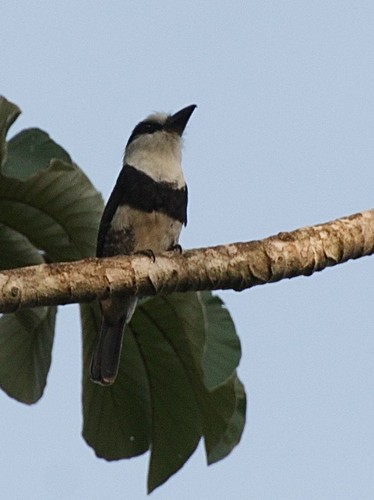
White-necked Puffbird
22-24 cm (8.5-9.5 in) long
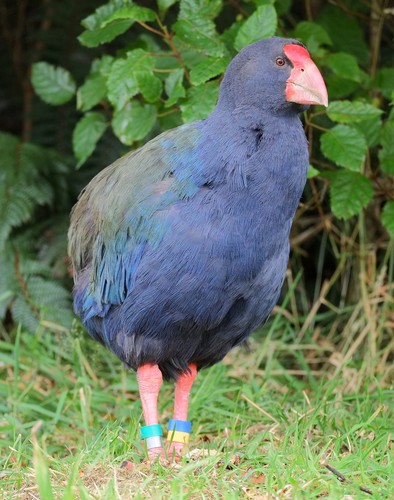
Takahe
50 cm (20 in) long, up to 3.5 kg; flightless
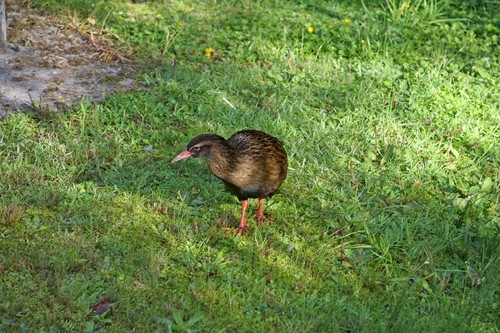
Weka
50-60 cm (20-24 in) long; flightless