
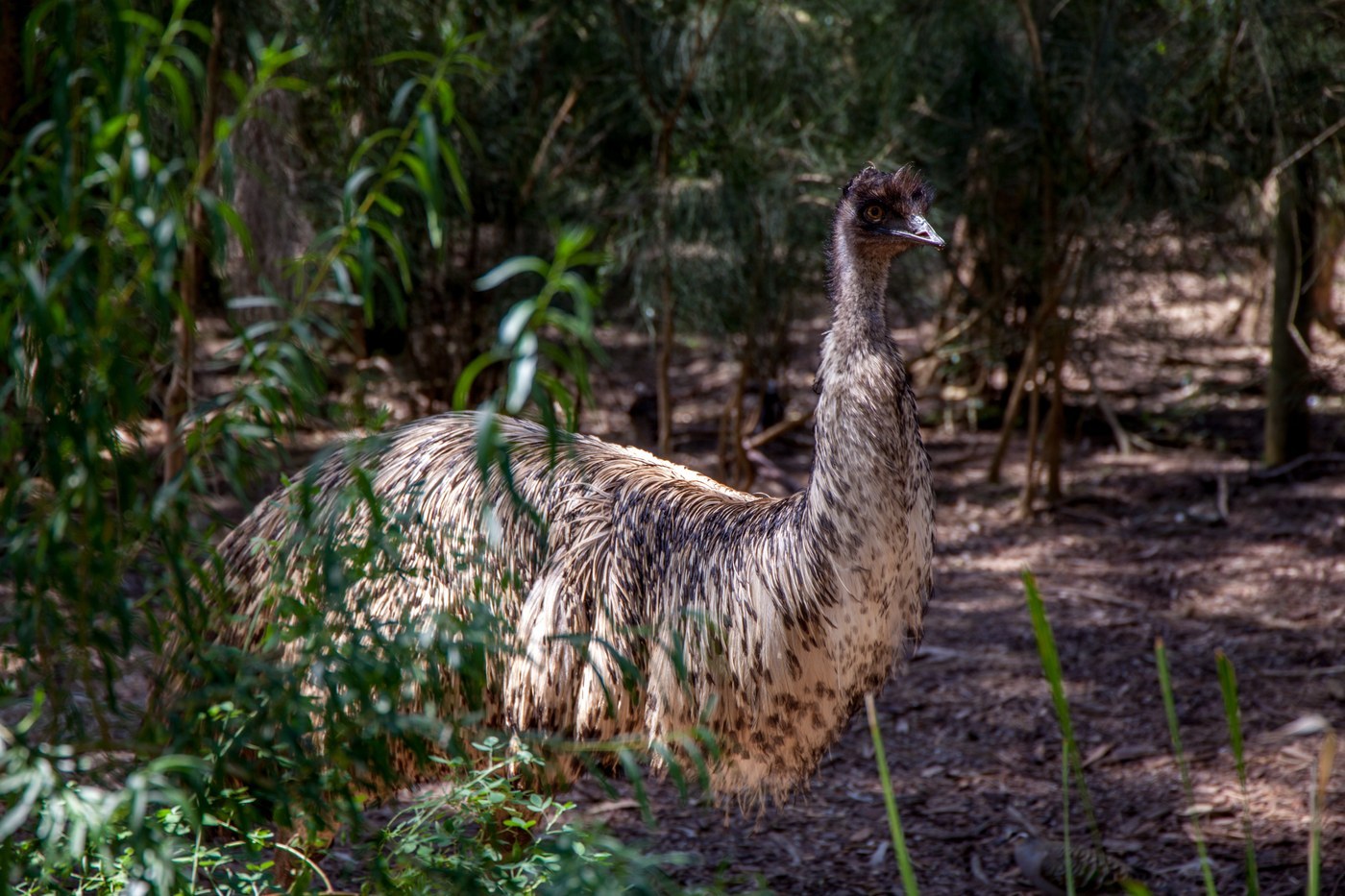
Emu
Dromaius novaehollandiae
Australia's tallest native bird, a large flightless ratite with shaggy grayish-brown feathers and a distinctive loping stride.
- Size
- 1.5-1.9 m (5-6.2 ft) tall; the second-tallest living bird
- Habitat
- Open woodland, savanna, and shrubland across mainland Australia
- Type
- other
Spotted a bird like this?
Identify any bird from a photo, free.
Overview
The Emu is Australia's largest native bird and the second-tallest bird in the world after the Ostrich. It has soft, shaggy grayish-brown plumage, a long neck, and long powerful legs adapted for covering great distances. The feathers have a distinctive double-shaft structure that gives the plumage its loose, hair-like appearance.
Emus are nomadic wanderers, capable of traveling long distances in search of food and water across Australia's varied interior landscapes.
How to identify it
Key Field Marks
- Tall, flightless body with shaggy brown-gray plumage
- Long bluish-gray neck, often with sparse dark feathering
- Small head and short bill
- Powerful long legs with three-toed feet
- Distinctive rolling, loping gait
Similar Species
- Unmistakable in Australia — no other bird resembles it
- The Southern Cassowary is smaller-necked in comparison, has a bony helmet-like casque, brightly colored blue-and-red neck skin, and lives only in dense tropical rainforest, unlike the Emu's open-country habitat
Habitat & range
Range
Endemic to mainland Australia, absent from Tasmania and dense rainforest; found across most of the continent except the most arid deserts and densely urbanized coasts.
Habitat
Open sclerophyll forest, woodland, savanna, and semi-arid shrubland, favoring areas with a mix of open ground for walking and cover for shelter.
Migration
Not truly migratory but highly nomadic, moving long distances seasonally in response to rainfall, food, and water availability.
Behavior & voice
Behavior
Usually solitary or in loose pairs outside breeding season, though large aggregations can form near abundant food. Strong swimmers when needed and capable of running up to 50 km/h (31 mph).
Voice
Females produce a deep, resonant drumming or booming sound using an inflatable neck sac; males give low grunts and softer guttural noises.
Feeding
Omnivorous, eating seeds, fruits, growing shoots, and insects; often follows rainfall to find fresh plant growth and swallows stones to aid digestion.
Nesting & Breeding
Role reversal is notable: after the female lays a clutch of large dark green eggs in a ground nest, the male alone incubates them for about 8 weeks and then raises the striped chicks, while the female may go on to mate with other males.
Frequently asked questions
Can Emus fly?
No, Emus are flightless, relying on their long legs to walk and run great distances instead.
How fast can an Emu run?
Emus can run up to 50 km/h (31 mph) using their long, powerful legs.
Do male or female Emus incubate the eggs?
The male incubates the eggs alone and raises the chicks after hatching, a reversal of typical bird roles.
Where are Emus found?
They are found across most of mainland Australia in open woodland, savanna, and shrubland.
What color are Emu eggs?
Emu eggs are large and dark green, almost blackish, with a granular textured shell.
Emu guides
In-depth guides for identifying, finding, and understanding Emu.
Other birds you may enjoy
Kiwi
35-55 cm (14-22 in) long; roughly chicken-sized
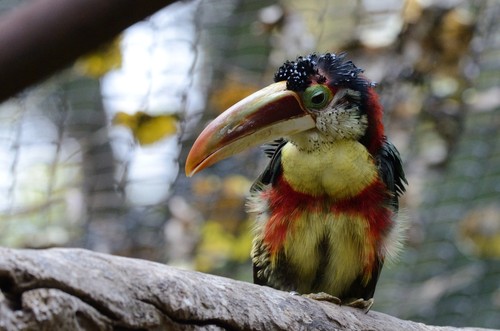
Curl-crested Aracari
41-46 cm (16-18 in) long, including a long bill and tail
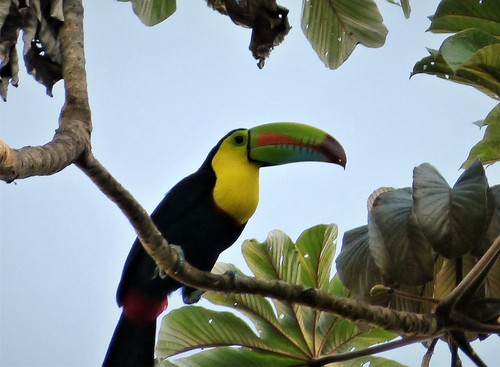
Keel-billed Toucan
42-55 cm (17-22 in) long including bill
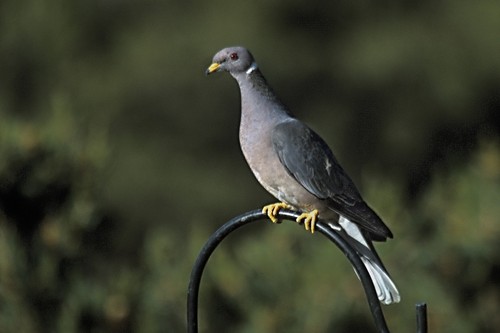
Band-tailed Pigeon
33-38 cm (13-15 in) long, wingspan about 66 cm (26 in)
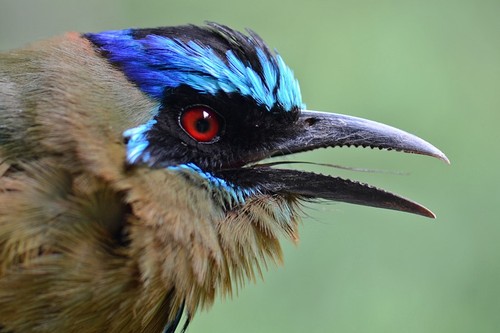
Blue-crowned Motmot
38-43 cm (15-17 in) long including tail
White-tipped Dove
27-30 cm (10.5-12 in) long, 38-43 cm wingspan
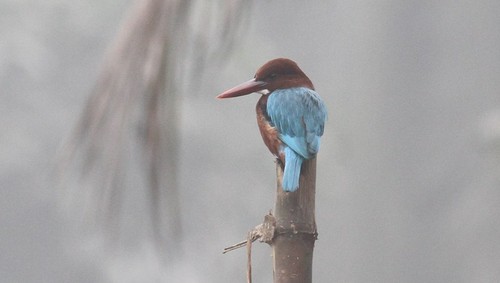
White-throated Kingfisher
27-28 cm (10.5-11 in) long
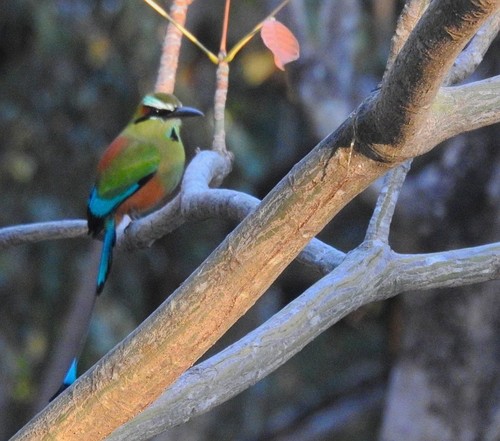
Turquoise-browed Motmot
34 cm (13 in) long including tail
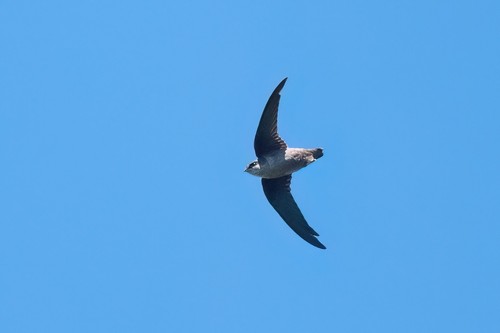
Vaux's Swift
10-12 cm (4-4.5 in) long, 27-30 cm wingspan
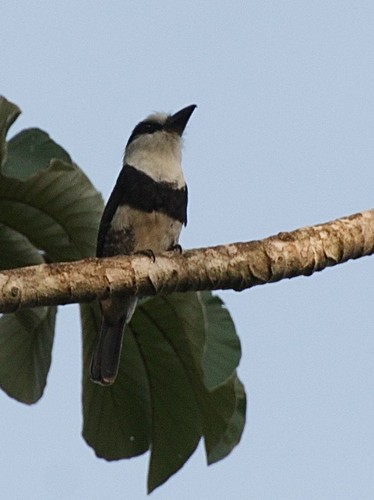
White-necked Puffbird
22-24 cm (8.5-9.5 in) long
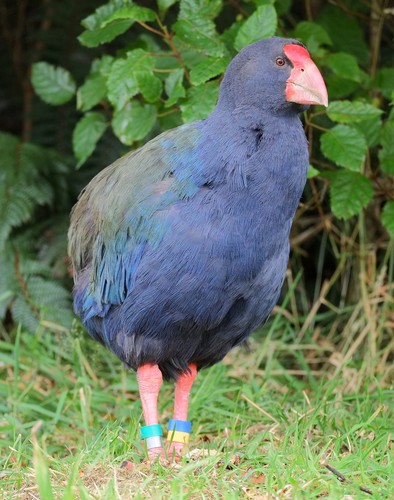
Takahe
50 cm (20 in) long, up to 3.5 kg; flightless
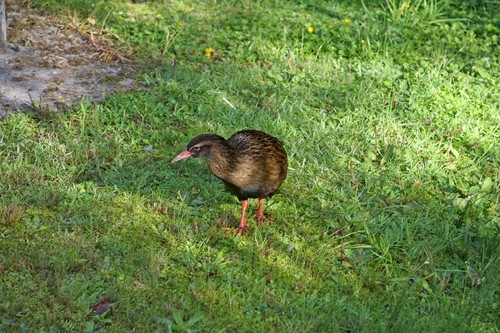
Weka
50-60 cm (20-24 in) long; flightless