
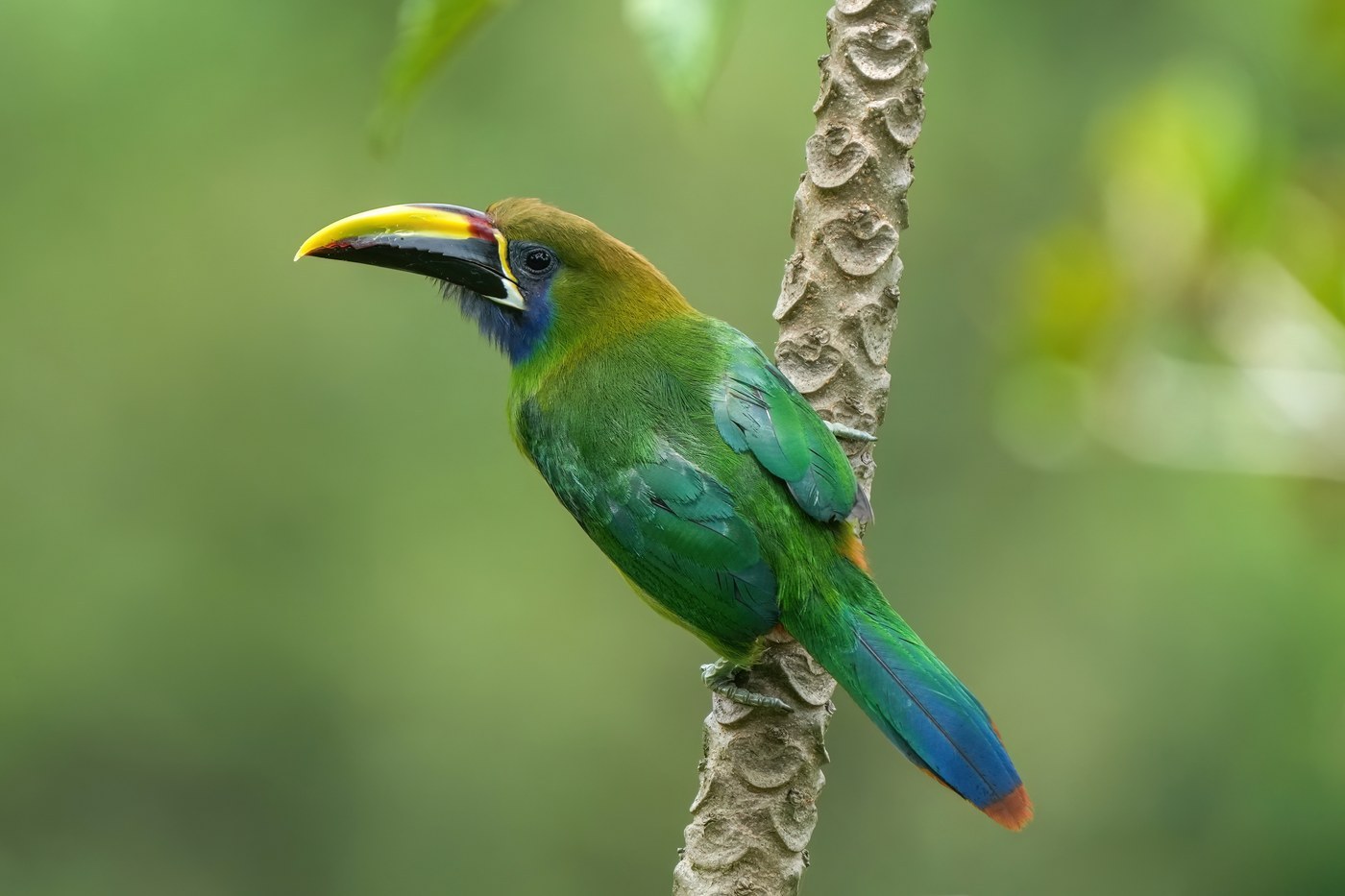
Emerald Toucanet
Aulacorhynchus prasinus
A small, compact toucan relative clothed almost entirely in bright green plumage, with a bicolored bill and, in many populations, a blue-tinged throat.
- Size
- 30-35 cm (12-14 in) long including bill and tail
- Habitat
- humid montane cloud forest
- Type
- other
Spotted a bird like this?
Identify any bird from a photo, free.
Overview
The Emerald Toucanet is a small, chunky member of the toucan family, its plumage a rich, uniform green over almost the entire body, which provides remarkable camouflage against the foliage of its cloud forest home. The throat is often washed with pale blue or white depending on the population, and the tail typically shows a chestnut tip, while the eye is ringed with bare colored skin that varies geographically.
Its stout, moderately sized bill is bicolored, usually black along the upper ridge and pale yellow or cream below, a useful field mark at close range. Found mainly at higher elevations than most of its larger toucan relatives, it moves through the misty montane forest canopy and understorey in pairs or small family groups, its harsh, croaking calls carrying through the mist.
How to identify it
Key field marks
- Small, compact toucan with almost entirely green plumage
- Throat often washed pale blue or whitish
- Bicolored bill, dark above and pale below, with a chestnut tail tip
- Found at higher elevations than most other toucans
Similar species
- Larger toucans such as the Keel-billed or Chestnut-mandibled Toucan are much bigger with mostly black-and-yellow plumage, easily distinguishing them from the smaller, all-green Emerald Toucanet.
- Groove-billed Toucanet, found further south in the Andes, is similar in shape but occurs at different elevations and has subtle bill and facial skin differences.
Habitat & range
Habitat
Inhabits humid montane cloud forest and forest edge, typically at higher elevations than lowland toucans.
Range
Found from central Mexico south through Central America and into the northern Andes of South America, with considerable regional variation across its wide range.
Migration
Generally non-migratory, though some altitudinal movement may occur.
Behavior & voice
Behavior
Usually seen in pairs or small family groups moving through the mid-story and canopy of cloud forest, hopping between branches while foraging.
Voice
A harsh, repeated croaking or barking call, less resonant than the calls of larger toucans but still far-carrying in dense forest.
Feeding
Feeds mainly on fruit, supplemented with insects, small lizards, and occasionally eggs or nestlings of smaller birds.
Nesting
Nests in natural tree cavities or old woodpecker holes; lays 3-4 white eggs, with both parents sharing incubation duties.
Frequently asked questions
How do you identify an Emerald Toucanet?
Look for a small, compact toucan that is almost entirely bright green, with a bicolored bill that is dark above and pale below.
Where do Emerald Toucanets live?
In humid montane cloud forest from central Mexico through Central America and into the northern Andes.
What does an Emerald Toucanet eat?
Mainly fruit, along with insects, small lizards, and occasionally the eggs or nestlings of smaller birds.
How is the Emerald Toucanet different from larger toucans?
It is much smaller and almost entirely green, whereas larger toucans like the Keel-billed Toucan are bigger with bold black-and-yellow plumage.
Emerald Toucanet guides
In-depth guides for identifying, finding, and understanding Emerald Toucanet.
Other birds you may enjoy
Kiwi
35-55 cm (14-22 in) long; roughly chicken-sized
Curl-crested Aracari
41-46 cm (16-18 in) long, including a long bill and tail
Keel-billed Toucan
42-55 cm (17-22 in) long including bill
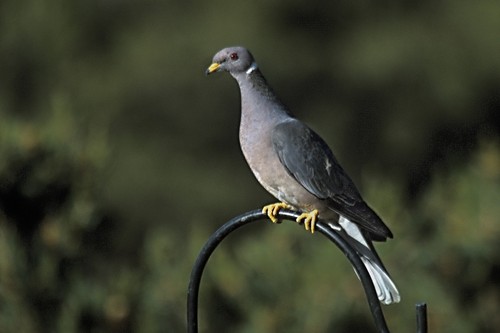
Band-tailed Pigeon
33-38 cm (13-15 in) long, wingspan about 66 cm (26 in)
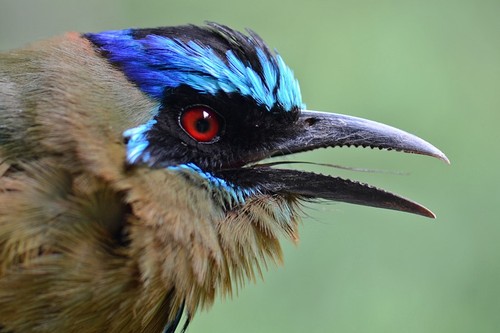
Blue-crowned Motmot
38-43 cm (15-17 in) long including tail
White-tipped Dove
27-30 cm (10.5-12 in) long, 38-43 cm wingspan
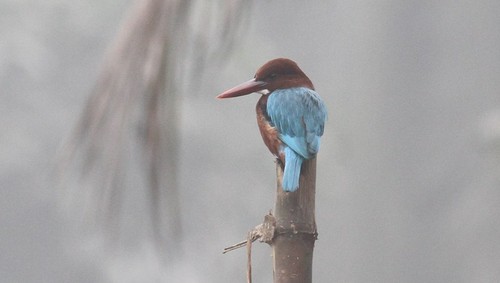
White-throated Kingfisher
27-28 cm (10.5-11 in) long
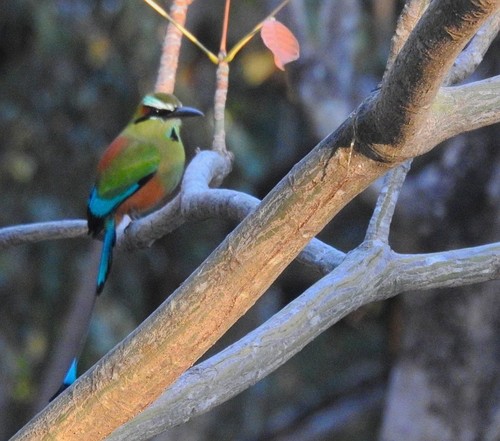
Turquoise-browed Motmot
34 cm (13 in) long including tail
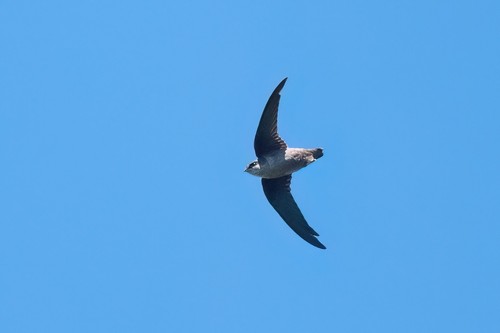
Vaux's Swift
10-12 cm (4-4.5 in) long, 27-30 cm wingspan
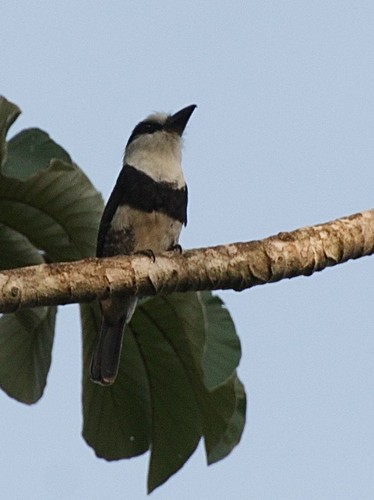
White-necked Puffbird
22-24 cm (8.5-9.5 in) long
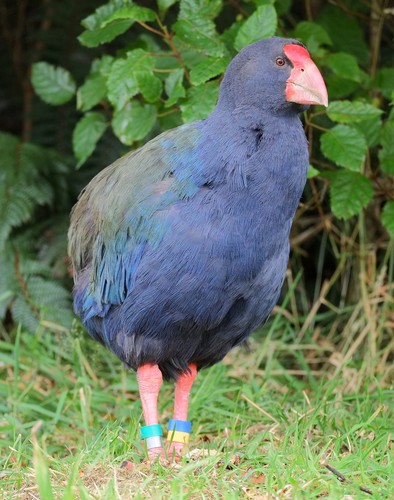
Takahe
50 cm (20 in) long, up to 3.5 kg; flightless
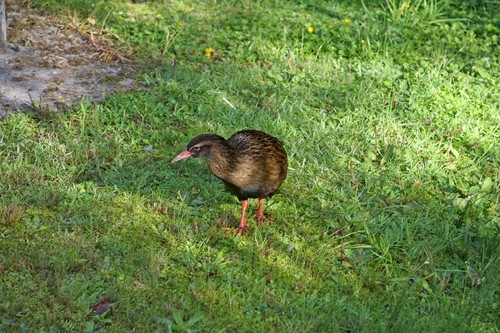
Weka
50-60 cm (20-24 in) long; flightless