
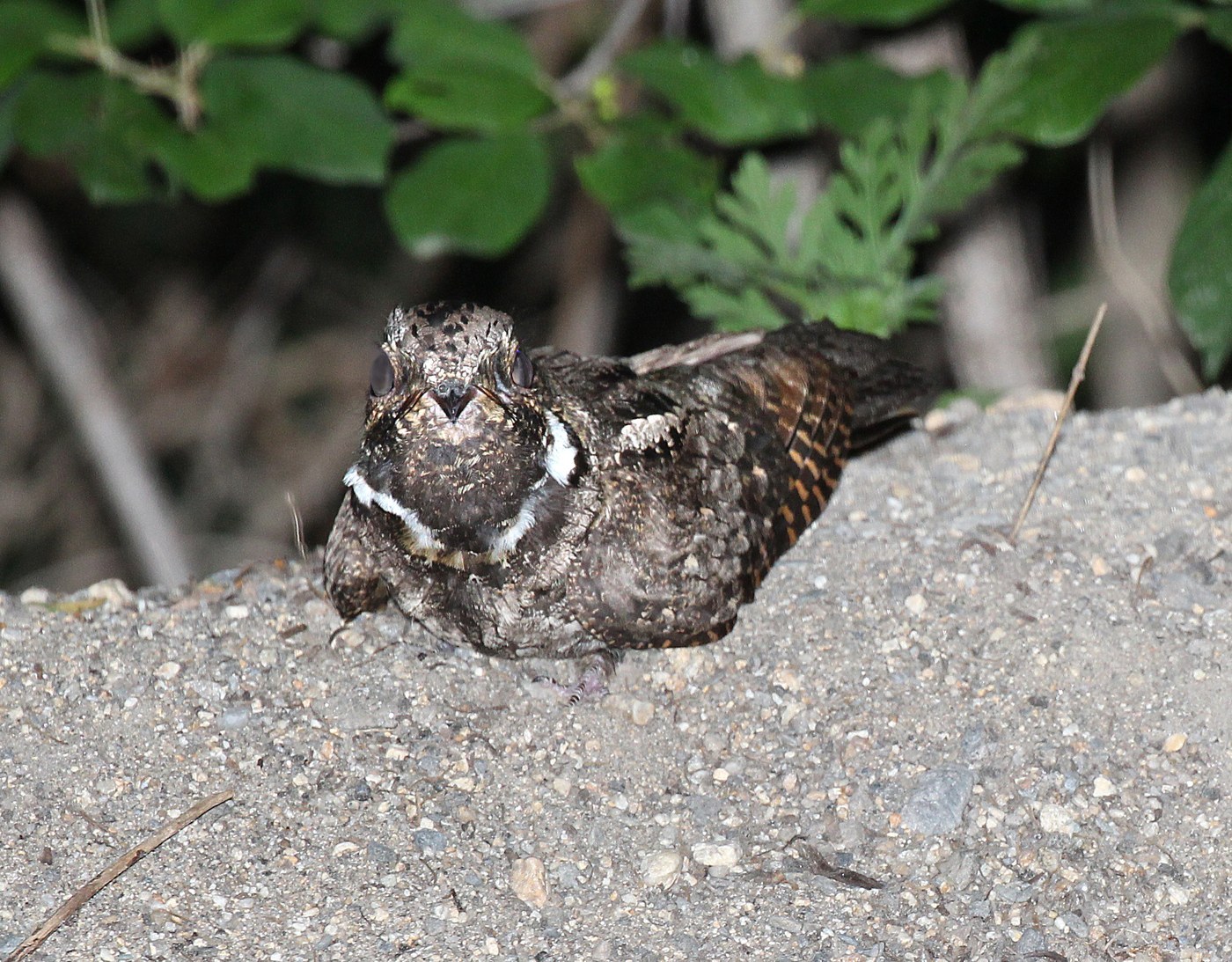
Eastern Whip-poor-will
Antrostomus vociferus
A cryptically camouflaged eastern forest nightjar celebrated for its relentless, repeated nighttime song that gives the bird its name.
- Size
- 22-27 cm (9-10.5 in) long, 45-50 cm wingspan
- Habitat
- deciduous and mixed forests, especially near clearings
- Type
- other
Spotted a bird like this?
Identify any bird from a photo, free.
Overview
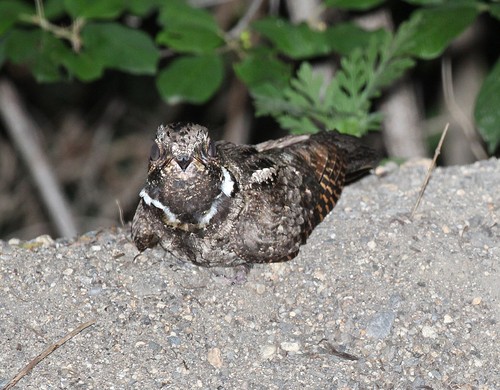
The Eastern Whip-poor-will is a nocturnal woodland bird best known not for its appearance, which is a superbly camouflaged mottled mix of gray, brown, and black, but for its voice: a persistent, rhythmic "whip-poor-will" call repeated over and over on spring and summer nights, sometimes hundreds of times without pause. By day it rests silently on the forest floor or a low branch, its intricate plumage rendering it nearly invisible against leaf litter and bark.
How to identify it
Key Field Marks
- Cryptic mottled gray-brown-black plumage with fine barring
- Rounded wings and a fairly long, rounded tail with white outer tail feathers in males (buffy in females)
- Large dark eyes and a very small bill hiding an enormous gape
- Song: a fast, repetitive, whistled "whip-poor-WILL," often given many times in succession
Similar Species
- Mexican Whip-poor-will looks nearly identical but occurs in the mountains of the Southwest and has a slower, huskier song; the two were once considered the same species.
- Chuck-will's-widow is larger and warmer rufous-brown overall, with a slower, four-syllable song.
Habitat & range
Habitat
Eastern Whip-poor-wills favor deciduous and mixed forests with an open understory, often near clearings, forest edges, or regenerating woodland where moths and other insects are abundant.
Range
They breed across the eastern United States and southeastern Canada, from the Great Lakes and New England south to the Gulf Coast states.
Migration
The species winters from the southeastern United States south through Mexico and Central America, and populations have been declining in many areas, likely linked to loss of open forest habitat and declining insect populations.
Behavior & voice
Behavior
This nightjar is almost entirely nocturnal, becoming active at dusk and hunting through the night, often timing peak activity to moonlit periods when insects are easier to see and catch.
Voice
The rhythmic, repeated "whip-poor-WILL" song is one of the most recognizable nighttime bird sounds in eastern North America, sometimes repeated for many minutes without interruption.
Feeding
Eastern Whip-poor-wills catch moths and other large flying insects on the wing, sallying out from a low perch or the ground and often foraging along forest edges and clearings.
Nesting
No nest is built; eggs are laid directly on leaf litter on the forest floor, timed in some populations to coincide with moon phases that provide extra light for late-night feeding of young.
Frequently asked questions
Why is the Eastern Whip-poor-will hard to see?
Its intricately mottled gray-brown-black plumage blends almost perfectly with leaf litter and bark, and it remains motionless by day, making it far more often heard than seen.
How is the Eastern Whip-poor-will different from the Mexican Whip-poor-will?
The two look nearly identical, but the Mexican Whip-poor-will occurs in southwestern mountains and has a slower, huskier song; they were considered one species until being split in 2010.
Why are Eastern Whip-poor-will populations declining?
Loss of open, mature forest habitat and declines in large nocturnal insects, its primary food source, are thought to be major factors in the species' decline across much of its range.
What time of year can you hear Whip-poor-wills calling?
They call most persistently during the breeding season, from spring through mid-summer, especially around dusk, dawn, and on moonlit nights.
Eastern Whip-poor-will guides
In-depth guides for identifying, finding, and understanding Eastern Whip-poor-will.
Other birds you may enjoy
Kiwi
35-55 cm (14-22 in) long; roughly chicken-sized
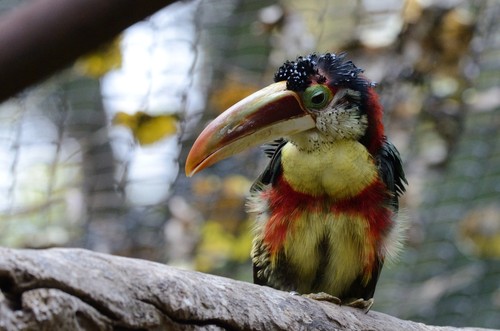
Curl-crested Aracari
41-46 cm (16-18 in) long, including a long bill and tail
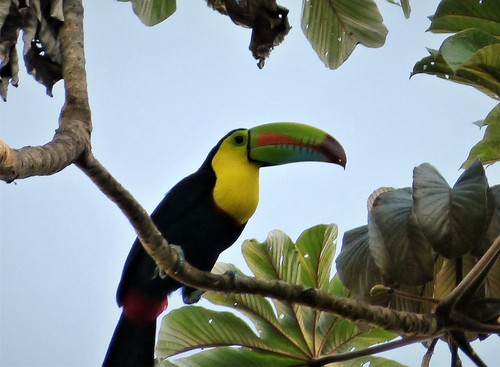
Keel-billed Toucan
42-55 cm (17-22 in) long including bill
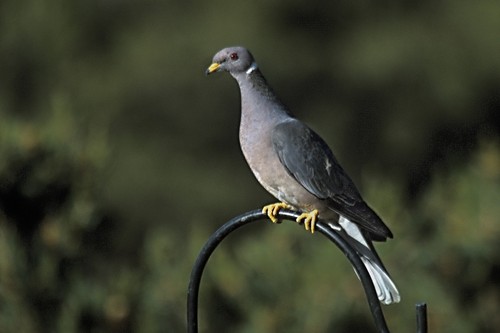
Band-tailed Pigeon
33-38 cm (13-15 in) long, wingspan about 66 cm (26 in)
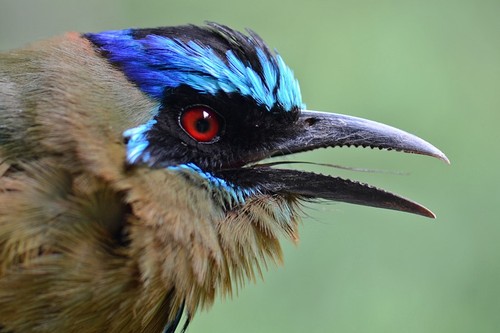
Blue-crowned Motmot
38-43 cm (15-17 in) long including tail
White-tipped Dove
27-30 cm (10.5-12 in) long, 38-43 cm wingspan
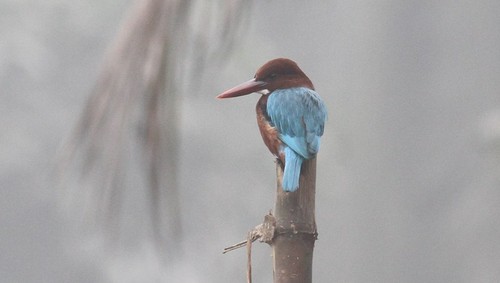
White-throated Kingfisher
27-28 cm (10.5-11 in) long
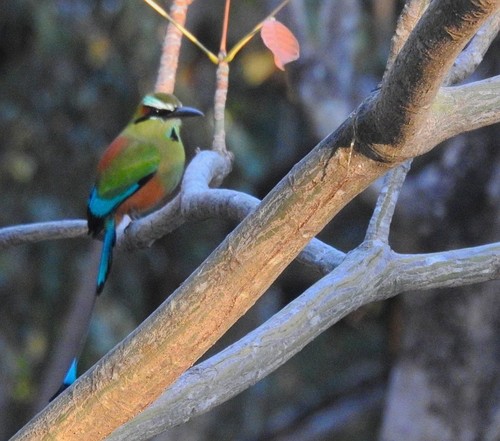
Turquoise-browed Motmot
34 cm (13 in) long including tail
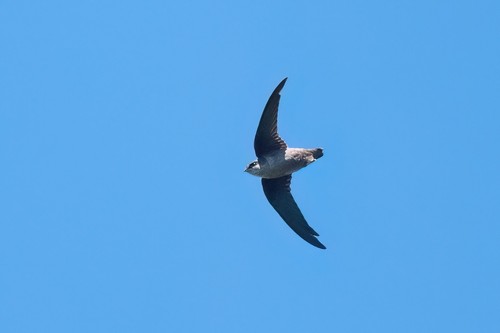
Vaux's Swift
10-12 cm (4-4.5 in) long, 27-30 cm wingspan
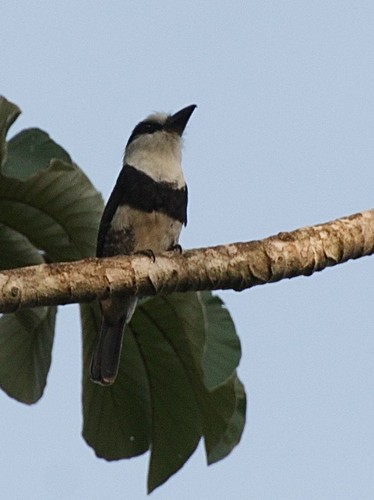
White-necked Puffbird
22-24 cm (8.5-9.5 in) long
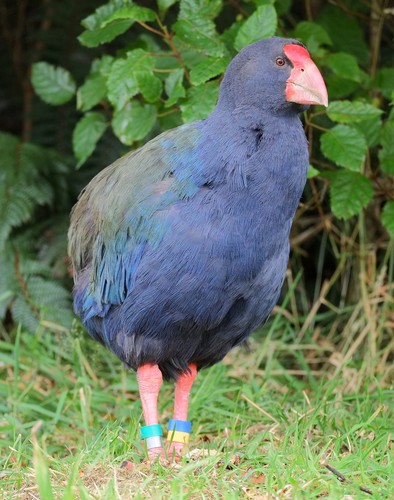
Takahe
50 cm (20 in) long, up to 3.5 kg; flightless
Weka
50-60 cm (20-24 in) long; flightless