
Eastern Rosella
Platycercus eximius
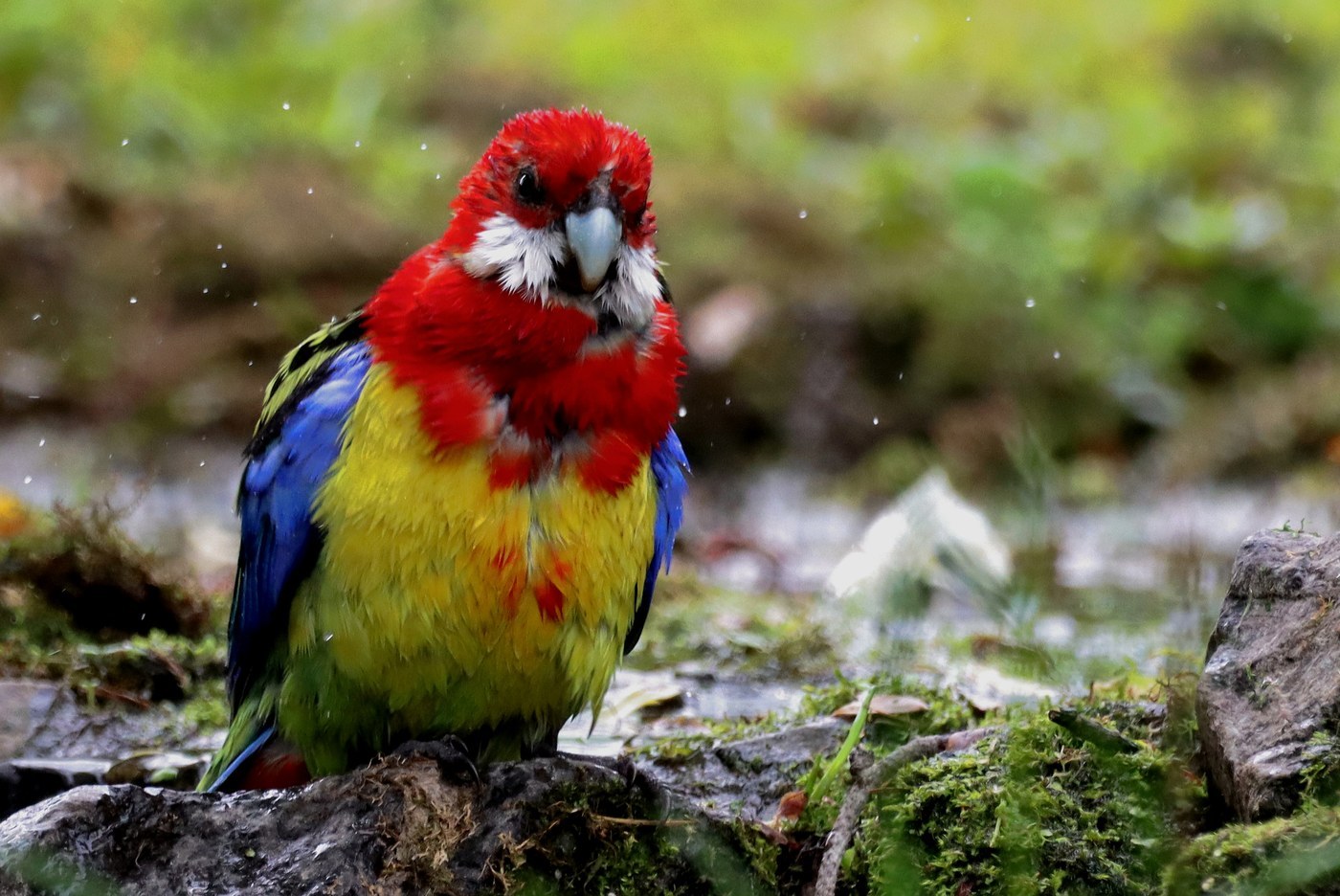
A strikingly colorful Australian parrot with a bright red head and breast, white cheek patches, and a scalloped yellow-green back.
- Size
- 30-33 cm (12-13 in) long
- Habitat
- open woodlands, farmland, parks, and gardens in southeastern Australia and Tasmania
- Type
- parrot
Spotted a bird like this?
Identify any bird from a photo, free.
Overview
The Eastern Rosella is one of the most vividly patterned parrots of southeastern Australia, instantly recognizable by its bright red head and chest set against white cheek patches and a scalloped black-and-yellow-green back. Both sexes look broadly similar, though females and immature birds tend to be slightly duller with a smaller red area and less contrast overall.
The belly is pale yellow shading to green over the rump, the wings are blue-edged, and the tail is long and blue-green, tapering to a point. This combination of red, white, yellow, green, and blue gives the species a strikingly "painted" appearance that makes it a favorite in gardens and parks across its range.
How to identify it
Key field marks
- Bright scarlet-red head, neck, and breast
- Clean white cheek patches bordered faintly with blue
- Black feathers of the back broadly edged with yellow-green, creating a scalloped look
- Pale yellow belly grading to green on the rump
- Long, blue-green tapering tail
Similar species
- Pale-headed Rosella: pale yellow-white head instead of red; ranges meet and hybridize in a narrow zone in eastern Australia.
- Crimson Rosella: entirely crimson-red body (not just head/breast) with blue, not white, cheek patches.
- Adelaide Rosella (a Crimson Rosella intergrade population): orange-red tones, found further west, no white cheeks.
Habitat & range
Habitat
Eastern Rosellas favor open eucalypt woodland, farmland with scattered trees, orchards, golf courses, parks, and leafy suburban gardens. They need mature trees with hollows for nesting and open grassy ground for feeding.
Range
The species is native to southeastern Australia, from southeastern Queensland through New South Wales, Victoria, and into southeastern South Australia, as well as Tasmania. An introduced population is also established in New Zealand.
Migration
Eastern Rosellas are largely sedentary, though some local movement occurs in response to food availability and weather, particularly at higher elevations in winter.
Behavior & voice
Behavior
Eastern Rosellas are usually seen in pairs or small family groups, feeding quietly on the ground or in low vegetation before flying up to a tree if disturbed. They can be wary but readily adapt to human-modified landscapes, including visiting garden feeders.
Voice
The contact call is a metallic, ringing "kwink kwink" given in flight, while a softer chattering is used between feeding birds. Alarm calls are sharper and more piercing.
Feeding
Most foraging happens on the ground or in low shrubs, where the birds take grass and eucalypt seeds, fallen fruit, flower buds, blossoms, and occasional insects and their larvae.
Nesting and breeding
Eastern Rosellas nest in tree hollows, often high up in eucalypts, lining the cavity with little more than decayed wood dust. Clutches typically number four to seven white eggs, incubated by the female alone while the male feeds her nearby; young fledge after about five weeks.
Frequently asked questions
What does an Eastern Rosella look like?
It has a bright red head and breast, white cheek patches, a yellow-green scalloped back, pale yellow underparts, and a long blue-green tail.
How do you tell an Eastern Rosella from a Crimson Rosella?
Eastern Rosellas have white cheek patches and red confined mostly to the head and breast, while Crimson Rosellas are almost entirely red with blue cheek patches.
Where do Eastern Rosellas live?
They are native to southeastern Australia and Tasmania, in open woodlands, farmland, parks, and gardens; an introduced population also exists in New Zealand.
What do Eastern Rosellas eat?
Mainly grass and eucalypt seeds, fruit, buds, and blossoms, along with some insects, gathered mostly on the ground.
Do Eastern Rosellas migrate?
No, they are largely sedentary, though they may move locally to find food, especially in colder highland areas during winter.
Eastern Rosella guides
In-depth guides for identifying, finding, and understanding Eastern Rosella.
Other birds you may enjoy
Eclectus Parrot
35-42 cm (14-16.5 in) long
Western Rosella
25-30 cm (10-12 in) long
Superb Parrot
About 40 cm (16 in) long including a long tail
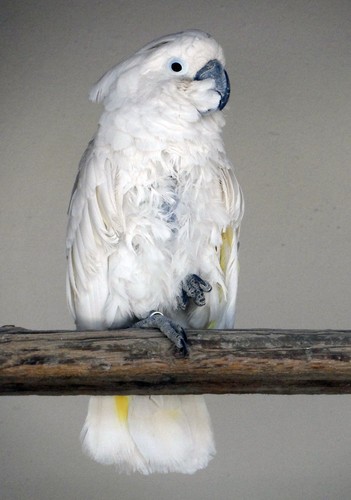
Umbrella Cockatoo
About 46 cm (18 in) long
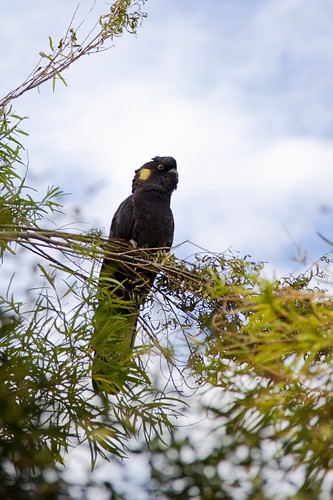
Yellow-tailed Black Cockatoo
55-65 cm long; wingspan up to about 130 cm
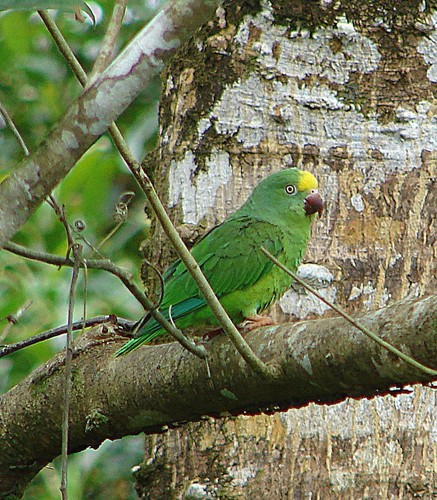
Yellow-crowned Amazon
About 35-38 cm (14-15 in) long
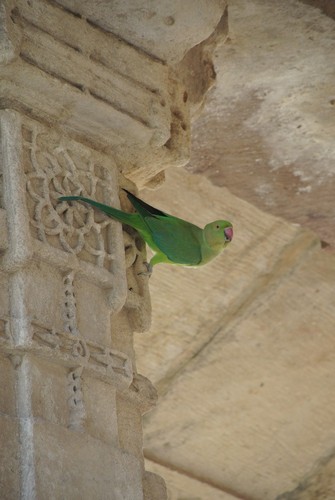
Rose-ringed Parakeet
40 cm (16 in) long including long tail
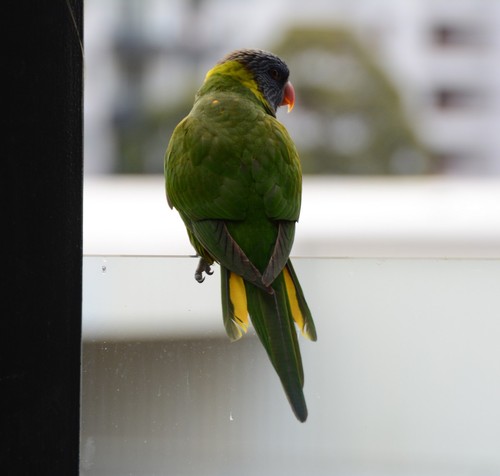
Rainbow Lorikeet
25-30 cm (10-12 in) long
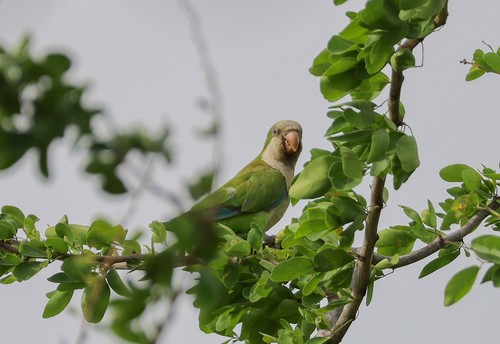
Quaker Parrot
28-31 cm (11-12 in) long
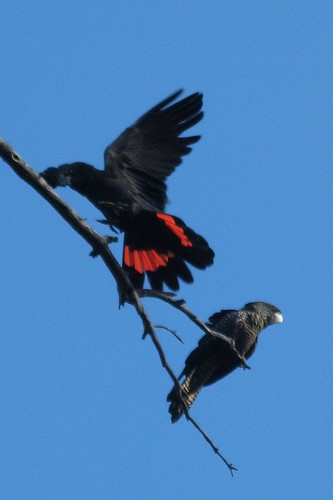
Red-tailed Black Cockatoo
55-65 cm long
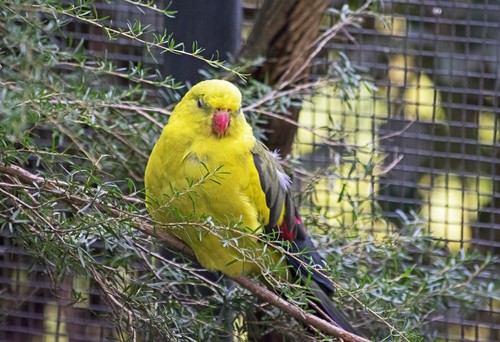
Regent Parrot
37-42 cm (15-17 in) long, including a long tail
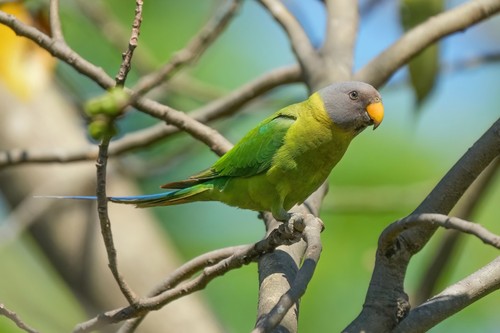
Plum-headed Parakeet
33 cm (13 in) long including tail