
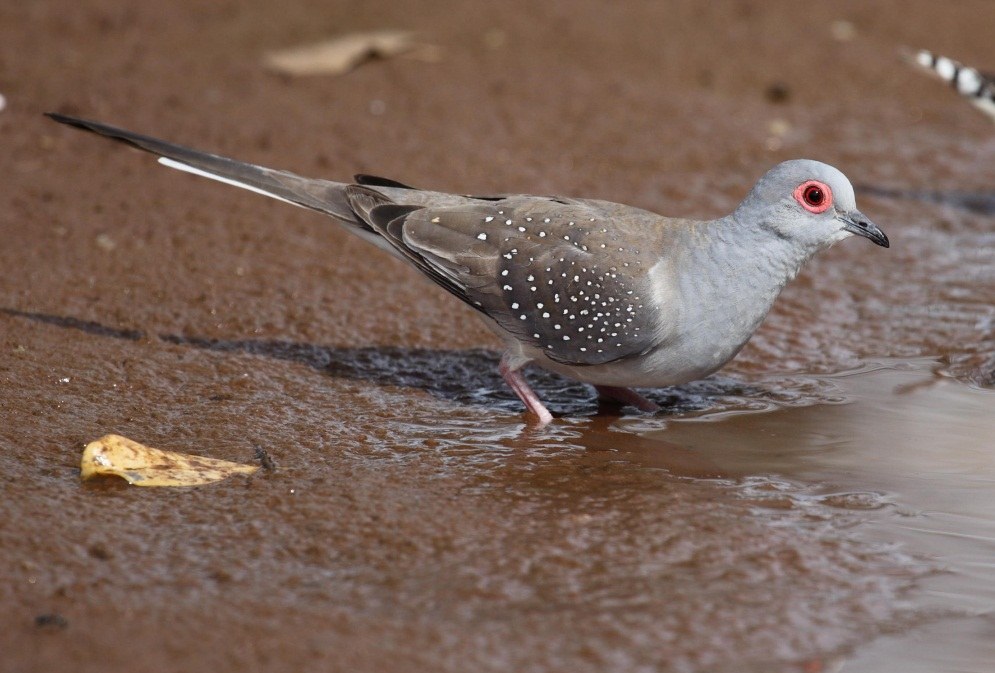
Diamond Dove
Geopelia cuneata
A tiny Australian dove named for the scattering of white, diamond-like spots across its grey wings.
- Size
- Length 19-21 cm (7.5-8.5 in); wingspan about 28-32 cm (11-13 in)
- Habitat
- Arid and semi-arid scrub, grassland, and woodland near water across inland Australia
- Type
- other
Spotted a bird like this?
Identify any bird from a photo, free.
Overview
Overview
The Diamond Dove is one of the smallest dove species in the world, native to the arid interior of Australia. It is a familiar sight near inland waterholes and is well adapted to the hot, dry conditions of the outback.
Appearance
The plumage is soft blue-grey overall, paler on the head and underside, with a distinctive scattering of small white spots edged in black across the wing coverts, resembling scattered diamonds. Adults show a conspicuous bright orange-red ring of bare skin around each eye, and the tail is long and graduated with white outer tail-tip edges visible in flight.
How to identify it
Key Field Marks
- Small size, among the smallest doves, with a slim build and long tail
- Rows of small white spots on the wing coverts, giving a spangled appearance
- Bright reddish-orange bare eye-ring, especially prominent on adult males
- Soft grey body plumage overall
Similar Species
The Diamond Dove is smaller and more delicately built than the Peaceful Dove, which lacks the diamond-spotted wing pattern and instead shows a scalloped pattern on the neck and breast. Its tiny size and spotted wings readily separate it from all other Australian pigeons and doves.
Habitat & range
Habitat and Range
Diamond Doves inhabit dry inland Australia, favoring open scrub, grassland, and lightly timbered country near rivers, waterholes, and other permanent water sources. They are largely sedentary but may move locally in response to drought and the availability of water and seeding grasses.
Distribution
Found across the arid and semi-arid interior of mainland Australia, generally avoiding the wetter coastal and southern regions of the continent.
Behavior & voice
Behavior
Diamond Doves are often seen in pairs or small flocks feeding on the ground, and larger aggregations may form near water sources during dry periods. They are quick, light fliers capable of rapid, direct movement between cover and open ground.
Voice
The call is a soft, moaning "coo-oo" or repeated cooing, generally quieter and less resonant than the calls of larger pigeon species.
Feeding
Feeds primarily on small seeds gathered from the ground, particularly grass seeds, and will also take some insects.
Nesting and Breeding
Builds a small, flimsy platform nest of twigs low in a shrub or tree, usually laying two white eggs per clutch, with both parents sharing incubation and chick-rearing duties.
Frequently asked questions
Why is the Diamond Dove called that?
For the small white spots scattered across its wing coverts, which resemble tiny diamonds.
How big is a Diamond Dove?
It is one of the smallest dove species, about 19-21 cm long.
Where do Diamond Doves live?
In arid and semi-arid inland Australia, usually near water sources.
What color is the skin around a Diamond Dove's eye?
A bright orange-red bare eye-ring, especially vivid on adult birds.
Diamond Dove guides
In-depth guides for identifying, finding, and understanding Diamond Dove.
Other birds you may enjoy
Kiwi
35-55 cm (14-22 in) long; roughly chicken-sized
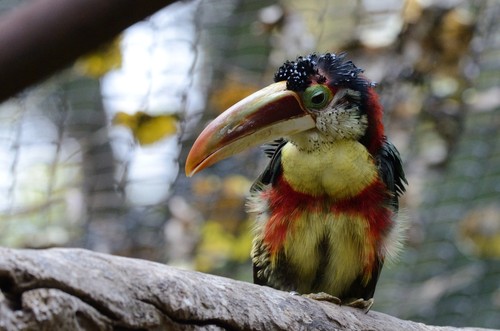
Curl-crested Aracari
41-46 cm (16-18 in) long, including a long bill and tail
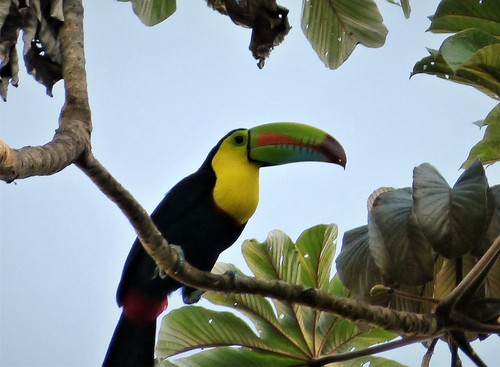
Keel-billed Toucan
42-55 cm (17-22 in) long including bill
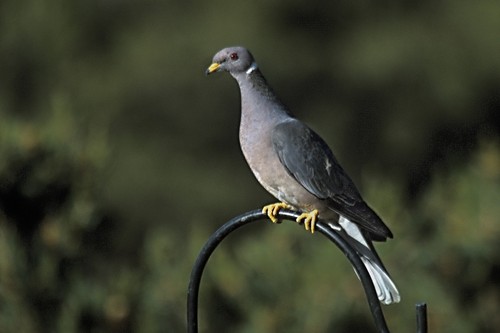
Band-tailed Pigeon
33-38 cm (13-15 in) long, wingspan about 66 cm (26 in)
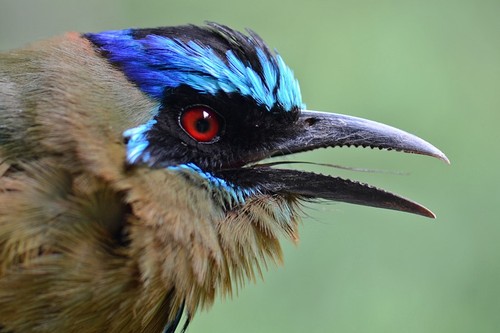
Blue-crowned Motmot
38-43 cm (15-17 in) long including tail
White-tipped Dove
27-30 cm (10.5-12 in) long, 38-43 cm wingspan
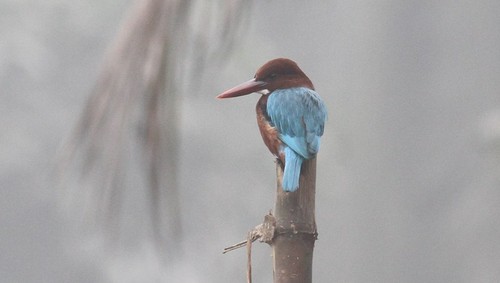
White-throated Kingfisher
27-28 cm (10.5-11 in) long
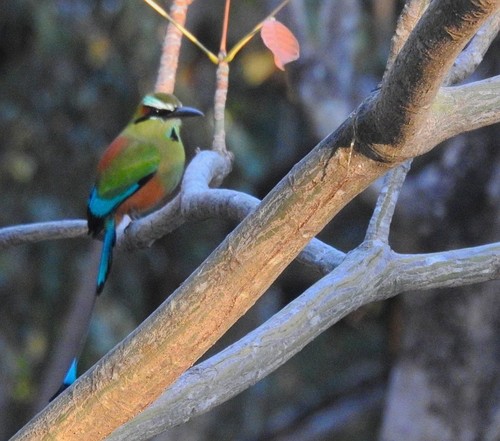
Turquoise-browed Motmot
34 cm (13 in) long including tail
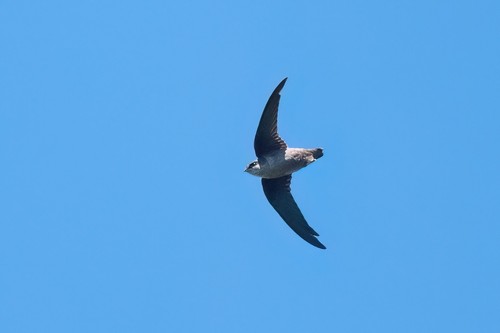
Vaux's Swift
10-12 cm (4-4.5 in) long, 27-30 cm wingspan
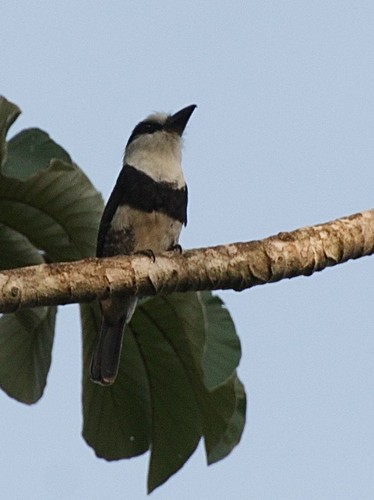
White-necked Puffbird
22-24 cm (8.5-9.5 in) long
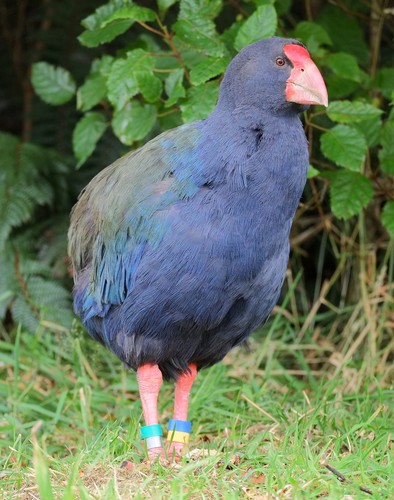
Takahe
50 cm (20 in) long, up to 3.5 kg; flightless
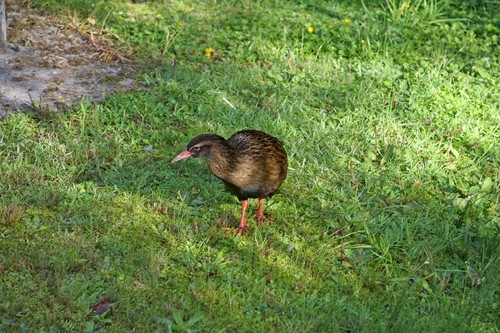
Weka
50-60 cm (20-24 in) long; flightless