
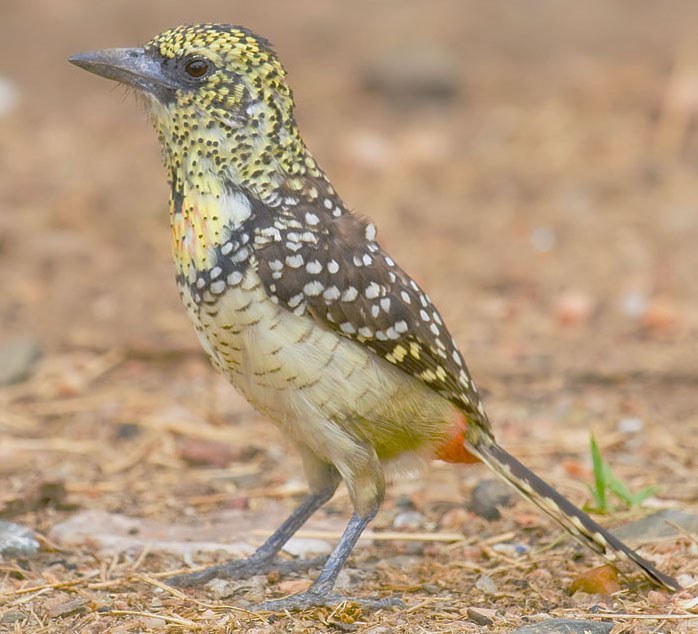
D'Arnaud's Barbet
Trachyphonus darnaudii
An East African ground barbet with black-and-white speckled plumage, a yellow face, and a bubbling duet call, often seen bobbing near termite mounds.
- Size
- About 18-20 cm long, stocky and short-tailed
- Habitat
- Dry bush, thornveld, and savanna in East Africa
- Type
- other
Spotted a bird like this?
Identify any bird from a photo, free.
Overview
D'Arnaud's Barbet is a compact, terrestrial barbet of the dry bush country of East Africa, patterned in fine black-and-white spotting with warm yellow tones on the face and underparts. It is more often heard than seen, given away by its distinctive bubbling duet.
Adults show a densely speckled black-and-white crown and upperparts, a yellow face and throat, and yellowish underparts marked with variable dark spotting; the bill is short, stout, and pale. Plumage can vary somewhat across its range, with some populations (sometimes treated as a separate species, the Usambiro Barbet) showing a more solidly black crown and darker face.
Unlike many barbets that forage in trees, D'Arnaud's Barbet spends much of its time on or near the ground, hopping and bobbing around bushes and termite mounds.
How to identify it
Key field marks
- Finely speckled black-and-white crown and upperparts
- Yellow face and throat
- Pale yellow underparts with dark spotting
- Short, stout, pale bill
- Ground-dwelling habits, frequently near termite mounds
Similar species
- Red-and-yellow Barbet: has a solid scarlet head and much bolder red-and-black pattern, lacking the fine black-and-white speckling of D'Arnaud's.
- Usambiro Barbet: closely related and sometimes considered a subspecies; distinguished by a more solidly black crown and darker face, with ranges meeting in parts of Kenya and Tanzania.
- Crested Barbet: found further south, with a shaggier crest and heavier black spotting on yellow underparts rather than the finely speckled pattern of D'Arnaud's.
Habitat & range
Habitat
D'Arnaud's Barbet favors dry Acacia savanna, thornbush, and semi-arid scrub, often in areas with termite mounds that it uses both for foraging and nesting.
Range
Endemic to East Africa, found in Kenya, Tanzania, Ethiopia, and Somalia, generally in lower, drier habitats away from moist highland forest.
Migration
Non-migratory and sedentary, with pairs holding fixed territories around favored termite mounds or thickets.
Behavior & voice
Behavior
D'Arnaud's Barbet is a ground-loving bird, often seen hopping between bushes or foraging directly on bare or sparsely vegetated soil, bobbing its head and flicking its tail while calling.
Voice
Pairs perform a bubbling, rhythmic duet, a rapid series of popping or churring notes given in close coordination, used to maintain the pair bond and advertise the territory.
Feeding
It feeds largely on ants and termites gathered from the ground and mounds, along with other insects, fruit, and seeds.
Nesting and breeding
The species commonly excavates its nest burrow into the side of an active or abandoned termite mound, or occasionally into an earth bank; both members of the pair take part in digging, incubating, and feeding the chicks.
Frequently asked questions
How do you identify a D'Arnaud's Barbet?
Look for its finely speckled black-and-white upperparts, yellow face and throat, and habit of foraging on the ground near termite mounds.
Where is D'Arnaud's Barbet found?
It is endemic to East Africa, occurring in dry bush and savanna in Kenya, Tanzania, Ethiopia, and Somalia.
Why does D'Arnaud's Barbet nest in termite mounds?
The firm, insulated structure of termite mounds provides a safe, easily excavated site for its nest burrow.
What is distinctive about D'Arnaud's Barbet's call?
Pairs give a fast, bubbling, popping duet in close coordination to defend their territory.
What does D'Arnaud's Barbet eat?
Mostly ants and termites gathered from the ground, along with other insects, fruit, and seeds.
D'Arnaud's Barbet guides
In-depth guides for identifying, finding, and understanding D'Arnaud's Barbet.
Other birds you may enjoy
Kiwi
35-55 cm (14-22 in) long; roughly chicken-sized
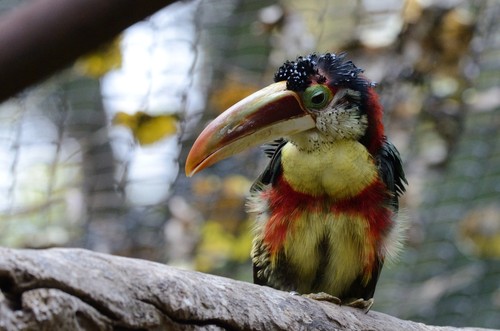
Curl-crested Aracari
41-46 cm (16-18 in) long, including a long bill and tail
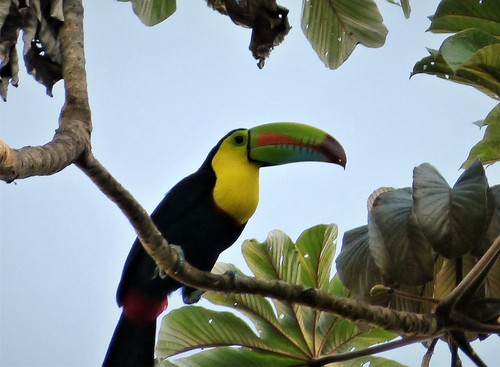
Keel-billed Toucan
42-55 cm (17-22 in) long including bill
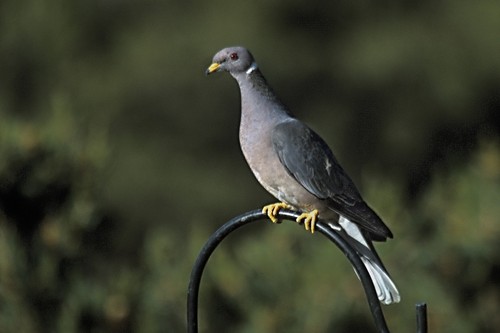
Band-tailed Pigeon
33-38 cm (13-15 in) long, wingspan about 66 cm (26 in)
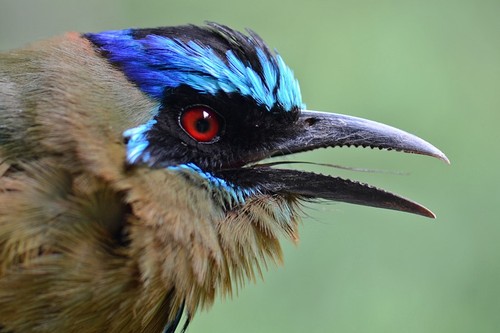
Blue-crowned Motmot
38-43 cm (15-17 in) long including tail
White-tipped Dove
27-30 cm (10.5-12 in) long, 38-43 cm wingspan
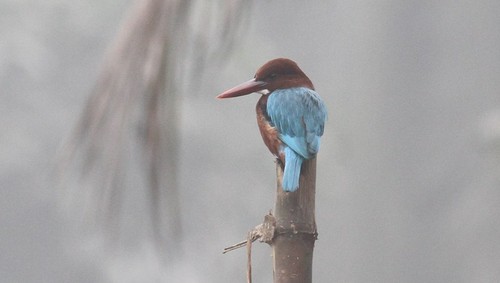
White-throated Kingfisher
27-28 cm (10.5-11 in) long
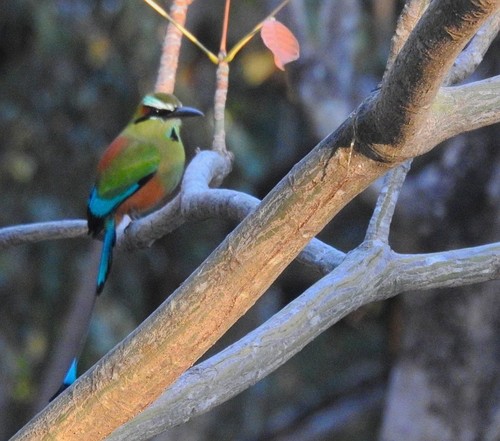
Turquoise-browed Motmot
34 cm (13 in) long including tail
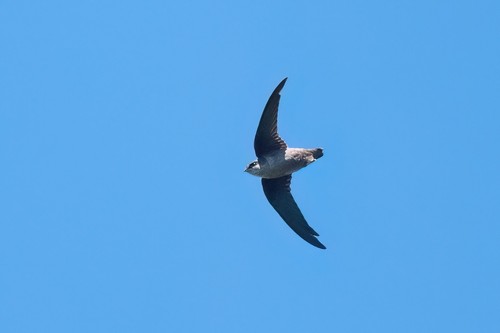
Vaux's Swift
10-12 cm (4-4.5 in) long, 27-30 cm wingspan
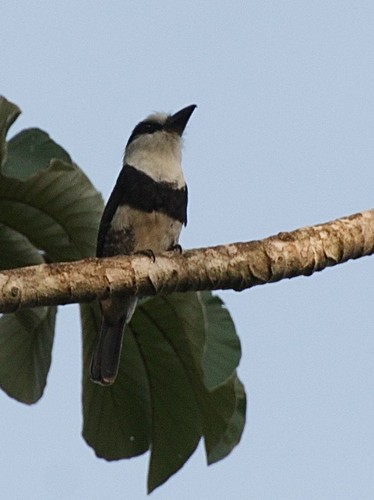
White-necked Puffbird
22-24 cm (8.5-9.5 in) long
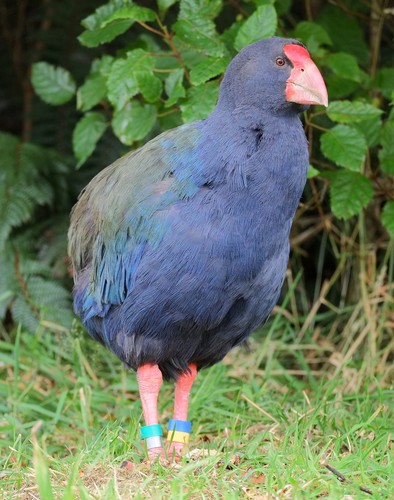
Takahe
50 cm (20 in) long, up to 3.5 kg; flightless
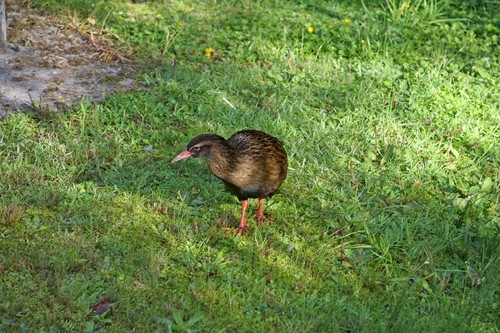
Weka
50-60 cm (20-24 in) long; flightless