
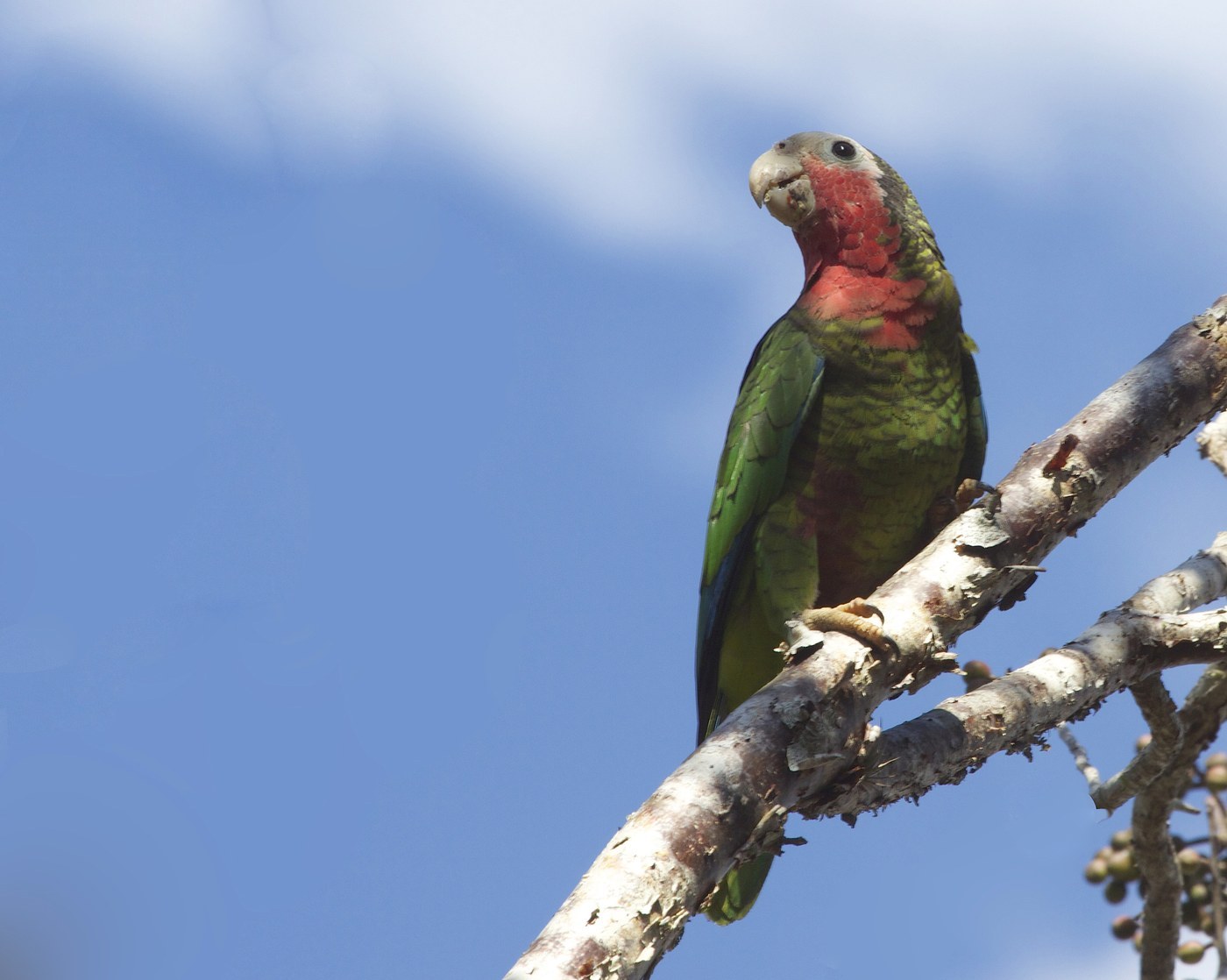
Cuban Amazon
Amazona leucocephala
A vividly colored Caribbean amazon parrot with a white forehead and rosy throat patch, found only in Cuba, the Bahamas, and the Cayman Islands.
- Size
- 28-33 cm (11-13 in) long
- Habitat
- Pine forest, broadleaf woodland, mangroves, and palm savanna
- Type
- parrot
Spotted a bird like this?
Identify any bird from a photo, free.
Overview
The Cuban Amazon is a medium-sized amazon parrot endemic to the Caribbean, occurring on Cuba and the Isle of Youth, in parts of the Bahamas, and on the Cayman Islands. It is the only amazon parrot native to these island groups.
Appearance
The body is mostly green with each feather narrowly edged in black, giving a scaled look. The forehead and area around the eye are white, the cheeks show a red patch that varies in extent by population, and the throat and upper breast carry a distinctive rosy-pink patch bordered below by blue-black. The primary flight feathers are blue, and the eye is surrounded by a pale eye-ring.
Populations differ subtly between islands: Cuban birds tend to show the most extensive red cheek color, while Bahamian and Cayman birds show reduced red and sometimes a more uniformly pale abdomen.
How to identify it
Key field marks
- White forehead and lores contrasting with green crown
- Rosy-pink throat and upper breast patch edged in blue-black below
- Red cheek patch, variable in size by population
- Green body plumage with black-edged (scaled) feathering
- Blue outer flight feathers, visible in flight
Similar species
No other amazon parrot occurs naturally within its Caribbean range, making the combination of white forehead and rosy throat patch essentially diagnostic. It is best separated from the smaller, slimmer Cuban Parakeet by its stockier build, short square tail, and direct heavy-bodied flight typical of amazon parrots.
Habitat & range
Range
The Cuban Amazon is endemic to Cuba (including the Isle of Youth), the Bahamas (notably Great Abaco and Great Inagua), and the Cayman Islands (Grand Cayman and Cayman Brac). Each island population is treated as a distinct subspecies.
Habitat
It inhabits pine forests, broadleaf hardwood forest, palm savanna, and mangrove edges. On islands lacking large hollow-bearing trees, such as Abaco and Inagua, birds have adapted to nest underground.
Migration
The species is non-migratory and resident year-round within its island range, though birds may move locally in response to food availability.
Behavior & voice
Behavior
Cuban Amazons are social outside the breeding season, gathering in noisy flocks at fruiting trees and communal roosts. Flight is direct and powerful with steady wingbeats typical of amazon parrots.
Voice
Calls are loud, harsh, and squawking, typically given in flight or when flocks gather at dusk roosts.
Feeding
The diet consists of fruits, seeds, buds, and blossoms, including the fruit of the royal palm, a key food source across its range.
Nesting and breeding
Most populations nest in tree cavities, but the Bahamian population is unusual among amazon parrots for nesting underground in limestone solution holes, a response to the scarcity of large nesting trees on those islands. Clutches typically contain three to four eggs.
Frequently asked questions
Where is the Cuban Amazon found?
It is endemic to Cuba and the Isle of Youth, parts of the Bahamas (Great Abaco, Great Inagua), and the Cayman Islands (Grand Cayman, Cayman Brac).
How do you identify a Cuban Amazon?
Look for a white forehead, a rosy-pink throat patch edged in blue-black, a variable red cheek patch, and green plumage with black-edged, scaled-looking feathers.
Why do some Cuban Amazons nest underground?
On islands like Abaco and Great Inagua that lack large hollow-bearing trees, the Bahamian population nests in limestone solution holes and ground cavities instead of tree hollows.
What is the conservation status of the Cuban Amazon?
It is listed as Near Threatened, with populations affected by historical habitat loss, though numbers are considered stable to increasing in protected areas.
What does the Cuban Amazon eat?
It feeds on fruits, seeds, buds, and blossoms of native trees, including the fruit of the royal palm.
Cuban Amazon guides
In-depth guides for identifying, finding, and understanding Cuban Amazon.
Other birds you may enjoy
Eclectus Parrot
35-42 cm (14-16.5 in) long
Western Rosella
25-30 cm (10-12 in) long
Superb Parrot
About 40 cm (16 in) long including a long tail
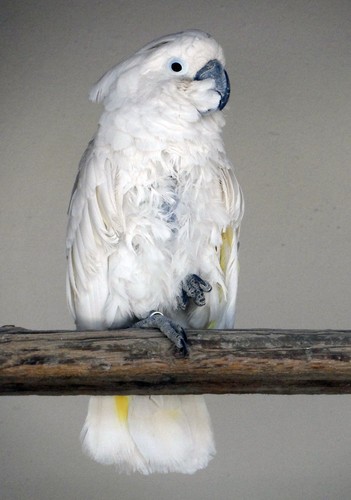
Umbrella Cockatoo
About 46 cm (18 in) long
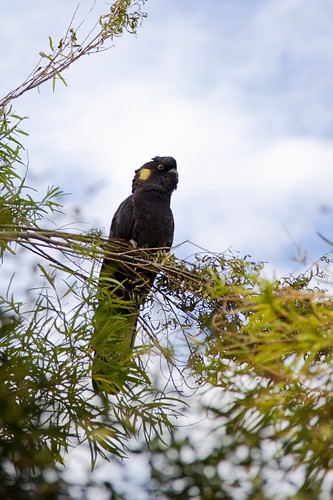
Yellow-tailed Black Cockatoo
55-65 cm long; wingspan up to about 130 cm
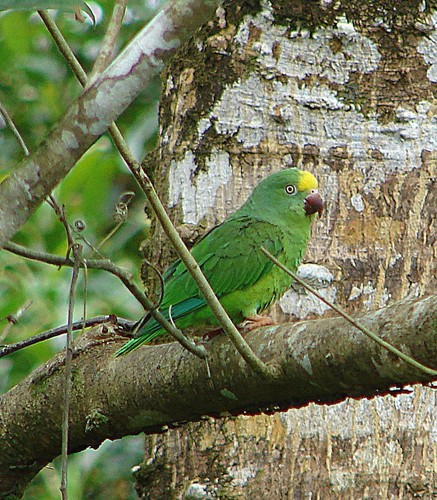
Yellow-crowned Amazon
About 35-38 cm (14-15 in) long
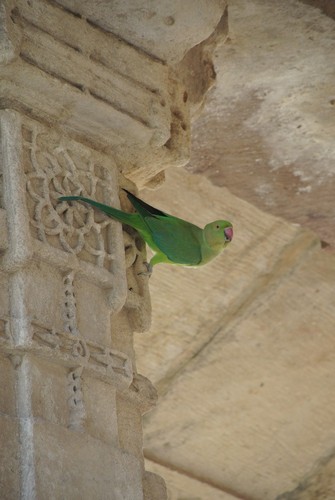
Rose-ringed Parakeet
40 cm (16 in) long including long tail
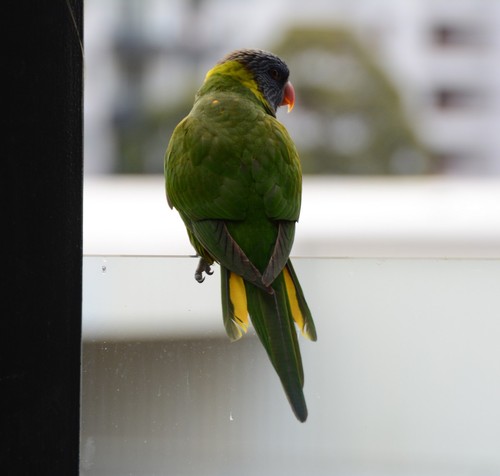
Rainbow Lorikeet
25-30 cm (10-12 in) long
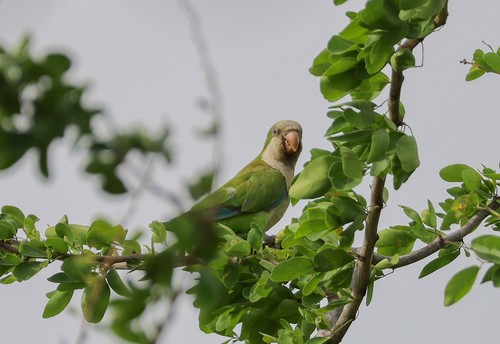
Quaker Parrot
28-31 cm (11-12 in) long
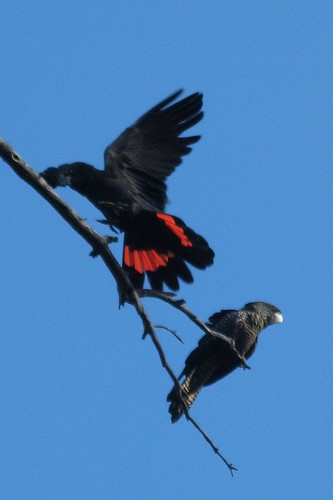
Red-tailed Black Cockatoo
55-65 cm long
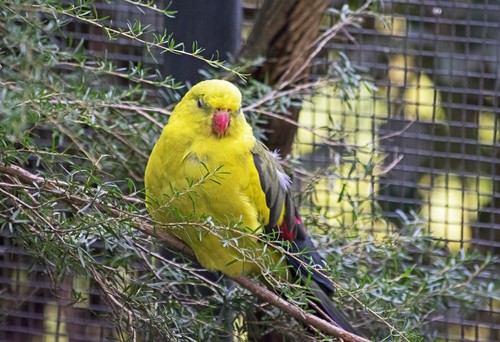
Regent Parrot
37-42 cm (15-17 in) long, including a long tail
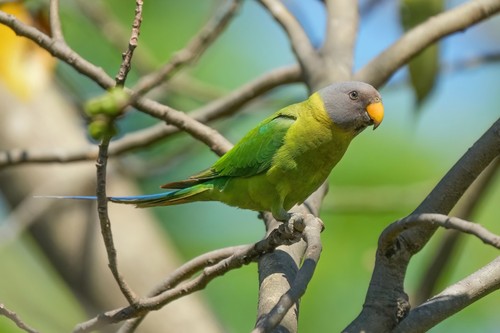
Plum-headed Parakeet
33 cm (13 in) long including tail