
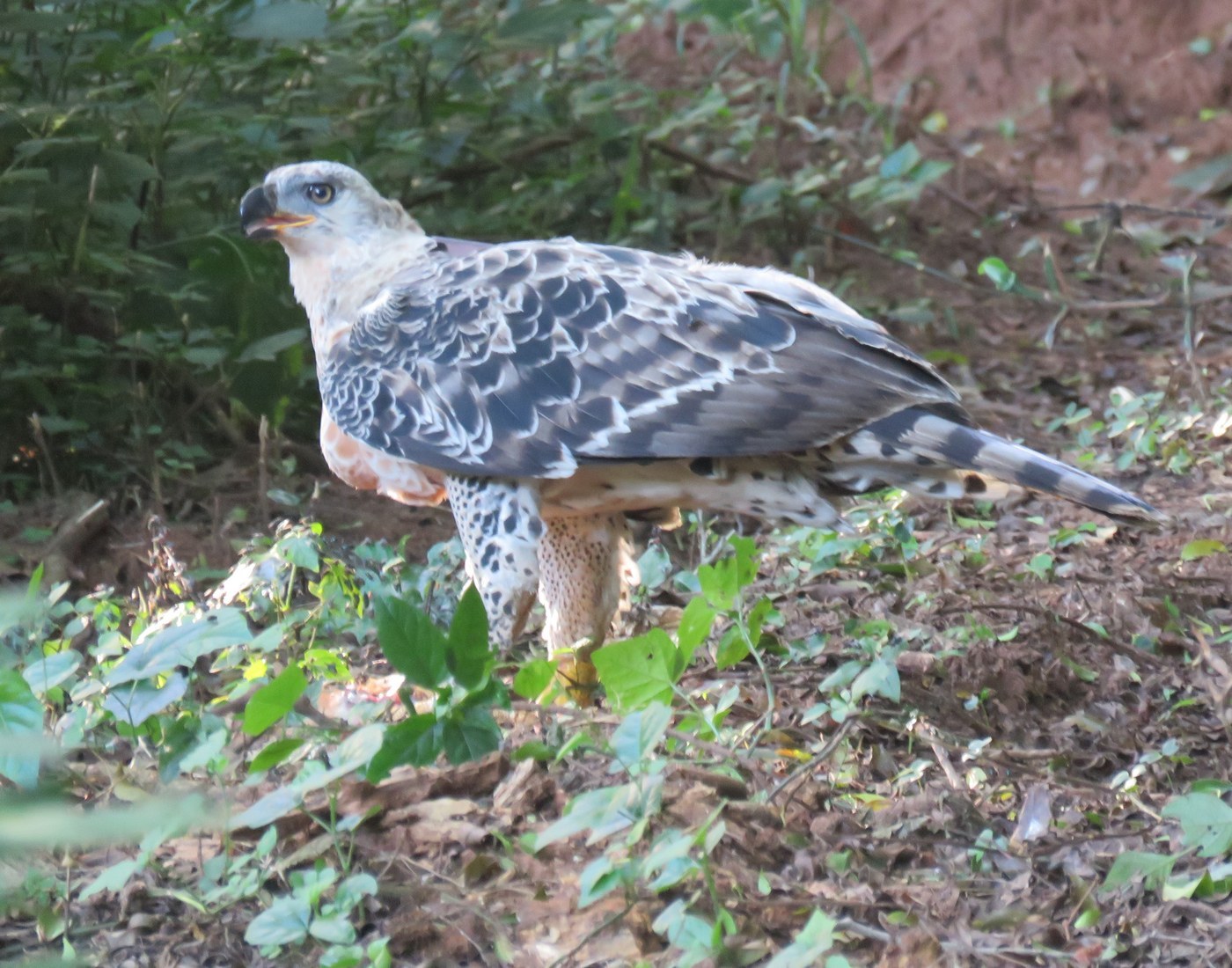
Crowned Eagle
Stephanoaetus coronatus
A powerful African forest eagle with short, rounded wings for maneuvering below the canopy, the Crowned Eagle is considered pound-for-pound one of the continent's most formidable raptors and a leading predator of monkeys.
- Size
- Body 80–99 cm (31–39 in); wingspan 151–181 cm (59–71 in); short, broad wings for forest flight
- Habitat
- Dense tropical forest and forest-savanna mosaic
- Type
- raptor
Spotted a bird like this?
Identify any bird from a photo, free.
Overview
The Crowned Eagle, also known as the African Crowned Eagle, is a massively built forest raptor renowned for its strength relative to its size, often ranked among the most powerful eagles in the world for its body size. Adults have dark blackish-gray upperparts and a rich rufous breast heavily barred and spotted with black.
A prominent double crest of black feathers can be raised on the back of the head, giving the species its name. The eyes are pale yellow to whitish, adding to its intense expression, and the legs are thick, powerful, and feathered.
How to identify it
Key field marks
- Prominent black double crest, raised when alert
- Rufous breast heavily barred and spotted black
- Dark blackish-gray upperparts
- Short, broad, rounded wings and a long tail suited to forest flight
- Pale yellow to whitish eyes
Similar species
The Long-crested Eagle is much smaller and shows an obvious long, thin, wispy crest rather than a short bushy one, and typically occupies more open habitat. The Martial Eagle is larger, found in open savanna rather than forest, and has spotted rather than barred underparts.
Habitat & range
Range
The Crowned Eagle is found across sub-Saharan Africa, primarily in equatorial and tropical regions from West Africa through the Congo Basin to East and southern Africa.
Habitat
It is strongly associated with dense tropical forest, but also occurs in forest-savanna mosaics and wooded ravines within otherwise open country, wherever adequate tree cover and prey are available.
Migration
The species is sedentary and highly territorial, with pairs defending the same permanent territory for many years, sometimes decades.
Behavior & voice
Hunting and feeding
Crowned Eagles are ambush hunters, watching from a concealed perch before launching powerful surprise attacks on monkeys, their primary prey, including species such as vervets and colobus monkeys. They also take other mammals and, less often, birds. Their grip strength allows them to kill prey substantially larger than themselves.
Voice
They give loud, ringing, far-carrying calls, especially during undulating sky-dance display flights performed by both members of a pair.
Nesting and breeding
Pairs build a huge stick nest that may be reused and enlarged over decades. A single chick is typically raised, with an unusually long dependency period of roughly nine to eleven months, so pairs usually breed only once every two years.
Frequently asked questions
Is the Crowned Eagle the most powerful eagle in Africa?
It is widely considered the most powerful eagle in Africa relative to its size, capable of killing monkeys and small antelope far heavier than itself.
What does a Crowned Eagle eat?
Primarily monkeys such as vervets and colobus, along with other forest mammals and occasionally birds.
Where does the Crowned Eagle live?
In dense tropical forest and forest-savanna mosaics across sub-Saharan Africa, from West Africa through the Congo Basin to East and southern Africa.
How do you tell a Crowned Eagle from a Long-crested Eagle?
The Crowned Eagle is much larger and heavier with a short, bushy double crest and barred rufous underparts, while the Long-crested Eagle is smaller with an obvious long, thin, wispy crest.
Why does the Crowned Eagle have such short wings?
Its short, broad, rounded wings and long tail are adapted for maneuvering quickly through dense forest canopy rather than soaring over open ground.
Crowned Eagle guides
In-depth guides for identifying, finding, and understanding Crowned Eagle.
Other birds you may enjoy
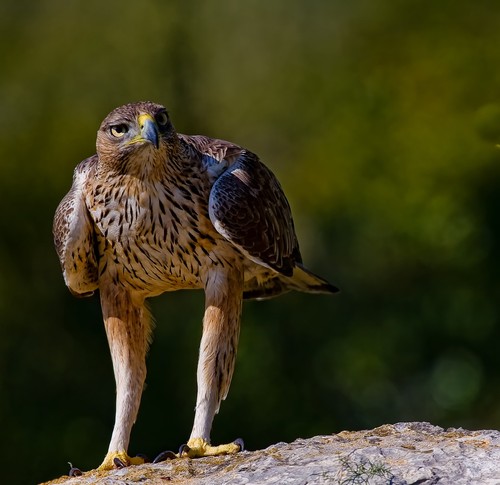
Bonelli's Eagle
Body 65–72 cm (26–28 in); wingspan 150–180 cm (59–71 in)
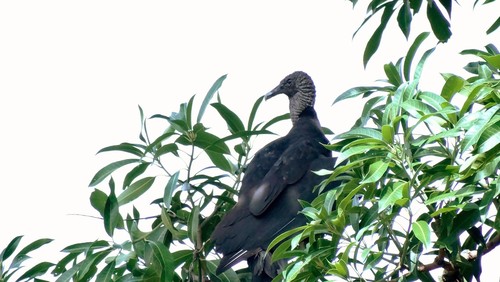
Black Vulture
56-68 cm (22-27 in) long, 137-165 cm wingspan
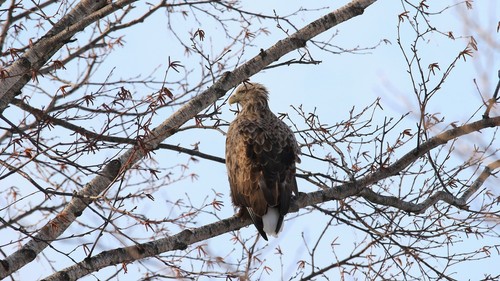
White-tailed Eagle
66-94 cm body length; wingspan 178-245 cm, among the largest eagles in the world
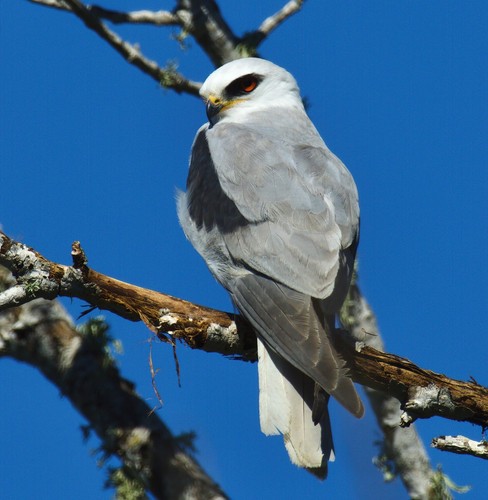
White-tailed Kite
35-43 cm (14-17 in) long, 88-102 cm (35-40 in) wingspan
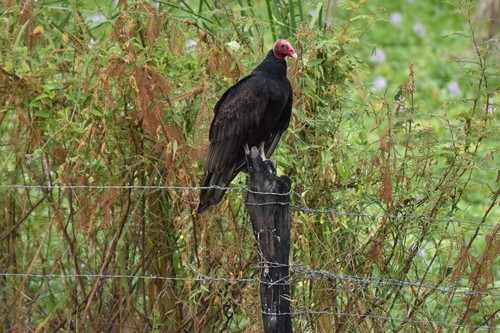
Turkey Vulture
64-81 cm (25-32 in) long, 160-183 cm wingspan
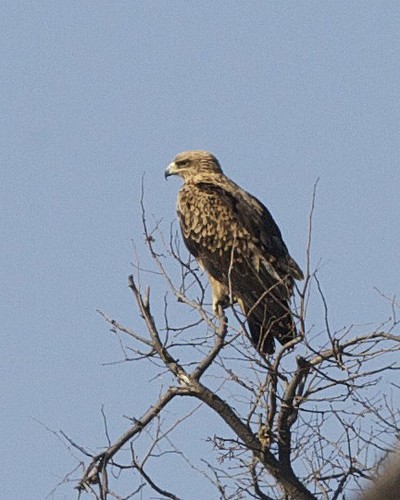
Tawny Eagle
62–75 cm long; wingspan 1.65–2.0 m
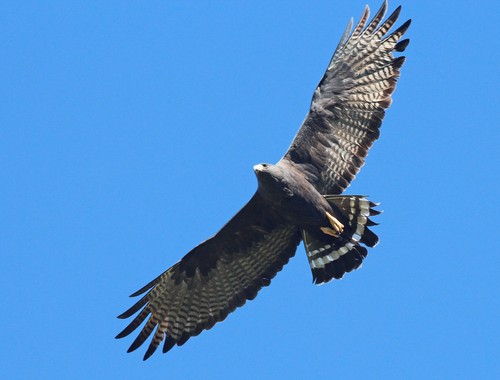
Zone-tailed Hawk
46-56 cm (18-22 in) long, 118-140 cm (46-55 in) wingspan
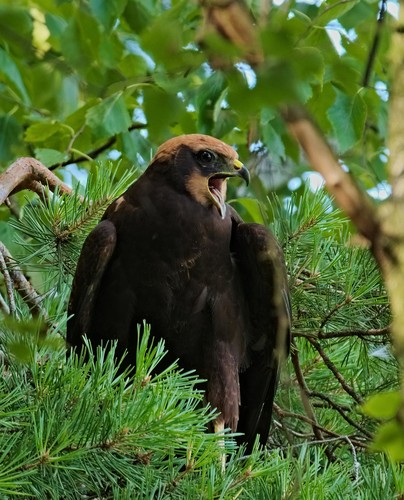
Western Marsh Harrier
Body 43-56 cm; wingspan 115-140 cm
Swallow-tailed Kite
48-68 cm (19-27 in) long including tail streamers, 112-136 cm (44-54 in) wingspan
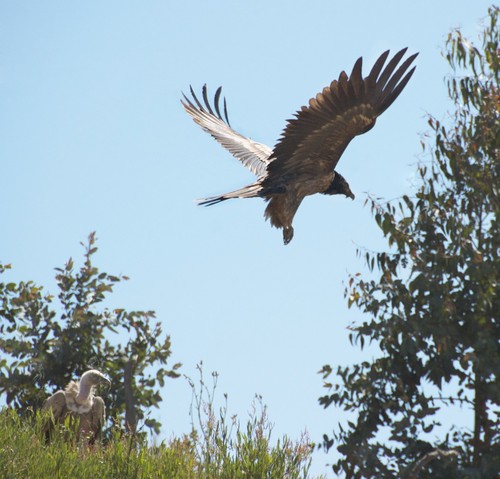
White-backed Vulture
78-98 cm long, wingspan 1.96-2.25 m
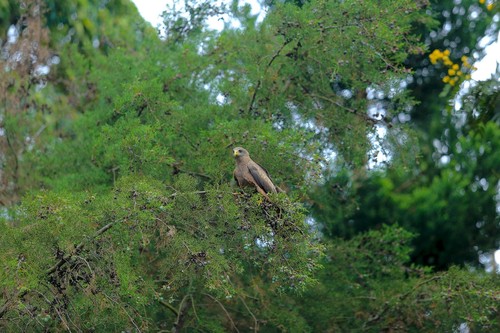
Yellow-billed Kite
55-60 cm long; wingspan 130-155 cm
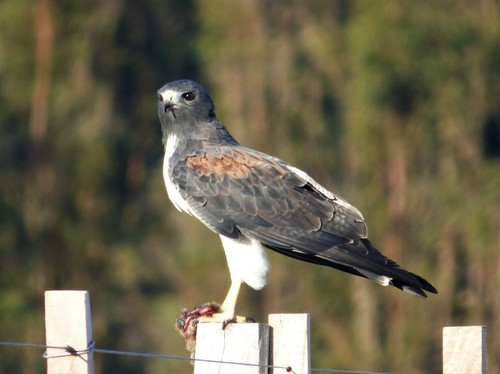
White-tailed Hawk
46-59 cm (18-23 in) long, 122-142 cm (48-56 in) wingspan