
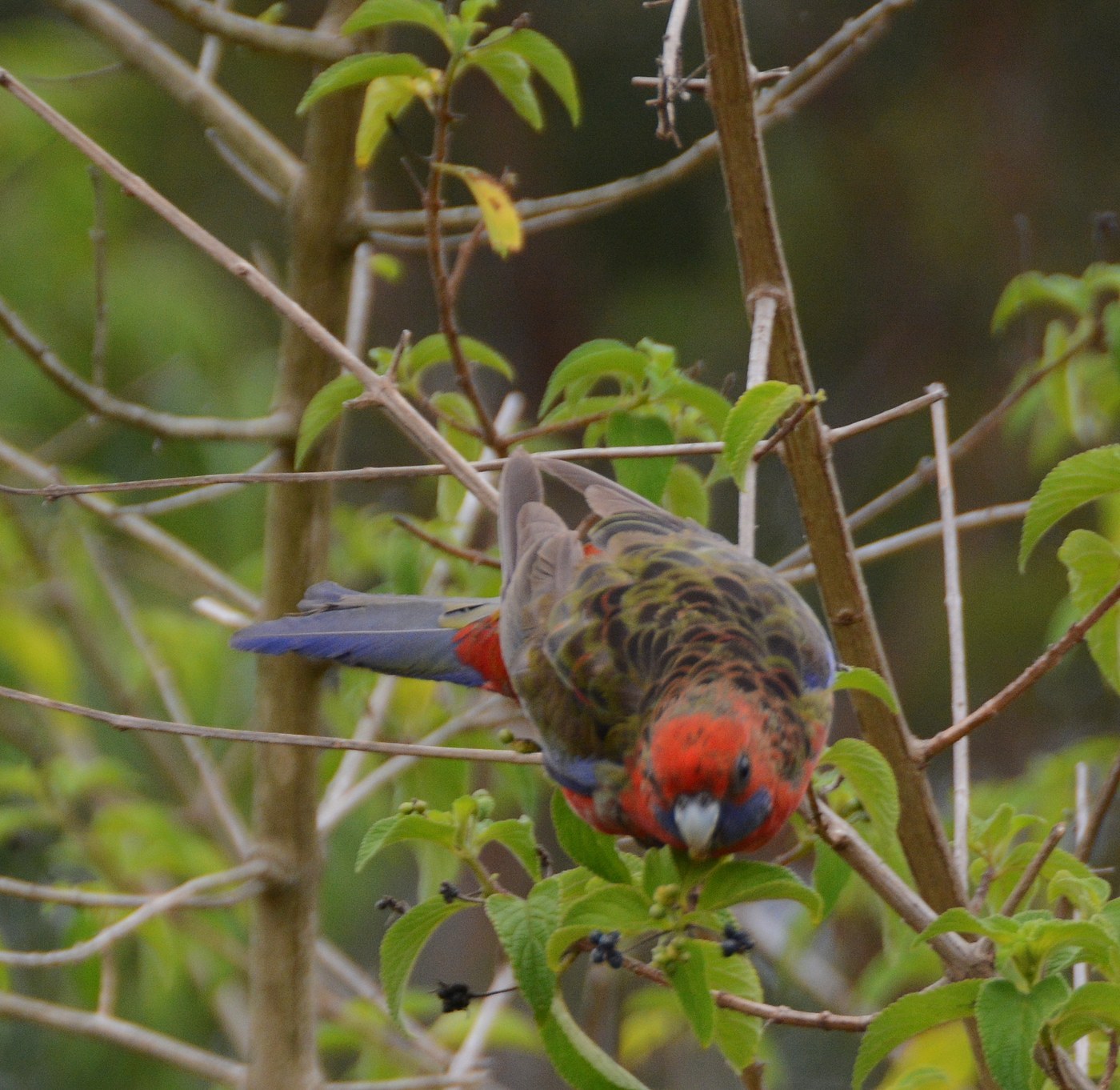
Crimson Rosella
Platycercus elegans
A deep crimson-red parrot with blue cheeks and wings, common in forested and suburban parts of eastern Australia.
- Size
- 32-36 cm (13-14 in) long
- Habitat
- wet eucalypt forest, rainforest edges, woodlands, and gardens in eastern and southeastern Australia
- Type
- parrot
Spotted a bird like this?
Identify any bird from a photo, free.
Overview
The Crimson Rosella is a large, richly colored parrot whose adult plumage is an almost uniform, deep crimson red across the head, neck, and underparts, offset by vivid blue cheek patches, blue flight feathers, and a long blue-black tail. The feathers of the back and wings are black, broadly edged with crimson, giving a subtly scalloped texture to the upperparts.
Juveniles look completely different from adults: they are mostly olive-green with only patches of red appearing on the forehead and underparts, gradually acquiring full crimson plumage over about 12 to 15 months. This dramatic change in appearance, combined with regional color variants (some populations show more orange or yellow tones), has led to a confusing history of subspecies and local names.
How to identify it
Key field marks
- Overall deep crimson-red body plumage in adults
- Bright blue cheek patches, wing coverts, and flight feathers
- Black back feathers broadly scalloped with crimson
- Long, blue-black tail
- Juveniles mostly green with red patches, molting to full red over more than a year
Similar species
- Eastern Rosella: red confined to head/breast, with white (not blue) cheek patches and a yellow-green back.
- Adelaide Rosella: an intergrade population between Crimson and Yellow Rosella showing orange-red tones, found in the Adelaide Hills region.
- Yellow Rosella: a paler yellow subspecies/form found along the Murray River, sometimes considered part of this species.
Habitat & range
Habitat
Crimson Rosellas favor wetter forest types than many other rosellas, including tall eucalypt forest, rainforest margins, and densely vegetated gullies, but they also thrive in parks, gardens, and picnic areas where they can become quite tame.
Range
The species occurs along the east coast and ranges of Australia from southeastern Queensland through New South Wales and Victoria to southeastern South Australia, with an introduced population established around Perth in Western Australia and in parts of New Zealand.
Migration
Crimson Rosellas are generally sedentary, with some altitudinal movement to lower, milder elevations during harsh winters in mountainous parts of their range.
Behavior & voice
Behavior
Usually encountered in pairs or small flocks, Crimson Rosellas forage both in the tree canopy and on the ground, and are famously confiding in picnic areas and gardens, sometimes taking food directly from people's hands.
Voice
The flight call is a distinctive, repeated "cussick-cussick" or bell-like piping, while feeding birds give soft, conversational chattering notes.
Feeding
Diet includes eucalypt and other native seeds, fruits, nectar, blossoms, and insects and their larvae, gleaned from both foliage and the ground.
Nesting and breeding
Nests are built in deep tree hollows, sometimes many meters above the ground, lined with wood dust. Clutches usually contain five to six white eggs incubated solely by the female for around three weeks, with young fledging roughly five weeks after hatching.
Frequently asked questions
Why are baby Crimson Rosellas green instead of red?
Juveniles hatch with mostly olive-green plumage as camouflage and gradually molt into the full crimson adult plumage over about 12 to 15 months.
What is a 'Lowry'?
Lowry (or Mountain Lowry) is a colloquial Australian nickname for the Crimson Rosella, especially in the Blue Mountains region of New South Wales.
How can I tell a Crimson Rosella from an Eastern Rosella?
Crimson Rosellas are almost entirely red with blue cheek patches, while Eastern Rosellas have red limited to the head and breast with white cheek patches and a yellow-green back.
Are Crimson Rosellas tame?
In parks and picnic areas they often become very confiding and will readily approach people, though they remain wild birds.
What do Crimson Rosellas eat?
They eat a mix of native seeds, fruits, blossoms, nectar, and insects, foraging in both trees and on the ground.
Crimson Rosella guides
In-depth guides for identifying, finding, and understanding Crimson Rosella.
Other birds you may enjoy
Eclectus Parrot
35-42 cm (14-16.5 in) long
Western Rosella
25-30 cm (10-12 in) long
Superb Parrot
About 40 cm (16 in) long including a long tail
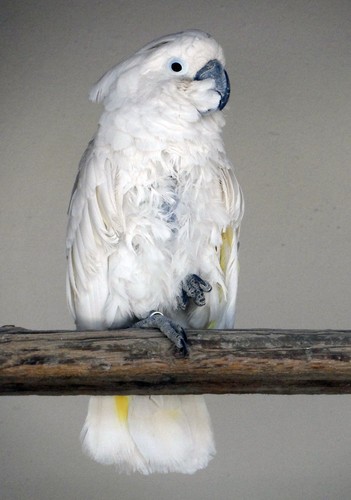
Umbrella Cockatoo
About 46 cm (18 in) long
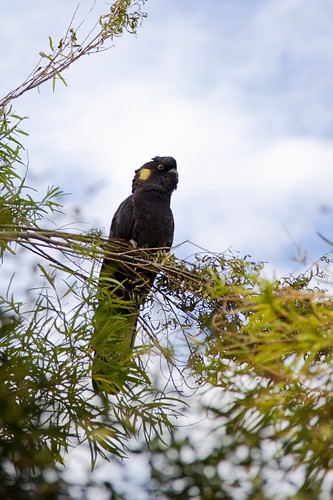
Yellow-tailed Black Cockatoo
55-65 cm long; wingspan up to about 130 cm
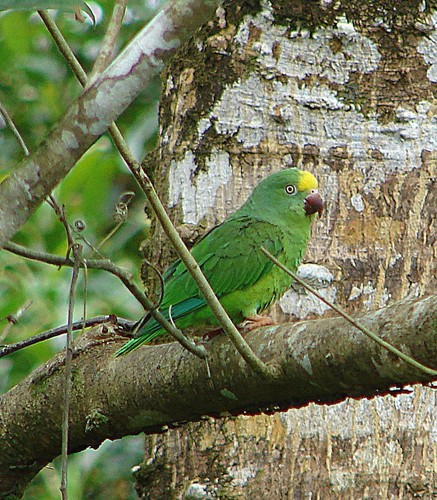
Yellow-crowned Amazon
About 35-38 cm (14-15 in) long
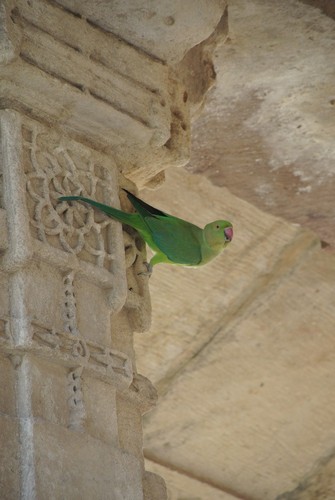
Rose-ringed Parakeet
40 cm (16 in) long including long tail
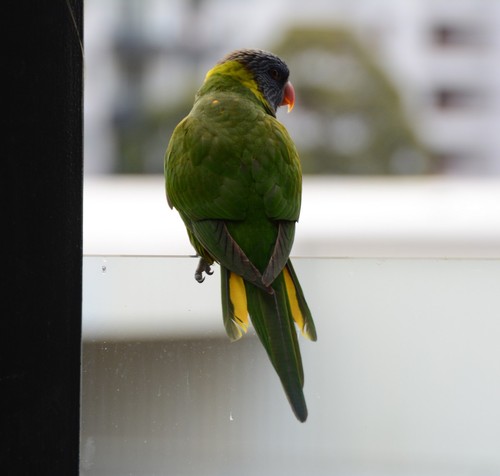
Rainbow Lorikeet
25-30 cm (10-12 in) long
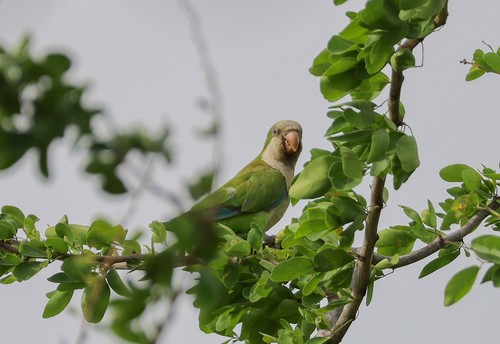
Quaker Parrot
28-31 cm (11-12 in) long
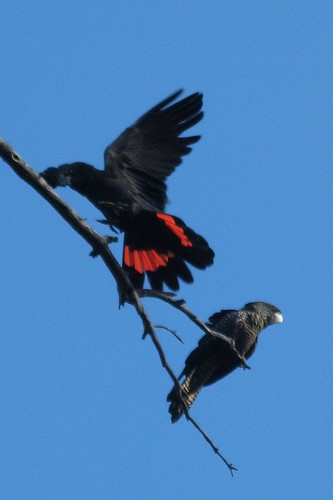
Red-tailed Black Cockatoo
55-65 cm long
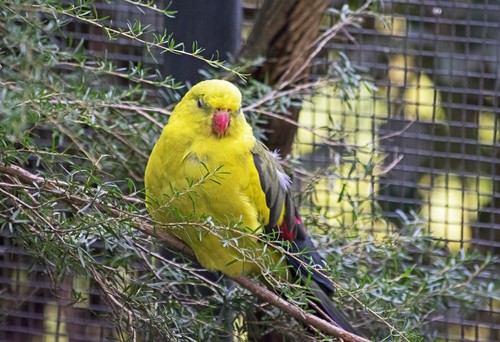
Regent Parrot
37-42 cm (15-17 in) long, including a long tail
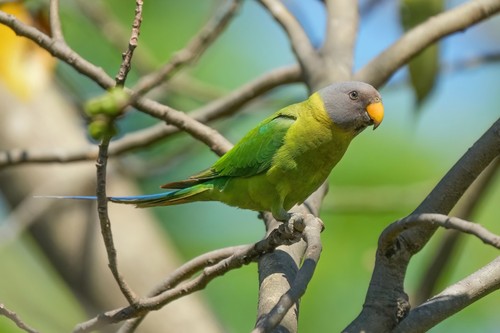
Plum-headed Parakeet
33 cm (13 in) long including tail