
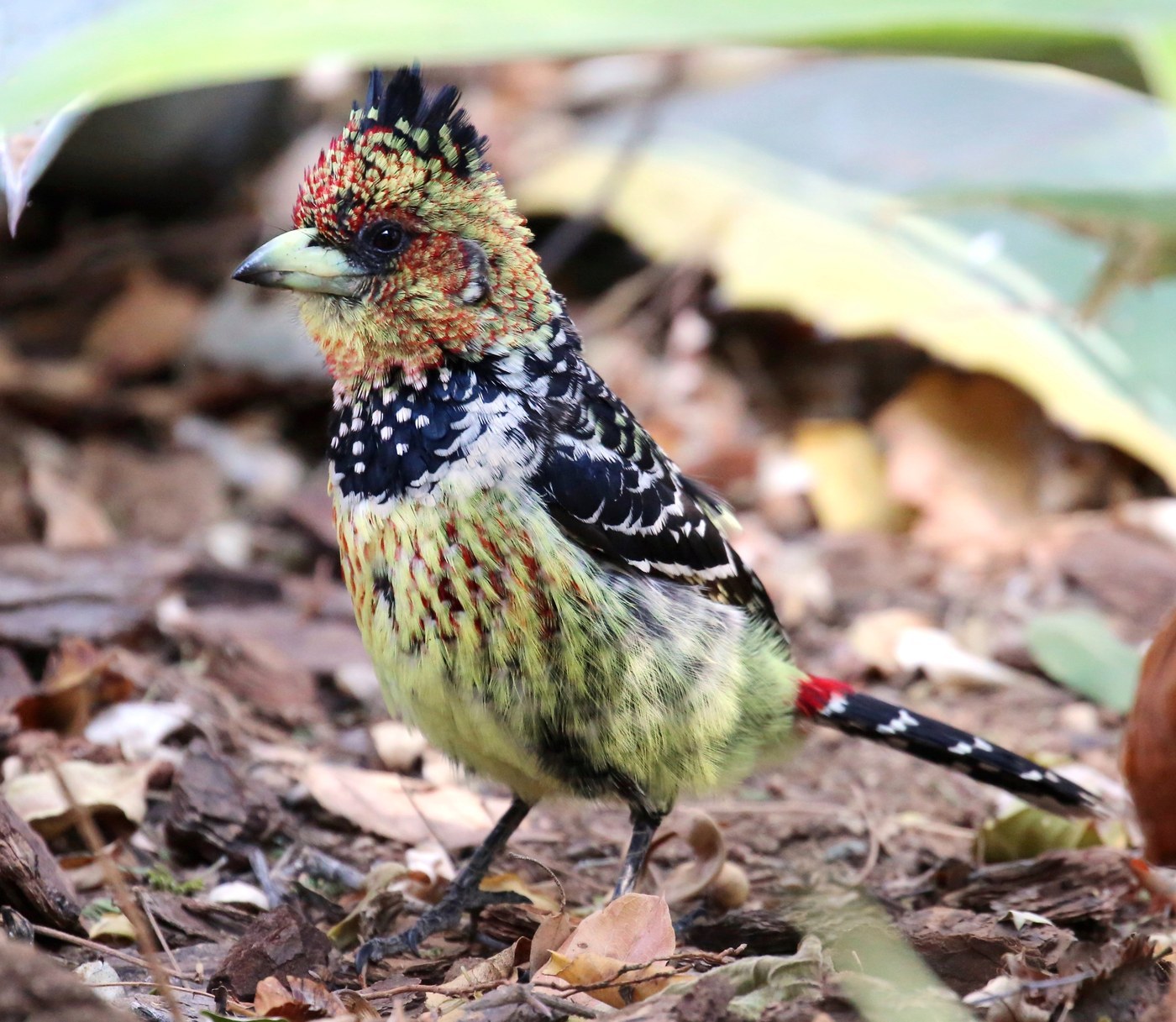
Crested Barbet
Trachyphonus vaillantii
A boldly spotted yellow, red, and black African barbet with a shaggy crest, best known for its long, monotonous trilling call.
- Size
- About 23-24 cm long, stocky build
- Habitat
- Woodland, savanna, riverine bush, and well-wooded gardens in southern Africa
- Type
- other
Spotted a bird like this?
Identify any bird from a photo, free.
Overview
The Crested Barbet is a striking, stocky bird of southern African woodlands, dressed in a busy pattern of yellow, black, and crimson with a speckled crest that gives it its name. It is one of the most familiar barbets in the region thanks to its bold colors and its habit of visiting gardens and bird feeders.
Adults show a black-and-yellow speckled crest, a yellow face and underparts liberally spotted with black, a red patch on the breast and rump, and a stubby, heavy bill typical of barbets. The overall effect is a busy, almost gaudy pattern that is unmistakable once seen well.
Crested Barbets are usually seen singly, in pairs, or in small family groups, often perched conspicuously on a bare branch while delivering their long, buzzing call.
How to identify it
Key field marks
- Shaggy black-and-yellow speckled crest
- Yellow underparts heavily spotted with black
- Red patch on the breast and rump
- Stout, pale, slightly hooked bill
- Long, sustained trilling call, almost mechanical in tone
Similar species
- Black-collared Barbet: has a solid red face and throat with a black collar, lacking the crest and heavy black spotting.
- Golden-tailed Woodpecker and other woodpeckers: superficially similar in a quick glimpse due to bold plumage, but woodpeckers have stiff pointed tail feathers used for bracing and a different bill shape.
- Red-and-yellow Barbet: has a solid red head rather than a spotted crest, and is restricted to East Africa rather than the south.
Habitat & range
Habitat
Crested Barbets occupy broadleaf and riverine woodland, savanna with large trees, thickets, and increasingly gardens, parks, and suburban areas with mature trees, where they readily visit fruit feeders.
Range
Found across southern Africa, including South Africa, Botswana, Zimbabwe, Mozambique, and neighboring countries, generally in the lower-lying bushveld and savanna regions.
Migration
Non-migratory and largely sedentary, with pairs holding territories year-round.
Behavior & voice
Behavior
Crested Barbets are active, somewhat noisy birds that forage at low to mid levels in trees and on the ground, often in pairs. They can be tame around human habitation and are frequent visitors to garden fruit and feeding trays.
Voice
The song is a long, rolling, monotonous trill lasting many seconds, likened to a alarm clock or telephone ring; both members of a pair may call, sometimes almost continuously during the breeding season.
Feeding
They eat a wide variety of food, including insects, fruit, and occasionally opportunistic prey such as small lizards, other birds' eggs, or nestlings, reflecting a more omnivorous diet than many barbets.
Nesting and breeding
Crested Barbets excavate nest holes in dead wood or soft tree trunks, sometimes reusing old woodpecker holes. Both parents help incubate the eggs and feed the chicks, and pairs may raise more than one brood in a season.
Frequently asked questions
What does a Crested Barbet look like?
It has a shaggy black-and-yellow speckled crest, yellow underparts spotted with black, and a red patch on the breast and rump.
What is the Crested Barbet's call like?
A long, monotonous, buzzing trill that can last many seconds, often compared to an old-fashioned alarm or telephone ring.
Where are Crested Barbets found?
They live in woodland, savanna, and gardens across southern Africa, including South Africa, Botswana, Zimbabwe, and Mozambique.
Do Crested Barbets visit gardens?
Yes, they are frequent and fairly tame visitors to gardens with mature trees, often coming to fruit feeders.
What do Crested Barbets eat?
A varied diet of insects and fruit, and occasionally small vertebrates such as lizards or nestlings.
Crested Barbet guides
In-depth guides for identifying, finding, and understanding Crested Barbet.
Other birds you may enjoy
Kiwi
35-55 cm (14-22 in) long; roughly chicken-sized
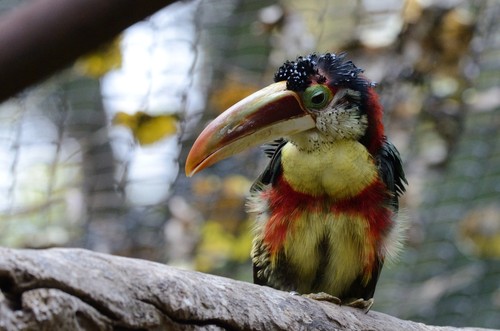
Curl-crested Aracari
41-46 cm (16-18 in) long, including a long bill and tail
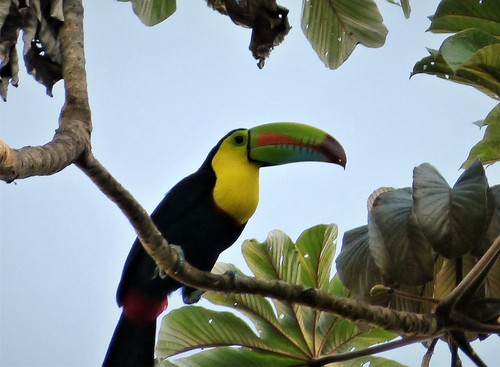
Keel-billed Toucan
42-55 cm (17-22 in) long including bill
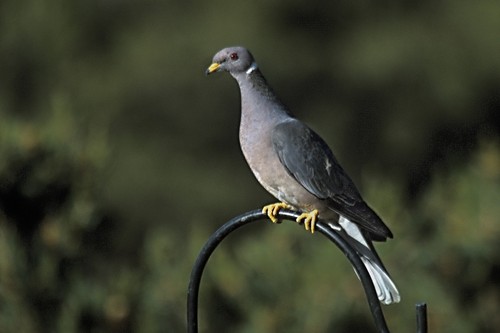
Band-tailed Pigeon
33-38 cm (13-15 in) long, wingspan about 66 cm (26 in)
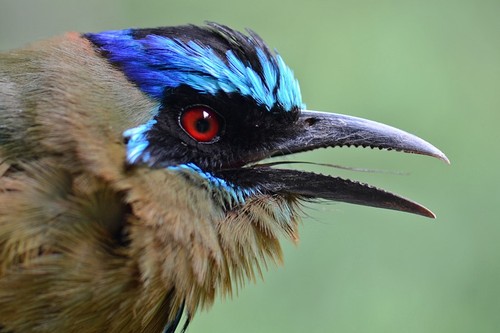
Blue-crowned Motmot
38-43 cm (15-17 in) long including tail
White-tipped Dove
27-30 cm (10.5-12 in) long, 38-43 cm wingspan
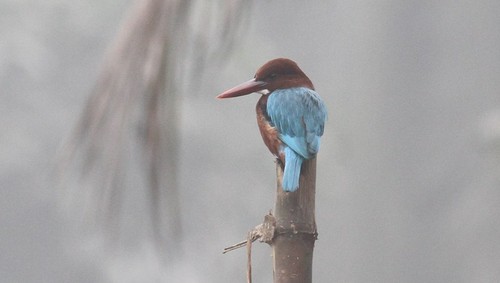
White-throated Kingfisher
27-28 cm (10.5-11 in) long
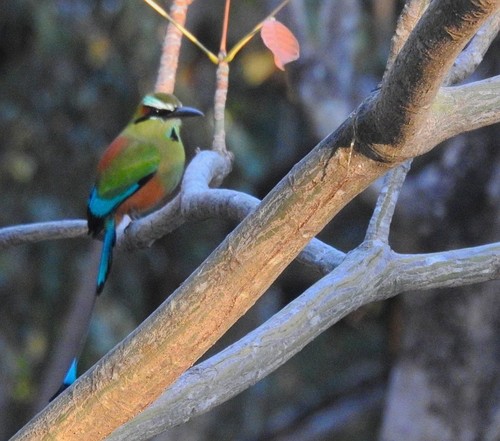
Turquoise-browed Motmot
34 cm (13 in) long including tail
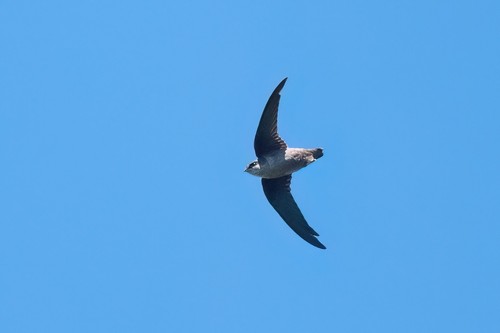
Vaux's Swift
10-12 cm (4-4.5 in) long, 27-30 cm wingspan
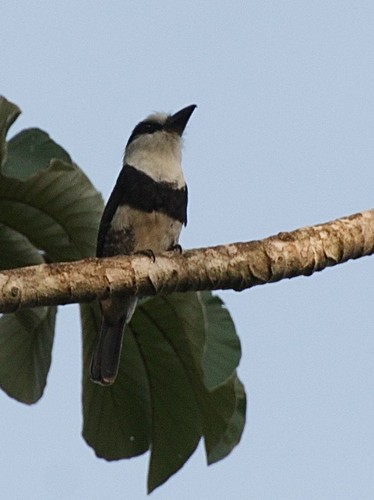
White-necked Puffbird
22-24 cm (8.5-9.5 in) long
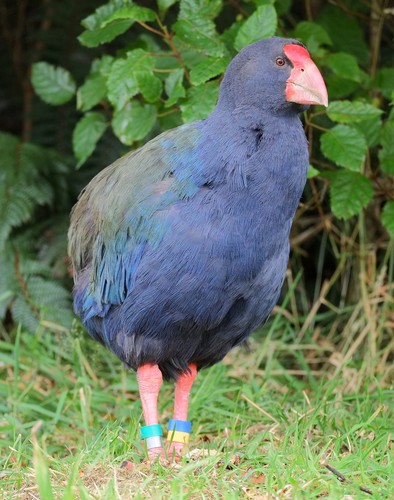
Takahe
50 cm (20 in) long, up to 3.5 kg; flightless
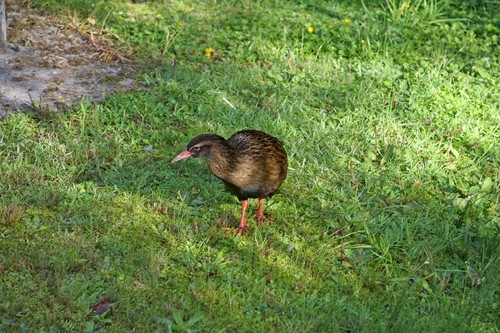
Weka
50-60 cm (20-24 in) long; flightless