
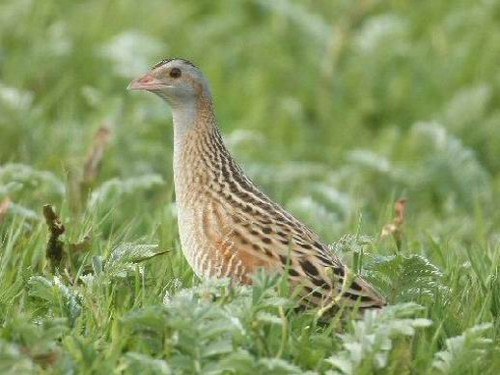
Corn Crake
Crex crex
A secretive, chicken-like grassland bird best known for its rasping, far-carrying 'crex-crex' call given at night.
- Size
- 27-30 cm (11-12 in) long, wingspan 42-53 cm
- Habitat
- tall grasslands, hay meadows, and agricultural fields across Europe and western Asia
- Type
- other
Spotted a bird like this?
Identify any bird from a photo, free.
Overview
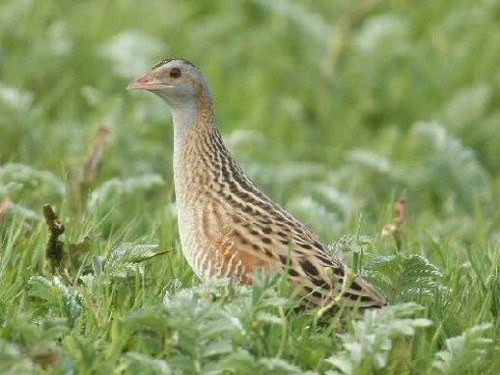
The Corn Crake is a medium-sized, buff-brown rail adapted to dry grassland rather than marshes, setting it apart from most of its relatives. It has warm buff-brown, black-streaked upperparts, a gray face and breast, chestnut wing patches visible in flight, and a short, stout pinkish bill.
Once common across European farmland, it has declined sharply in many regions due to changes in hay-cutting practices, and its loud nocturnal call is now an increasingly rare sound of the countryside.
How to identify it
Key field marks
- Buff-brown, black-streaked upperparts
- Gray face and breast
- Chestnut wing coverts, obvious in flight
- Short, pale, stout bill
- Long pale pinkish legs, trailing in flight
Similar species
The Water Rail has a long red bill and gray underparts and lives in wet reedbeds rather than dry grassland. Other rails lack the Corn Crake's rich chestnut wing patch.
Habitat & range
Habitat
Tall, unmown grasslands, hay meadows, and cereal fields, rarely found near water despite belonging to the rail family.
Range and migration
Breeds across Europe and western/central Asia. A long-distance migrant, wintering in sub-Saharan Africa.
Behavior & voice
Behavior
Extremely secretive, hiding within dense grass and rarely seen even where common.
Voice
The male's repetitive, rasping, far-carrying 'crex-crex' call, given mainly at night during the breeding season, is the source of both its common and scientific names.
Feeding
Forages on the ground for insects, earthworms, snails, and seeds.
Nesting and breeding
Nests on the ground in tall grass, where eggs and chicks are highly vulnerable to mowing machinery, a major factor behind population declines in intensively farmed regions.
Frequently asked questions
Why is it called a Corn Crake?
The name comes from its rasping, repetitive 'crex-crex' call and its historic association with cornfields and hay meadows.
Why are Corn Crakes hard to see?
They are extremely secretive, staying hidden in tall grass and rarely venturing into the open.
Where do Corn Crakes migrate?
They breed across Europe and western Asia and migrate long distances to winter in sub-Saharan Africa.
Why have Corn Crake populations declined?
Mechanized early mowing of hay meadows destroys nests and chicks, a major factor in declines across much of Western Europe.
What does a Corn Crake look like in flight?
It shows chestnut wing patches and trailing pale legs, with a somewhat weak, fluttering flight.
Corn Crake guides
In-depth guides for identifying, finding, and understanding Corn Crake.
Other birds you may enjoy
Kiwi
35-55 cm (14-22 in) long; roughly chicken-sized
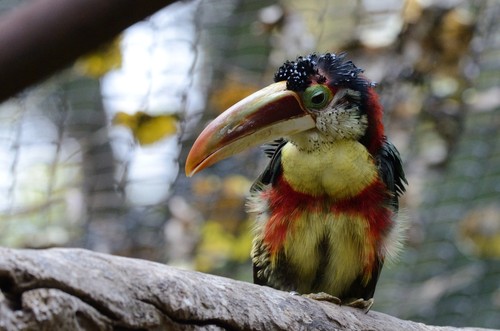
Curl-crested Aracari
41-46 cm (16-18 in) long, including a long bill and tail
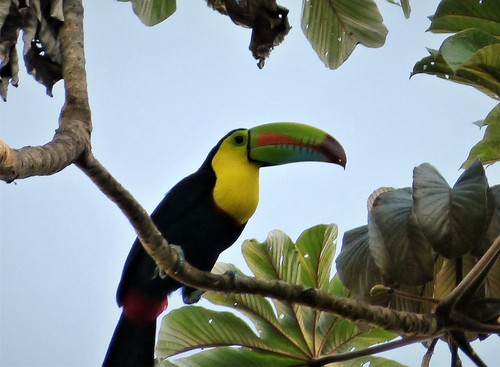
Keel-billed Toucan
42-55 cm (17-22 in) long including bill
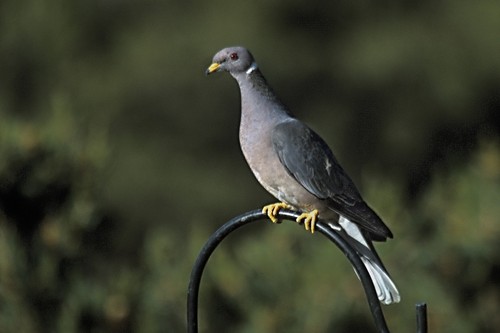
Band-tailed Pigeon
33-38 cm (13-15 in) long, wingspan about 66 cm (26 in)
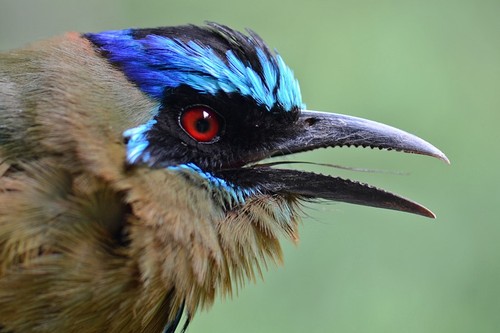
Blue-crowned Motmot
38-43 cm (15-17 in) long including tail
White-tipped Dove
27-30 cm (10.5-12 in) long, 38-43 cm wingspan
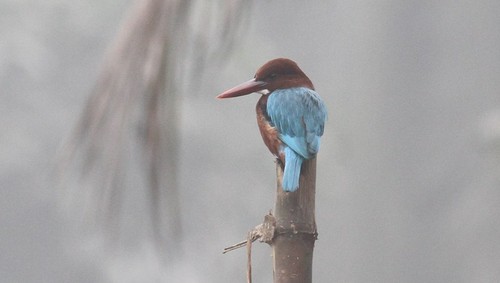
White-throated Kingfisher
27-28 cm (10.5-11 in) long
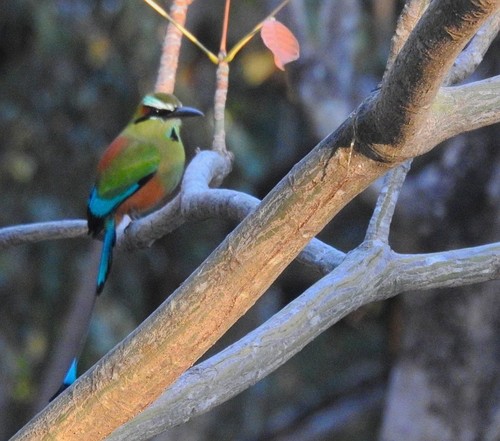
Turquoise-browed Motmot
34 cm (13 in) long including tail
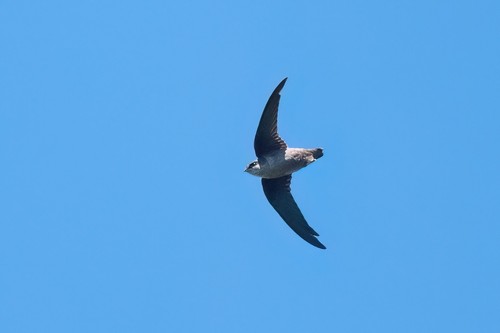
Vaux's Swift
10-12 cm (4-4.5 in) long, 27-30 cm wingspan
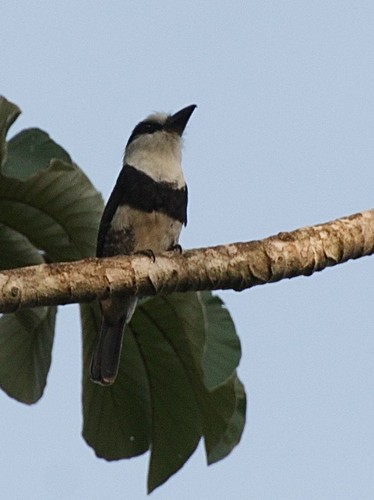
White-necked Puffbird
22-24 cm (8.5-9.5 in) long
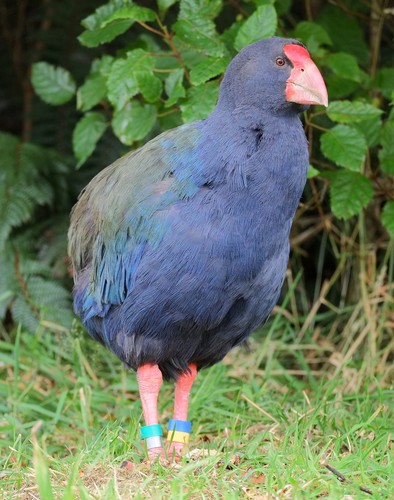
Takahe
50 cm (20 in) long, up to 3.5 kg; flightless
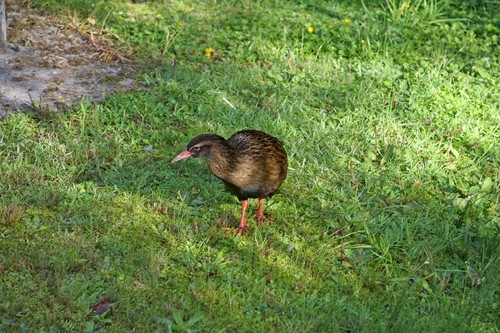
Weka
50-60 cm (20-24 in) long; flightless