
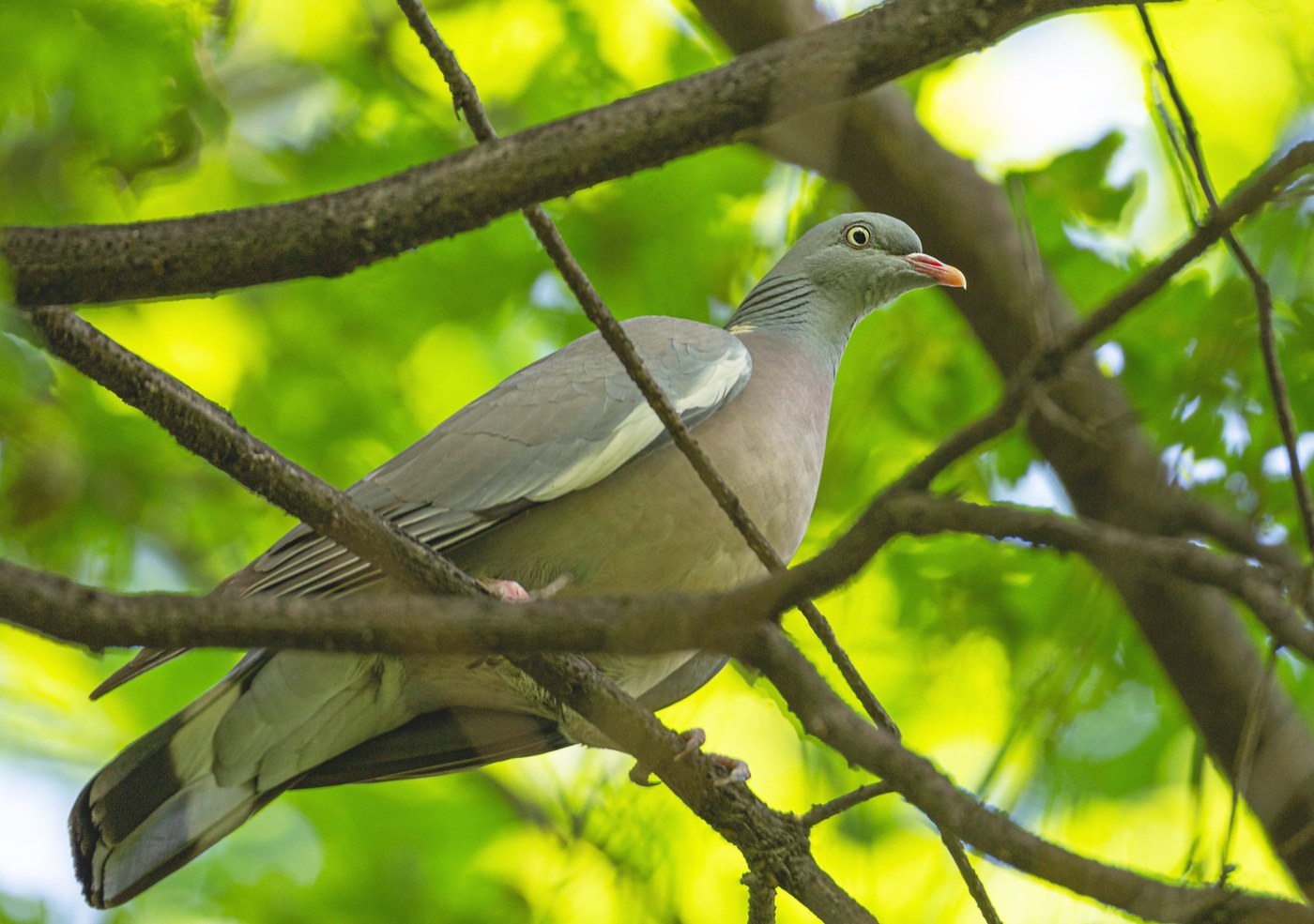
Common Wood Pigeon
Columba palumbus
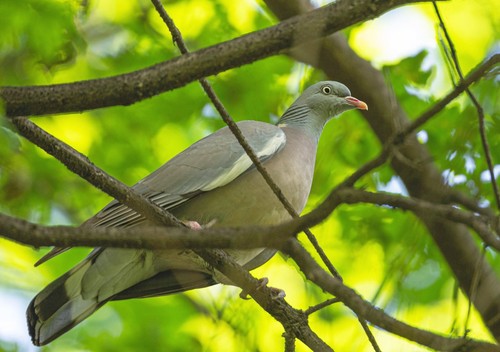
Europe's largest and most common pigeon, a plump gray bird with a white neck patch and bold white wing bars visible in flight.
- Size
- 38-43 cm (15-17 in) long, 68-80 cm wingspan
- Habitat
- woodlands, farmland, parks, and gardens
- Type
- other
Spotted a bird like this?
Identify any bird from a photo, free.
Overview
The Common Wood Pigeon is a large, plump pigeon with soft blue-gray plumage, a pinkish-buff breast, and a distinctive white patch on each side of the neck (absent in juveniles), bordered by an iridescent green-and-purple sheen. In flight, bold white bars across the upper wing are immediately obvious and are among the most reliable identification features.
Once primarily a shy woodland bird, it has become one of the most familiar and abundant birds in parks, farmland, and gardens across much of Europe, often seen in large flocks feeding in fields.
How to identify it
Key field marks
- Large, plump build, the largest common European pigeon
- White patch on the sides of the neck (adults only)
- Bold white wing bars, very obvious in flight
- Pinkish-buff breast, blue-gray body
Similar species
- Stock Dove is smaller, lacks the white neck patch and white wing bars, showing only two short black wing bars instead.
- Rock Dove/Feral Pigeon is smaller and more variable in color, lacking the clean white neck patch.
Habitat & range
Habitat
Originally a woodland species, now equally common in farmland, hedgerows, parks, and gardens, including city centers.
Range
Widespread across Europe, North Africa, and western Asia.
Migration
Partially migratory; some northern and eastern populations move south in winter, forming large migrating flocks, while many western European birds are resident.
Behavior & voice
Behavior
Often seen in large flocks, especially in farmland during winter; clatters noisily out of trees when flushed and performs a display flight involving steep climbs, wing claps, and gliding descents.
Voice
A soft, rhythmic cooing song, often rendered as "coo-COO-coo, coo-coo," repeated persistently, especially in spring and summer.
Feeding
Eats seeds, grain, leaves, buds, and berries, foraging both on the ground in fields and in trees and shrubs.
Nesting
Builds a flimsy platform nest of twigs in a tree or dense hedge; typically lays 2 white eggs, and may raise several broods per year.
Frequently asked questions
How do you identify a Common Wood Pigeon?
Look for a large, plump gray pigeon with a white patch on each side of the neck and bold white bars across the wings, most visible in flight.
What is the difference between a Wood Pigeon and a Stock Dove?
The Wood Pigeon is larger with a white neck patch and bold white wing bars, while the Stock Dove is smaller, lacks the neck patch, and shows only short black wing bars.
What does a Wood Pigeon's call sound like?
A soft, rhythmic, repeated cooing, often described as "coo-COO-coo, coo-coo," heard frequently in spring and summer.
Where do Wood Pigeons live?
Across woodlands, farmland, parks, and gardens throughout Europe, North Africa, and western Asia, including many city centers.
Common Wood Pigeon guides
In-depth guides for identifying, finding, and understanding Common Wood Pigeon.
Other birds you may enjoy
Kiwi
35-55 cm (14-22 in) long; roughly chicken-sized
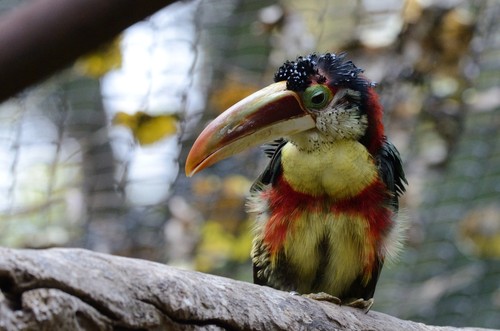
Curl-crested Aracari
41-46 cm (16-18 in) long, including a long bill and tail
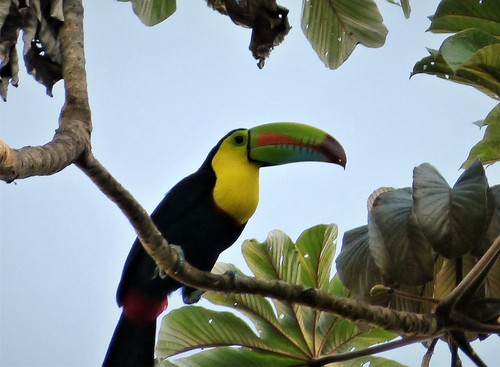
Keel-billed Toucan
42-55 cm (17-22 in) long including bill
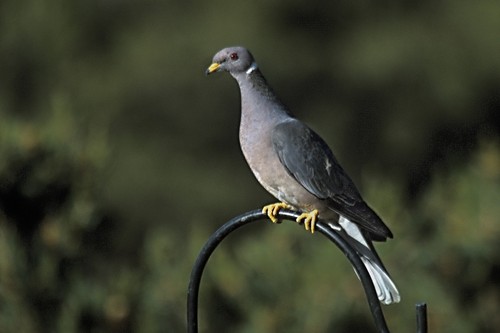
Band-tailed Pigeon
33-38 cm (13-15 in) long, wingspan about 66 cm (26 in)
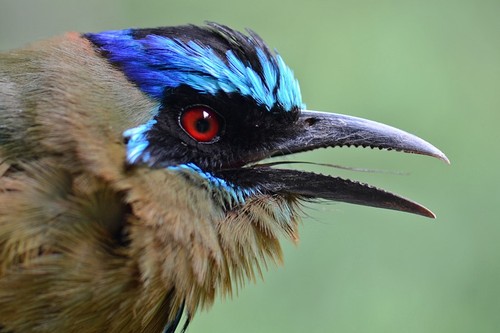
Blue-crowned Motmot
38-43 cm (15-17 in) long including tail
White-tipped Dove
27-30 cm (10.5-12 in) long, 38-43 cm wingspan

White-throated Kingfisher
27-28 cm (10.5-11 in) long
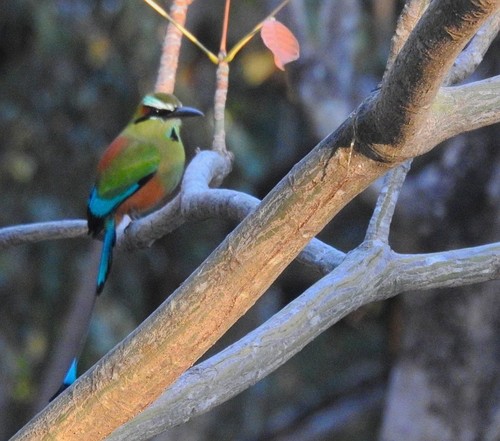
Turquoise-browed Motmot
34 cm (13 in) long including tail
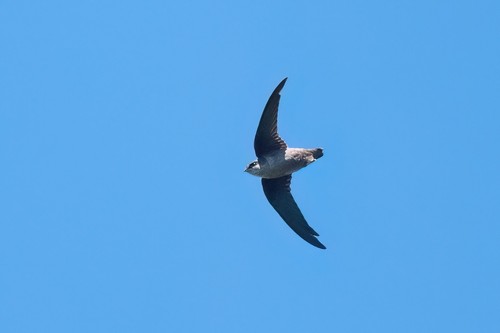
Vaux's Swift
10-12 cm (4-4.5 in) long, 27-30 cm wingspan
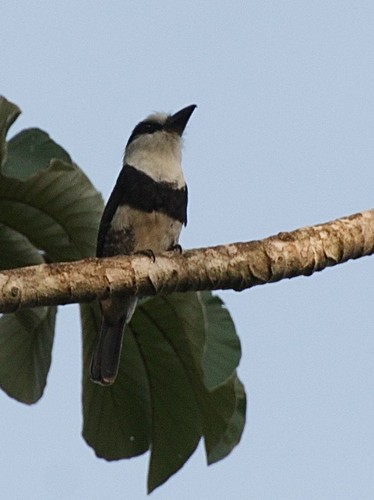
White-necked Puffbird
22-24 cm (8.5-9.5 in) long
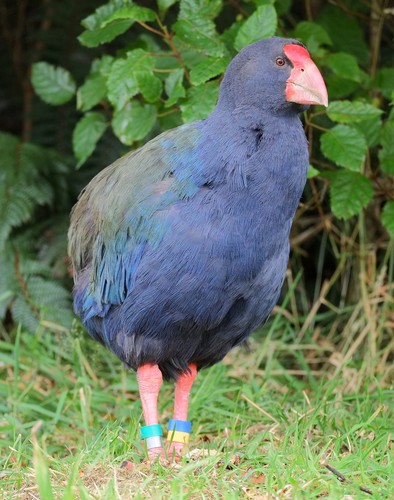
Takahe
50 cm (20 in) long, up to 3.5 kg; flightless
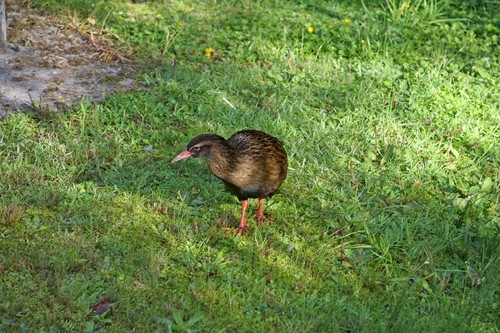
Weka
50-60 cm (20-24 in) long; flightless