
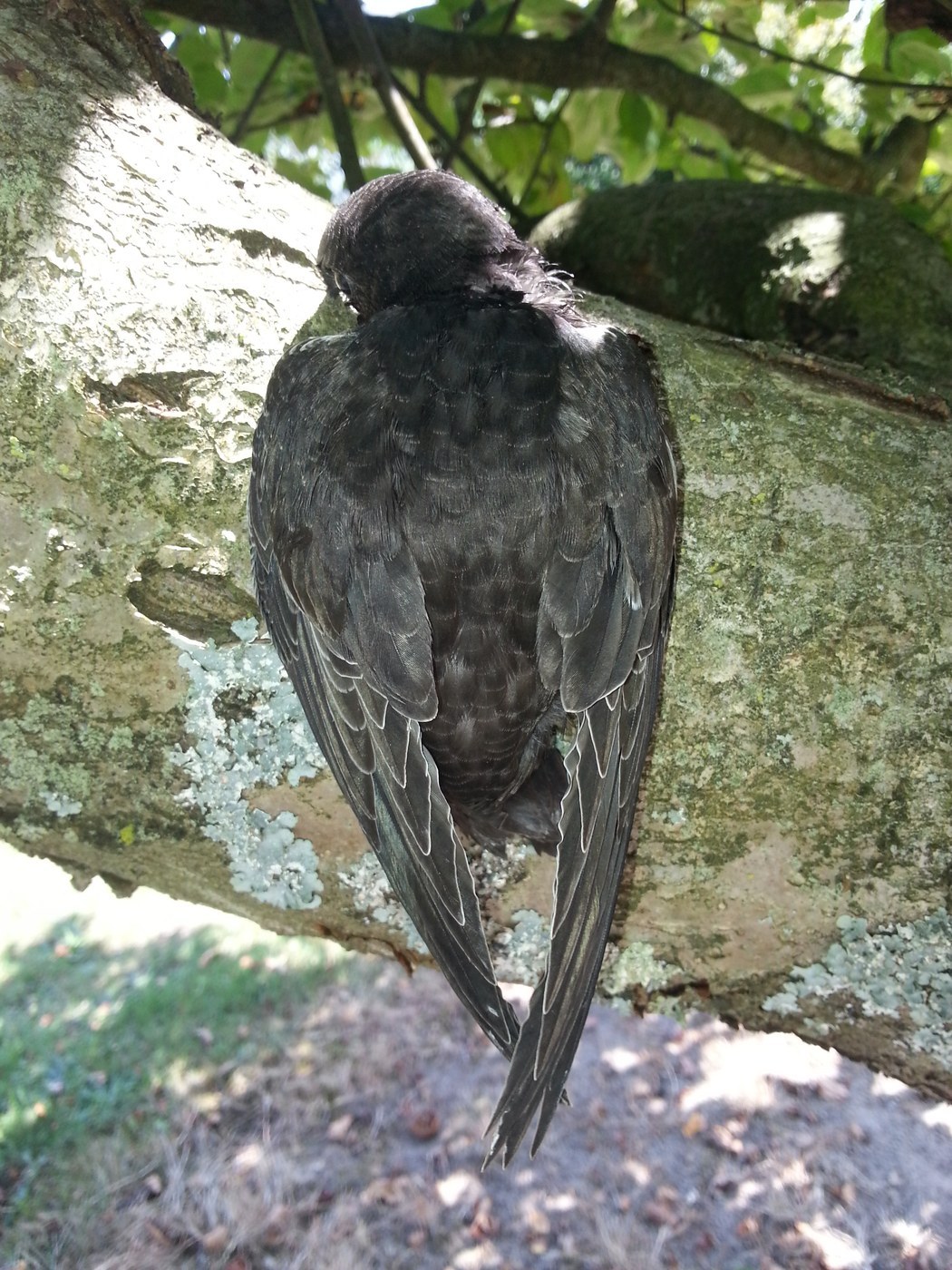
Common Swift
Apus apus
A sooty-brown, scythe-winged aerial specialist that spends nearly its entire life airborne, screaming past rooftops in fast, wheeling parties.
- Size
- 16-17 cm (6.5 in) long, 38-40 cm wingspan
- Habitat
- aerial over towns, cities, farmland, and open country; nests in buildings and cliffs
- Type
- other
Spotted a bird like this?
Identify any bird from a photo, free.
Overview
The Common Swift is a master of aerial life, so committed to flight that it eats, sleeps, and even mates on the wing, only landing to nest. It appears almost entirely sooty-black at a distance, with a slightly paler throat visible at close range, a short forked tail, and long, narrow, curved wings that give it a distinctive anchor or boomerang silhouette in flight.
Swifts are unrelated to swallows and martins despite superficial similarity; their closest relatives are hummingbirds. Parties of screaming swifts racing low around buildings on summer evenings are one of the most familiar sounds of the northern hemisphere skies.
How to identify it
Key field marks
- All-dark sooty-brown plumage, appearing black in flight, with a small pale throat patch
- Long, narrow, sickle-shaped wings and a short, shallowly forked tail
- Extremely fast, stiff-winged flight with bursts of rapid beats and long glides
- Never perches on wires or the ground; only lands to enter a nest cavity
Similar species
Swallows and martins have more fluttering flight, forked tails often with white markings, and pale underparts; swifts are uniformly dark and fly with stiffer, more scything wingbeats. The larger Alpine Swift shows a white belly and throat separated by a brown breast band.
Habitat & range
Range
Breeds across Europe, North Africa, and much of temperate Asia; winters in sub-Saharan Africa.
Habitat
Forages over almost any open habitat -- towns, farmland, wetlands, and mountains -- wherever flying insects are abundant. Nests almost exclusively in cavities in buildings (under roof tiles, in eaves) or, historically, in cliffs and old trees.
Migration
A long-distance migrant, wintering in Africa; remarkably, non-breeding immature swifts may remain continuously airborne for months at a time, including through the night, without landing.
Behavior & voice
Behavior
Almost entirely aerial, swifts feed, drink, collect nesting material, and even sleep on the wing, descending only to nest. Parties gather in fast, screaming chases around nest sites at dusk, known as "screaming parties."
Voice
A loud, shrill screaming call given in flight, especially during social chases around nesting colonies; largely silent away from the nest site.
Feeding
Catches flying insects and airborne spiders in its wide gape while in continuous flight, often foraging at considerable heights or ranging many kilometers from the nest.
Nesting and breeding
Nests in cavities in buildings, laying 2-3 eggs on a small pad of feathers and airborne debris glued together with saliva. Both parents incubate and feed the young, which can survive short periods of starvation by entering a state of torpor during cold, insect-poor weather.
Frequently asked questions
Do Common Swifts ever land?
They land only to nest; otherwise they eat, drink, and even sleep in flight, and non-breeding birds can stay airborne continuously for months.
Are swifts related to swallows?
No, despite similar aerial lifestyles, swifts are more closely related to hummingbirds than to swallows and martins, which are songbirds.
Why do swifts scream around buildings in summer?
Groups chase each other at high speed around nesting colonies at dusk in noisy "screaming parties," a social and territorial behavior.
What do Common Swifts eat?
They feed exclusively on flying insects and airborne spiders caught on the wing, sometimes foraging far from the nest at considerable altitude.
Common Swift guides
In-depth guides for identifying, finding, and understanding Common Swift.
Other birds you may enjoy
Kiwi
35-55 cm (14-22 in) long; roughly chicken-sized
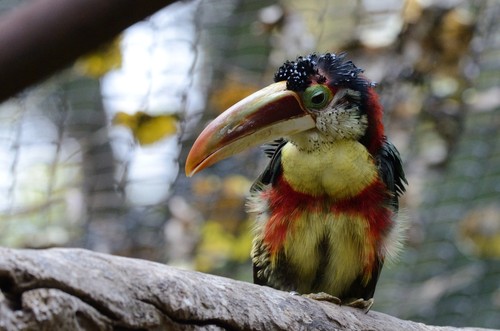
Curl-crested Aracari
41-46 cm (16-18 in) long, including a long bill and tail
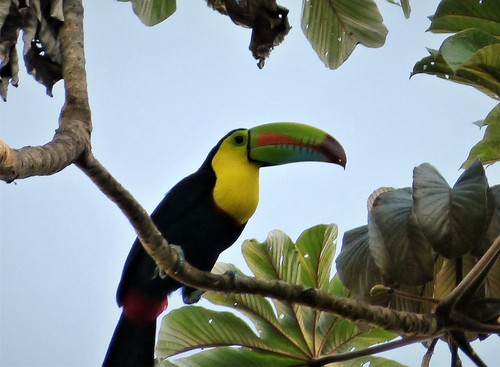
Keel-billed Toucan
42-55 cm (17-22 in) long including bill
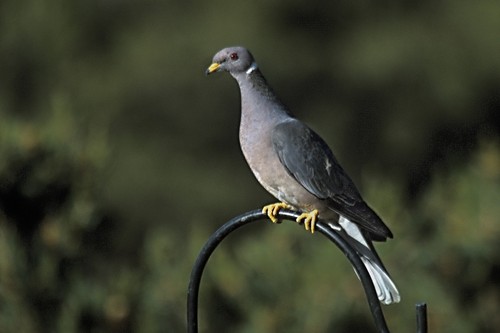
Band-tailed Pigeon
33-38 cm (13-15 in) long, wingspan about 66 cm (26 in)
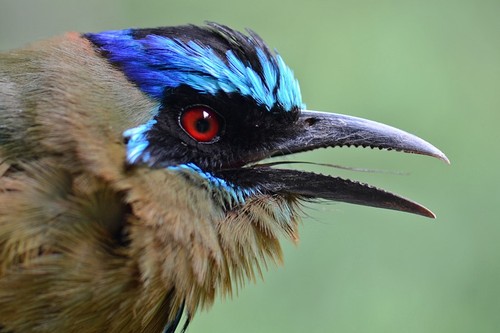
Blue-crowned Motmot
38-43 cm (15-17 in) long including tail
White-tipped Dove
27-30 cm (10.5-12 in) long, 38-43 cm wingspan
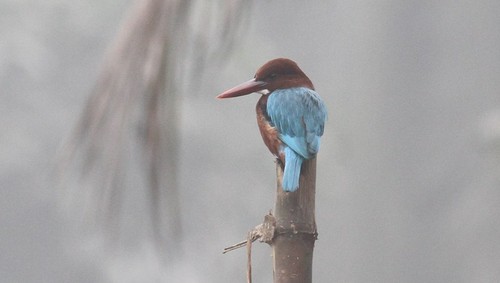
White-throated Kingfisher
27-28 cm (10.5-11 in) long
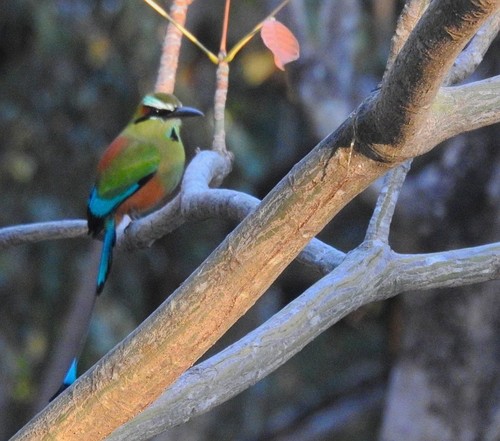
Turquoise-browed Motmot
34 cm (13 in) long including tail
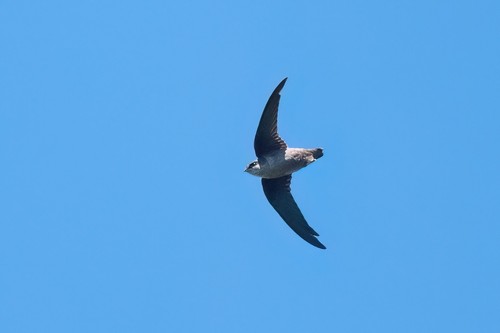
Vaux's Swift
10-12 cm (4-4.5 in) long, 27-30 cm wingspan
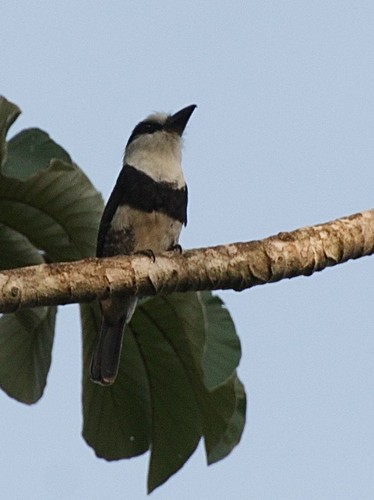
White-necked Puffbird
22-24 cm (8.5-9.5 in) long
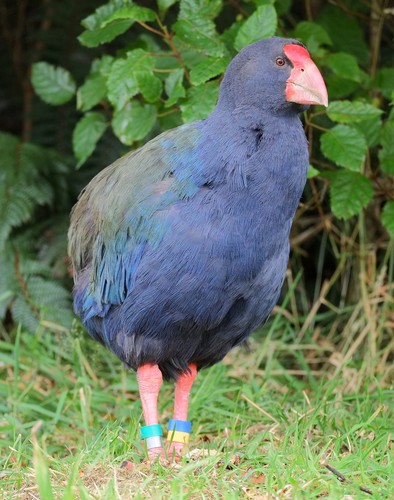
Takahe
50 cm (20 in) long, up to 3.5 kg; flightless
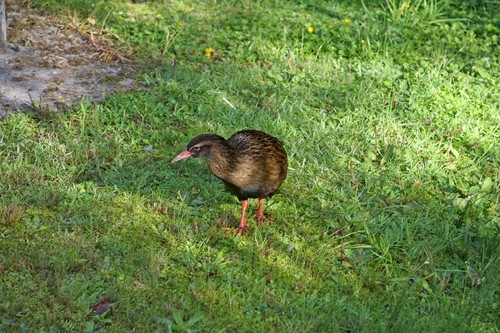
Weka
50-60 cm (20-24 in) long; flightless