
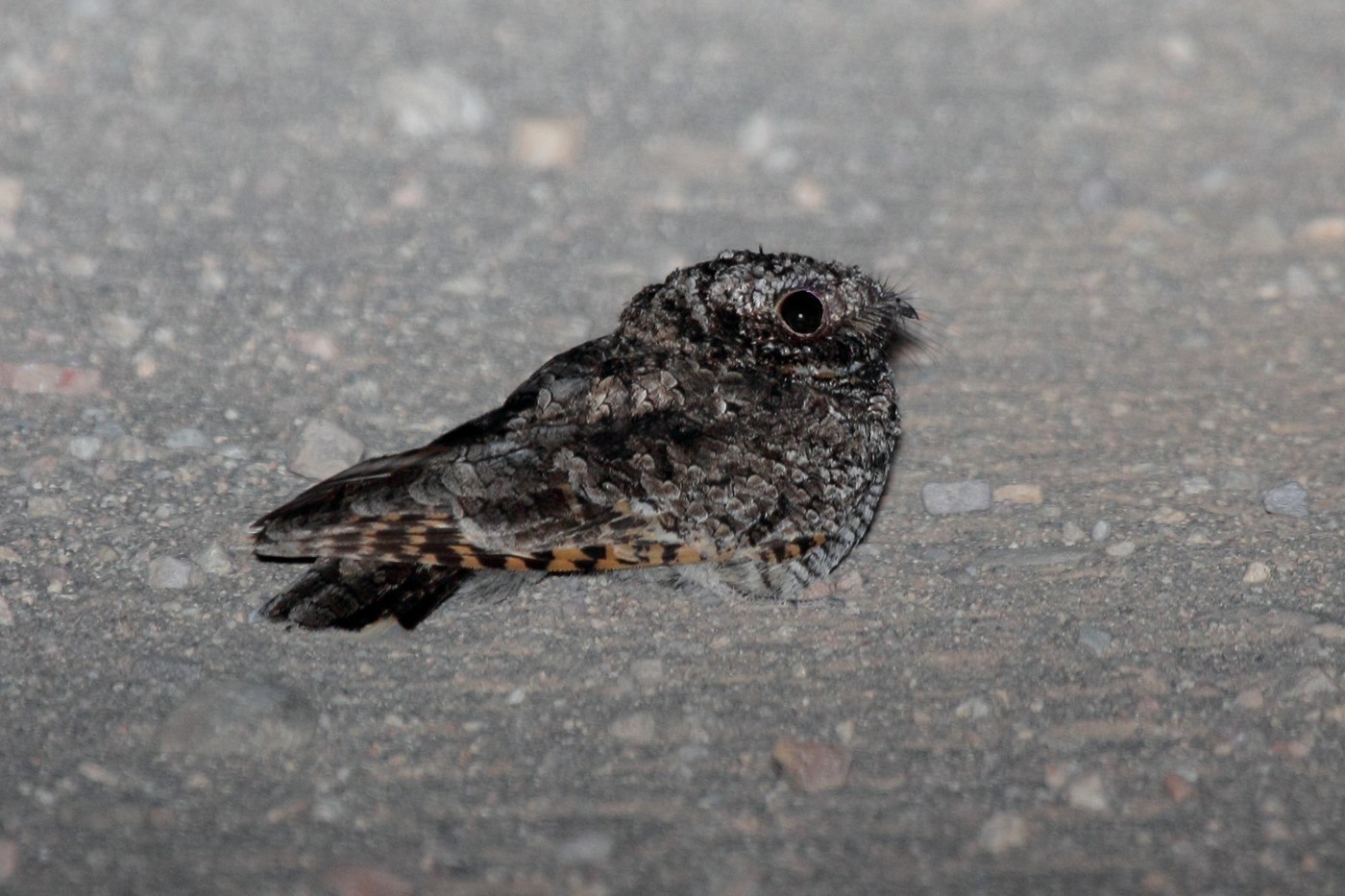
Common Poorwill
Phalaenoptilus nuttallii
A small, cryptic desert nightjar uniquely known for entering a hibernation-like torpor to survive cold weather.
- Size
- 18-20 cm (7-8 in) long, 33-40 cm wingspan
- Habitat
- arid scrub, rocky hillsides, and open chaparral
- Type
- other
Spotted a bird like this?
Identify any bird from a photo, free.
Overview
The Common Poorwill is the smallest nightjar in North America and is famous among ornithologists as the only bird species confirmed to enter prolonged torpor resembling hibernation, allowing it to survive cold periods when insect prey is scarce. Its plumage is finely mottled in shades of gray, brown, and black, providing near-perfect camouflage against rocky or gravelly ground. Compared to other nightjars, it has shorter, more rounded wings and a shorter tail, giving it a compact, chunky silhouette.
How to identify it
Key Field Marks
- Small, compact nightjar with short, rounded wings and a short tail
- Finely mottled gray-brown-black plumage, excellent camouflage
- White throat band and white tail corners
- Repetitive, whistled "poor-will" or "poor-will-ip" song given at night
Similar Species
- Common Nighthawk and Lesser Nighthawk have long, pointed wings and fly higher and more erratically; the Poorwill flies low with fluttering wingbeats.
- Whip-poor-wills and Chuck-will's-widow are larger with proportionally longer tails and different, longer songs.
Habitat & range
Habitat
Common Poorwills favor arid and semi-arid habitats, including rocky hillsides, desert scrub, sagebrush flats, and open pine or oak woodland edges.
Range
They breed across much of the western United States, from southern Canada south through Mexico.
Migration
Many populations are migratory, moving south into Mexico for winter, but some individuals in milder areas remain resident, and it is the species in which torpor was first scientifically documented as a way to survive periods of cold and food scarcity.
Behavior & voice
Behavior
Common Poorwills are nocturnal, resting motionless and camouflaged on the ground by day and becoming active to hunt insects at dusk and through the night.
Voice
The repetitive, whistled "poor-will" song, often with a soft trailing note, is given persistently on warm nights and is the easiest way to detect the species.
Feeding
They hunt flying insects such as moths and beetles by sallying from the ground or a low perch, often along roads or open patches where prey is easier to spot.
Nesting
No nest is built; eggs are laid directly on bare ground, gravel, or leaf litter, relying on cryptic plumage for protection.
Frequently asked questions
Why is the Common Poorwill famous among scientists?
It is the only bird species documented to enter extended torpor similar to hibernation, dropping its body temperature and metabolism for days or weeks during cold weather to conserve energy.
How can you tell a Common Poorwill is nearby at night?
Listen for its persistent, whistled "poor-will" call repeated over and over, often from open ground or a low perch after dusk.
How is the Common Poorwill different from a Whip-poor-will?
The Poorwill is smaller and shorter-tailed, has a shorter two-note song, and prefers drier, more open habitat than the longer-tailed whip-poor-wills.
What does a Common Poorwill eat?
It feeds on night-flying insects such as moths and beetles, caught in short sallying flights from the ground.
Common Poorwill guides
In-depth guides for identifying, finding, and understanding Common Poorwill.
Other birds you may enjoy
Kiwi
35-55 cm (14-22 in) long; roughly chicken-sized
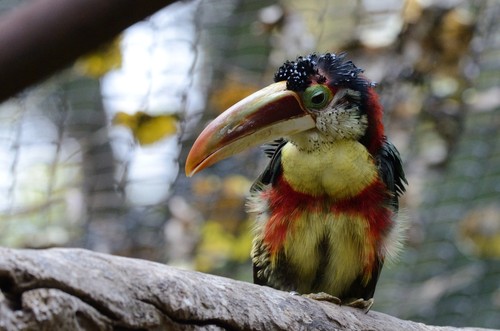
Curl-crested Aracari
41-46 cm (16-18 in) long, including a long bill and tail
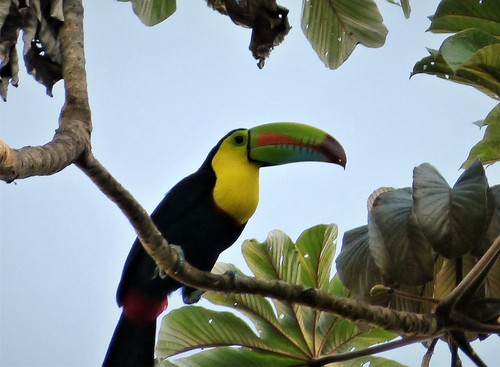
Keel-billed Toucan
42-55 cm (17-22 in) long including bill
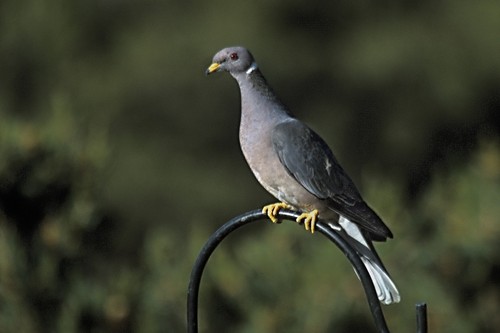
Band-tailed Pigeon
33-38 cm (13-15 in) long, wingspan about 66 cm (26 in)
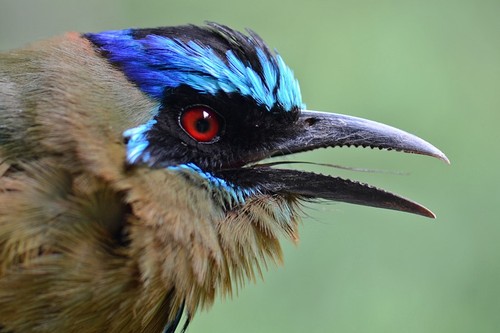
Blue-crowned Motmot
38-43 cm (15-17 in) long including tail
White-tipped Dove
27-30 cm (10.5-12 in) long, 38-43 cm wingspan
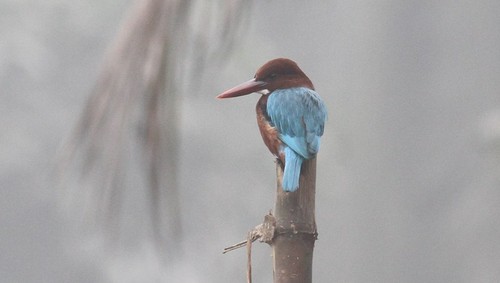
White-throated Kingfisher
27-28 cm (10.5-11 in) long
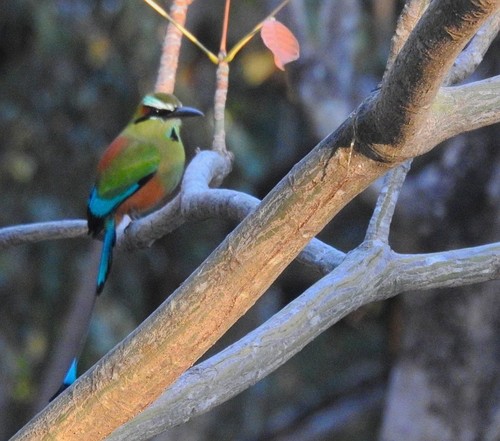
Turquoise-browed Motmot
34 cm (13 in) long including tail
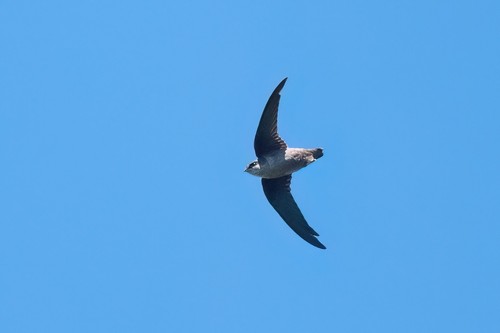
Vaux's Swift
10-12 cm (4-4.5 in) long, 27-30 cm wingspan
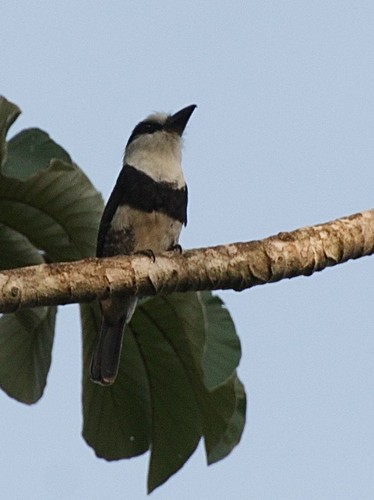
White-necked Puffbird
22-24 cm (8.5-9.5 in) long
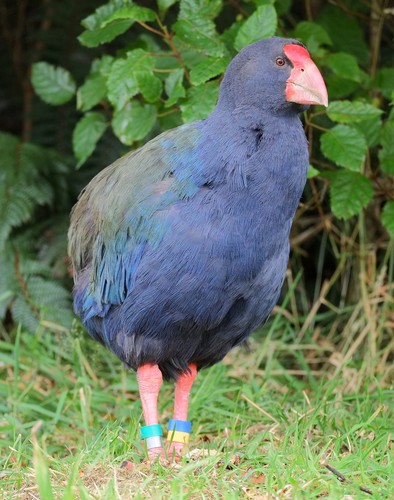
Takahe
50 cm (20 in) long, up to 3.5 kg; flightless
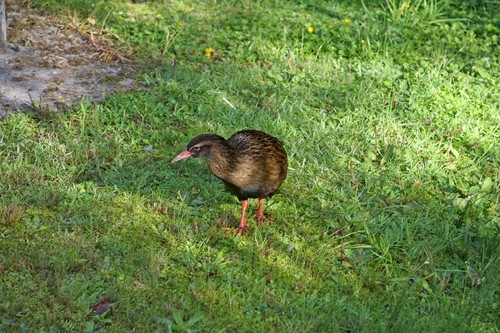
Weka
50-60 cm (20-24 in) long; flightless