
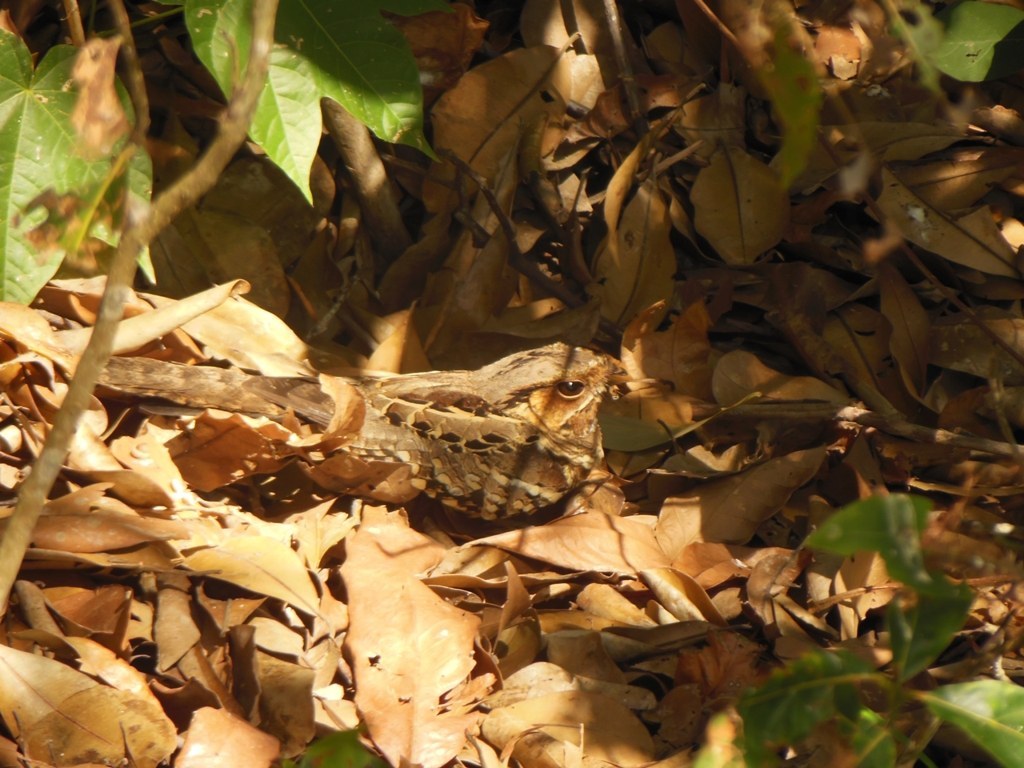
Common Pauraque
Nyctidromus albicollis
A resident Rio Grande Valley nightjar often spotted along roadsides at night by its reflective red eyeshine.
- Size
- 22-30 cm (9-12 in) long, 40-50 cm wingspan
- Habitat
- brushy woodland edges and thickets near open ground
- Type
- other
Spotted a bird like this?
Identify any bird from a photo, free.
Overview
The Common Pauraque is a nonmigratory nightjar found in the United States only in the brushy woodlands of the far southern Texas Gulf Coast. Its plumage is an intricate mottled mix of brown, gray, and black, with rufous patches on the wings, providing outstanding camouflage among leaf litter by day. Males show conspicuous white patches in the outer tail feathers, most visible in flight or display. The species is most often encountered at night along quiet roads, where its eyes reflect a distinctive red glow in headlights, or heard giving its distinctive whistled call at dusk.
How to identify it
Key Field Marks
- Mottled brown-gray-black plumage with rufous patches on the wings
- Male: white patches in the outer tail feathers, conspicuous in flight
- Reflective red eyeshine at night, readily seen with a flashlight or headlights
- Distinctive, far-carrying whistled call: "wheer, wheer, whee-oo"
Similar Species
- Common Poorwill and Whip-poor-wills lack the rufous wing patches and have different calls.
- Common Nighthawk and Lesser Nighthawk have long, pointed wings and a distinctly different, erratic flight style, unlike the Pauraque's low, fluttering flight closer to the ground.
Habitat & range
Habitat
Common Pauraques favor brushy woodland edges, thickets, and clearings near open ground, often along roadsides and trails where they forage and rest.
Range
In the United States, they are found only in the Rio Grande Valley of extreme southern Texas, with the species ranging much more broadly through Mexico, Central America, and South America.
Migration
Unlike many North American nightjars, the Common Pauraque is nonmigratory, remaining resident year-round throughout its range.
Behavior & voice
Behavior
Common Pauraques are nocturnal, resting motionless and camouflaged on the ground by day, often along the edge of brush, and becoming active to forage at dusk and through the night.
Voice
The distinctive call, often rendered as "wheer, wheer, whee-oo," is given repeatedly at dusk and through the night and is a hallmark sound of the Rio Grande Valley.
Feeding
They catch night-flying insects such as moths and beetles in low, fluttering sallies from the ground, and are frequently seen along quiet roads at night where insects gather.
Nesting
No nest is built; the female lays her eggs directly on the ground in leaf litter near brushy cover, relying on cryptic plumage for protection.
Frequently asked questions
Where can you find a Common Pauraque in the United States?
It occurs in the U.S. only in the Rio Grande Valley of far southern Texas, where it is a year-round resident in brushy woodland habitat.
Why do Common Pauraques' eyes glow red at night?
Like many nocturnal birds, they have a reflective layer behind the retina (tapetum lucidum) that reflects light back, making their eyes glow red or orange in a flashlight or headlight beam.
What does a Common Pauraque sound like?
It gives a distinctive whistled call often rendered as "wheer, wheer, whee-oo," repeated at dusk and through the night.
Does the Common Pauraque migrate?
No, unlike most North American nightjars it is nonmigratory and remains resident year-round throughout its range.
Common Pauraque guides
In-depth guides for identifying, finding, and understanding Common Pauraque.
Other birds you may enjoy
Kiwi
35-55 cm (14-22 in) long; roughly chicken-sized
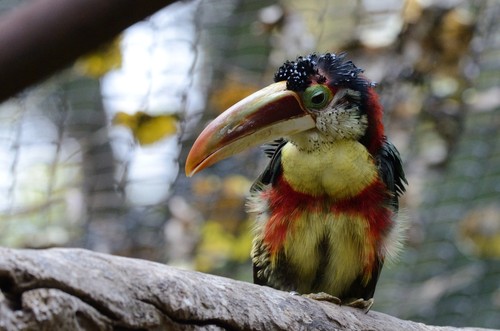
Curl-crested Aracari
41-46 cm (16-18 in) long, including a long bill and tail
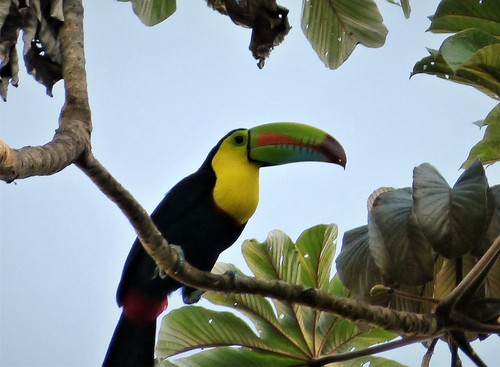
Keel-billed Toucan
42-55 cm (17-22 in) long including bill
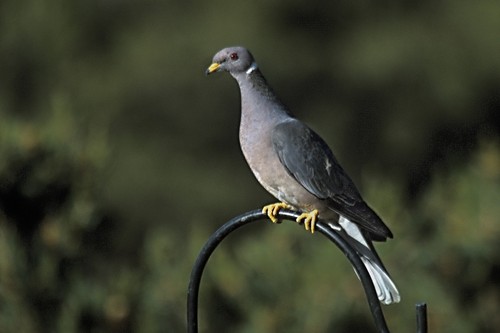
Band-tailed Pigeon
33-38 cm (13-15 in) long, wingspan about 66 cm (26 in)
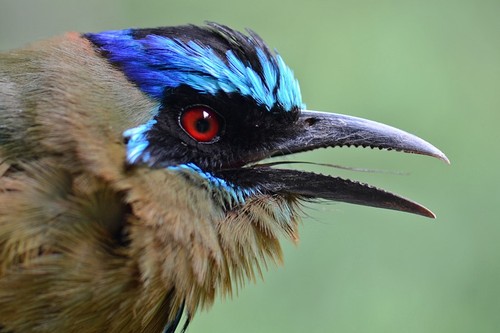
Blue-crowned Motmot
38-43 cm (15-17 in) long including tail
White-tipped Dove
27-30 cm (10.5-12 in) long, 38-43 cm wingspan
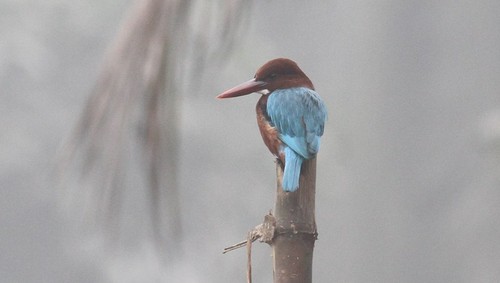
White-throated Kingfisher
27-28 cm (10.5-11 in) long
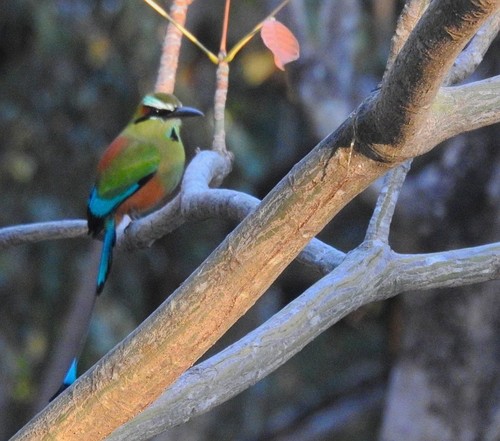
Turquoise-browed Motmot
34 cm (13 in) long including tail
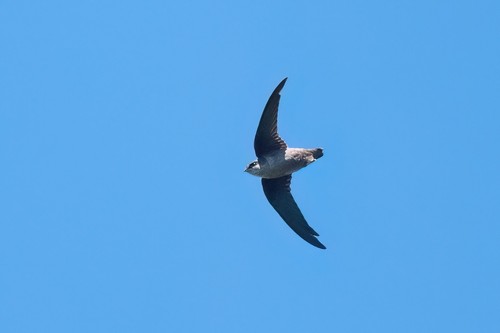
Vaux's Swift
10-12 cm (4-4.5 in) long, 27-30 cm wingspan
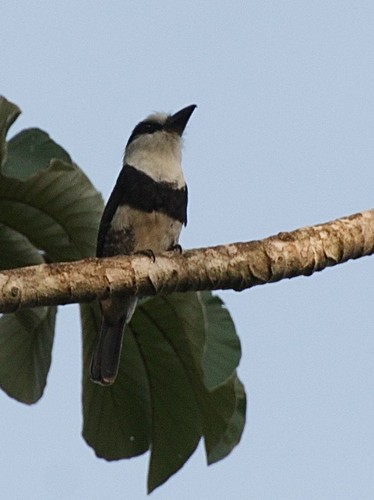
White-necked Puffbird
22-24 cm (8.5-9.5 in) long
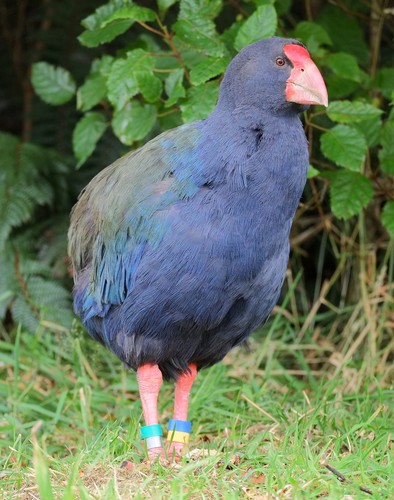
Takahe
50 cm (20 in) long, up to 3.5 kg; flightless
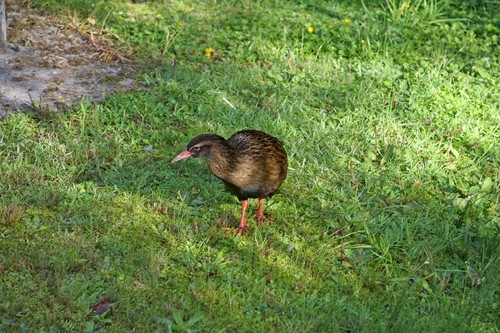
Weka
50-60 cm (20-24 in) long; flightless