
Common Ostrich
Struthio camelus
The world's largest and heaviest living bird, a flightless African ratite known for its long bare legs, tiny head, and remarkable running speed.
- Size
- Height 2.1-2.8 m (7-9 ft); weight 63-145 kg; the largest and heaviest living bird
- Habitat
- Open savanna, semi-arid plains, and desert edges of sub-Saharan Africa
- Type
- other
Spotted a bird like this?
Identify any bird from a photo, free.
Overview
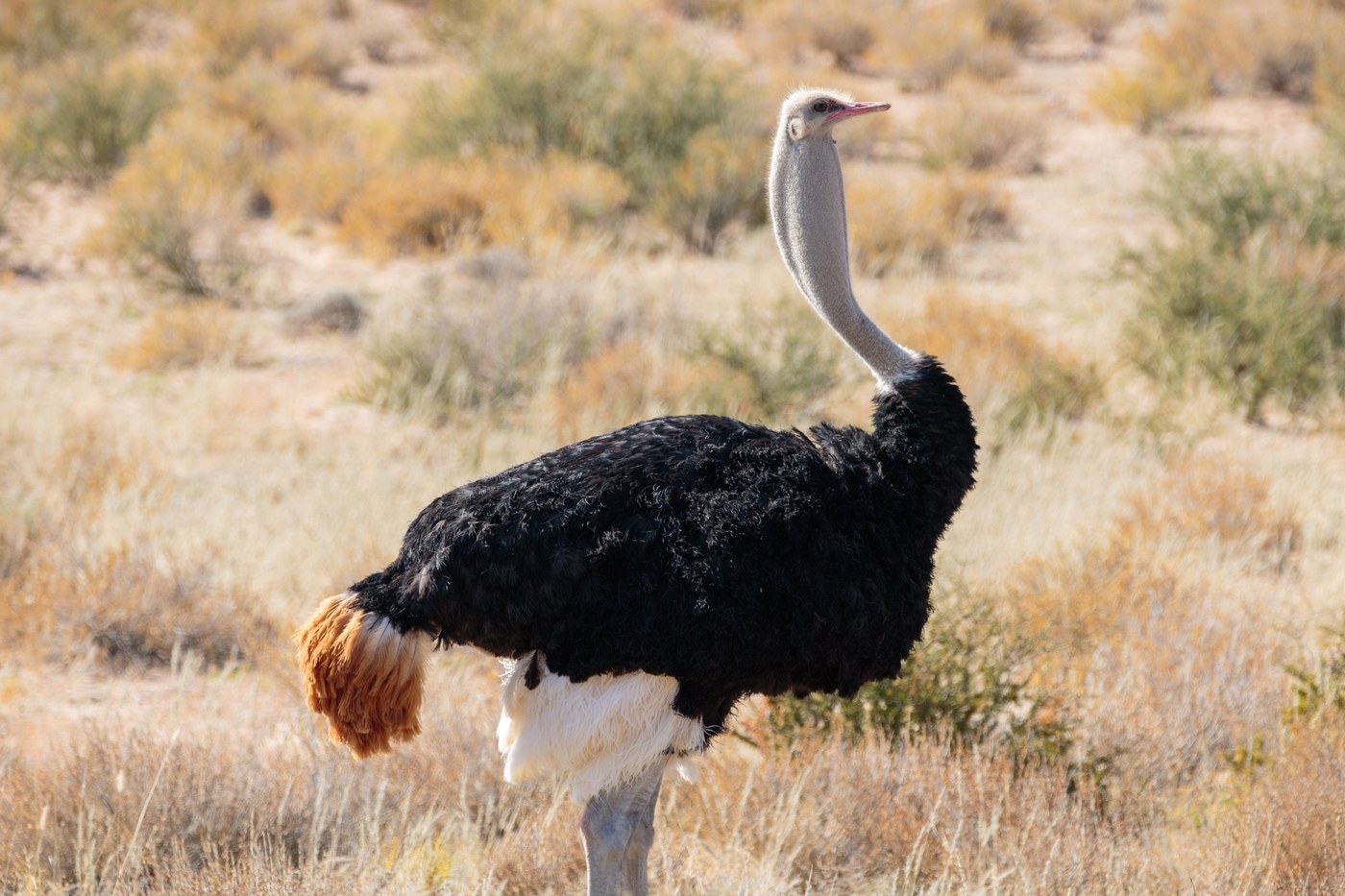
The Common Ostrich is the largest living bird species, a flightless ratite native to the open plains of Africa. Adult males have striking black body plumage with white wing and tail plumes, while females and juveniles are duller greyish-brown. Both sexes have a long, mostly bare pink or bluish neck, a small flattened head, large dark eyes, and powerful long legs built for speed rather than flight.
Appearance
- Massive body with a small head atop a long, flexible neck
- Males: glossy black body feathers with contrasting white flight and tail plumes
- Females and immatures: greyish-brown, more cryptic plumage
- Long, bare, muscular legs with only two toes on each foot, an adaptation unique among birds
- Wings are reduced but not vestigial, used for balance, cooling, and courtship display rather than flight
How to identify it
Key field marks
- Unmistakable size: no other bird approaches its height or bulk
- Bare, long pinkish or blue-grey neck and legs
- Two-toed feet, unique among birds
- Males show bold black-and-white plumage; females are sandy brown and blend into dry grassland
Similar species
No other bird is likely to be confused with an adult Ostrich due to its unique size and shape. Regional subspecies differ slightly in neck color (pink in some populations, blue-grey in others such as the Masai Ostrich) and in the presence or absence of a bare skin patch on the thigh.
Habitat & range
Habitat
Common Ostriches favor open, arid to semi-arid habitats including savanna, grassland, scrubland, and semi-desert, where their height allows them to spot predators at long range.
Range
They occur widely across sub-Saharan Africa, from the Sahel south through East Africa to southern Africa, with additional populations historically in North Africa (now largely extirpated in the wild there). Farmed and feral populations exist in other parts of the world.
Migration
Ostriches are largely sedentary, though they may wander nomadically over large home ranges in response to rainfall, food availability, and water sources.
Behavior & voice
Behavior
Ostriches are highly social outside the breeding season, often forming loose herds and frequently associating with grazing mammals such as zebras and antelope, which benefit from the birds' keen eyesight for spotting predators. They can sprint at speeds up to 70 km/h (43 mph) and deliver powerful, potentially dangerous kicks in self-defense.
Voice
Ostriches are usually silent but males produce a deep, booming roar during the breeding season, and both sexes make hissing sounds when threatened.
Feeding
They graze on grasses, seeds, leaves, and shrubs, occasionally taking insects, lizards, or other small animals; they swallow grit and pebbles to help grind food in the gizzard and can go without water for extended periods.
Nesting & breeding
Males are polygamous, mating with a dominant hen and several subordinate hens that all lay eggs in a single shared shallow ground scrape nest. Ostrich eggs are the largest of any living bird. The dominant male and hen share incubation duties, with the male typically incubating at night given his dark plumage offers better camouflage.
Frequently asked questions
Can an Ostrich fly?
No. Ostriches are completely flightless; their reduced wings are used for balance, courtship display, and thermoregulation instead.
How fast can an Ostrich run?
Ostriches can reach sprint speeds of up to about 70 km/h (43 mph), making them the fastest running bird.
Why does an Ostrich have only two toes?
Its two-toed foot is a unique adaptation among birds that improves stability and speed for high-speed running on open terrain.
Do Ostriches really bury their heads in the sand?
No, this is a myth. Ostriches lower their heads to the ground to turn their eggs or to appear less visible, which likely gave rise to the misconception.
What is the largest bird egg?
The Ostrich lays the largest egg of any living bird, though relative to its own body size the egg is actually among the smallest.
Common Ostrich guides
In-depth guides for identifying, finding, and understanding Common Ostrich.
Other birds you may enjoy
Kiwi
35-55 cm (14-22 in) long; roughly chicken-sized
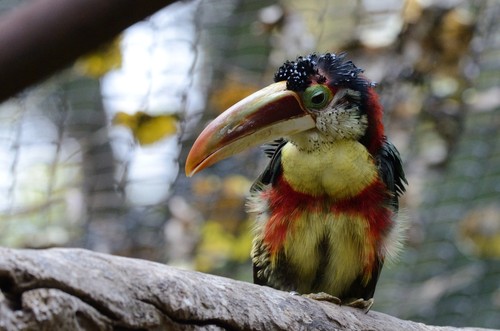
Curl-crested Aracari
41-46 cm (16-18 in) long, including a long bill and tail
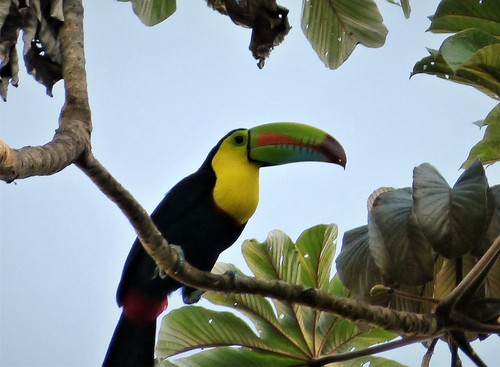
Keel-billed Toucan
42-55 cm (17-22 in) long including bill
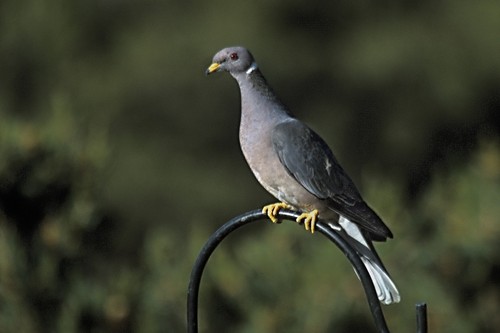
Band-tailed Pigeon
33-38 cm (13-15 in) long, wingspan about 66 cm (26 in)
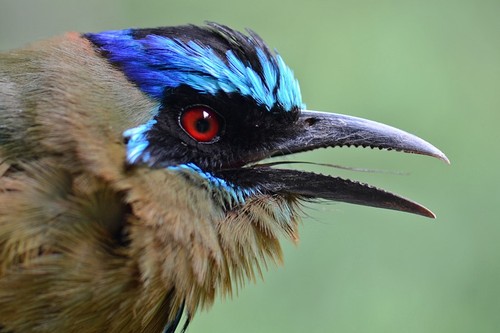
Blue-crowned Motmot
38-43 cm (15-17 in) long including tail
White-tipped Dove
27-30 cm (10.5-12 in) long, 38-43 cm wingspan
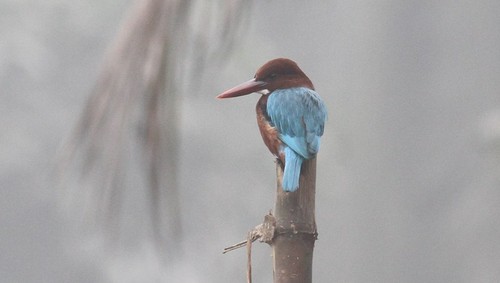
White-throated Kingfisher
27-28 cm (10.5-11 in) long
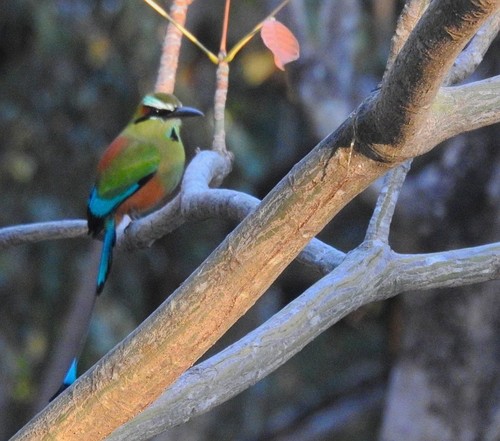
Turquoise-browed Motmot
34 cm (13 in) long including tail
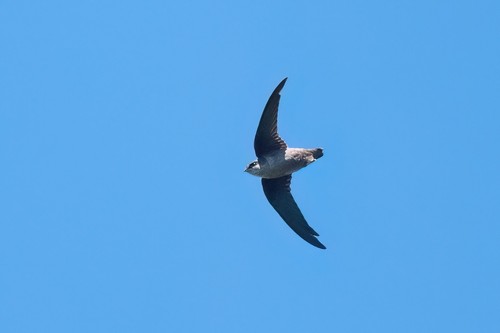
Vaux's Swift
10-12 cm (4-4.5 in) long, 27-30 cm wingspan
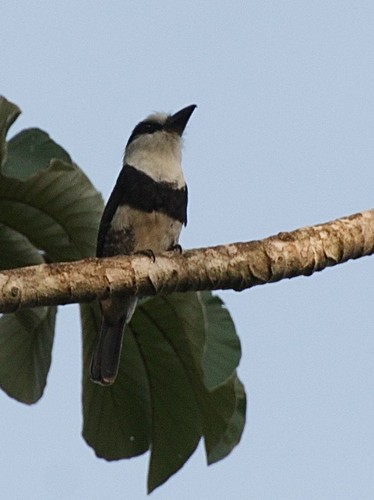
White-necked Puffbird
22-24 cm (8.5-9.5 in) long
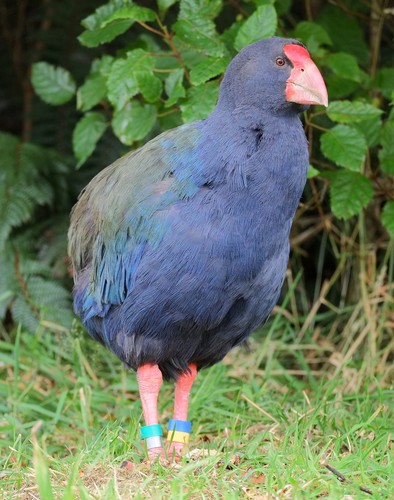
Takahe
50 cm (20 in) long, up to 3.5 kg; flightless
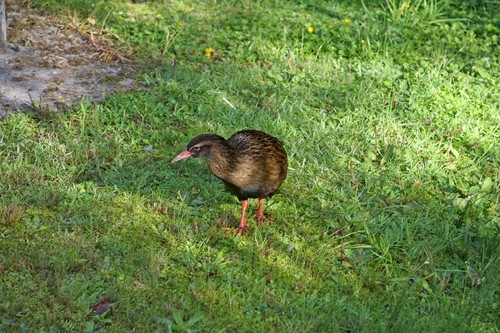
Weka
50-60 cm (20-24 in) long; flightless