
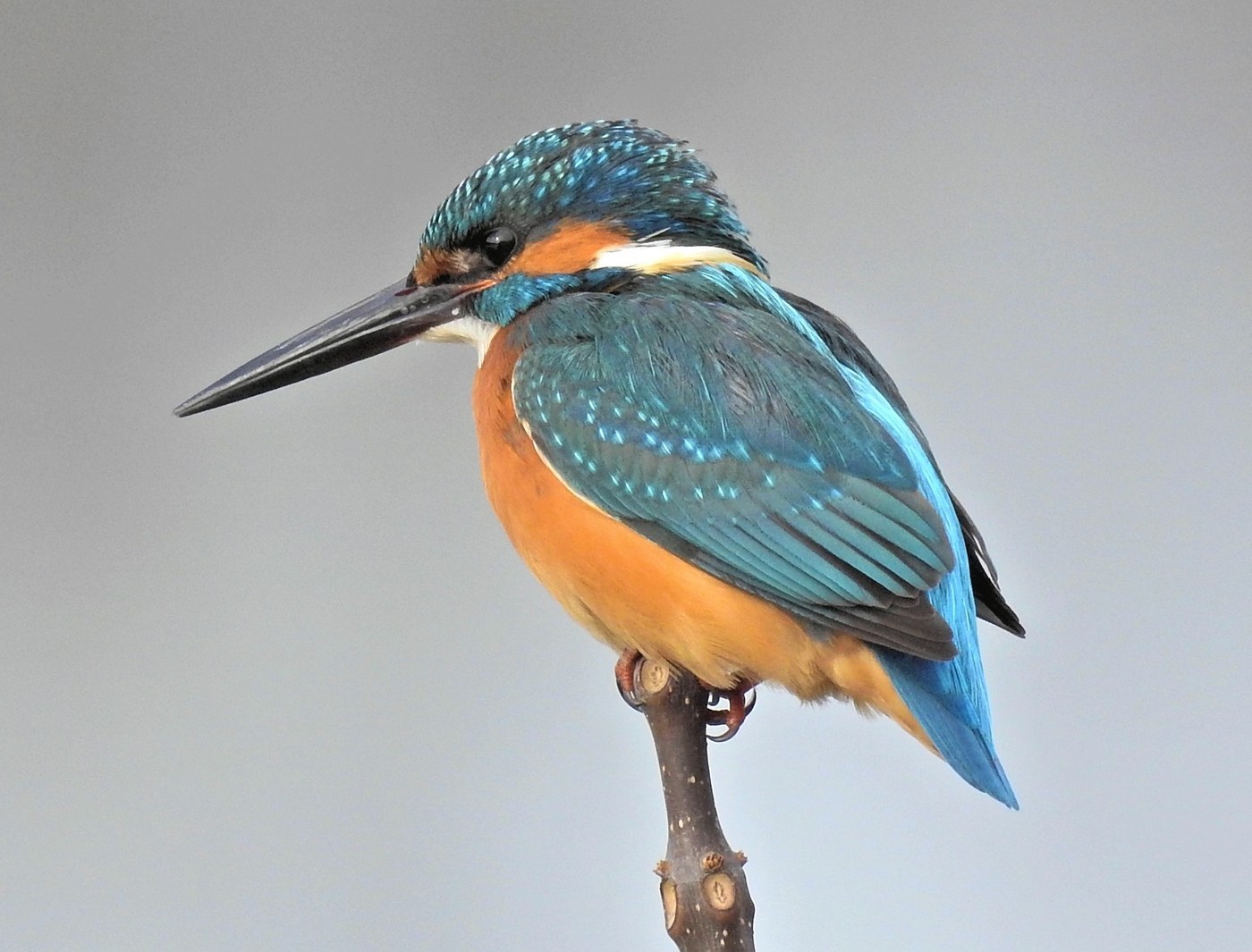
Common Kingfisher
Alcedo atthis
A vivid jewel-toned kingfisher with electric-blue upperparts and orange underparts, often glimpsed as a flash of color over slow-moving rivers and ponds.
- Size
- 16-17 cm (6.3-6.7 in) long, 24-26 cm wingspan
- Habitat
- rivers, streams, lakes, canals, and ponds across Eurasia and North Africa
- Type
- other
Spotted a bird like this?
Identify any bird from a photo, free.
Overview
The Common Kingfisher is one of the most dazzling small birds of Eurasian waterways, a compact, big-headed bird with a long dagger-like bill and a body that seems to glow with iridescent color. The upperparts shimmer in brilliant turquoise-blue, brightest along the back in flight, while the underparts are a warm rich orange. A white patch on the throat and neck sides, along with an orange or black bill depending on sex, complete a strikingly beautiful package packed into a bird barely larger than a sparrow.
Often detected first by its shrill, piercing call as it darts low and fast over the water, the Common Kingfisher is more often heard or briefly glimpsed than watched at length, perching quietly on overhanging branches or wires before plunging suddenly for prey.
How to identify it
Key field marks
- Brilliant turquoise-blue upperparts, especially vivid on the back
- Rich orange underparts and cheek patch
- White throat patch and neck spot
- Long, straight, dagger-shaped bill; black in males, with orange-red on the lower mandible in females
Similar species
- No other small bird across most of its Eurasian range shares this combination of electric blue and orange coloring.
- Pied Kingfisher is much larger and entirely black and white, easily separated by pattern alone.
- Juveniles are duller and greener above with a dark breast band, briefly resembling a washed-out adult before molting into full color.
Habitat & range
Common Kingfishers are found across a huge range spanning Europe, North Africa, and much of temperate to tropical Asia, generally near slow-flowing or still freshwater such as rivers, streams, canals, ponds, and lakes with clear water and suitable perches. They require earthen banks nearby in which to excavate nesting burrows.
Northern populations are migratory or partially migratory, moving south to escape freezing waters in winter, while populations in milder climates remain resident year-round; the species also occurs along sheltered coastal habitats outside the breeding season in some regions.
Behavior & voice
Behavior
Common Kingfishers hunt from a perch overlooking water, watching intently before diving headfirst to seize prey in their bill, often returning to the same perch to subdue and swallow the catch.
Voice
A sharp, shrill "chee" or "peep" call is frequently given in flight, often the first clue to a kingfisher's presence as it streaks past low over the water.
Feeding
Small fish form the bulk of the diet, supplemented by aquatic insects, tadpoles, and small crustaceans, captured in swift diving strikes from a perch or occasionally from hovering flight.
Nesting and breeding
Pairs excavate a long tunnel nest, often over half a meter deep, into a vertical earthen riverbank, ending in a small chamber where eggs are laid directly on the bare soil, sometimes lined with regurgitated fish bones over successive broods.
Frequently asked questions
How can you identify a Common Kingfisher?
Look for a small, compact bird with brilliant turquoise-blue upperparts, orange underparts, and a long straight bill, often seen as a fast blue streak over water.
Where does the Common Kingfisher live?
It ranges across Europe, North Africa, and much of Asia, wherever there are slow rivers, streams, canals, or ponds with clear water.
What does the Common Kingfisher eat?
Mainly small fish, along with aquatic insects, tadpoles, and crustaceans, caught by diving from a perch.
How do Common Kingfishers nest?
They excavate a long tunnel into an earthen riverbank, ending in a nesting chamber where eggs are laid on bare soil.
How can you tell a male from a female Common Kingfisher?
Males have an all-black bill, while females typically show orange-red coloring on the base of the lower mandible.
Common Kingfisher guides
In-depth guides for identifying, finding, and understanding Common Kingfisher.
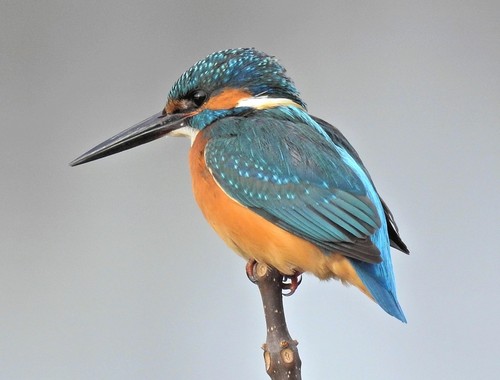
Common Kingfisher identified by the community
Real birds identified with Bird Identifier.
Other birds you may enjoy
Kiwi
35-55 cm (14-22 in) long; roughly chicken-sized
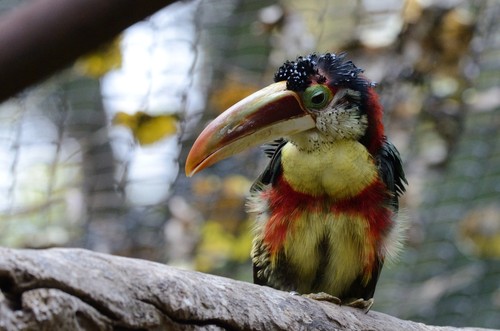
Curl-crested Aracari
41-46 cm (16-18 in) long, including a long bill and tail
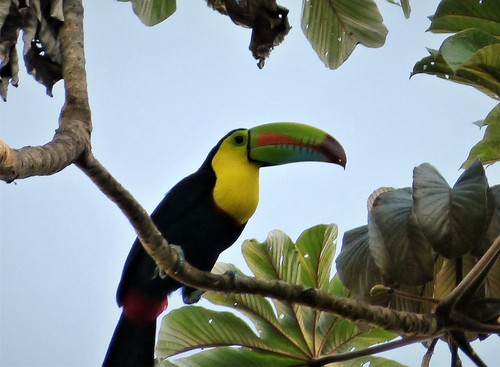
Keel-billed Toucan
42-55 cm (17-22 in) long including bill
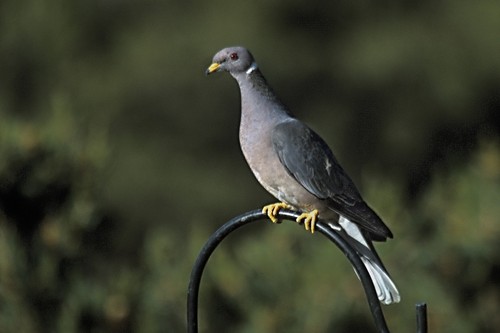
Band-tailed Pigeon
33-38 cm (13-15 in) long, wingspan about 66 cm (26 in)
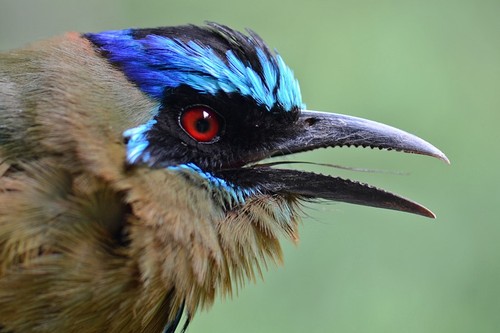
Blue-crowned Motmot
38-43 cm (15-17 in) long including tail
White-tipped Dove
27-30 cm (10.5-12 in) long, 38-43 cm wingspan
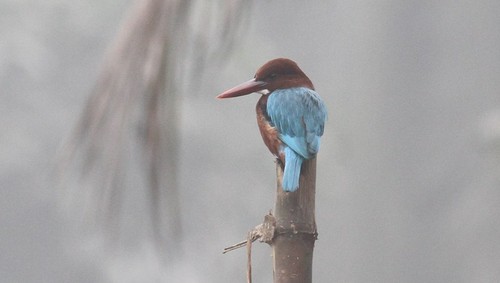
White-throated Kingfisher
27-28 cm (10.5-11 in) long
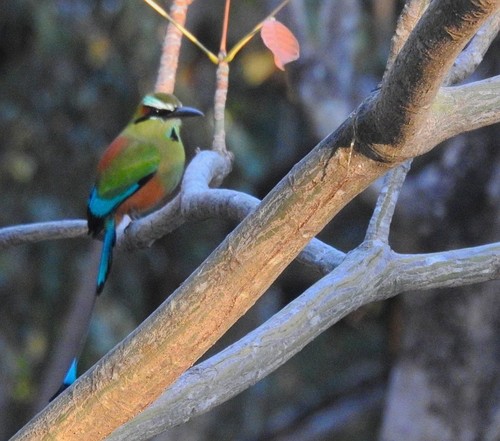
Turquoise-browed Motmot
34 cm (13 in) long including tail
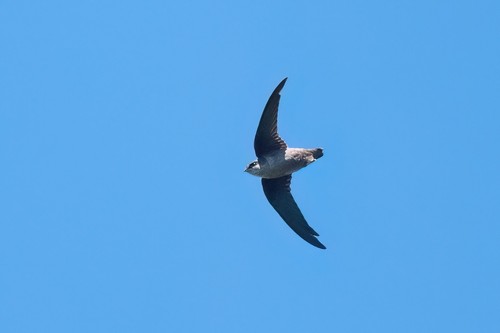
Vaux's Swift
10-12 cm (4-4.5 in) long, 27-30 cm wingspan
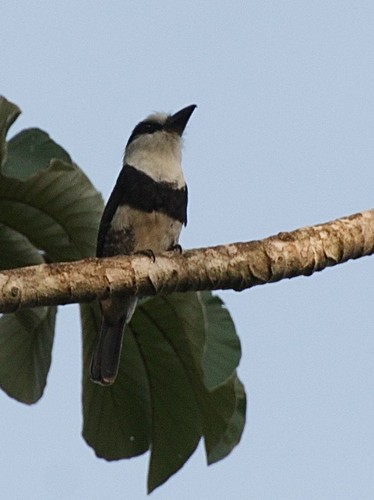
White-necked Puffbird
22-24 cm (8.5-9.5 in) long
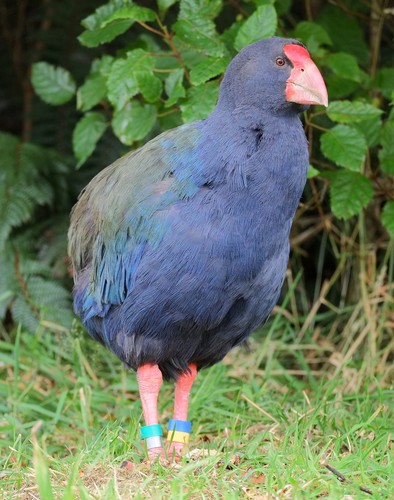
Takahe
50 cm (20 in) long, up to 3.5 kg; flightless
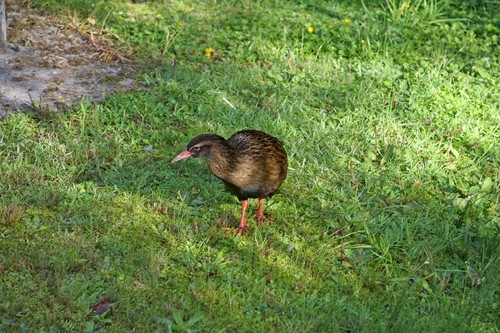
Weka
50-60 cm (20-24 in) long; flightless