
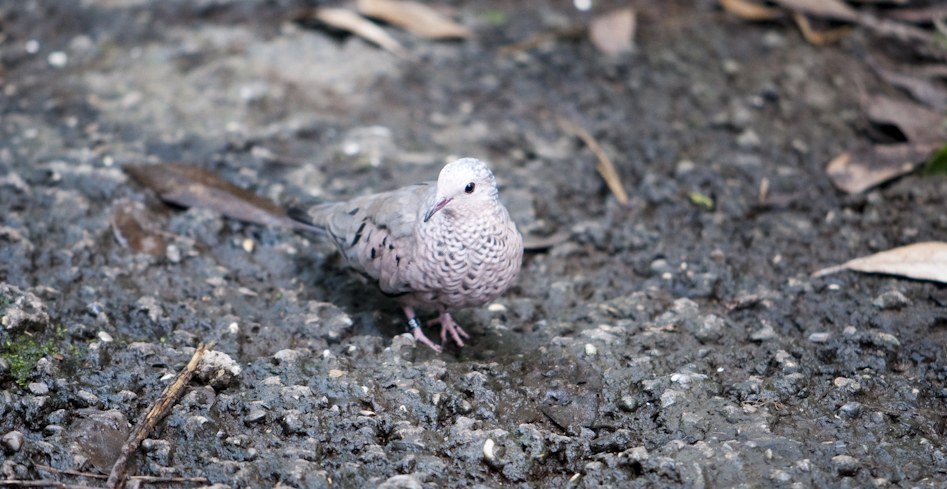
Common Ground Dove
Columbina passerina
A tiny, scaly-breasted dove of the southeastern and southern US, small enough to be mistaken for a sparrow until it flushes and shows rufous flashes in the wings.
- Size
- 15-18 cm (6-7 in) long, wingspan about 28 cm (11 in); one of the smallest North American doves
- Habitat
- open scrub, farmland edges, and coastal thickets
- Type
- other
Spotted a bird like this?
Identify any bird from a photo, free.
Overview
The Common Ground Dove is one of the smallest doves in North America, barely larger than a sparrow, and often overlooked as it forages quietly on bare ground in open scrub and field edges. It has a soft grayish-brown to pinkish-buff body with a distinctly scaly-looking pattern on the head, neck, and breast created by dark-edged feathers, a short square tail, and a stubby bill. In flight, the wings flash a warm rufous-chestnut color that is diagnostic and immediately separates it from all other small doves in its range.
How to identify it
Key field marks
- Very small size, close to that of a sparrow
- Scaly-patterned head, neck, and breast from dark feather edging
- Short tail and stubby, slightly down-curved bill
- Rufous-chestnut wing patches, conspicuous in flight
Similar species
Inca Dove (found in the southwestern US, a different region) is similarly small and scaly-patterned but has a longer, more pointed tail with white edges and lacks the bright rufous wing flash. Mourning Dove is much larger with a long pointed tail and no scaly pattern.
Habitat & range
Habitat and Range
Common Ground Doves favor open, sparsely vegetated habitats such as scrub, weedy field edges, sandy coastal areas, and farmland with bare ground for foraging.
Range
The species occurs across the coastal and inland lowlands of the southeastern United States (from South Carolina and Florida west along the Gulf Coast to Texas), as well as the southwestern US in places, extending south through Mexico, Central America, and the Caribbean.
Migration
Common Ground Doves are largely non-migratory, remaining resident within their range year-round.
Behavior & voice
Behavior
These doves usually forage in pairs or small groups on bare or sparsely vegetated ground, walking with a distinctive head-bobbing gait and flushing low and fast when disturbed, quickly dropping back into cover.
Voice
The call is a soft, repeated, rising "woo-oop" or "hoo-woo," given steadily and monotonously, often for extended periods from a low perch.
Feeding
They feed almost entirely on small seeds picked from the ground, occasionally supplemented with small insects.
Nesting and breeding
Nests are simple, flimsy platforms built low in a shrub, on a stump, or occasionally directly on the ground, typically holding just two eggs; pairs may raise several broods across a long breeding season.
Frequently asked questions
How small is a Common Ground Dove?
It is one of the smallest doves in North America, only about 15-18 cm (6-7 in) long, not much bigger than a sparrow.
How can you identify a Common Ground Dove?
Look for its tiny size, scaly-patterned head and breast, short tail, and rufous-chestnut wing patches that flash conspicuously in flight.
Where do Common Ground Doves live?
They inhabit open scrub, weedy field edges, and sandy coastal areas across the southeastern United States, parts of the Southwest, and south through Mexico, Central America, and the Caribbean.
What does a Common Ground Dove eat?
It feeds mainly on small seeds picked from bare ground, occasionally supplemented with small insects.
Common Ground Dove guides
In-depth guides for identifying, finding, and understanding Common Ground Dove.
Other birds you may enjoy
Kiwi
35-55 cm (14-22 in) long; roughly chicken-sized
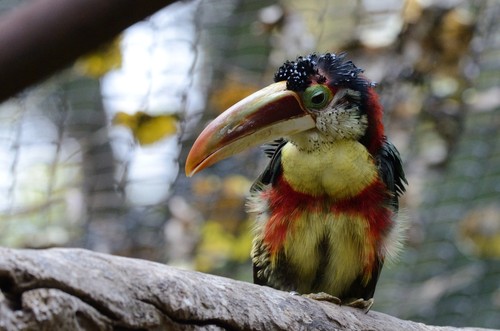
Curl-crested Aracari
41-46 cm (16-18 in) long, including a long bill and tail
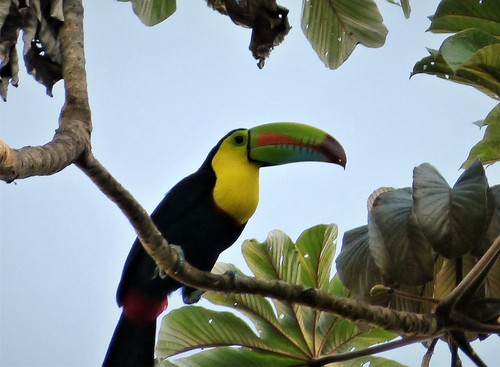
Keel-billed Toucan
42-55 cm (17-22 in) long including bill
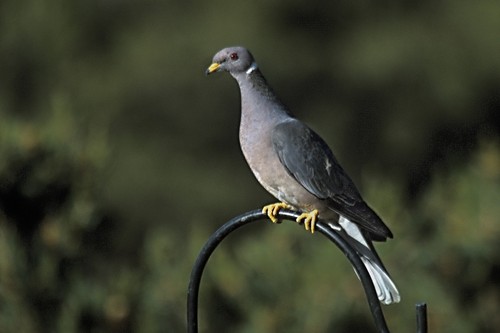
Band-tailed Pigeon
33-38 cm (13-15 in) long, wingspan about 66 cm (26 in)
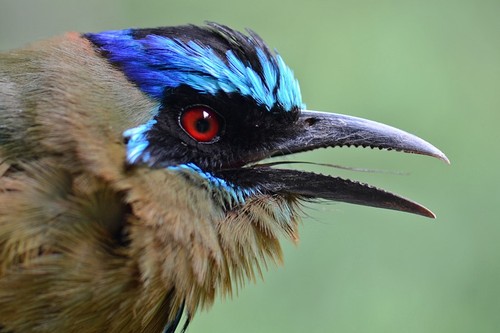
Blue-crowned Motmot
38-43 cm (15-17 in) long including tail
White-tipped Dove
27-30 cm (10.5-12 in) long, 38-43 cm wingspan
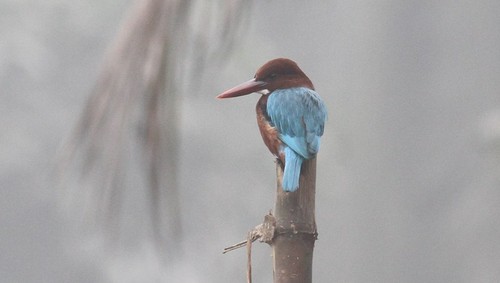
White-throated Kingfisher
27-28 cm (10.5-11 in) long
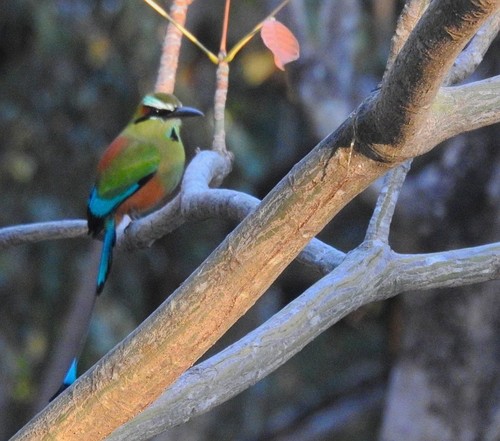
Turquoise-browed Motmot
34 cm (13 in) long including tail
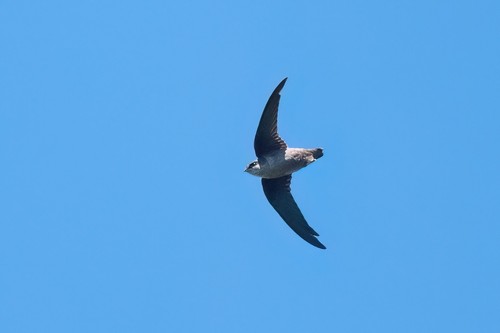
Vaux's Swift
10-12 cm (4-4.5 in) long, 27-30 cm wingspan
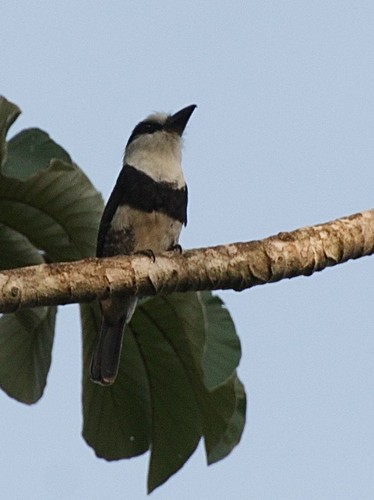
White-necked Puffbird
22-24 cm (8.5-9.5 in) long
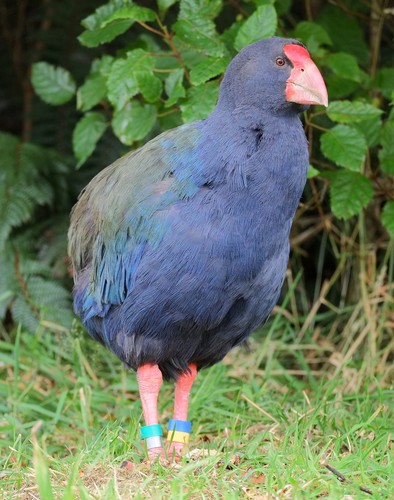
Takahe
50 cm (20 in) long, up to 3.5 kg; flightless
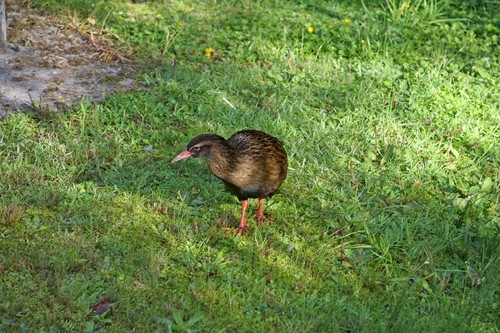
Weka
50-60 cm (20-24 in) long; flightless