
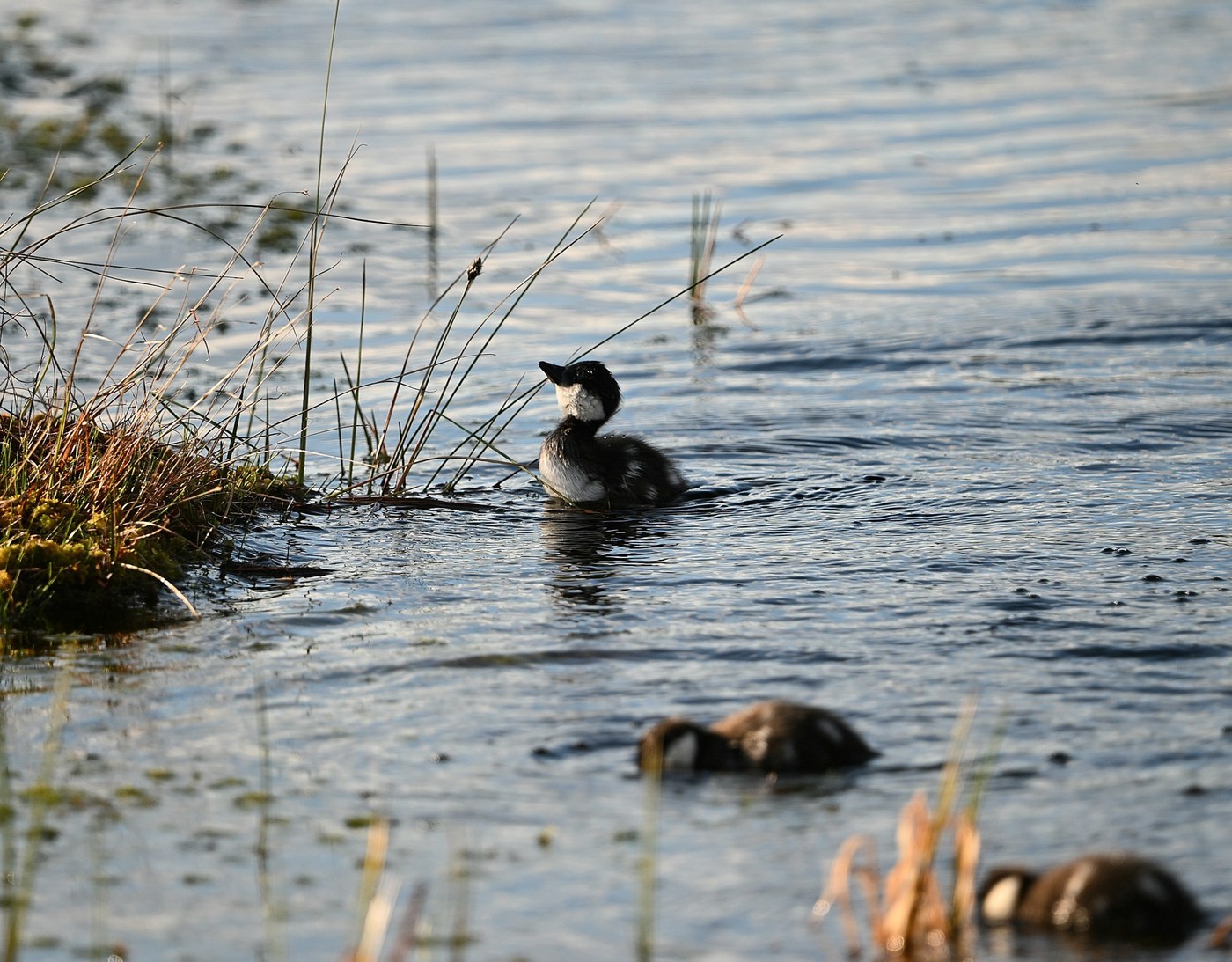
Common Goldeneye
Bucephala clangula
A hardy cavity-nesting diving duck named for its brilliant golden-yellow eye, the drake bearing a round white cheek spot on a glossy dark green head.
- Size
- 40-51 cm (16-20 in) long, 65-80 cm wingspan
- Habitat
- forested lakes and rivers for breeding; open lakes, rivers, and coastal bays in winter
- Type
- waterfowl
Spotted a bird like this?
Identify any bird from a photo, free.
Overview
The Common Goldeneye is a medium-sized diving duck with a distinctive puffy, triangular head shape and a short, stubby bill. The breeding drake has a glossy dark green head (appearing black in poor light) marked with a bold round white spot between the eye and the bill, contrasting with a crisp white body and black back.
Females have a chocolate-brown head, gray body, and often a pale collar around the neck, with a bill that may show a yellow tip in some individuals. Both sexes share the species' signature bright golden-yellow eye, which gives the bird its name.
How to identify it
Key Field Marks
- Puffy, triangular head shape with a short, stubby bill
- Breeding drake: glossy dark green head, round white spot before the eye, black-and-white body
- Female: chocolate-brown head, gray body, sometimes a pale neck collar
- Bright golden-yellow eye in both sexes
Similar Species
Barrow's Goldeneye is very similar but has a crescent-shaped (rather than round) white face spot on the drake, a steeper forehead and shorter bill, and a more purplish (rather than greenish) head gloss; the two species overlap in range in parts of the West and require careful comparison of head shape and face-spot form.
Habitat & range
Common Goldeneyes breed across the boreal forest zone of Canada, Alaska, and parts of the northern United States, as well as northern Europe and Asia, nesting in tree cavities near forested lakes and rivers. They winter on a wide range of open water, including large lakes, rivers that remain ice-free, and coastal bays and estuaries across much of temperate North America and Eurasia.
The species' fast, whistling wingbeats in flight give rise to the colloquial nickname "whistler," audible even when the bird itself is difficult to see.
Behavior & voice
Common Goldeneyes are active diving ducks, feeding on aquatic invertebrates such as insect larvae and crustaceans, along with small fish and some plant matter, diving frequently in relatively cold, often icy water. They are known for their hardiness, remaining on partially frozen lakes and rivers well into winter as long as some open water persists.
The male's elaborate courtship display includes a distinctive head-throw posture accompanied by a harsh, buzzy call. As a cavity nester, the female lays 6-9 eggs in a natural tree cavity or nest box near water, and ducklings leap from the nest entrance to the ground or water within about a day of hatching, similar to Wood Ducks.
Frequently asked questions
Why is it called a 'whistler'?
The Common Goldeneye's fast wingbeats produce a distinctive whistling sound in flight, giving rise to this common nickname.
How do you tell Common Goldeneye from Barrow's Goldeneye?
The Common Goldeneye drake has a round white face spot and a greenish head gloss, while Barrow's Goldeneye has a crescent-shaped white face spot, a steeper forehead, and a purplish head gloss.
Where does the Common Goldeneye nest?
It nests in tree cavities near forested lakes and rivers, and also readily uses artificial nest boxes.
What do Common Goldeneyes eat?
They dive for aquatic invertebrates and small fish, with some plant matter as well.
Why is it called a 'goldeneye'?
Both sexes have a bright golden-yellow eye, a distinctive and conspicuous field mark.
Common Goldeneye guides
In-depth guides for identifying, finding, and understanding Common Goldeneye.
Other birds you may enjoy
Red-necked Grebe
40-55 cm (16-22 in) long, 77-85 cm wingspan
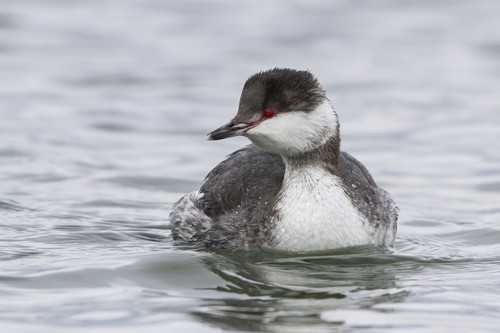
Horned Grebe
31-38 cm (12-15 in) long, 46-55 cm wingspan
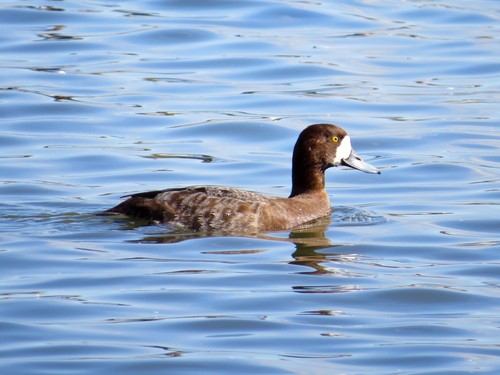
Greater Scaup
42-51 cm (16.5-20 in) long, 71-84 cm wingspan
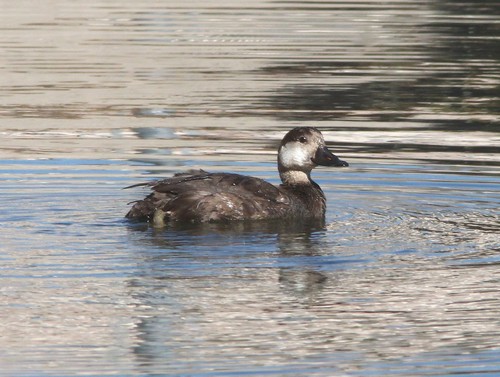
Black Scoter
43-54 cm (17-21 in) long, 79-90 cm wingspan
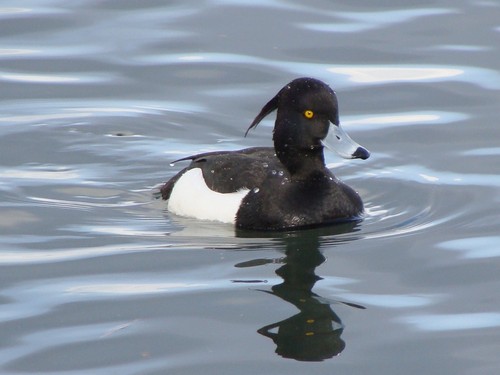
Tufted Duck
40-47 cm (16-18.5 in) long, 67-73 cm wingspan
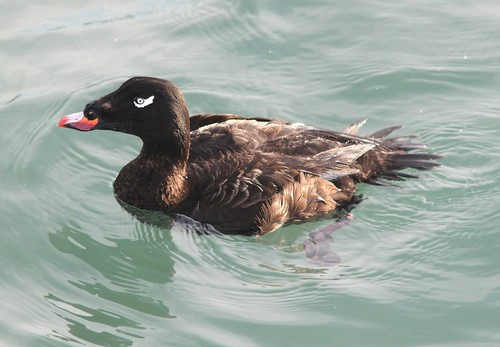
White-winged Scoter
48-58 cm (19-23 in) long, 86-99 cm wingspan
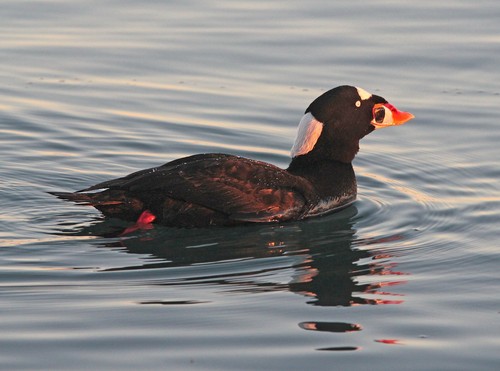
Surf Scoter
45-56 cm (18-22 in) long, 78-92 cm wingspan
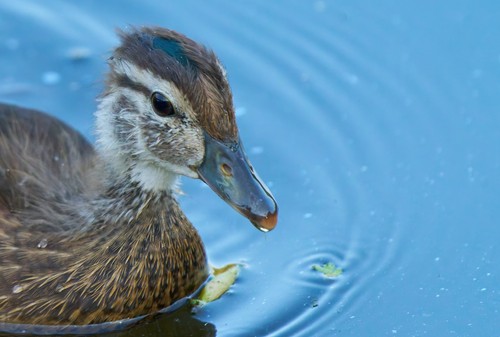
Wood Duck
47-54 cm (18.5-21 in) long, 66-73 cm wingspan
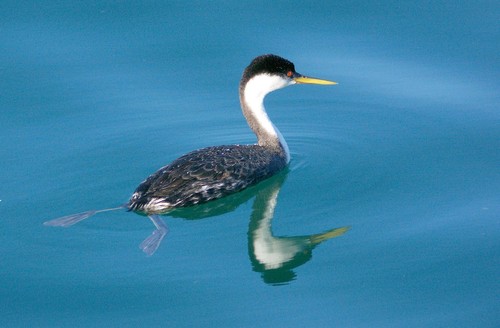
Western Grebe
56-74 cm (22-29 in) long, 79-102 cm wingspan
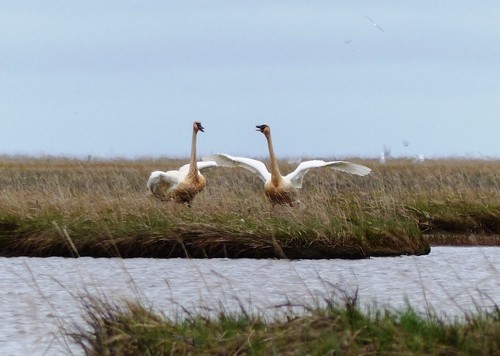
Tundra Swan
115-150 cm (45-59 in) long, about 180 cm wingspan
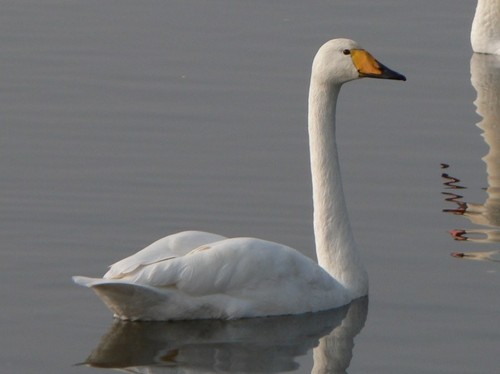
Whooper Swan
140-165 cm (55-65 in) long, 205-235 cm wingspan
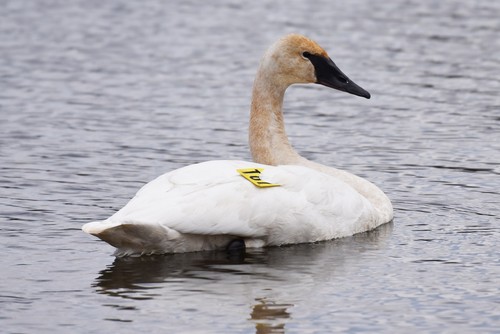
Trumpeter Swan
150-180 cm (59-71 in) long, up to 300 cm wingspan