
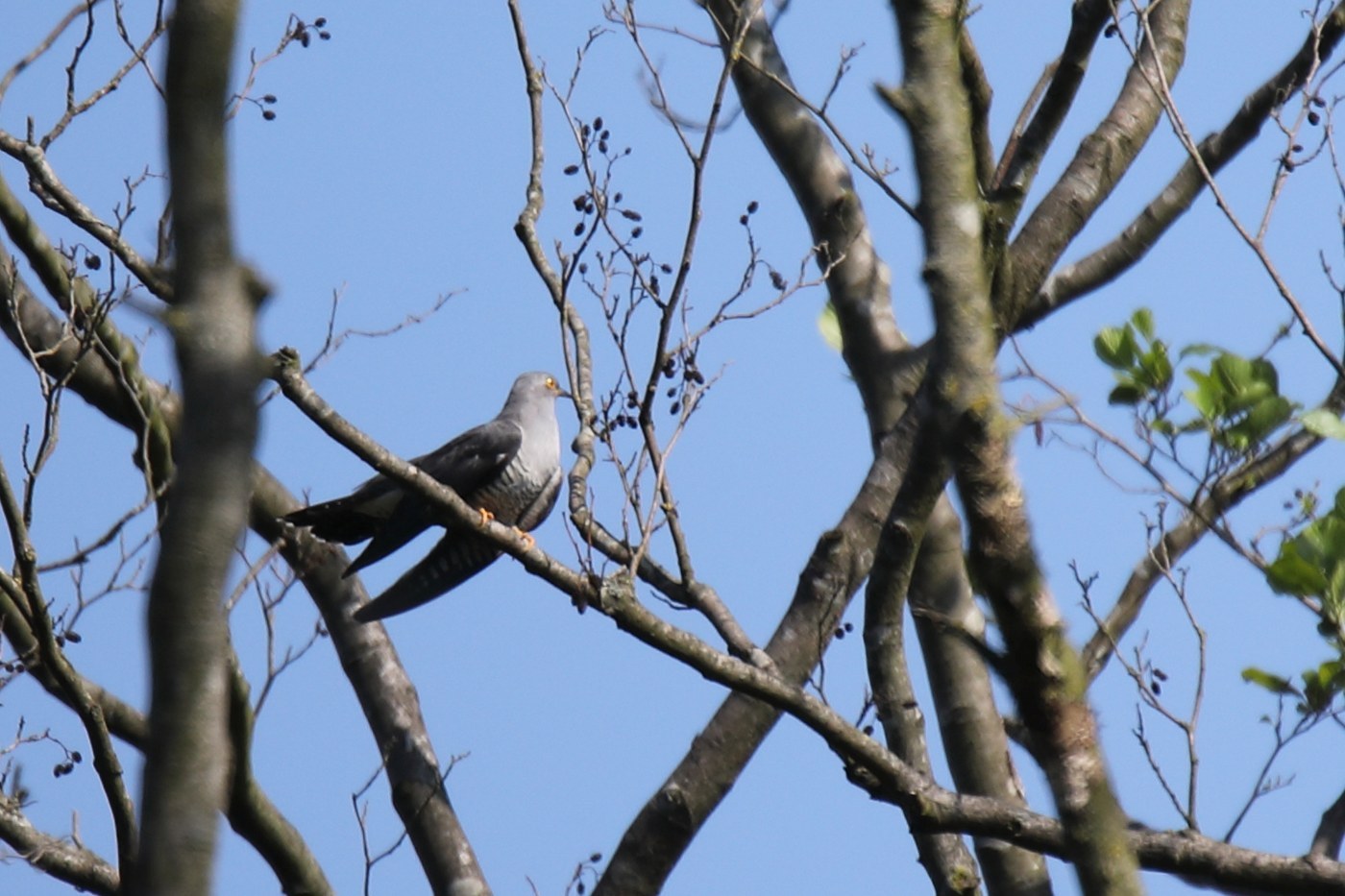
Common Cuckoo
Cuculus canorus
A slender, hawk-like grey bird famous for its far-carrying call and its habit of laying eggs in the nests of other species.
- Size
- 32-34 cm (13 in) long, 55-60 cm wingspan
- Habitat
- woodland, farmland, reedbeds, heathland, and moorland
- Type
- other
Spotted a bird like this?
Identify any bird from a photo, free.
Overview
The Common Cuckoo is a slim, long-tailed, grey bird with pointed wings, superficially resembling a small falcon or sparrowhawk in flight, an impression reinforced by its barred underparts. Males and most females are blue-grey above with fine dark barring below, though a rarer rufous-brown "hepatic" morph occurs in some females.
It is best known as an obligate brood parasite: females lay their eggs singly in the nests of small host species, such as Reed Warblers, Meadow Pipits, or Dunnocks, leaving the host to raise the cuckoo chick, which typically ejects the host's own eggs or young from the nest soon after hatching.
How to identify it
Key field marks
- Slim body, long tail, and pointed wings giving a hawk-like flight silhouette
- Blue-grey upperparts with fine dark barring on white underparts
- Yellow eye-ring and yellow legs
- Male's far-carrying two-note "cuck-oo" call
Similar species
- Eurasian Sparrowhawk shares a similar grey, barred appearance and hawk-like flight, but has a hooked bill, rounder wingtips, and different flight action with quick wingbeats and glides.
- Kestrel hovers and has a different, more rufous plumage.
The distinctive "cuck-oo" call is the most reliable way to confirm this species, since its plumage and flight can suggest a small hawk at a glance.
Habitat & range
Habitat
Occupies a very wide range of habitats depending on locally available host species, including woodland, farmland, reedbeds, heathland, and upland moorland.
Range
Breeds across almost all of Europe and temperate Asia; a long-distance migrant wintering in sub-Saharan Africa.
Migration
Arrives on breeding grounds in April, with adults typically departing again for Africa as early as July, well before their fostered young, which migrate independently later in the season guided by instinct alone.
Behavior & voice
Behavior
As a brood parasite, the female Cuckoo watches host nests, removes one host egg, and lays a single mimetic egg in its place, often specializing on a particular host species whose egg pattern her lineage has evolved to match. The chick hatches quickly and instinctively ejects the host's eggs or chicks from the nest, monopolizing the foster parents' care.
Voice
The familiar far-carrying "cuck-oo" call is given by males to advertise territory in spring; females give a distinctive bubbling chuckle.
Feeding
Feeds mainly on insects, with a particular preference for hairy caterpillars that many other birds avoid.
Nesting and breeding
Builds no nest of its own; instead, the female lays eggs directly into the nests of host species, leaving all incubation and chick-rearing to the unwitting hosts.
Frequently asked questions
Why does the Cuckoo lay eggs in other birds' nests?
It is an obligate brood parasite, relying entirely on host species such as warblers, pipits, or Dunnocks to incubate its eggs and raise its young.
What happens to the host's own eggs and chicks?
The young cuckoo typically ejects the host's eggs or newly hatched chicks from the nest soon after hatching, monopolizing the foster parents' care.
Why does the Cuckoo look like a hawk?
Its slim body, pointed wings, and barred underparts give it a superficial resemblance to a sparrowhawk, which may help reduce mobbing by potential host species.
What does the Cuckoo eat?
Mainly insects, especially hairy caterpillars that are avoided by many other bird species.
When does the Common Cuckoo migrate?
It arrives in Europe in April and adults often depart again for Africa by July, well ahead of their host-raised young.
Common Cuckoo guides
In-depth guides for identifying, finding, and understanding Common Cuckoo.
Other birds you may enjoy
Kiwi
35-55 cm (14-22 in) long; roughly chicken-sized
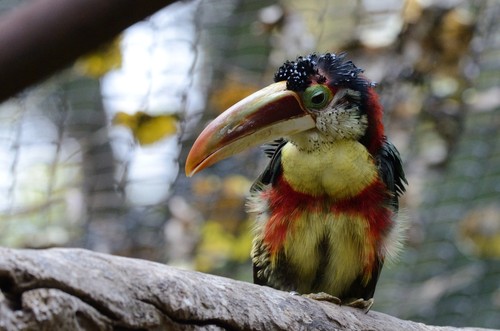
Curl-crested Aracari
41-46 cm (16-18 in) long, including a long bill and tail
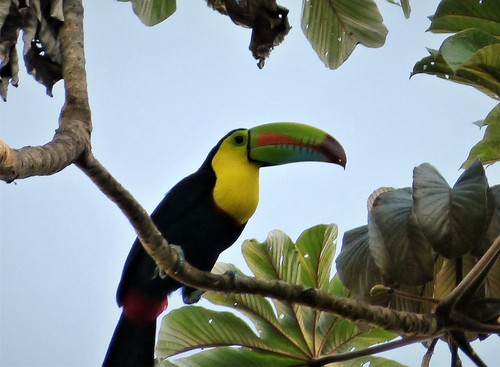
Keel-billed Toucan
42-55 cm (17-22 in) long including bill
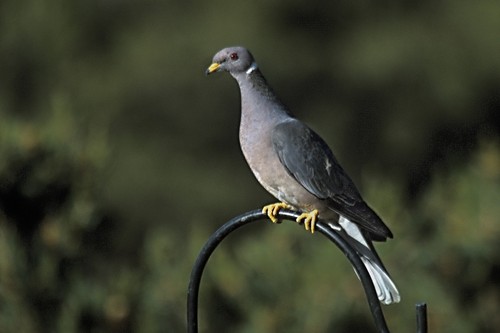
Band-tailed Pigeon
33-38 cm (13-15 in) long, wingspan about 66 cm (26 in)
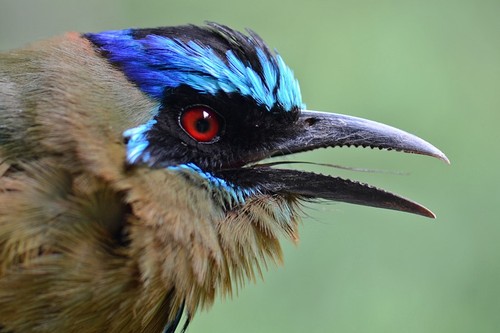
Blue-crowned Motmot
38-43 cm (15-17 in) long including tail
White-tipped Dove
27-30 cm (10.5-12 in) long, 38-43 cm wingspan
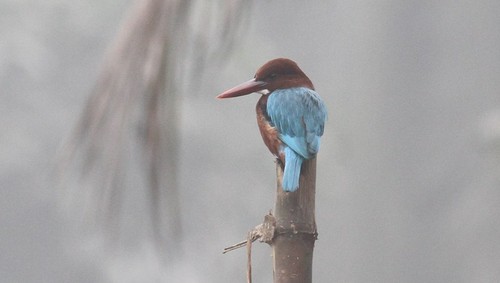
White-throated Kingfisher
27-28 cm (10.5-11 in) long
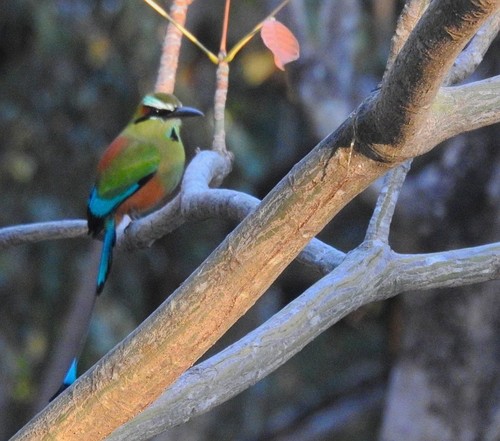
Turquoise-browed Motmot
34 cm (13 in) long including tail
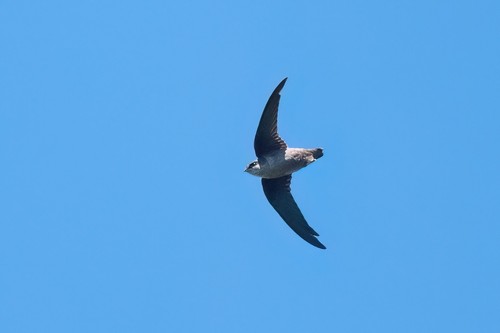
Vaux's Swift
10-12 cm (4-4.5 in) long, 27-30 cm wingspan
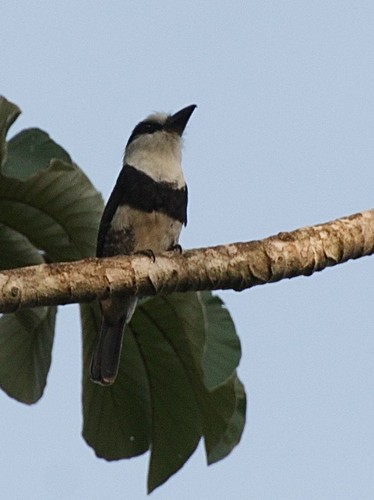
White-necked Puffbird
22-24 cm (8.5-9.5 in) long
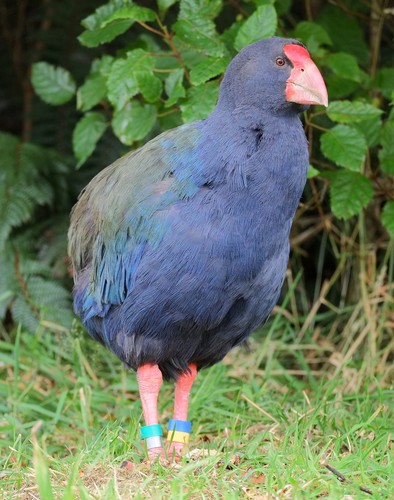
Takahe
50 cm (20 in) long, up to 3.5 kg; flightless
Weka
50-60 cm (20-24 in) long; flightless