
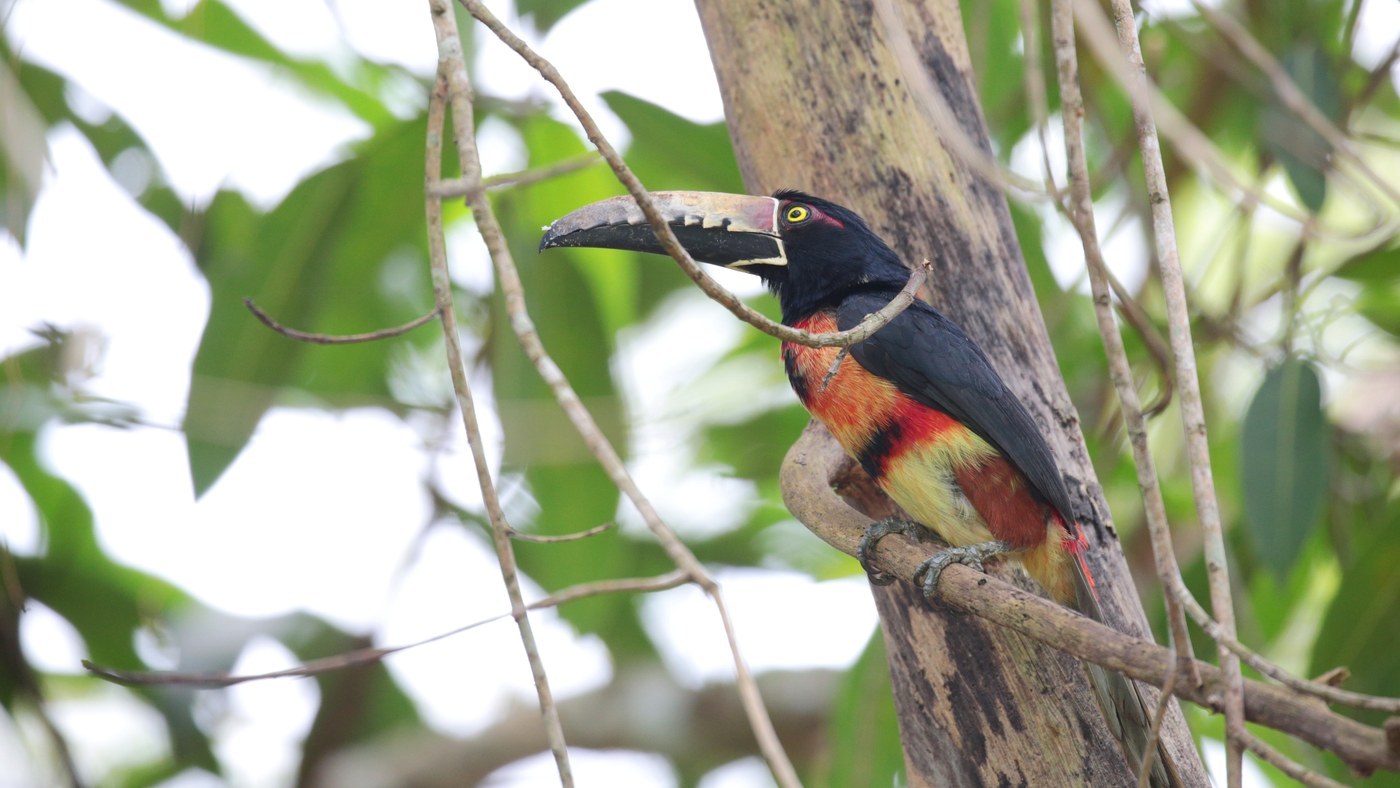
Collared Aracari
Pteroglossus torquatus
A slender, mid-sized toucan relative with a mostly black head and back, a yellow underside crossed by a black band and reddish spots, and a bicolored bill.
- Size
- 40-46 cm (16-18 in) long including bill and tail
- Habitat
- humid forest, forest edge, and clearings
- Type
- other
Spotted a bird like this?
Identify any bird from a photo, free.
Overview
The Collared Aracari is a smaller, more slender relative of the large toucans, with a glossy black head, throat, and upper back that give way to a bright yellow belly marked by a black breast band and a patch of red spots along the flanks. A thin band of chestnut-red feathers around the hindneck, for which it is named, adds a further splash of color to an already boldly patterned bird.
Its long, curved bill is strikingly bicolored, pale ivory or yellowish above and mostly black below, and along with its long tail gives it a distinctly elegant silhouette compared to the bulkier large toucans, as small, active flocks move through the mid-canopy in search of fruit.
How to identify it
Key field marks
- Slender build with a long tail and long, curved, bicolored bill (pale above, dark below)
- Glossy black head, throat, and upper back
- Bright yellow underparts crossed by a black breast band and red spotting on the flanks
- Narrow chestnut collar around the hindneck
Similar species
- Fiery-billed Aracari, found further south along the Pacific slope of Costa Rica and Panama, has an almost entirely orange-red bill rather than the pale-and-black bill of the Collared Aracari.
- Large toucans such as the Keel-billed Toucan are much bulkier with proportionally much bigger bills, lacking the slim build of the aracari.
Habitat & range
Habitat
Inhabits humid lowland forest, forest edge, second growth, and clearings with scattered fruiting trees.
Range
Found from eastern Mexico through Central America to Colombia and Venezuela.
Migration
Non-migratory, though flocks may wander locally in search of fruiting trees.
Behavior & voice
Behavior
Highly social, typically moving in small flocks of six to twelve birds through the mid and upper canopy; often roosts communally in tree cavities, with several birds packing into a single hole at night.
Voice
A sharp, high-pitched "pseek" or squeaky call, repeated frequently as flock members keep in contact.
Feeding
Feeds mainly on fruit, supplemented with insects, small lizards, and occasionally the eggs or nestlings of smaller birds.
Nesting
Nests cooperatively in tree cavities, often old woodpecker holes, with helpers sometimes assisting the breeding pair; lays 2-4 white eggs.
Frequently asked questions
How do you identify a Collared Aracari?
Look for a slender toucan relative with a black head, yellow underparts crossed by a black band with red spots, and a bicolored bill that is pale above and dark below.
How is the Collared Aracari different from a toucan?
Aracaris are smaller and more slender than large toucans like the Keel-billed Toucan, with proportionally smaller bills and longer tails.
What does a Collared Aracari eat?
Mainly fruit, along with insects, small lizards, and occasionally the eggs or nestlings of other birds.
Do Collared Aracaris live in groups?
Yes, they are highly social and typically travel in small flocks, sometimes roosting communally together in tree cavities.
Collared Aracari guides
In-depth guides for identifying, finding, and understanding Collared Aracari.
Other birds you may enjoy
Kiwi
35-55 cm (14-22 in) long; roughly chicken-sized
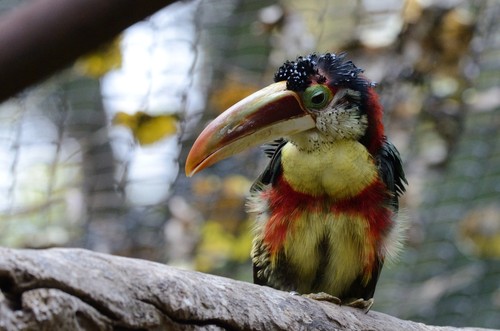
Curl-crested Aracari
41-46 cm (16-18 in) long, including a long bill and tail
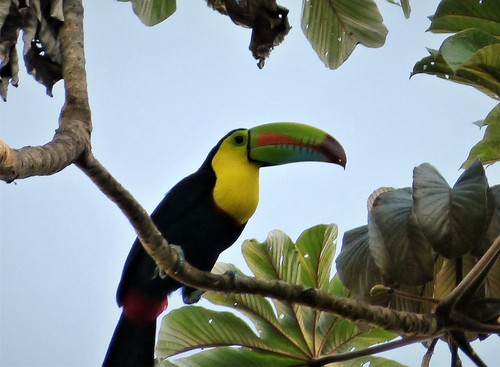
Keel-billed Toucan
42-55 cm (17-22 in) long including bill
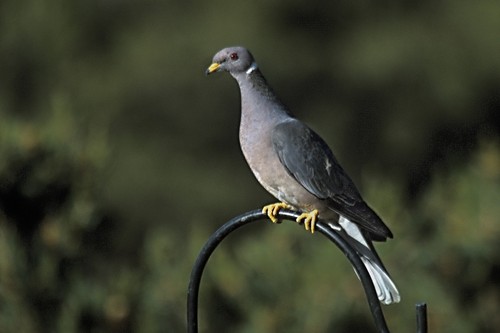
Band-tailed Pigeon
33-38 cm (13-15 in) long, wingspan about 66 cm (26 in)
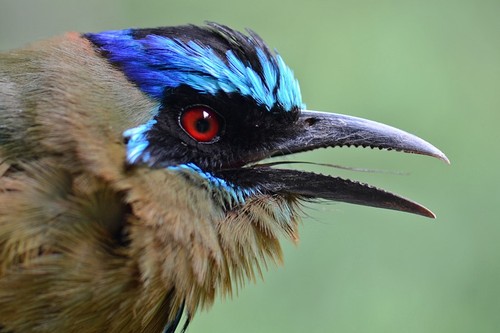
Blue-crowned Motmot
38-43 cm (15-17 in) long including tail
White-tipped Dove
27-30 cm (10.5-12 in) long, 38-43 cm wingspan
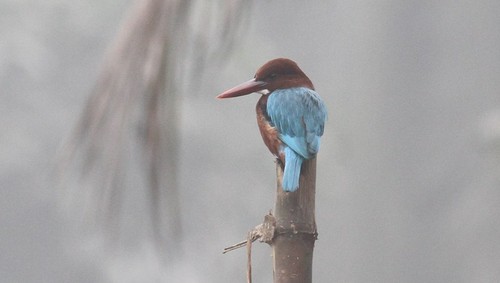
White-throated Kingfisher
27-28 cm (10.5-11 in) long
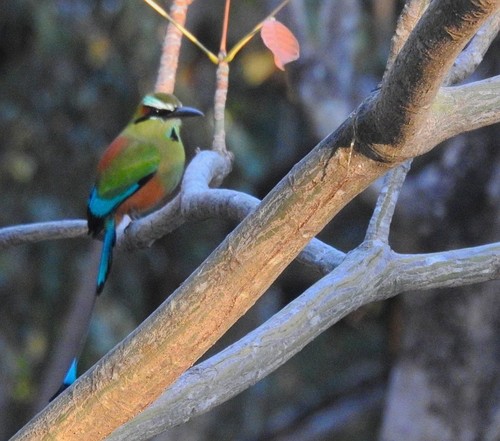
Turquoise-browed Motmot
34 cm (13 in) long including tail
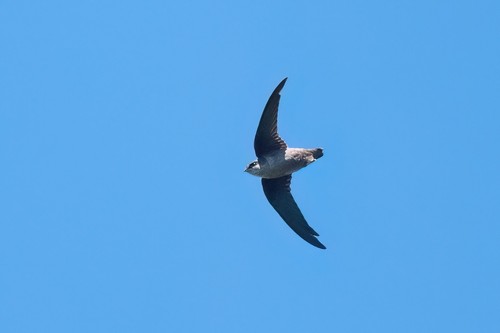
Vaux's Swift
10-12 cm (4-4.5 in) long, 27-30 cm wingspan
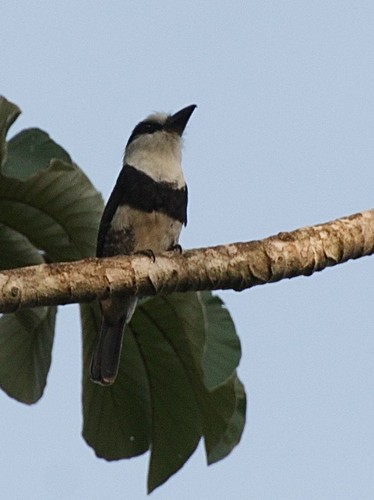
White-necked Puffbird
22-24 cm (8.5-9.5 in) long
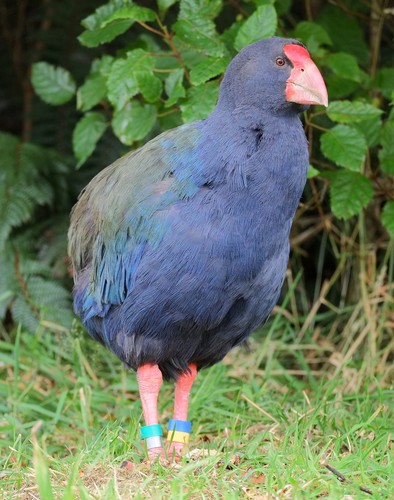
Takahe
50 cm (20 in) long, up to 3.5 kg; flightless
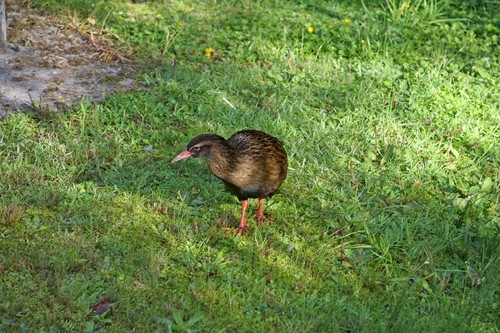
Weka
50-60 cm (20-24 in) long; flightless