
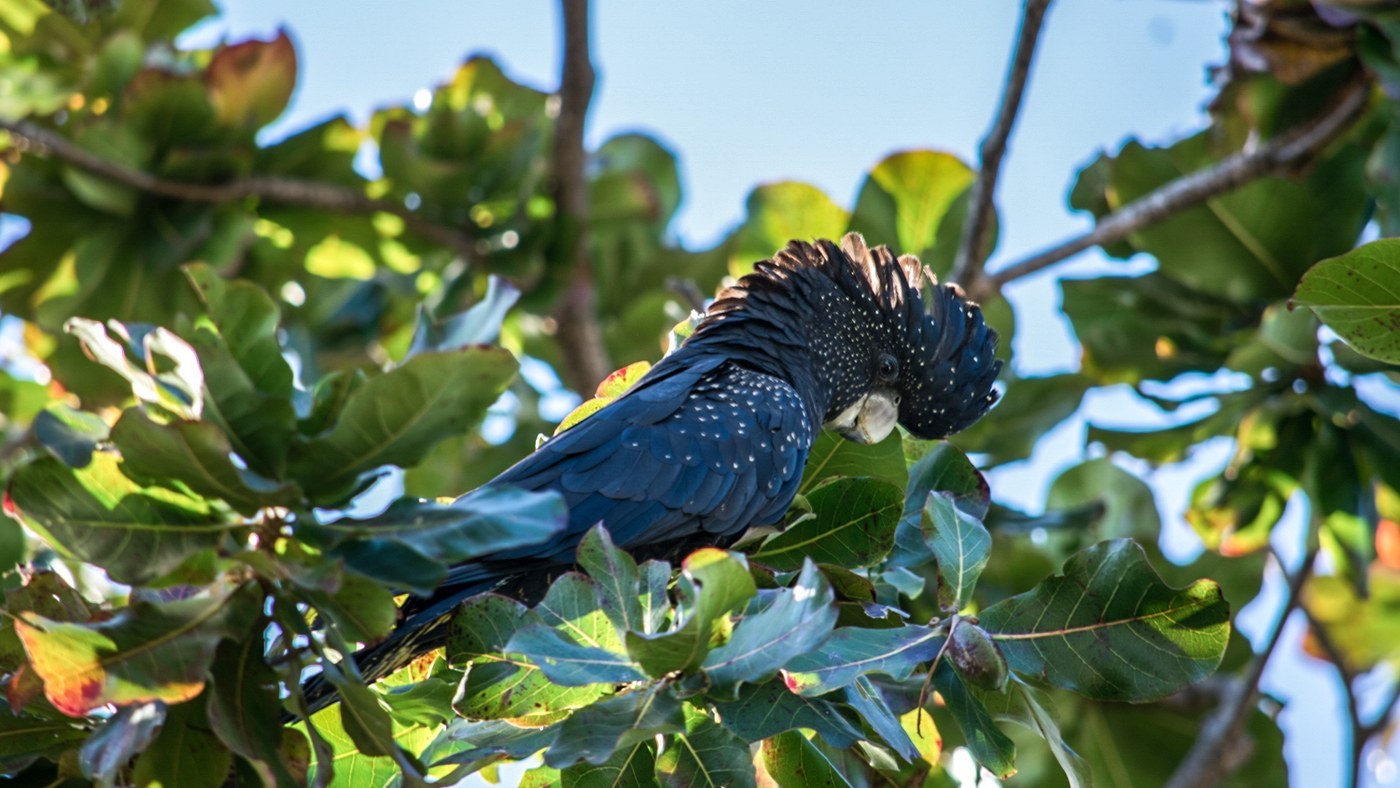
Cockatoo
Cacatuidae (family)
A family of large, crested parrots native to Australia, New Guinea, and nearby islands, distinguished by their erectile crests and mostly white, black, pink, or grey plumage.
- Size
- Varies by species, roughly 30–70 cm long
- Habitat
- Forest, woodland, scrubland, and open country across Australasia
- Type
- parrot
Spotted a bird like this?
Identify any bird from a photo, free.
Overview
Cockatoos make up the family Cacatuidae, a distinct lineage of about 21 species within the parrot order, found only in Australia, New Guinea, the Philippines, Indonesia, and the Solomon Islands. They differ from true parrots in several key ways: cockatoos have a large, mobile crest of feathers on the crown that can be raised or lowered, and their plumage is generally restricted to white, black, grey, and pink tones with patches of yellow, orange, or red, since they lack the structural blue and green feather pigments (psittacofulvins combined with structural color) common in other parrots.
Appearance
Most cockatoos share a stocky build, a strongly hooked bill, and zygodactyl feet (two toes forward, two back) used for climbing and holding food. The prominent crest, used in social displays and to signal alarm or excitement, is the group's most recognizable feature.
How to identify it
Key field marks
- Erectile crest of elongated crown feathers, raised during display or excitement
- Plumage dominated by white, black, or pink, often with a colored crest or cheek patch, rather than the greens and blues typical of many other parrots
- Large, strongly curved bill and a distinctive undulating flight with slow wingbeats
Similar species
Cockatoos are usually easy to separate from other parrots by their crest and muted color palette; individual species are then told apart by crest color and shape, body color (white versus pink versus black), and bare facial skin patterns. See individual species such as the Sulphur-crested Cockatoo, Galah, Major Mitchell's Cockatoo, and Palm Cockatoo for specific field marks.
Habitat & range
Range
Cockatoos are restricted to the Australasian region: Australia, New Guinea and its satellite islands, Indonesia (Wallacea and the Moluccas), the Philippines, and the Solomon Islands.
Habitat
Different species occupy habitats from tropical rainforest and mangroves to eucalypt woodland, arid scrub, and farmland; several Australian species have adapted well to agricultural and urban landscapes.
Behavior & voice
Behavior
Many cockatoos are highly social, gathering in flocks that can number from a handful to several thousand birds outside the breeding season, and are known for their strong pair bonds, long lifespans, and problem-solving intelligence.
Voice
Most species have loud, far-carrying, often harsh screeching or screaming calls used to maintain contact within flocks and to signal alarm.
Feeding
Cockatoos feed on seeds, nuts, fruit, roots, and tubers, using their powerful bills to crack tough seed coats and their feet to hold food while eating.
Nesting and breeding
All species nest in tree hollows, and because suitable hollows take decades to form in old-growth trees, hollow availability is a major limiting factor for many populations.
Frequently asked questions
What makes a cockatoo different from other parrots?
Cockatoos have a movable crest of feathers on the head and lack the blue and green plumage pigments found in many other parrots, giving them a mostly white, black, grey, or pink coloration.
Where are cockatoos found in the wild?
Cockatoos occur naturally only in Australia, New Guinea, Indonesia, the Philippines, and the Solomon Islands.
How many species of cockatoo are there?
There are roughly 21 recognized species in the family Cacatuidae, including Sulphur-crested Cockatoos, Galahs, corellas, black cockatoos, and cockatiels.
Why do cockatoos raise their crest?
The crest is raised to signal alarm, excitement, or aggression, and lowered when the bird is relaxed, making it an important visual communication tool.
Are all cockatoos endangered?
No, conservation status varies widely by species; some like the Sulphur-crested Cockatoo and Galah are common and widespread, while others such as certain corella and black cockatoo species are threatened or endangered.
Cockatoo guides
In-depth guides for identifying, finding, and understanding Cockatoo.
Other birds you may enjoy
Eclectus Parrot
35-42 cm (14-16.5 in) long
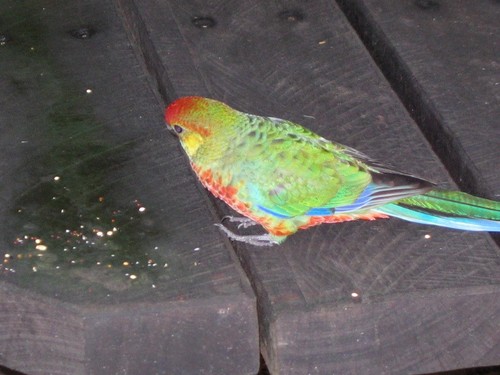
Western Rosella
25-30 cm (10-12 in) long
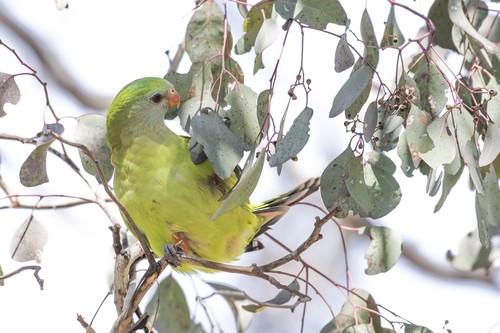
Superb Parrot
About 40 cm (16 in) long including a long tail
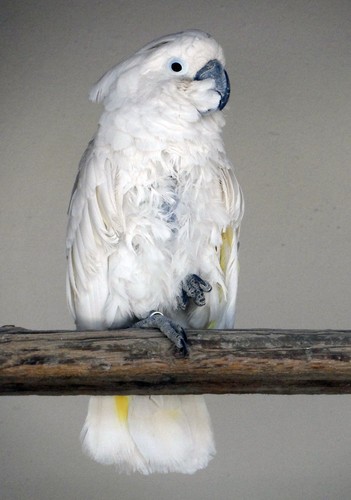
Umbrella Cockatoo
About 46 cm (18 in) long
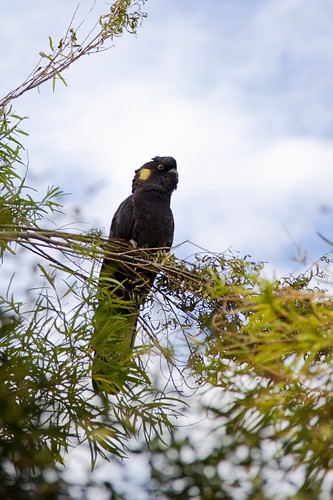
Yellow-tailed Black Cockatoo
55-65 cm long; wingspan up to about 130 cm
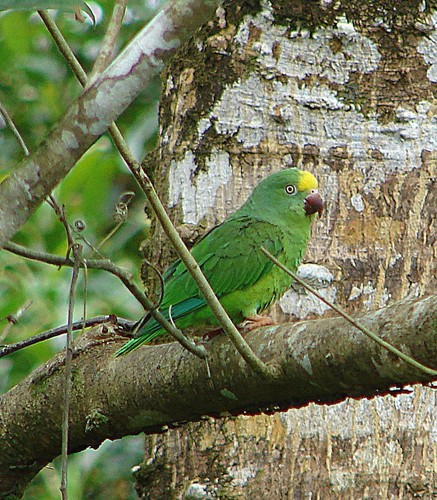
Yellow-crowned Amazon
About 35-38 cm (14-15 in) long
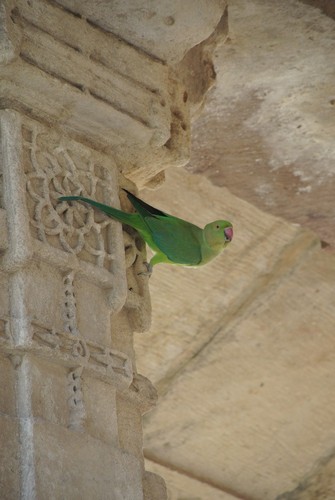
Rose-ringed Parakeet
40 cm (16 in) long including long tail
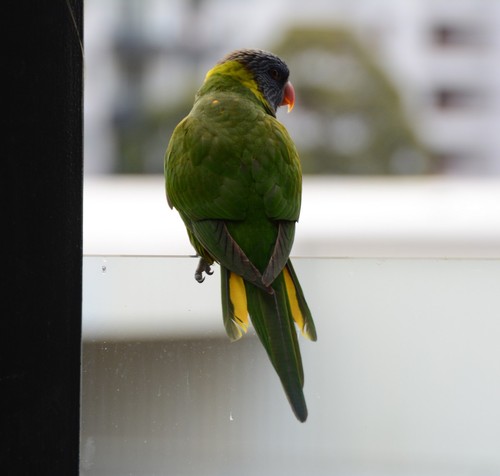
Rainbow Lorikeet
25-30 cm (10-12 in) long
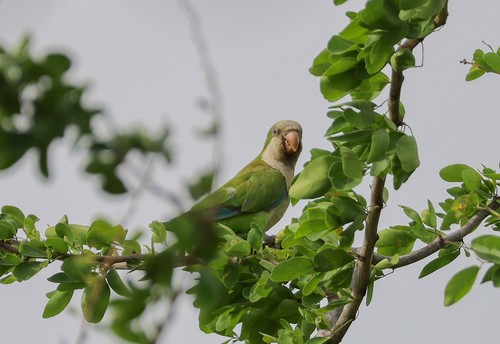
Quaker Parrot
28-31 cm (11-12 in) long
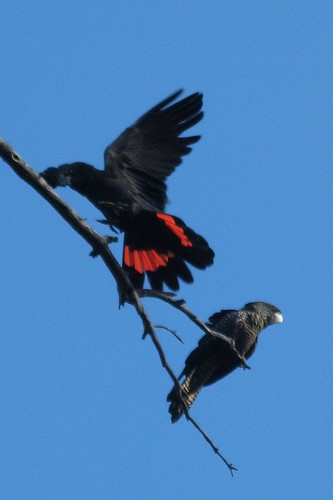
Red-tailed Black Cockatoo
55-65 cm long
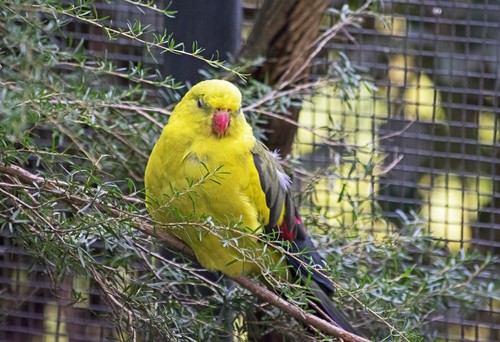
Regent Parrot
37-42 cm (15-17 in) long, including a long tail
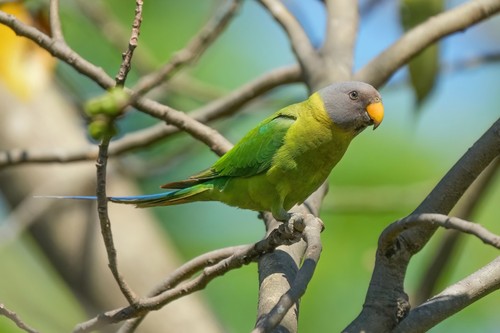
Plum-headed Parakeet
33 cm (13 in) long including tail