
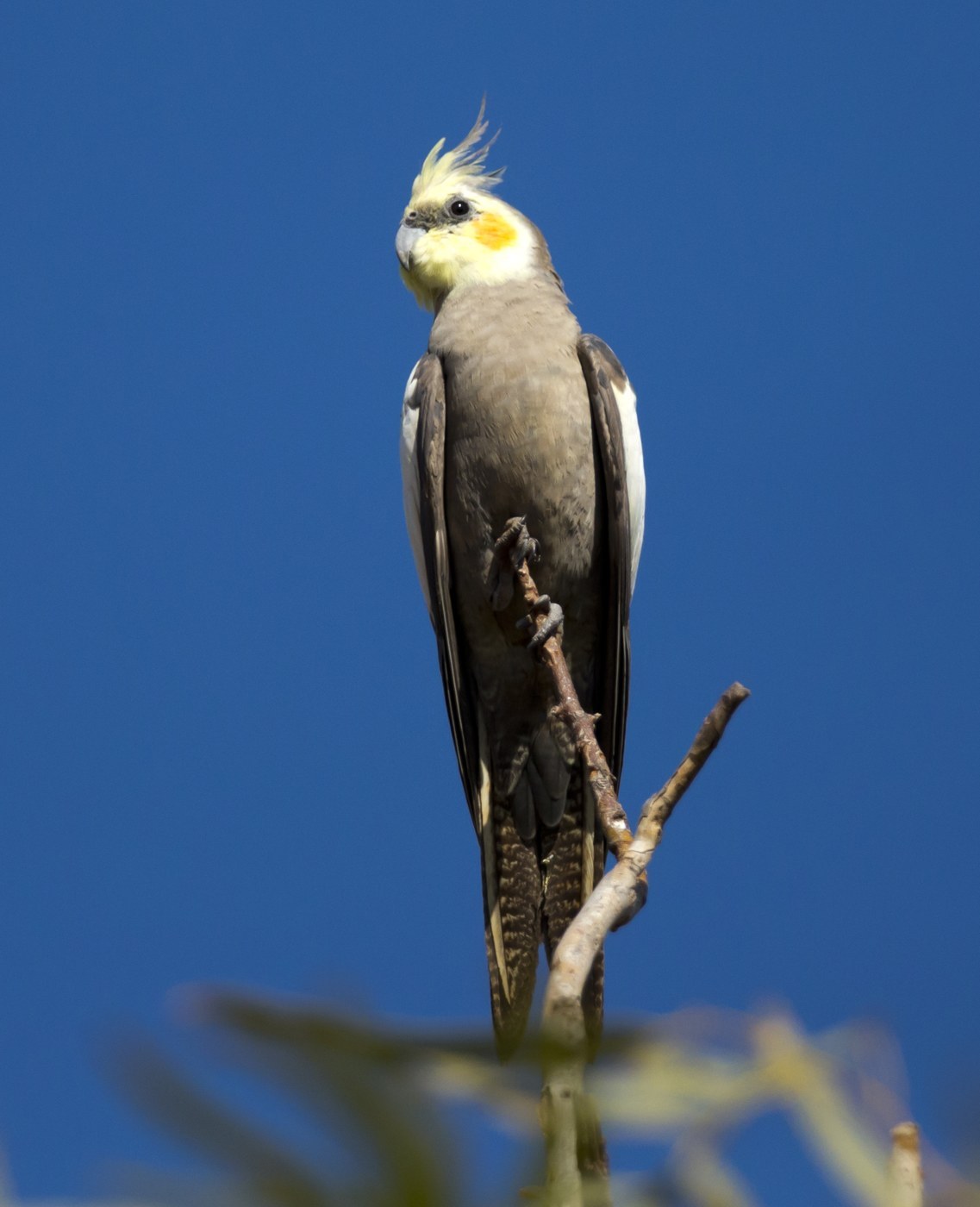
Cockatiel
Nymphicus hollandicus
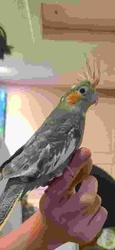
A small, crested Australian parrot recognized by its expressive head crest and bright orange cheek patches.
- Size
- 30-33 cm (12-13 in) long; wingspan approx. 30-35 cm
- Habitat
- Arid and semi-arid inland scrub, open woodland, and grassland near water
- Type
- parrot
Spotted a bird like this?
Identify any bird from a photo, free.
Overview
The Cockatiel is the smallest member of the cockatoo family, native to the arid interior of Australia. It is a slender, long-tailed parrot with a distinctive erectile crest that it raises and lowers to signal mood.
Wild-type plumage is soft grey overall, with a pale grey belly, white wing patches, and a yellow face and crest in males marked by a bright orange-red cheek patch. Females and juveniles are duller, with grey faces washed in yellow, more subdued cheek patches, and barred markings on the underside of the tail and flight feathers that fade as they mature.
Cockatiels have a long, tapered tail that makes up much of their overall length, giving them a streamlined silhouette in flight quite different from bulkier cockatoo relatives.
How to identify it
Key field marks
- Prominent pointed crest, raised when alert or excited
- Grey body with white wing patches visible in flight and at rest
- Bright orange-red cheek patch (more vivid in adult males)
- Long, pointed grey tail
Sex and age differences
- Adult males: brighter yellow face and crest, bold orange cheek patch, unmarked grey tail underside
- Females and immatures: greyer face, muted cheek patch, fine yellow barring on the underside of the tail and flight feathers
Similar species
No other Australian parrot shares the Cockatiel's combination of small size, long pointed tail, and crest. Cockatoos are larger and lack the long tail; other Australian parakeets lack a crest entirely.
Habitat & range
Range
The Cockatiel is endemic to mainland Australia, found nearly continent-wide across the arid and semi-arid interior, generally avoiding the wetter coastal fringes and the far southwest.
Habitat
It favors open country: scrubland, grassland, savanna woodland, and timber bordering watercourses and wetlands, always staying within commuting distance of water.
Movements
Cockatiels are highly nomadic, tracking rainfall and seeding grasses across the interior. Numbers in any one area can fluctuate greatly with local conditions, and southern populations may shift northward in the cooler months.
Behavior & voice
Social behavior
Cockatiels are gregarious, often gathering in flocks of a few dozen to several hundred, especially at waterholes and rich seeding grass stands, sometimes alongside budgerigars.
Voice
The contact call is a rolling, whistled "quee-quee" or "weero," often given in flight. Cockatiels also produce softer chattering and warbling notes when perched.
Feeding
They forage mostly on the ground and in low vegetation for grass and shrub seeds, moving in loose flocks and taking flight together when disturbed.
Nesting and breeding
Cockatiels nest in tree hollows, typically near water, laying clutches of 4-7 white eggs. Both parents share incubation and chick-rearing duties, and breeding is opportunistic, timed to follow rainfall and seed abundance rather than a fixed season.
Frequently asked questions
What is the difference between male and female cockatiels?
Adult males have a brighter yellow face and crest with a bold orange cheek patch and a plain grey tail underside, while females are duller-faced with fine yellow barring on the underside of the tail and flight feathers.
Where do wild cockatiels live?
They are native to the arid and semi-arid interior of Australia, inhabiting open scrub, grassland, and woodland near water.
Why do cockatiels raise their crest?
The crest is a visual signal of mood, raised when a bird is alert, curious, or excited and flattened when relaxed or fearful.
Are cockatiels migratory?
They are not true migrants but are highly nomadic, moving widely across the interior in response to rainfall and seed availability.
What do wild cockatiels eat?
They feed primarily on the seeds of grasses and shrubs, foraging on the ground, supplemented by berries and occasional insects.
Cockatiel guides
In-depth guides for identifying, finding, and understanding Cockatiel.
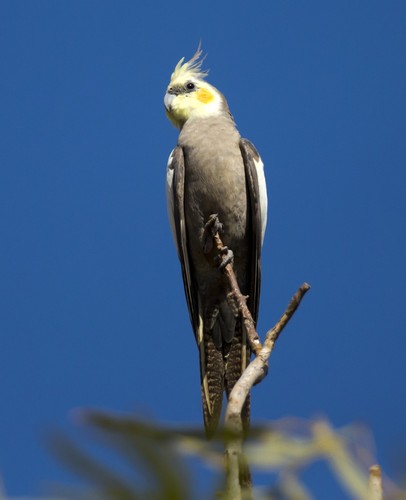
Cockatiel identified by the community
Real birds identified with Bird Identifier.


Other birds you may enjoy
Eclectus Parrot
35-42 cm (14-16.5 in) long
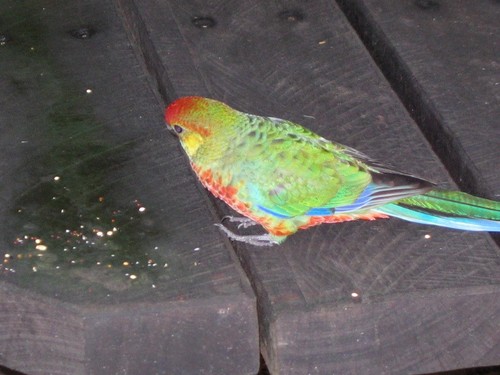
Western Rosella
25-30 cm (10-12 in) long
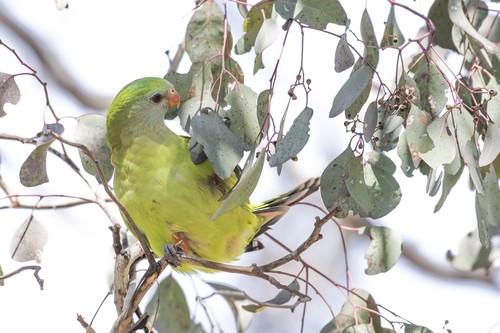
Superb Parrot
About 40 cm (16 in) long including a long tail
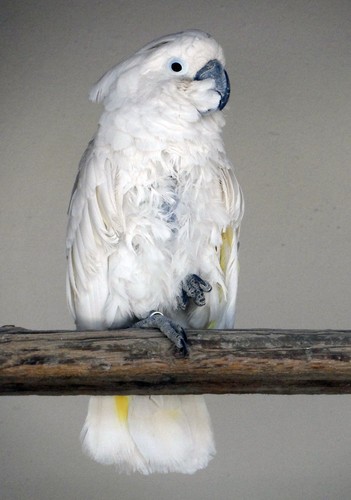
Umbrella Cockatoo
About 46 cm (18 in) long
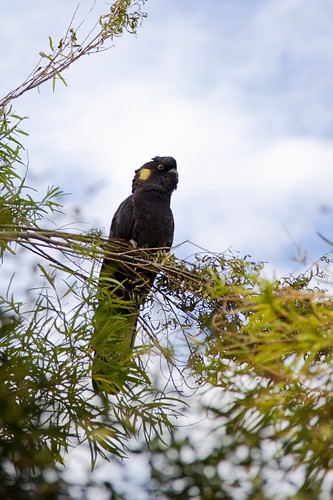
Yellow-tailed Black Cockatoo
55-65 cm long; wingspan up to about 130 cm
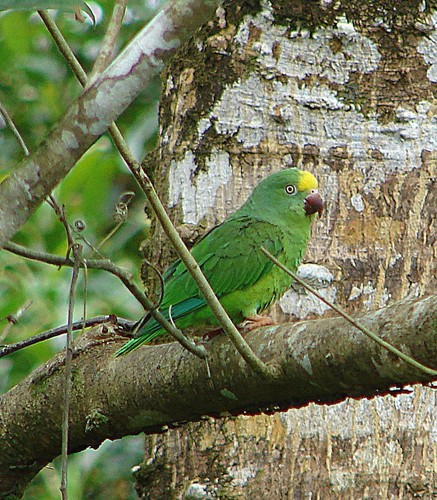
Yellow-crowned Amazon
About 35-38 cm (14-15 in) long
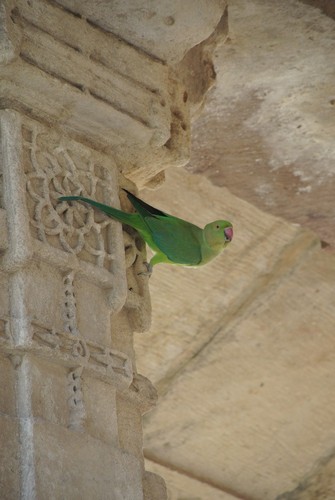
Rose-ringed Parakeet
40 cm (16 in) long including long tail
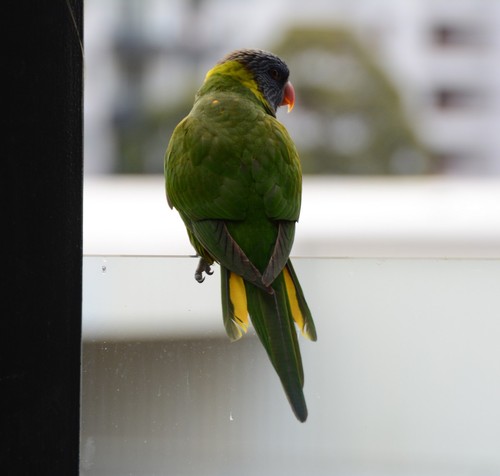
Rainbow Lorikeet
25-30 cm (10-12 in) long
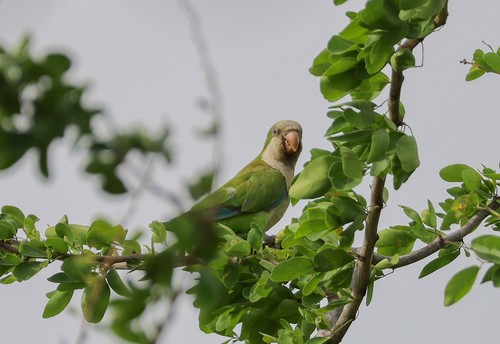
Quaker Parrot
28-31 cm (11-12 in) long
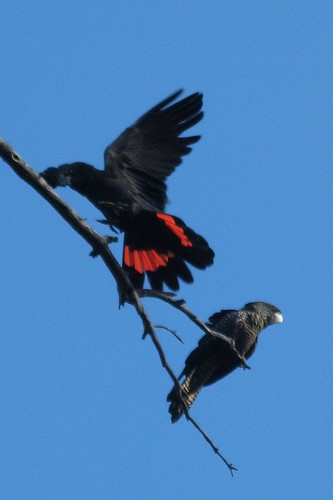
Red-tailed Black Cockatoo
55-65 cm long
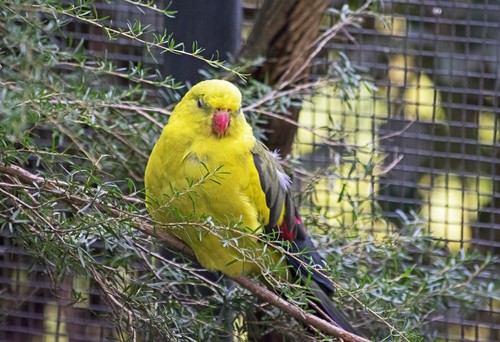
Regent Parrot
37-42 cm (15-17 in) long, including a long tail
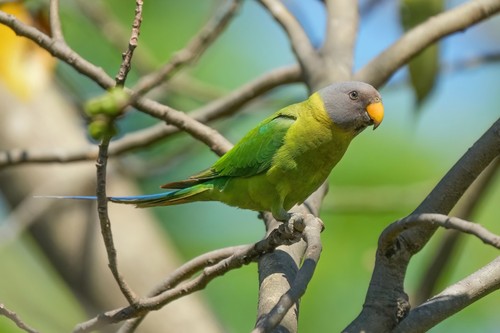
Plum-headed Parakeet
33 cm (13 in) long including tail