
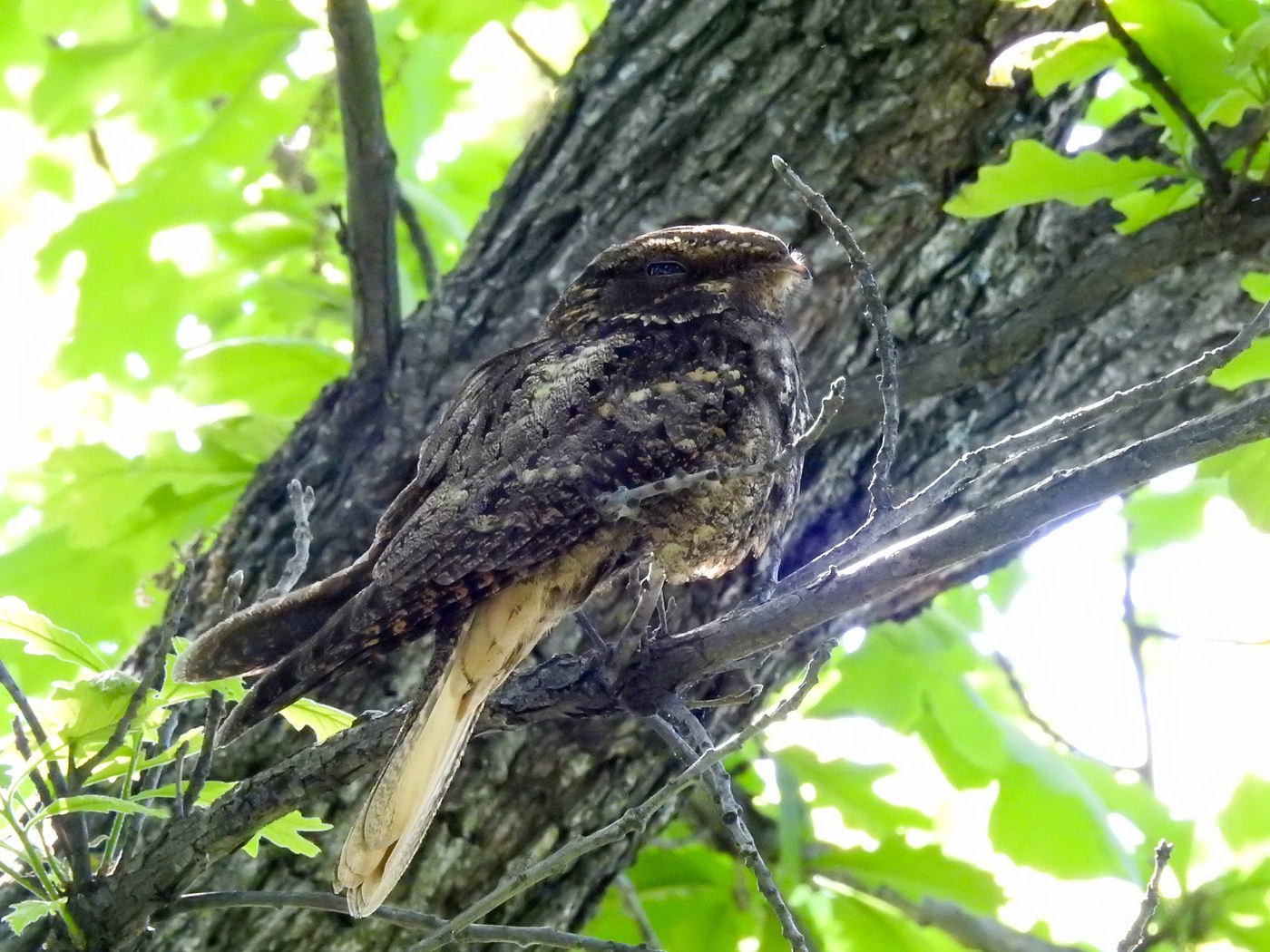
Chuck-will's-widow
Antrostomus carolinensis
The largest nightjar in North America, best known for its far-carrying, repetitive nighttime call that gives the bird its name.
- Size
- 28-33 cm (11-13 in) long, 60-66 cm wingspan
- Habitat
- pine and oak woodlands, especially near open clearings
- Type
- other
Spotted a bird like this?
Identify any bird from a photo, free.
Overview
The Chuck-will's-widow is the largest member of the nightjar family in North America, a bulky, big-headed nocturnal bird cloaked in intricately mottled rufous-brown, black, and buff plumage that renders it nearly invisible against leaf litter by day. It is far more often heard than seen, its loud, rolling, repetitive song, rendered as "chuck-will's-widow," carrying across warm southeastern nights during the breeding season. Its enormous mouth, unusual among North American birds, allows it to occasionally capture small birds and bats in addition to large flying insects.
How to identify it
Key Field Marks
- Largest North American nightjar, notably bulkier than Whip-poor-wills
- Warm rufous-brown, intricately mottled plumage
- Very large, wide mouth and short bill
- Loud, rolling, four-syllable song: "chuck-will's-widow"
Similar Species
- Eastern Whip-poor-will is smaller, grayer overall, and has a different, faster three-syllable song.
- Common Nighthawk has long, pointed wings with a white bar and flies with erratic, high aerial maneuvers, unlike the Chuck-will's-widow's low, fluttering flight.
Habitat & range
Habitat
Chuck-will's-widows favor open pine and mixed pine-oak woodlands, often near clearings, fields, or sandy soil, across the southeastern United States.
Range
They breed from the mid-Atlantic states south through the Southeast and west to Texas and Oklahoma.
Migration
The species winters primarily in Florida, the Caribbean, Central America, and northern South America, arriving on breeding grounds in spring and departing by early fall.
Behavior & voice
Behavior
Chuck-will's-widows are strictly nocturnal, resting motionless on the ground or a low branch by day and becoming active to forage after dark.
Voice
The loud, rolling "chuck-will's-widow" song is repeated persistently on warm nights, especially around dusk, dawn, and moonlit hours, and is the primary way the species is detected.
Feeding
They capture large flying insects such as moths and beetles on the wing with their enormous gape, and occasionally take small birds or bats in flight, an unusual habit among North American birds.
Nesting
No nest is built; the female lays her eggs directly on leaf litter or bare ground in open woodland, relying on cryptic plumage for camouflage.
Frequently asked questions
How did the Chuck-will's-widow get its name?
Its name mimics the loud, four-syllable rolling call the bird repeats persistently at night, which people long ago rendered phonetically as "chuck-will's-widow."
Is the Chuck-will's-widow bigger than a Whip-poor-will?
Yes, it is the largest nightjar in North America, noticeably bulkier and larger-headed than the Eastern or Mexican Whip-poor-will.
Do Chuck-will's-widows really eat small birds?
Occasionally, yes; their unusually large mouths allow them to capture small birds and bats in flight in addition to their primary diet of large flying insects.
Where do Chuck-will's-widows nest?
They do not build a nest at all, laying their eggs directly on leaf litter or bare ground in open pine and oak woodland.
Chuck-will's-widow guides
In-depth guides for identifying, finding, and understanding Chuck-will's-widow.
Other birds you may enjoy
Kiwi
35-55 cm (14-22 in) long; roughly chicken-sized
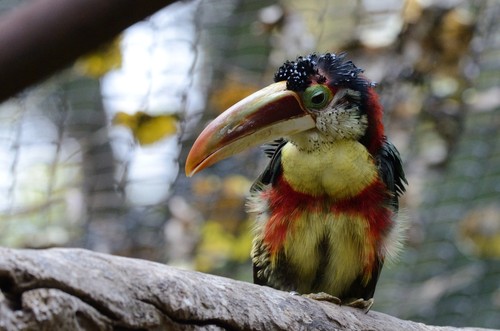
Curl-crested Aracari
41-46 cm (16-18 in) long, including a long bill and tail
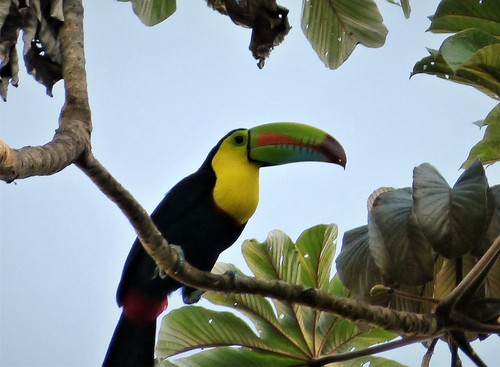
Keel-billed Toucan
42-55 cm (17-22 in) long including bill
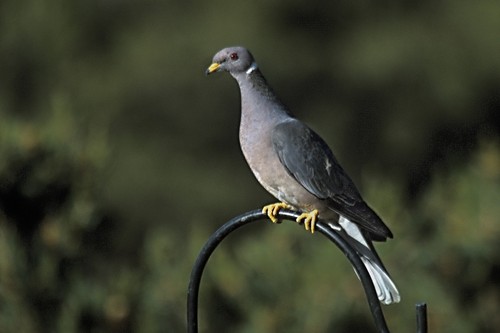
Band-tailed Pigeon
33-38 cm (13-15 in) long, wingspan about 66 cm (26 in)
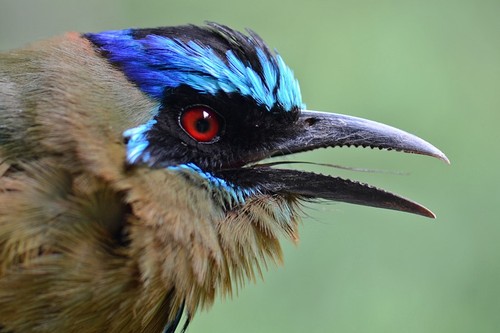
Blue-crowned Motmot
38-43 cm (15-17 in) long including tail
White-tipped Dove
27-30 cm (10.5-12 in) long, 38-43 cm wingspan
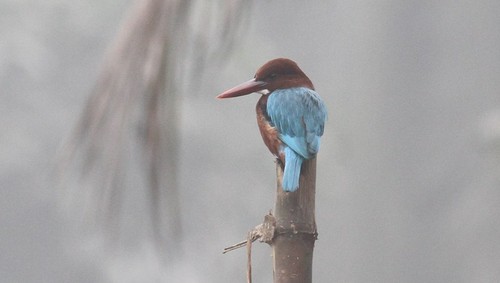
White-throated Kingfisher
27-28 cm (10.5-11 in) long
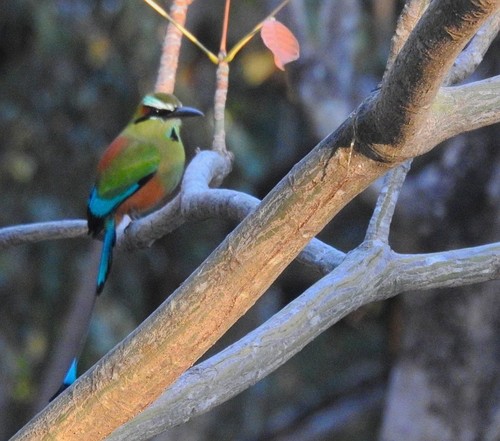
Turquoise-browed Motmot
34 cm (13 in) long including tail
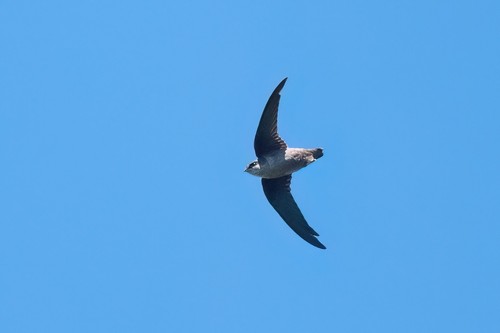
Vaux's Swift
10-12 cm (4-4.5 in) long, 27-30 cm wingspan
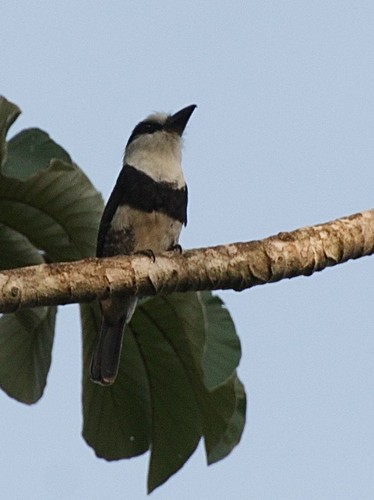
White-necked Puffbird
22-24 cm (8.5-9.5 in) long
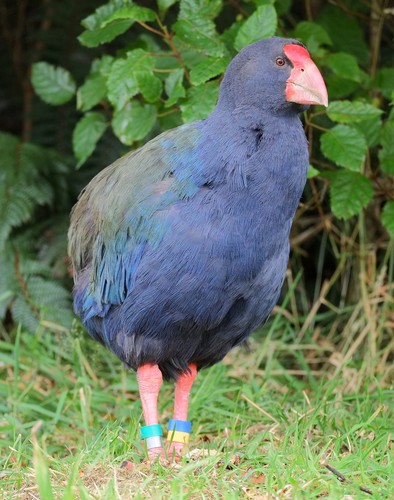
Takahe
50 cm (20 in) long, up to 3.5 kg; flightless
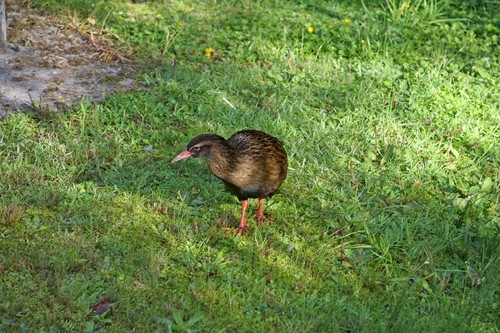
Weka
50-60 cm (20-24 in) long; flightless