
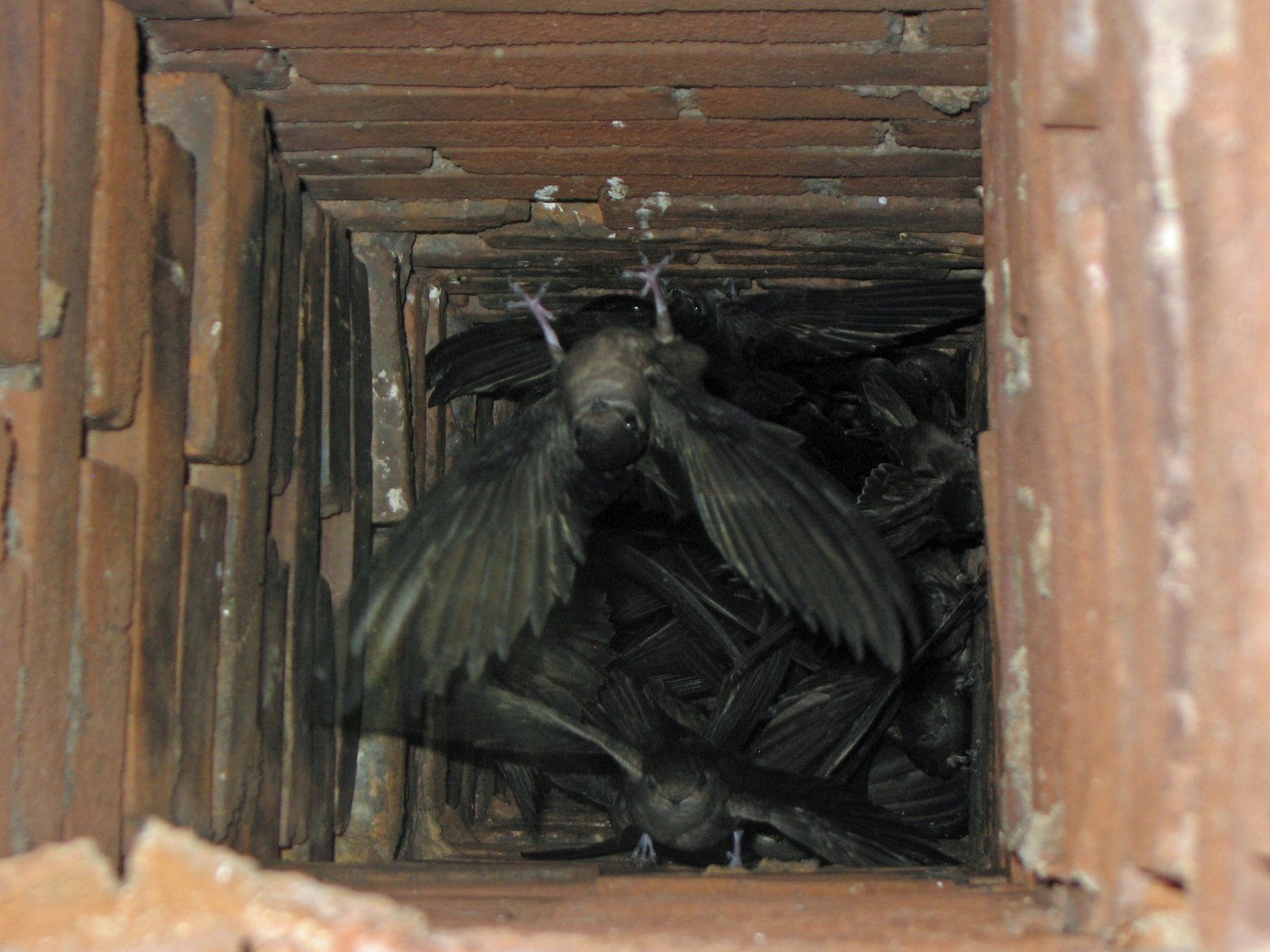
Chimney Swift
Chaetura pelagica
A dark, cigar-shaped aerial bird that nests almost exclusively in chimneys across eastern North America, spending nearly its entire life on the wing.
- Size
- 12-14 cm (5 in) long, 27-30 cm wingspan
- Habitat
- aerial; nests in chimneys and hollow trees, common over towns and cities in eastern North America
- Type
- other
Spotted a bird like this?
Identify any bird from a photo, free.
Overview
The Chimney Swift is a small, sooty gray-brown bird built almost entirely for life in the air—a stubby, cigar-shaped body, long narrow wings that appear stiffly bowed in flight, and a very short, squared tail. It never perches in the open the way most birds do; its tiny feet are suited only for clinging vertically to rough surfaces inside chimneys or hollow trees.
Once dependent on hollow trees for nesting and roosting, the species adapted readily to masonry chimneys as European settlement spread across eastern North America, giving rise to its common name. Large numbers can be seen swirling into chimneys at dusk during migration, a spectacle that draws birdwatchers to urban roost sites.
How to identify it
Key field marks
- Small, dark, cigar-shaped silhouette
- Long, narrow, stiffly bowed wings
- Very short, square tail
- Never perches in the open; always seen flying or clinging inside a chimney
Similar species
- Vaux's Swift: very similar but smaller, paler on the throat and rump, and largely restricted to the West; ranges barely overlap.
- Swallows: have broader-based wings, notched or forked tails, and often perch on wires, unlike swifts.
Habitat & range
Range and habitat
Chimney Swift breeds across the eastern United States and southeastern Canada, wherever chimneys, hollow trees, or similar vertical structures are available for nesting and roosting. It forages over towns, cities, farmland, and forest openings.
Migration
A long-distance migrant, wintering in the upper Amazon basin of Peru and Brazil—a wintering area only confirmed relatively recently through band recoveries.
Behavior & voice
Behavior
Spends nearly all of its waking hours in flight, foraging, drinking, and even gathering nest material on the wing; it clings to vertical surfaces to roost and nest but cannot perch like a typical bird.
Voice
A rapid, chattering series of high, ticking twitters given in flight.
Feeding
Catches flying insects exclusively on the wing, often foraging at considerable heights.
Nesting and breeding
Builds a small half-saucer nest of twigs glued together and to the chimney wall with the bird's own sticky saliva. The female incubates 3-5 eggs for about 3 weeks; large numbers roost communally in chimneys during migration.
Frequently asked questions
Why is it called a Chimney Swift?
Because it nests and roosts almost exclusively in chimneys and similar vertical structures, having adapted from its original habit of using hollow trees.
Can Chimney Swifts perch like other birds?
No, their tiny feet are adapted only for clinging to vertical surfaces; they cannot perch on branches or wires and spend nearly all their time in flight.
Where do Chimney Swifts spend the winter?
In the upper Amazon basin of Peru and Brazil.
How do you identify a Chimney Swift in flight?
Look for a small, dark, cigar-shaped body with long, stiffly bowed wings and a very short, square tail, flying with rapid, fluttery wingbeats.
Chimney Swift guides
In-depth guides for identifying, finding, and understanding Chimney Swift.
Other birds you may enjoy
Kiwi
35-55 cm (14-22 in) long; roughly chicken-sized
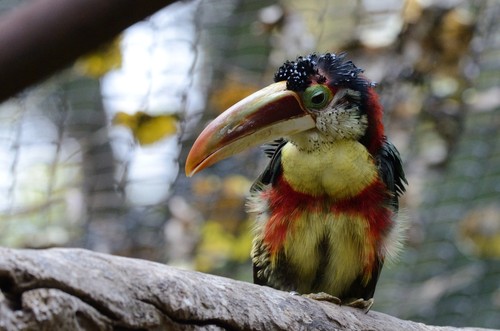
Curl-crested Aracari
41-46 cm (16-18 in) long, including a long bill and tail
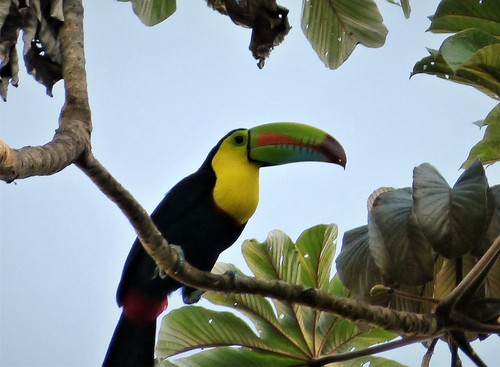
Keel-billed Toucan
42-55 cm (17-22 in) long including bill
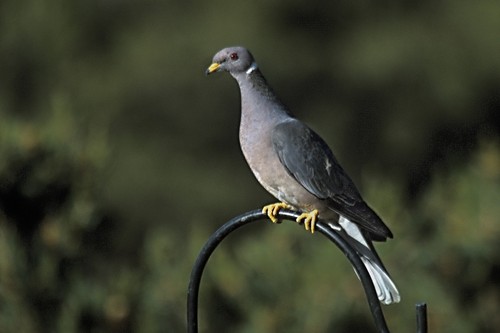
Band-tailed Pigeon
33-38 cm (13-15 in) long, wingspan about 66 cm (26 in)
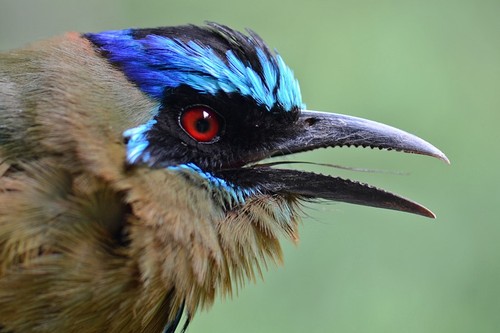
Blue-crowned Motmot
38-43 cm (15-17 in) long including tail
White-tipped Dove
27-30 cm (10.5-12 in) long, 38-43 cm wingspan

White-throated Kingfisher
27-28 cm (10.5-11 in) long
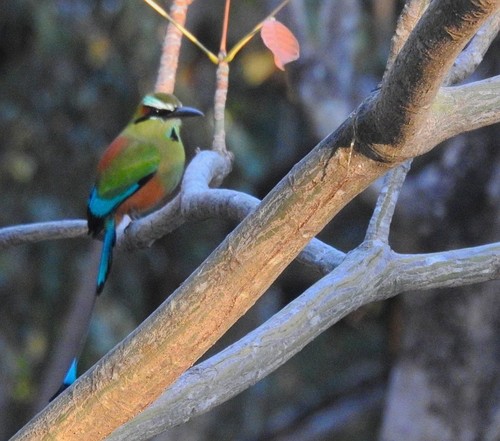
Turquoise-browed Motmot
34 cm (13 in) long including tail
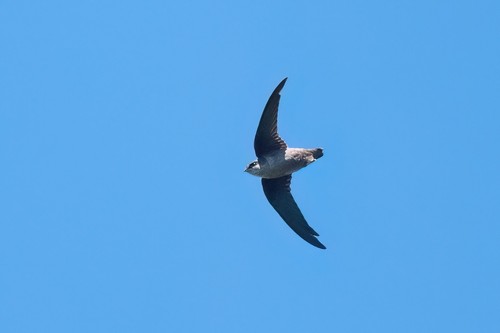
Vaux's Swift
10-12 cm (4-4.5 in) long, 27-30 cm wingspan
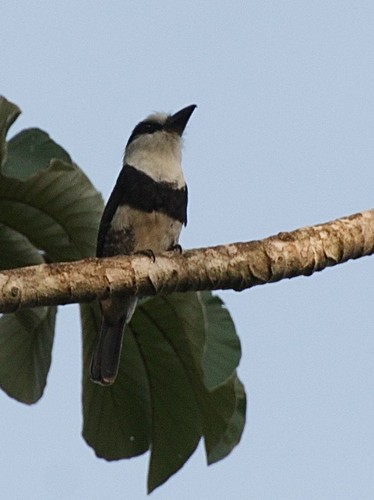
White-necked Puffbird
22-24 cm (8.5-9.5 in) long
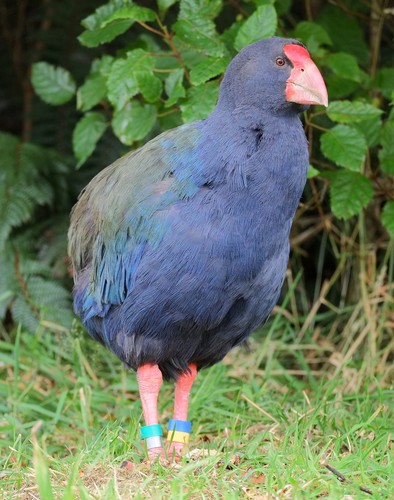
Takahe
50 cm (20 in) long, up to 3.5 kg; flightless
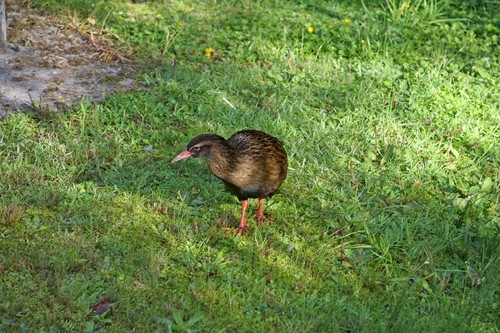
Weka
50-60 cm (20-24 in) long; flightless