
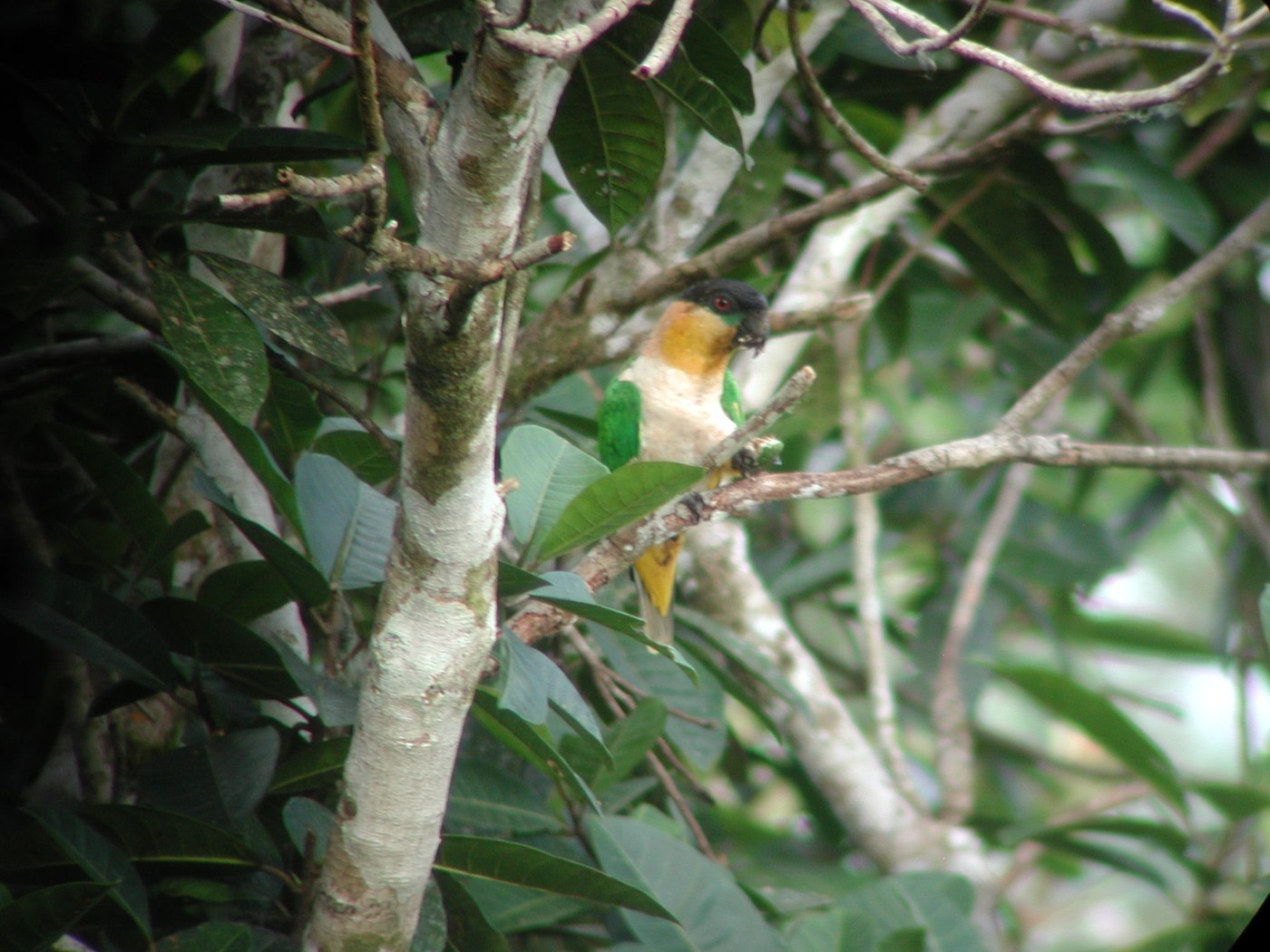
Caique
Pionites melanocephalus
A small, stocky Amazonian parrot with a bold black-or-orange cap, white underparts, and an energetic, acrobatic personality.
- Size
- About 23 cm (9 in) long; stocky build with a short, squared tail
- Habitat
- Lowland tropical rainforest, forest edge, and river-edge woodland of the Amazon basin
- Type
- parrot
Spotted a bird like this?
Identify any bird from a photo, free.
Overview
The name "Caique" refers to two closely related South American parrots in the genus Pionites: the Black-headed Caique (Pionites melanocephalus) of the northern Amazon, and the White-bellied Caique (Pionites leucogaster) of the southern and western Amazon. Both are small, compact parrots with an unmistakable tricolor pattern and a bouncy, almost comical gait.
Caiques have a short, blunt tail, a large head, and a heavy bill relative to their body size, giving them a stocky, top-heavy silhouette in flight. Plumage is boldly patterned in white, yellow-orange, and green, with a contrasting black or orange crown depending on species.
Appearance
- Crown black (Black-headed Caique) or orange (White-bellied Caique)
- Thighs and lower underparts bright yellow-orange
- Belly and breast white
- Back, wings, and tail green
- Bare grayish skin around the eye
How to identify it
Key field marks
- Small, short-tailed, big-headed parrot with a distinctly "bouncy" hopping walk
- Sharp contrast between the white belly/breast and the orange thighs and vent
- Black-headed Caique: solid black cap and nape, orange-yellow thighs and neck patch
- White-bellied Caique: orange-yellow crown and thighs, greenish-olive nape
Similar species
No other Amazonian parrot shares the caique's combination of a pure white breast against orange-and-green plumage, making adults straightforward to identify. Young birds show duller, more olive tones on the crown before molting into adult colors.
Habitat & range
Range
Caiques are found only in the tropical lowlands of the Amazon basin in South America. The Black-headed Caique occurs north of the Amazon River from Venezuela and the Guianas into northern Brazil, while the White-bellied Caique ranges south of the river through Brazil, Peru, Bolivia, and Ecuador.
Habitat
They inhabit humid lowland and terra firme rainforest, várzea (seasonally flooded forest), and forest edges, typically remaining in the canopy and subcanopy. They are non-migratory, sedentary residents of their forest ranges.
Behavior & voice
Behavior
Caiques are highly active, playful, and social, usually seen in pairs or small flocks moving through the canopy in search of fruiting trees. They often hang upside down and use their bill as a third limb while climbing.
Voice
Calls include sharp, high-pitched screeches and chattering notes, especially in flight or when flocks contact one another.
Feeding
They forage in the forest canopy for ripe and unripe fruit, seeds, nuts, flowers, and nectar, and will also take insects and larvae.
Nesting
Caiques nest in tree cavities, typically laying 2-4 eggs. Incubation lasts around 26 days, with young fledging roughly 10 weeks after hatching.
Frequently asked questions
What is a caique bird?
Caique is the common name for two small South American parrots in the genus Pionites: the Black-headed Caique and the White-bellied Caique, both native to the Amazon rainforest.
How do you tell a Black-headed Caique from a White-bellied Caique?
Black-headed Caiques have a solid black crown, while White-bellied Caiques have an orange-yellow crown and slightly duller back coloring.
Where do caiques live in the wild?
They live exclusively in the humid lowland rainforests of the Amazon basin in South America, staying mostly in the forest canopy.
What do wild caiques eat?
They eat a varied diet of fruit, seeds, nuts, blossoms, nectar, and occasional insects foraged in the forest canopy.
Are caiques endangered?
No, both caique species are currently listed as Least Concern by the IUCN, though habitat loss is a long-term concern.
Caique guides
In-depth guides for identifying, finding, and understanding Caique.
Other birds you may enjoy
Eclectus Parrot
35-42 cm (14-16.5 in) long
Western Rosella
25-30 cm (10-12 in) long
Superb Parrot
About 40 cm (16 in) long including a long tail
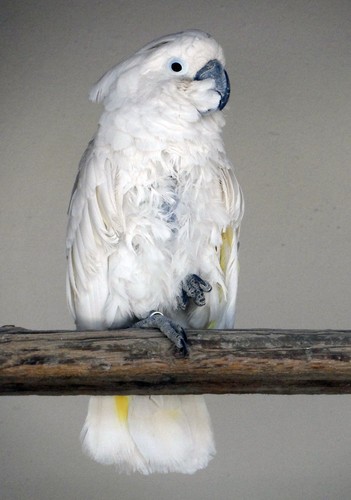
Umbrella Cockatoo
About 46 cm (18 in) long
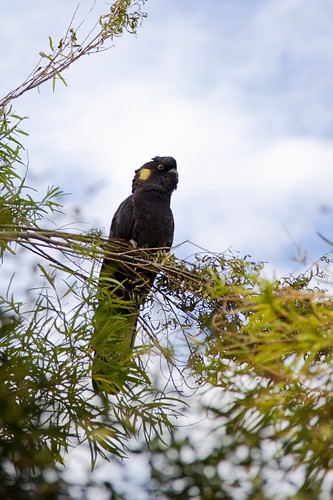
Yellow-tailed Black Cockatoo
55-65 cm long; wingspan up to about 130 cm
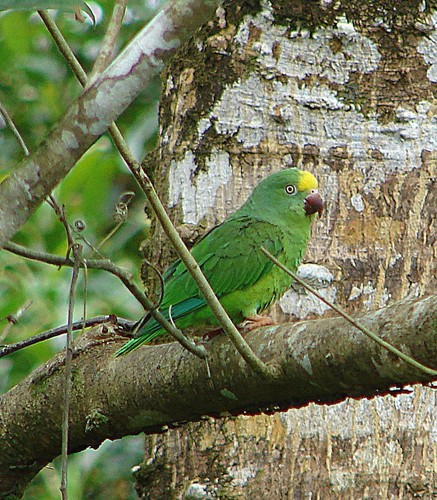
Yellow-crowned Amazon
About 35-38 cm (14-15 in) long
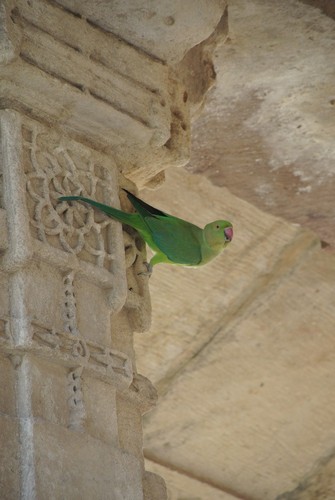
Rose-ringed Parakeet
40 cm (16 in) long including long tail
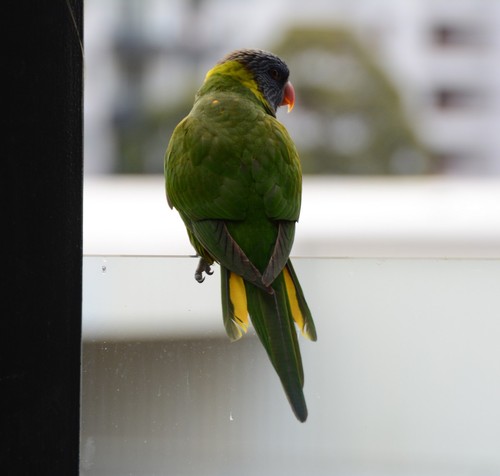
Rainbow Lorikeet
25-30 cm (10-12 in) long
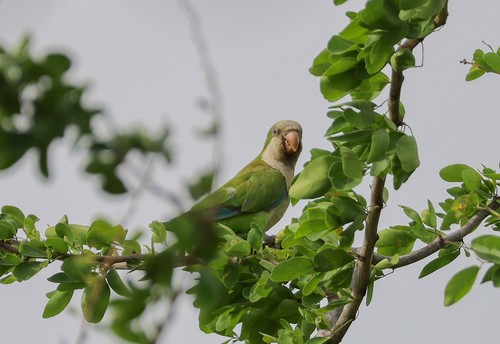
Quaker Parrot
28-31 cm (11-12 in) long
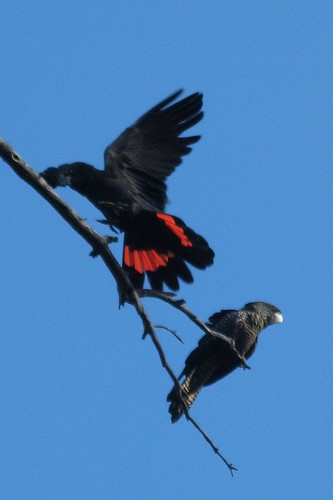
Red-tailed Black Cockatoo
55-65 cm long
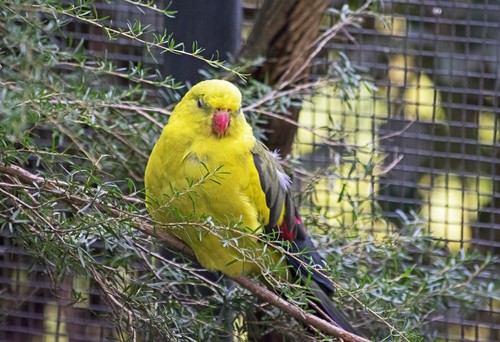
Regent Parrot
37-42 cm (15-17 in) long, including a long tail
Plum-headed Parakeet
33 cm (13 in) long including tail