
Bourke's Parrot
Neopsephotus bourkii
A small, soft pink-and-brown Australian grass parrot known for its gentle nature and dawn-and-dusk feeding habits.
- Size
- About 19-23 cm (7.5-9 in) long
- Habitat
- Arid and semi-arid woodland, mulga and acacia scrub of interior Australia
- Type
- parrot
Spotted a bird like this?
Identify any bird from a photo, free.
Overview
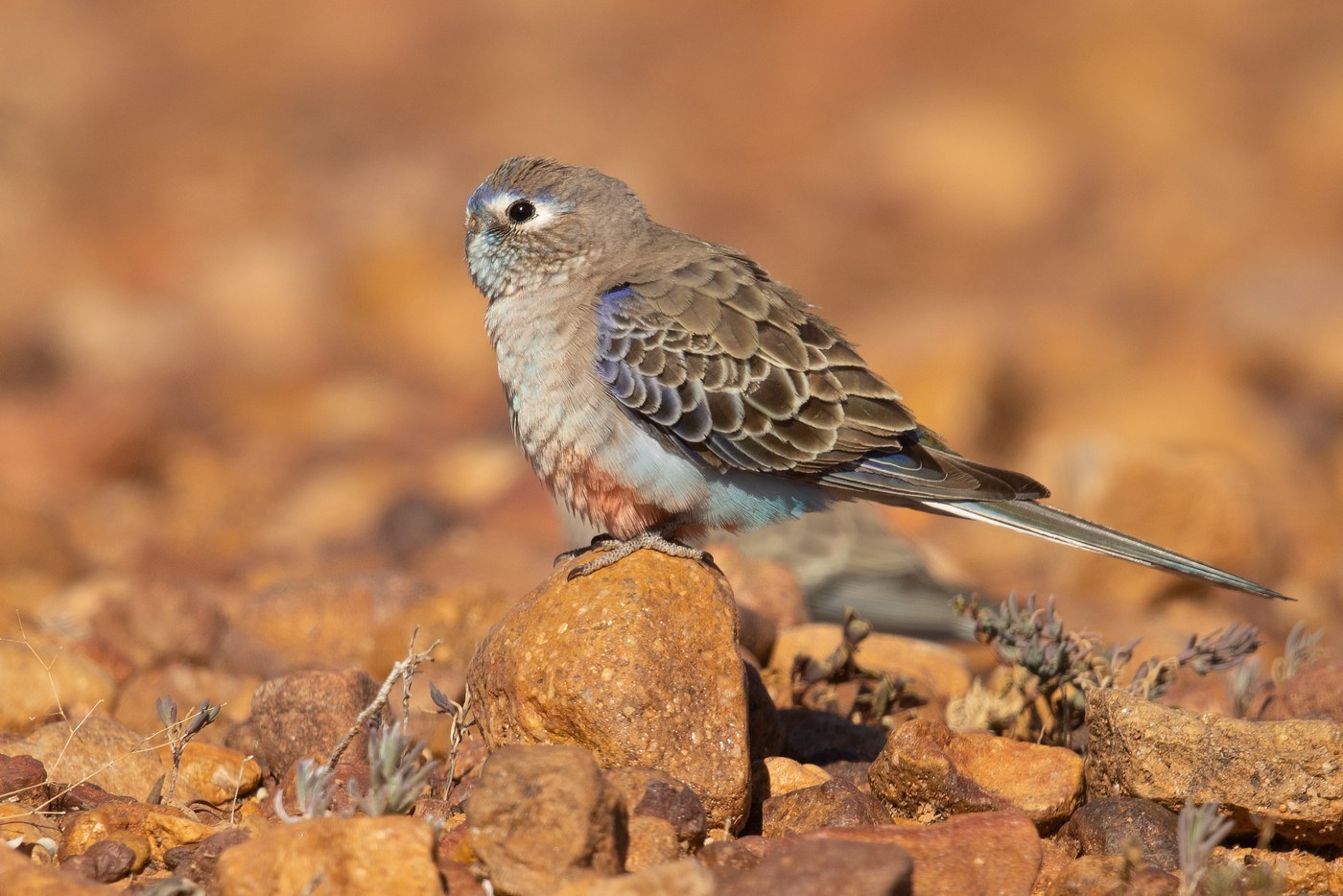
Bourke's Parrot is a small, slender grass parrot endemic to the arid interior of Australia. It is the sole member of the genus Neopsephotus, distinguished from related grass parrots by its uniquely soft, muted color palette.
Overall plumage is a warm grayish-brown above with a delicate pink flush across the breast and belly, and a pale blue rump and outer tail feathers. Males typically show a thin blue band across the forehead, which is faint or absent in females.
Plumage
- Upperparts brownish-gray with pale scalloping
- Breast and belly soft pink
- Rump and outer tail blue
- Forehead blue band (more distinct in males)
How to identify it
Key field marks
- Small, slim parrot with soft brown upperparts and a pink wash on the underparts
- Pale blue rump visible in flight
- Thin blue forehead band on males
- Quiet, unobtrusive behavior compared to louder parrots sharing its range
Similar species
Its muted brown-and-pink coloring is unlike any other Australian parrot, making confusion unlikely once seen well; in poor light it can appear drab and easily overlooked among scrub vegetation.
Habitat & range
Range
Bourke's Parrot is endemic to inland Australia, found patchily across the arid and semi-arid zones of Western Australia, the Northern Territory, South Australia, Queensland, and New South Wales.
Habitat
It favors mulga and acacia woodland, dry scrub, and open country near water, often roosting in dense low trees or shrubs. Populations are nomadic, shifting locally in response to rainfall and seed availability.
Behavior & voice
Behavior
Bourke's Parrot is unusually crepuscular for a parrot, being most active at dawn, dusk, and even into moonlit nights, when it flies to drink at waterholes and feed. During the heat of the day it rests quietly, well camouflaged in foliage.
Voice
Its calls are soft and musical, including a gentle two- or three-note contact call given in flight, quieter than the calls of many other grass parrots.
Feeding
It feeds mainly on the ground, taking fallen seeds of grasses and small herbaceous plants.
Nesting
Nesting occurs in tree hollows, usually low in dead trees or stumps, with a clutch of around 4-6 eggs incubated by the female for roughly 18 days.
Frequently asked questions
Why is Bourke's Parrot active at dusk and dawn?
It is one of the few crepuscular parrots, feeding and drinking mainly at twilight and sometimes at night to avoid the heat and predators of the arid interior.
What color is a Bourke's Parrot?
It has soft grayish-brown upperparts, a pink-washed breast and belly, and a pale blue rump and outer tail feathers.
Where is Bourke's Parrot found?
It is endemic to the arid and semi-arid interior of Australia, occurring patchily across several inland states.
What does Bourke's Parrot eat in the wild?
It feeds on the ground on seeds of grasses and small herbaceous plants.
Is Bourke's Parrot endangered?
No, it is listed as Least Concern, though it is naturally patchy and nomadic across its arid range.
Bourke's Parrot guides
In-depth guides for identifying, finding, and understanding Bourke's Parrot.
Other birds you may enjoy
Eclectus Parrot
35-42 cm (14-16.5 in) long
Western Rosella
25-30 cm (10-12 in) long
Superb Parrot
About 40 cm (16 in) long including a long tail
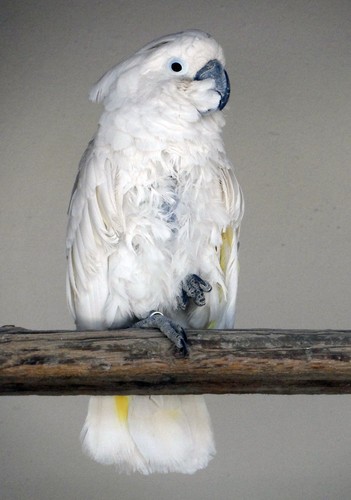
Umbrella Cockatoo
About 46 cm (18 in) long
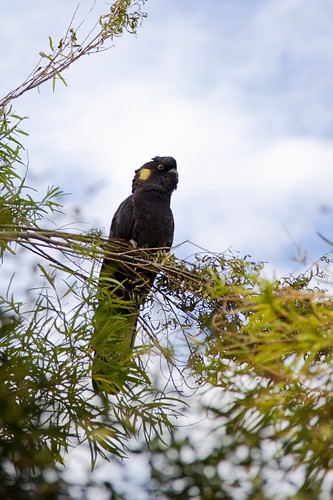
Yellow-tailed Black Cockatoo
55-65 cm long; wingspan up to about 130 cm
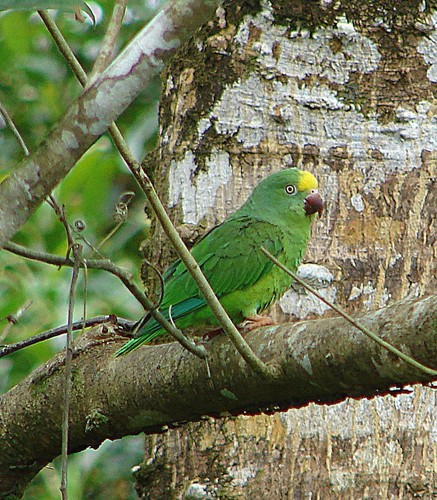
Yellow-crowned Amazon
About 35-38 cm (14-15 in) long
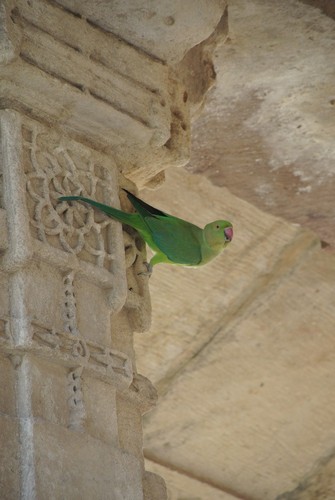
Rose-ringed Parakeet
40 cm (16 in) long including long tail
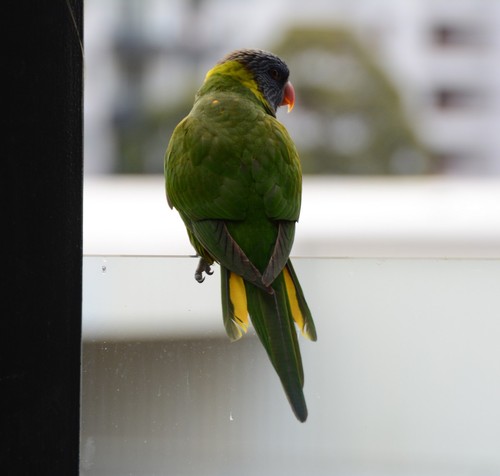
Rainbow Lorikeet
25-30 cm (10-12 in) long
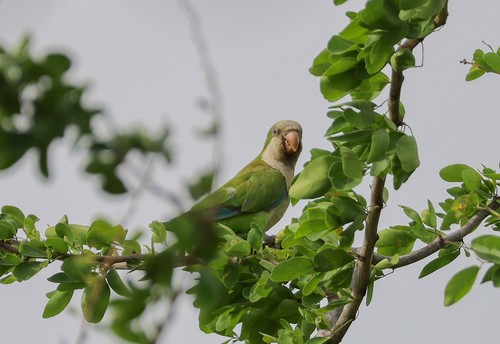
Quaker Parrot
28-31 cm (11-12 in) long
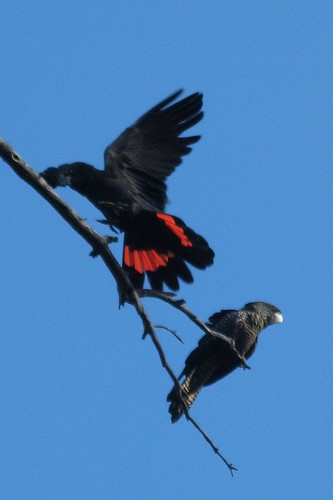
Red-tailed Black Cockatoo
55-65 cm long
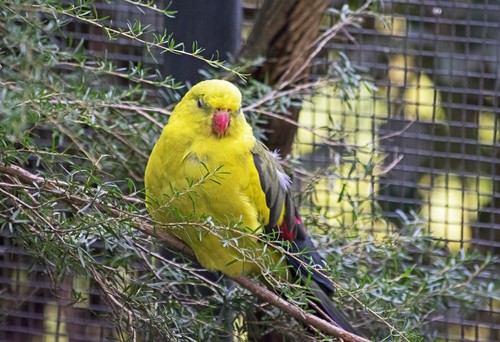
Regent Parrot
37-42 cm (15-17 in) long, including a long tail
Plum-headed Parakeet
33 cm (13 in) long including tail