
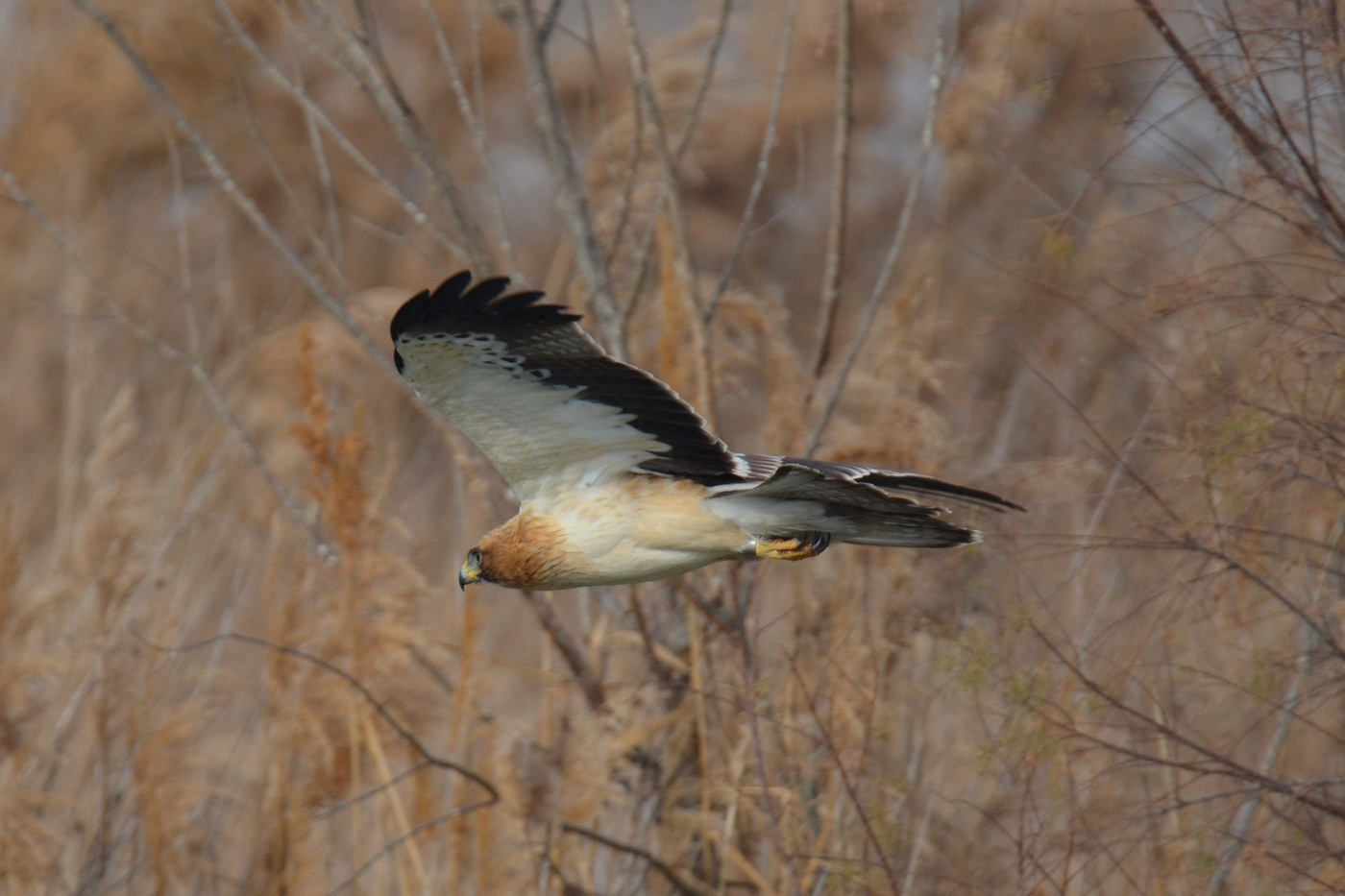
Booted Eagle
Hieraaetus pennatus
A small, buzzard-sized eagle occurring in pale and dark color morphs, the Booted Eagle is a long-distance migrant that hunts small birds and reptiles over open country near woodland.
- Size
- Body 42–51 cm (17–20 in); wingspan 110–132 cm (43–52 in); a small, buzzard-sized eagle
- Habitat
- Open and mixed woodland near open hunting ground and forest edges
- Type
- raptor
Spotted a bird like this?
Identify any bird from a photo, free.
Overview
The Booted Eagle is the smallest of the widespread "true eagle" relatives found in Europe, roughly comparable in size to a Common Buzzard, though built with a longer tail and more elegant proportions typical of eagles. Like other true eagles, its legs are fully feathered down to the toes, giving rise to its common name.
The species occurs in two distinct color morphs: a pale morph with buffy-white body and underwing coverts contrasting against dark flight feathers, and a dark morph that is nearly uniform dark brown overall. Both morphs share pale patches at the base of the wings near the shoulders, often called "landing lights," a useful identification feature in flight.
How to identify it
Key field marks
- Small, buzzard-like size with a longer tail than a buzzard
- Two color morphs: pale (buffy-white body, dark flight feathers) and dark (nearly uniform dark brown)
- Pale "landing light" patches at the base of the wings near the shoulders in both morphs
- Fully feathered legs down to the toes
- Square-ish tail and relatively small head
Similar species
Pale morph birds can be confused with juvenile Short-toed Snake Eagles, which are larger with a bigger, owl-like head, or with Common Buzzards, which have unfeathered legs and a different wing shape. Dark morph birds can suggest a Black Kite, but the kite shows a distinctly forked tail versus the Booted Eagle's square tail.
Habitat & range
Range
The Booted Eagle breeds across southern Europe, North Africa, and temperate Asia eastward to Mongolia and northern India, with northern and western populations being long-distance migrants.
Habitat
It favors wooded hills and forest edges situated near open country, using trees for nesting and roosting while hunting over adjacent open or lightly vegetated ground.
Migration
Northern breeding populations are strongly migratory, wintering mainly in sub-Saharan Africa and South Asia, often traveling in loose flocks or kettles alongside other migrating raptors at recognized migration bottlenecks.
Behavior & voice
Hunting and feeding
The Booted Eagle hunts with an agile, almost falcon-like flight style, often soaring high before stooping steeply onto prey such as small birds, lizards, and small mammals caught by surprise.
Voice
It is relatively quiet, giving shrill, high-pitched calls mainly near the nest during the breeding season.
Nesting and breeding
Pairs build a stick nest in a tree, sometimes reusing old nests built by crows or other raptors, and typically lay one to two eggs. Migratory populations return to breeding grounds in spring and depart again in autumn for wintering areas in Africa or Asia.
Frequently asked questions
What are the two color morphs of the Booted Eagle?
A pale morph with buffy-white body and underwing coverts contrasting with dark flight feathers, and a dark morph that is nearly uniformly dark brown; both share pale patches near the wing shoulders.
How big is a Booted Eagle?
It is a small eagle, roughly the size of a Common Buzzard, with a wingspan of about 110 to 132 cm (43-52 in).
Is the Booted Eagle migratory?
Yes, northern breeding populations migrate long distances, wintering mainly in sub-Saharan Africa and South Asia.
What does the Booted Eagle eat?
Small birds, lizards, and small mammals, typically caught after a steep stoop from high soaring flight.
How can you tell a Booted Eagle from a Common Buzzard?
The Booted Eagle has fully feathered legs down to the toes, a longer tail, and pale shoulder patches, while the Common Buzzard has unfeathered legs and a shorter, more compact silhouette.
Booted Eagle guides
In-depth guides for identifying, finding, and understanding Booted Eagle.
Other birds you may enjoy
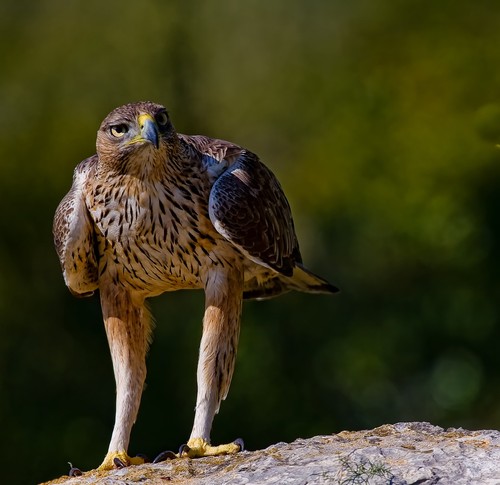
Bonelli's Eagle
Body 65–72 cm (26–28 in); wingspan 150–180 cm (59–71 in)
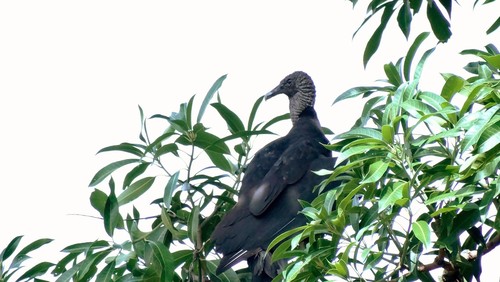
Black Vulture
56-68 cm (22-27 in) long, 137-165 cm wingspan
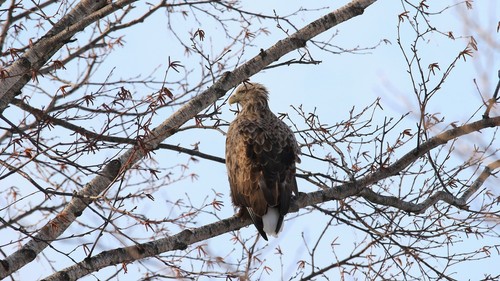
White-tailed Eagle
66-94 cm body length; wingspan 178-245 cm, among the largest eagles in the world
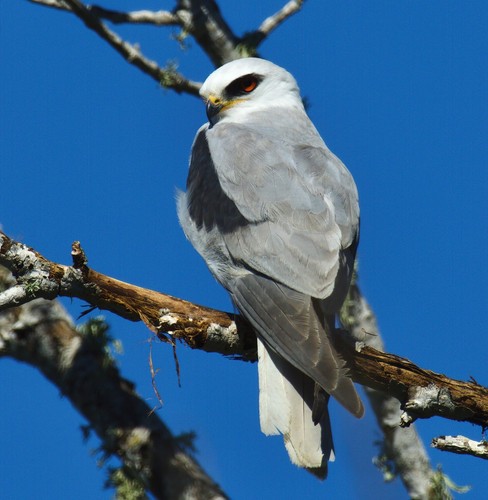
White-tailed Kite
35-43 cm (14-17 in) long, 88-102 cm (35-40 in) wingspan
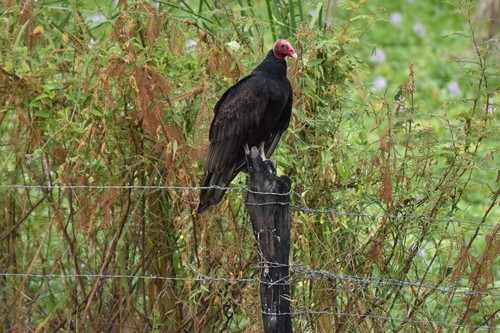
Turkey Vulture
64-81 cm (25-32 in) long, 160-183 cm wingspan
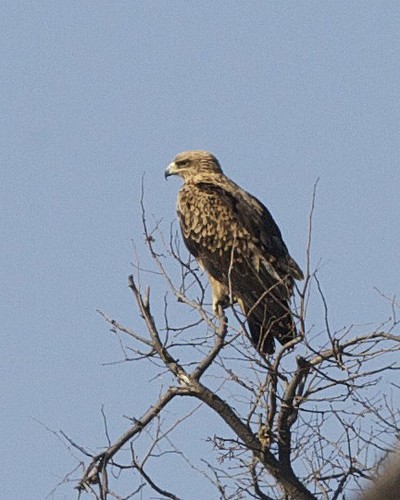
Tawny Eagle
62–75 cm long; wingspan 1.65–2.0 m
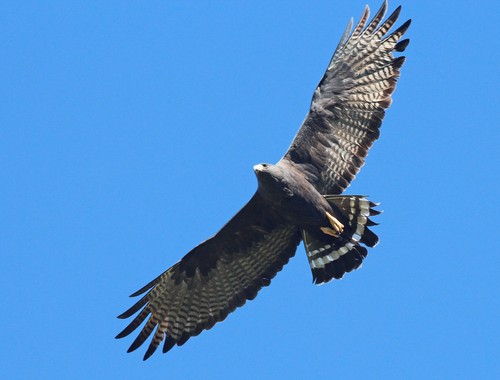
Zone-tailed Hawk
46-56 cm (18-22 in) long, 118-140 cm (46-55 in) wingspan
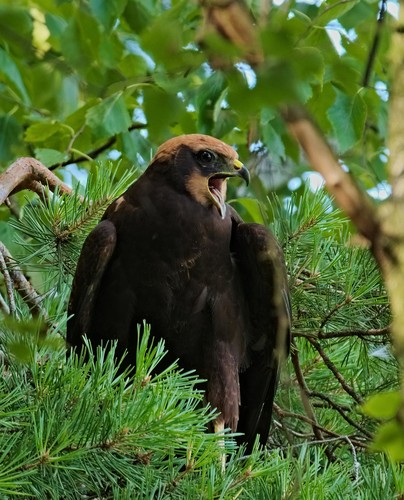
Western Marsh Harrier
Body 43-56 cm; wingspan 115-140 cm
Swallow-tailed Kite
48-68 cm (19-27 in) long including tail streamers, 112-136 cm (44-54 in) wingspan
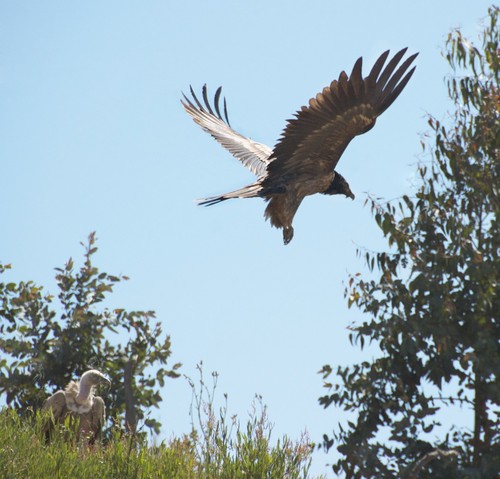
White-backed Vulture
78-98 cm long, wingspan 1.96-2.25 m
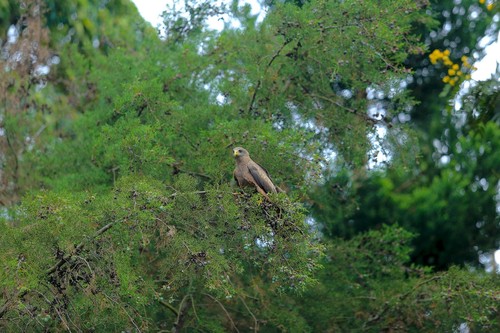
Yellow-billed Kite
55-60 cm long; wingspan 130-155 cm
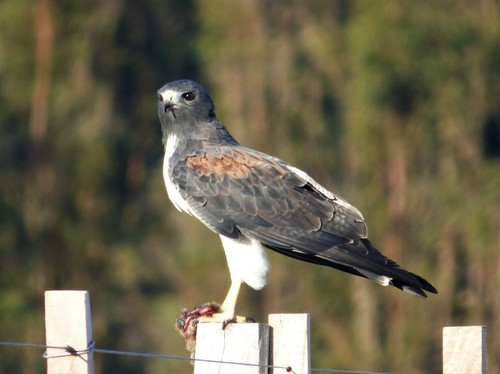
White-tailed Hawk
46-59 cm (18-23 in) long, 122-142 cm (48-56 in) wingspan