
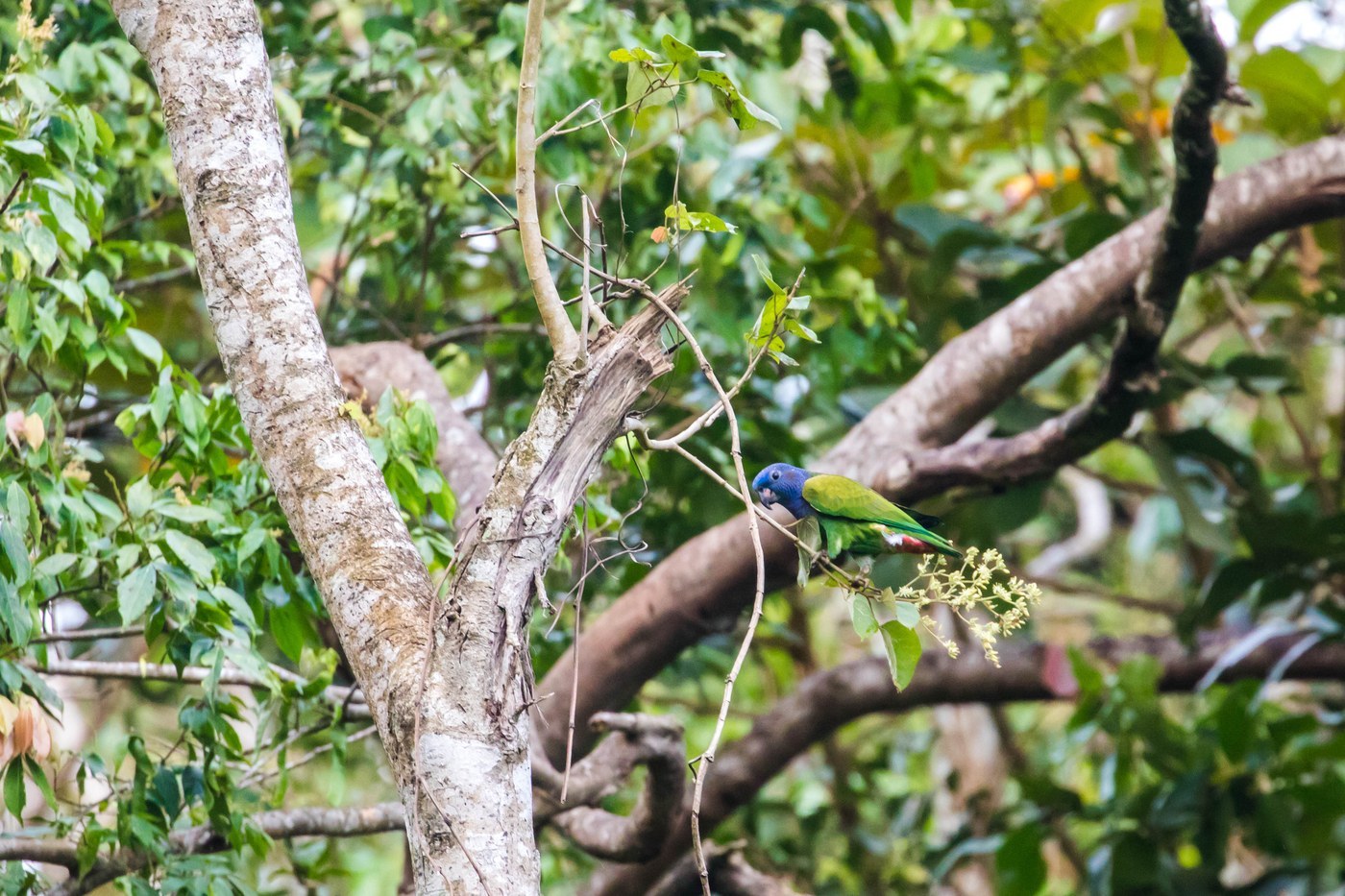
Blue-headed Parrot
Pionus menstruus
A stocky, short-tailed parrot with a rich blue head and neck, green body, and a bare pinkish-red patch of skin around the eye.
- Size
- 27-29 cm (11 in) long
- Habitat
- humid forest, forest edge, and clearings
- Type
- parrot
Spotted a bird like this?
Identify any bird from a photo, free.
Overview
The Blue-headed Parrot is a compact, short-tailed parrot with a deep, cobalt-blue head and neck that stand out sharply against its otherwise mostly green body. The undertail coverts show patches of red, and a bare, pinkish-red ring of skin encircles the eye, adding a further splash of color to an already distinctive face.
A highly social species, it is usually encountered in noisy, fast-flying flocks moving between fruiting trees, its stocky build and short square tail giving it a distinctive silhouette in flight compared to the longer-tailed parakeets and macaws that often share its habitat.
How to identify it
Key field marks
- Rich, deep blue head and neck contrasting with a green body
- Short, square-tipped tail typical of Pionus parrots
- Bare pinkish-red skin around the eye
- Red patches on the undertail coverts
Similar species
- Bronze-winged Parrot lacks the extensive blue head, showing mostly green plumage with a purplish-bronze wing tint instead.
- Amazon parrots such as the Mealy Parrot are larger with proportionally longer tails and lack the solidly blue head of the Blue-headed Parrot.
Habitat & range
Habitat
Inhabits humid lowland and foothill forest, forest edge, and cultivated clearings with scattered trees.
Range
Found from Costa Rica south through much of northern and central South America, including the Amazon basin.
Migration
Non-migratory, though flocks may move locally in search of fruiting trees.
Behavior & voice
Behavior
Highly social, usually traveling in fast-flying, noisy flocks between roosting and feeding sites, often mixing with other parrot species at fruiting trees.
Voice
Sharp, screeching calls given in flight, along with softer chattering notes while feeding.
Feeding
Feeds mainly on fruit, seeds, nuts, and flowers gathered in the forest canopy.
Nesting
Nests in tree cavities, often reusing old woodpecker holes; lays 3-5 white eggs, incubated mainly by the female.
Frequently asked questions
How do you identify a Blue-headed Parrot?
Look for a stocky, short-tailed parrot with a deep blue head and neck, a green body, and reddish skin around the eye.
What does a Blue-headed Parrot eat?
Mainly fruit, seeds, nuts, and flowers gathered from the forest canopy.
Where does the Blue-headed Parrot live?
In humid forest and forest edge from Costa Rica through much of northern and central South America.
Are Blue-headed Parrots social birds?
Yes, they are highly social and are usually seen in noisy flocks, often mixing with other parrot species at fruiting trees.
Blue-headed Parrot guides
In-depth guides for identifying, finding, and understanding Blue-headed Parrot.
Other birds you may enjoy
Eclectus Parrot
35-42 cm (14-16.5 in) long
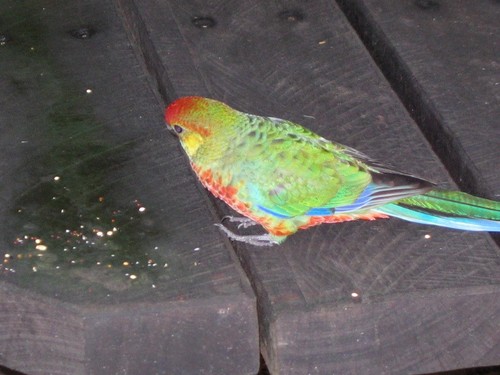
Western Rosella
25-30 cm (10-12 in) long
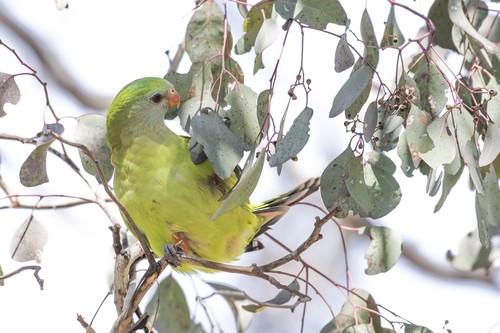
Superb Parrot
About 40 cm (16 in) long including a long tail
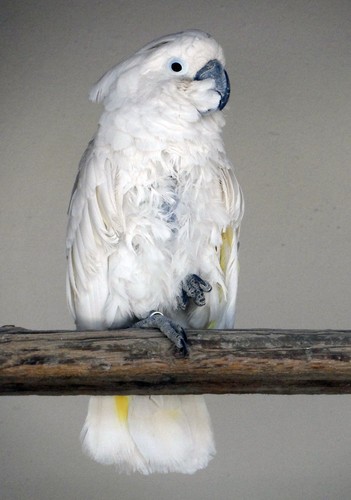
Umbrella Cockatoo
About 46 cm (18 in) long
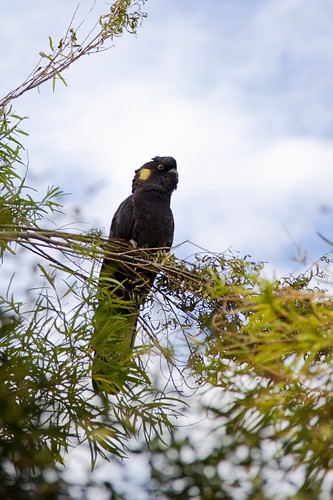
Yellow-tailed Black Cockatoo
55-65 cm long; wingspan up to about 130 cm
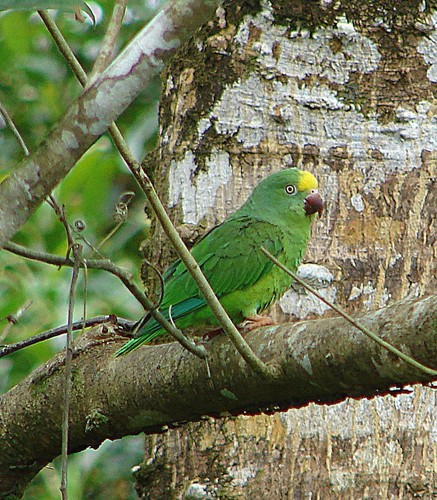
Yellow-crowned Amazon
About 35-38 cm (14-15 in) long
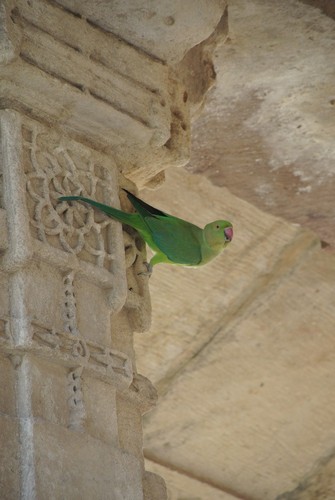
Rose-ringed Parakeet
40 cm (16 in) long including long tail
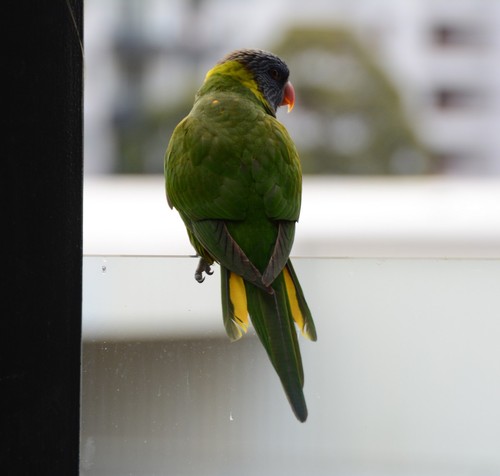
Rainbow Lorikeet
25-30 cm (10-12 in) long
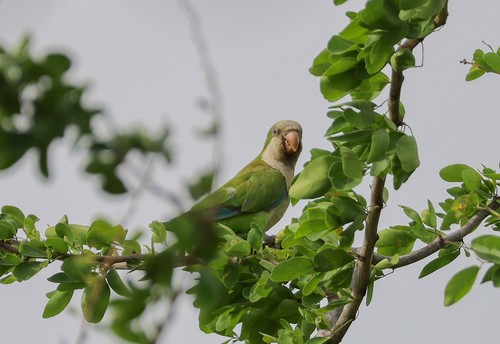
Quaker Parrot
28-31 cm (11-12 in) long
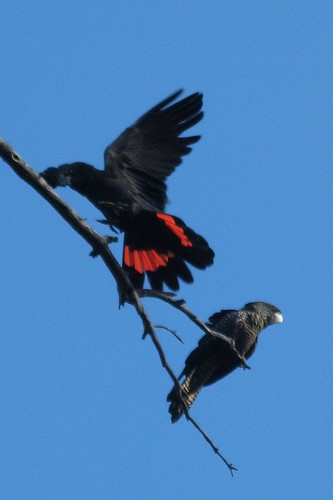
Red-tailed Black Cockatoo
55-65 cm long
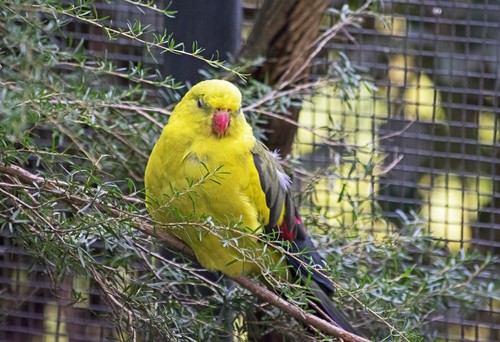
Regent Parrot
37-42 cm (15-17 in) long, including a long tail
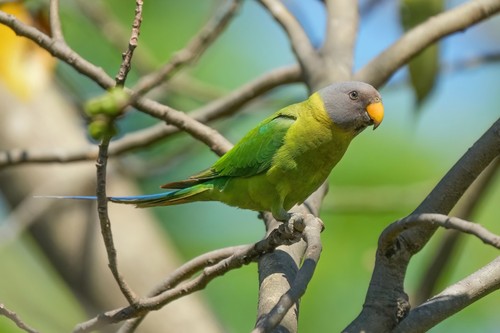
Plum-headed Parakeet
33 cm (13 in) long including tail