
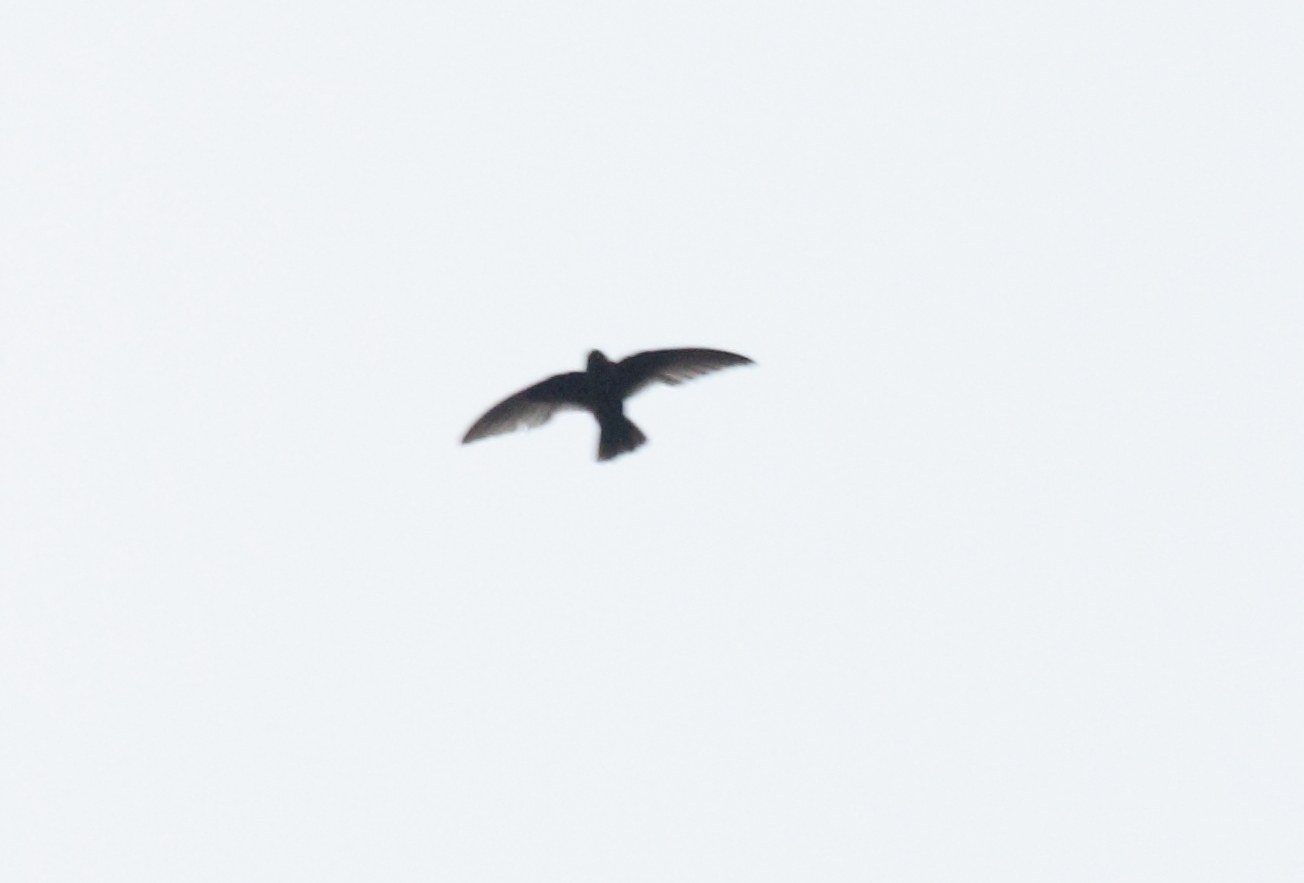
Black Swift
Cypseloides niger
The largest North American swift, an all-dark bird that nests almost exclusively on cliff ledges behind or near waterfalls and in coastal sea caves.
- Size
- 17-18 cm (7 in) long, 38-42 cm wingspan
- Habitat
- cliffs behind waterfalls, sea caves, and high mountain terrain of western North America and the Caribbean
- Type
- other
Spotted a bird like this?
Identify any bird from a photo, free.
Overview
The Black Swift is a large, entirely sooty-black swift with long, broad-based wings and a slightly forked tail; some individuals show fine whitish speckling on the forehead, but overall it appears nearly uniform dark at a distance. It is the largest swift regularly found in North America and one of the least-known North American breeding birds due to its extremely remote and inaccessible nest sites.
It nests almost exclusively on damp cliff ledges directly behind or beside waterfalls, in sea caves along the Pacific coast, or on other precipitous, wet rock faces—habitat that is difficult for researchers to access, which long obscured basic facts about the species, including its wintering grounds in the Amazon basin of Brazil, only confirmed via geolocator tracking in the 2010s.
How to identify it
Key field marks
- Large size (largest North American swift)
- Entirely sooty black, sometimes with faint whitish forehead speckling
- Slightly forked tail, long broad-based wings
Similar species
- White-throated Swift: bold black-and-white pattern, smaller.
- Vaux's and Chimney Swift: smaller, browner, more uniformly cigar-shaped without the forked tail.
- Swallows: broader-winged with less stiff, more fluttery flight and different tail shapes.
Habitat & range
Range and habitat
Black Swift breeds very locally in western North America—from British Columbia and Alberta south through the western US to Mexico and Central America—and in parts of the Caribbean, nesting almost exclusively at sites with high humidity and inaccessibility, such as ledges behind waterfalls, sea caves, and steep, wet cliff faces.
Migration
A long-distance migrant; satellite and geolocator tracking has shown that North American breeders winter in the Amazon basin of western Brazil, a discovery made only in the past couple of decades.
Behavior & voice
Behavior
Forages high in the air, sometimes ranging many kilometers from the nest site in search of swarming insects, and can travel long distances ahead of approaching storm fronts to find better feeding conditions.
Voice
Generally quiet; soft twittering notes are given occasionally near the nest site.
Feeding
Specializes on swarming flying insects, particularly flying ants and termites, taken in aerial pursuit, often far from the breeding cliffs.
Nesting and breeding
Builds a small moss nest on a bare rock ledge in a location kept constantly damp by spray, typically behind or beside a waterfall or in a sea cave. A single egg is laid and incubated for roughly 3-4 weeks, one of the longest incubation periods relative to body size of any North American bird.
Frequently asked questions
Where does the Black Swift nest?
On damp cliff ledges, almost always behind or beside waterfalls or in coastal sea caves, in sites that are naturally protected from predators by their inaccessibility.
Where do Black Swifts spend the winter?
Tracking studies have shown that North American breeding birds migrate to the Amazon basin of western Brazil.
Why is the Black Swift considered Vulnerable?
It has a small, patchily distributed population, highly specialized nest-site requirements, and faces threats from climate change effects on waterfalls and water sources it depends on.
What does a Black Swift eat?
Flying insects, with a particular preference for swarms of flying ants and termites.
Black Swift guides
In-depth guides for identifying, finding, and understanding Black Swift.
Other birds you may enjoy
Kiwi
35-55 cm (14-22 in) long; roughly chicken-sized
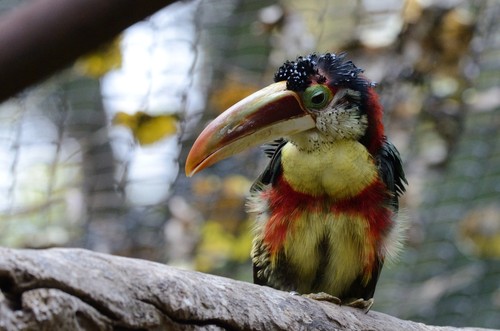
Curl-crested Aracari
41-46 cm (16-18 in) long, including a long bill and tail
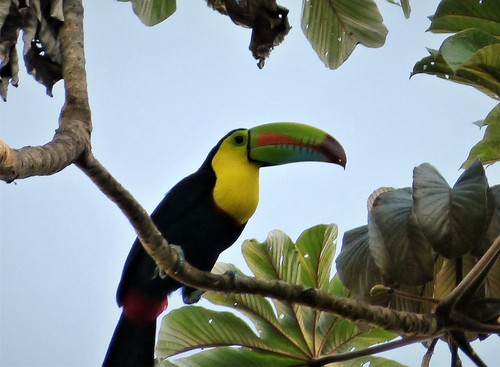
Keel-billed Toucan
42-55 cm (17-22 in) long including bill
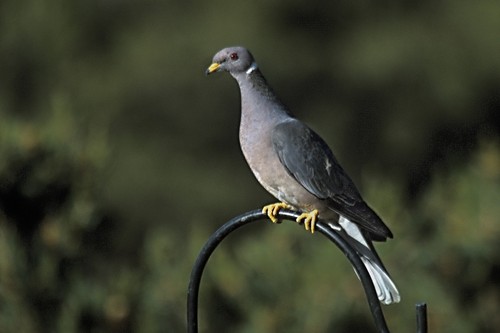
Band-tailed Pigeon
33-38 cm (13-15 in) long, wingspan about 66 cm (26 in)
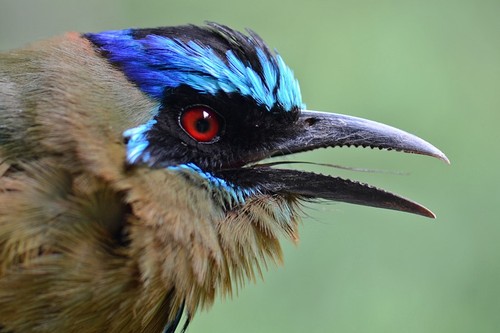
Blue-crowned Motmot
38-43 cm (15-17 in) long including tail
White-tipped Dove
27-30 cm (10.5-12 in) long, 38-43 cm wingspan
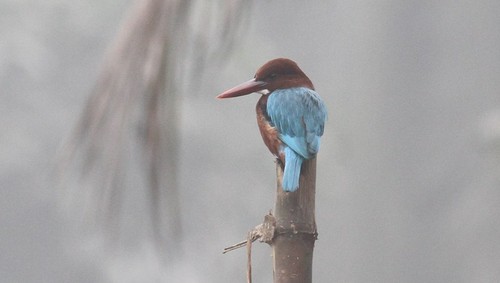
White-throated Kingfisher
27-28 cm (10.5-11 in) long
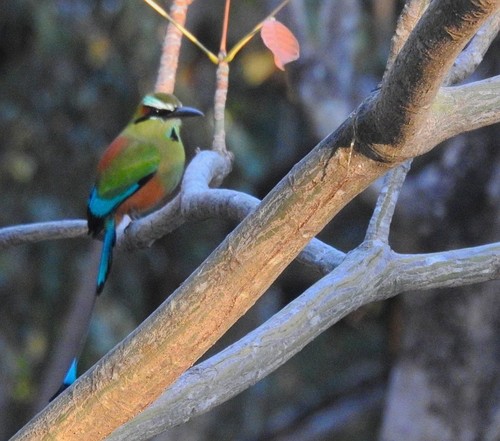
Turquoise-browed Motmot
34 cm (13 in) long including tail
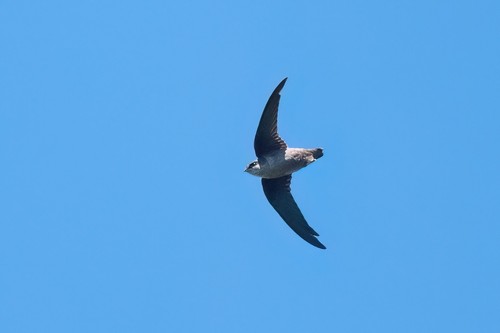
Vaux's Swift
10-12 cm (4-4.5 in) long, 27-30 cm wingspan
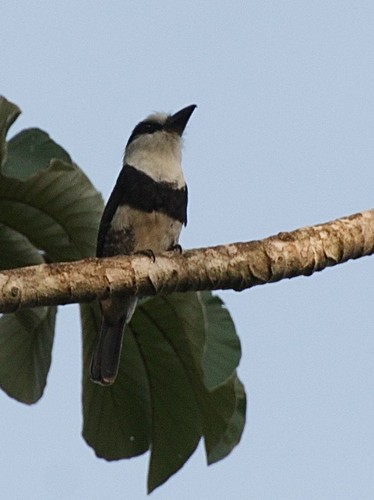
White-necked Puffbird
22-24 cm (8.5-9.5 in) long
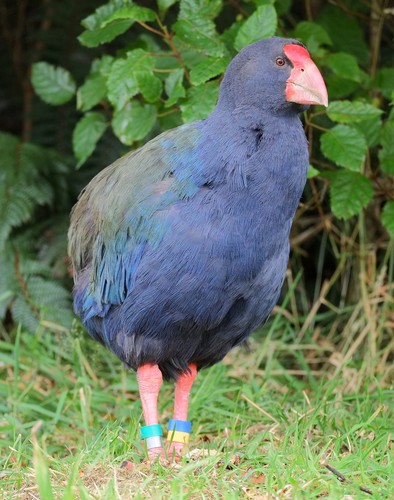
Takahe
50 cm (20 in) long, up to 3.5 kg; flightless
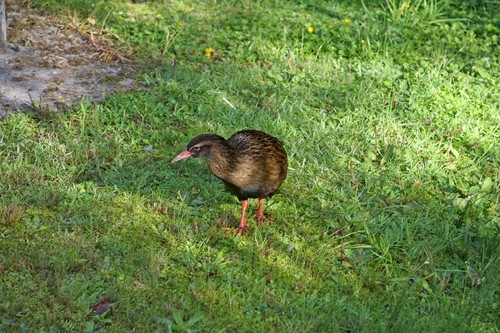
Weka
50-60 cm (20-24 in) long; flightless