
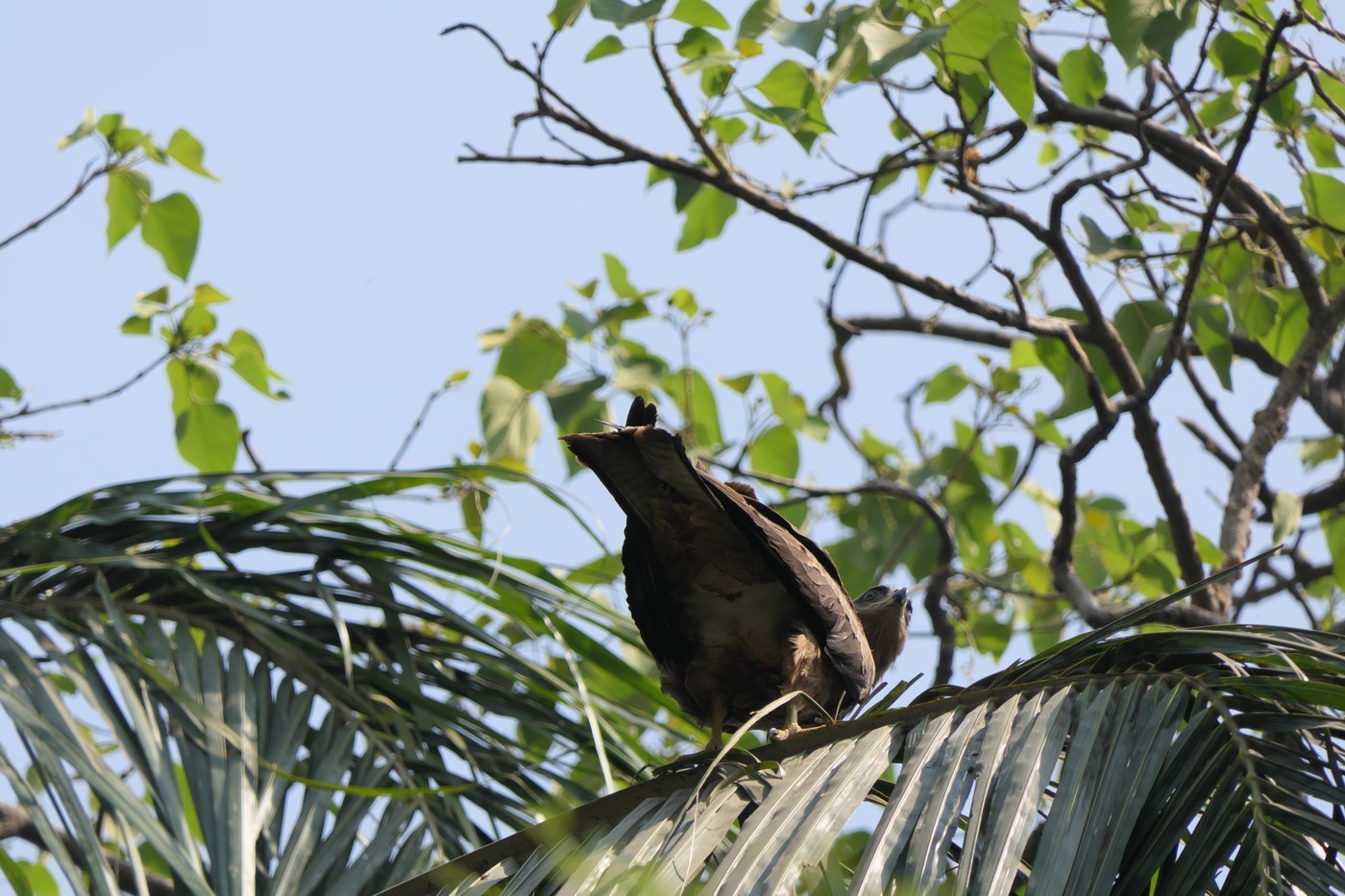
Black Kite
Milvus migrans
A widespread, adaptable brown raptor with a shallowly forked tail, often seen scavenging in large numbers near towns and water.
- Size
- Body 55-60 cm; wingspan 145-165 cm
- Habitat
- Open country, wetlands, farmland, rivers, and towns and refuse sites across warmer regions
- Type
- raptor
Spotted a bird like this?
Identify any bird from a photo, free.
Overview
The Black Kite is one of the most abundant and widely distributed raptors in the world, found across much of Europe, Asia, Africa, and Australasia. It is a highly adaptable scavenger, often gathering in large numbers wherever food is easily available.
Appearance
- Overall dark sooty-brown plumage with slightly paler, streaked head.
- Wings are long and angled with a pale patch at the base of the primaries, less contrasting than in the Red Kite.
- Tail is only shallowly notched or forked, appearing almost square-ended when fanned.
- Sexes similar; juveniles show paler streaking and spotting.
How to identify it
Key field marks
- Shallowly forked tail, often looking nearly straight-edged when spread
- Uniform dark brown plumage lacking strong rufous tones
- Long, angled wings with a faint pale primary patch
- Frequently seen in loose flocks, especially on migration or at food sources
Similar species
- Red Kite is more rufous overall with a much deeper tail fork and a stronger pale wing panel.
- Common Buzzard has broader, shorter wings, a rounded fanned tail, and soars with wings raised in a shallow V.
- Marsh Harrier shows a slimmer build, longer legs trailing in flight, and glides low with wings in a V over wetlands.
Habitat & range
Habitat
Highly adaptable, using open farmland, wetlands, rivers, lakesides, savanna, and urban areas including markets and rubbish dumps; frequently associates with human settlements.
Range
Breeds across southern Europe, much of Africa, and temperate to tropical Asia through to Australia, with several recognized subspecies. European and central Asian populations are strongly migratory.
Migration
European and northern Asian breeders migrate long distances to sub-Saharan Africa and South Asia for the winter, often traveling and roosting in large communal flocks; African and southern Asian populations are largely resident.
Behavior & voice
Behavior
Gregarious and opportunistic, frequently gathering in large numbers at abundant food sources such as rubbish tips, fish-drying areas, and grass fires, where it snatches fleeing prey; migrates in large, loose flocks that can number in the thousands at bottleneck sites.
Voice
Gives a shrill, whinnying call, a series of high thin whistled notes often rendered as 'peee-he-he-he', distinct from the mewing call of the Red Kite.
Feeding
A generalist scavenger and opportunist, eating carrion, fish, insects, and small vertebrates, and famous for snatching food scraps in mid-air, including directly from people in some regions.
Nesting & breeding
Builds an untidy stick nest in a tree, sometimes in loose colonies; lays 2-3 eggs; both parents help raise the young, often incorporating rubbish and bright objects into the nest lining.
Frequently asked questions
How do you tell a Black Kite from a Red Kite?
Black Kites are more uniformly dark brown with only a shallow tail fork, while Red Kites are richer rufous with a much deeper, more obvious forked tail.
Why do Black Kites gather in large flocks?
They are highly gregarious scavengers that congregate wherever food is abundant, such as rubbish dumps, fires, and fishing areas, and they migrate in large communal flocks.
What do Black Kites eat?
They are opportunistic scavengers and hunters, taking carrion, fish, insects, and small vertebrates, and readily snatch food scraps near people.
Where do Black Kites migrate to in winter?
European and Asian breeding populations migrate long distances to sub-Saharan Africa and South Asia, often traveling in large flocks.
Is the Black Kite the most common raptor in the world?
It is considered one of the most abundant and widespread birds of prey globally, occurring across Europe, Asia, Africa, and Australasia.
Black Kite guides
In-depth guides for identifying, finding, and understanding Black Kite.
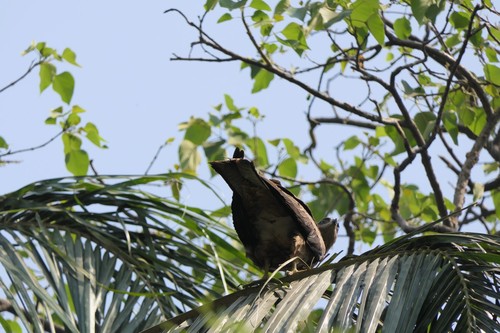
Black Kite identified by the community
Real birds identified with Bird Identifier.
Other birds you may enjoy
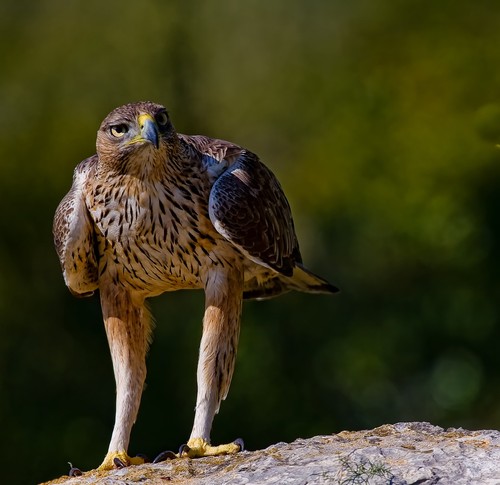
Bonelli's Eagle
Body 65–72 cm (26–28 in); wingspan 150–180 cm (59–71 in)
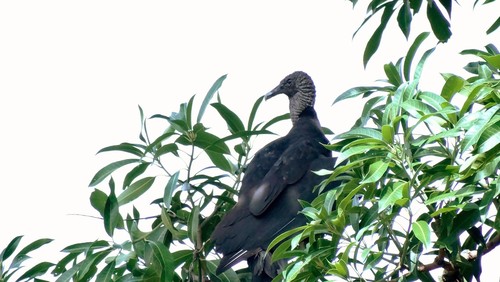
Black Vulture
56-68 cm (22-27 in) long, 137-165 cm wingspan
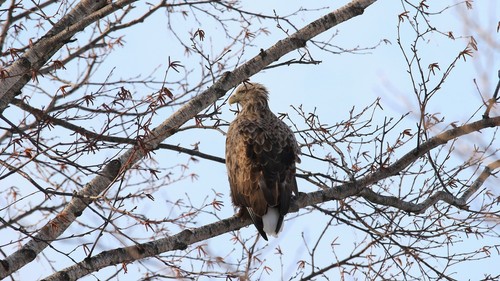
White-tailed Eagle
66-94 cm body length; wingspan 178-245 cm, among the largest eagles in the world
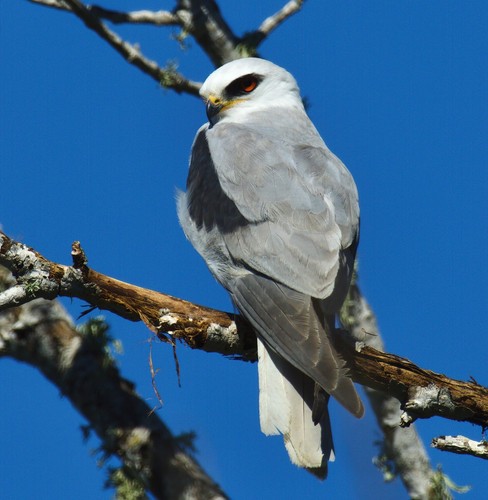
White-tailed Kite
35-43 cm (14-17 in) long, 88-102 cm (35-40 in) wingspan
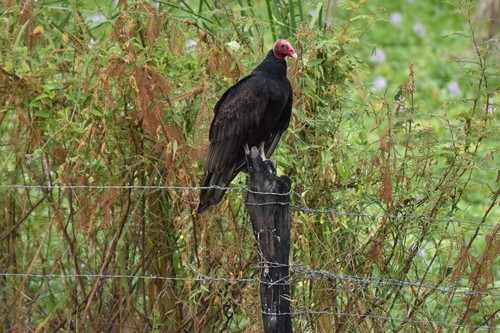
Turkey Vulture
64-81 cm (25-32 in) long, 160-183 cm wingspan
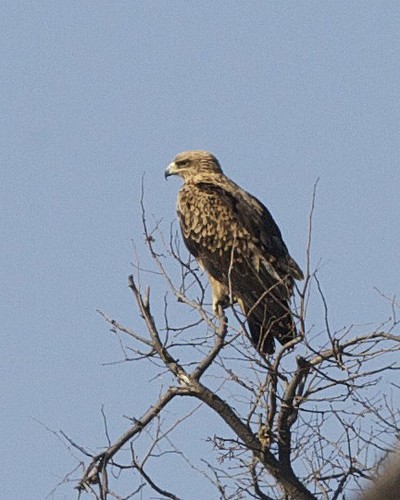
Tawny Eagle
62–75 cm long; wingspan 1.65–2.0 m
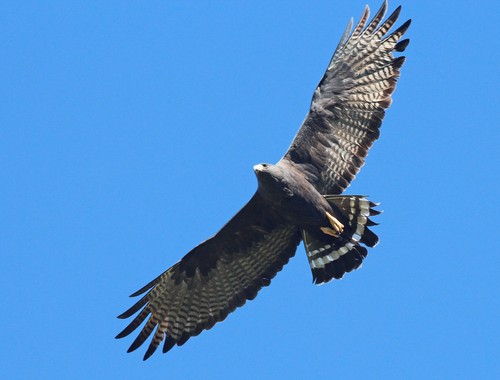
Zone-tailed Hawk
46-56 cm (18-22 in) long, 118-140 cm (46-55 in) wingspan
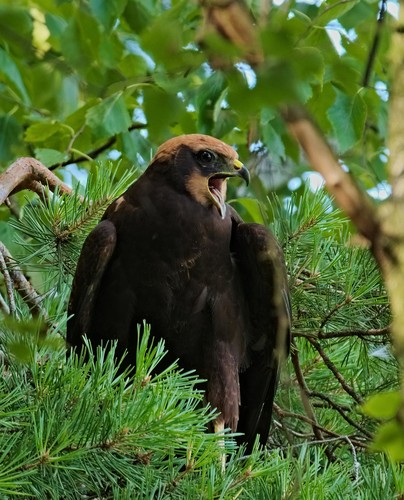
Western Marsh Harrier
Body 43-56 cm; wingspan 115-140 cm
Swallow-tailed Kite
48-68 cm (19-27 in) long including tail streamers, 112-136 cm (44-54 in) wingspan
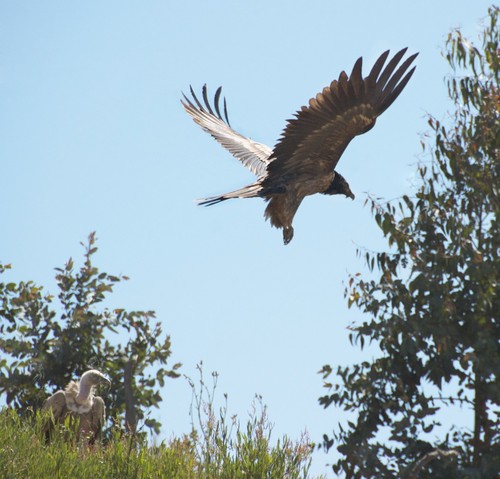
White-backed Vulture
78-98 cm long, wingspan 1.96-2.25 m
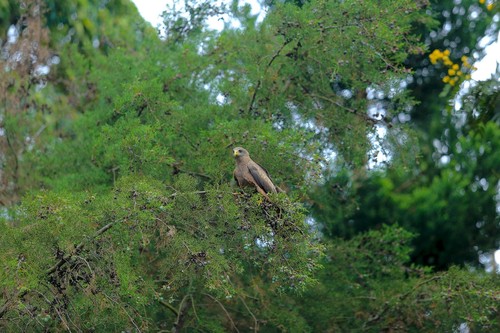
Yellow-billed Kite
55-60 cm long; wingspan 130-155 cm
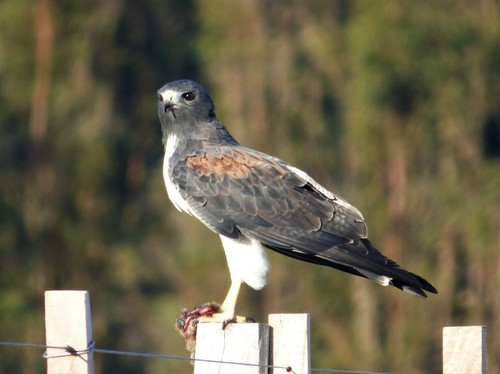
White-tailed Hawk
46-59 cm (18-23 in) long, 122-142 cm (48-56 in) wingspan