
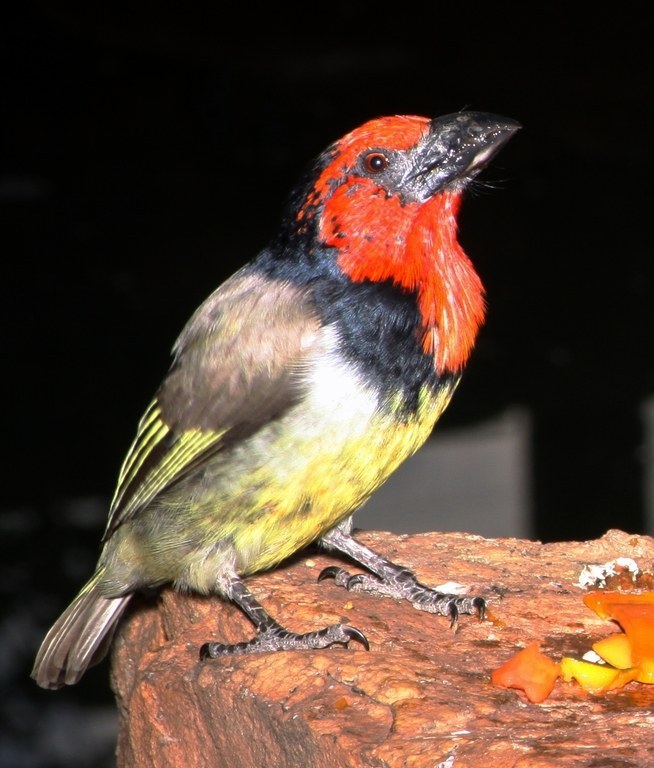
Black-collared Barbet
Lybius torquatus
A stocky African barbet with a vivid red face and throat bordered by a black collar, famous for its synchronized duet calls.
- Size
- About 20-23 cm long, stocky build
- Habitat
- Woodland, forest edge, and savanna across sub-Saharan Africa
- Type
- other
Spotted a bird like this?
Identify any bird from a photo, free.
Overview
The Black-collared Barbet is a chunky, big-headed bird found in woodlands across much of sub-Saharan Africa, easily identified by its brilliant red face and throat set off by a bold black border. It is one of the more vocal and conspicuous barbets, often heard before it is seen.
Adults have a scarlet face, chin, and throat outlined by a thick black collar that extends down the nape, with olive-brown to blackish upperparts and a heavy, pale, slightly notched bill typical of barbets. Some individuals show yellow tones mixed into the red, especially on the throat.
They are usually found in pairs or small family groups, sitting close together on a branch and performing their loud duet calls, a behavior that helps maintain the pair bond.
How to identify it
Key field marks
- Bright red face, chin, and throat
- Broad black collar bordering the red areas
- Stout, pale, slightly hooked bill
- Olive-brown to dark upperparts
- Habit of dueting loudly in pairs from an exposed perch
Similar species
- Red-fronted Barbet and other red-faced barbets: generally smaller with more streaking or spotting and lacking the sharply defined black collar.
- Crested Barbet: has a spotted crest and heavily black-spotted yellow underparts rather than a solid red face and black collar.
- Red-and-yellow Barbet: solid red head extends further and lacks the distinct black collar; found in East Africa rather than more widely across the continent.
Habitat & range
Habitat
Black-collared Barbets inhabit broadleaf woodland, forest edges, riverine growth, savanna with fruiting trees, and well-wooded gardens, generally avoiding dense unbroken forest and open treeless country.
Range
Widely distributed across sub-Saharan Africa, from East Africa through Central and southern Africa, in a range of wooded habitats at low to moderate elevations.
Migration
Non-migratory. Pairs and family groups are territorial and remain resident on their territory throughout the year.
Behavior & voice
Behavior
Black-collared Barbets live in pairs or small groups and are often seen perched together on exposed branches. They can be aggressive in defending fruiting trees and nest sites from other barbets and birds.
Voice
Their signature call is a loud, rhythmic duet between mates, often rendered as "too-puddly, too-puddly," delivered with the birds facing each other and bobbing; the duet is so tightly coordinated it can sound like a single bird calling.
Feeding
They feed mainly on fruit, especially figs, taken from trees, and supplement this with insects caught by sallying or gleaning from foliage and bark.
Nesting and breeding
Pairs excavate a nest cavity in a dead branch or soft trunk, sometimes assisted by helpers from previous broods. Both parents incubate the eggs and feed the young, and the species can raise multiple broods when conditions are favorable.
Frequently asked questions
What makes a Black-collared Barbet identifiable?
Its bright red face and throat outlined by a bold black collar, paired with a stocky body and heavy pale bill, are diagnostic.
Why do Black-collared Barbets call in pairs?
They perform tightly synchronized duet calls to reinforce their pair bond and defend their territory together.
Where do Black-collared Barbets live?
In woodland, forest edges, and savanna across much of sub-Saharan Africa, from East Africa through to southern Africa.
What do Black-collared Barbets eat?
Mostly fruit, particularly figs, supplemented with insects.
How big is a Black-collared Barbet?
It is a stocky bird about 20-23 cm long with a big head and heavy bill.
Black-collared Barbet guides
In-depth guides for identifying, finding, and understanding Black-collared Barbet.
Other birds you may enjoy
Kiwi
35-55 cm (14-22 in) long; roughly chicken-sized
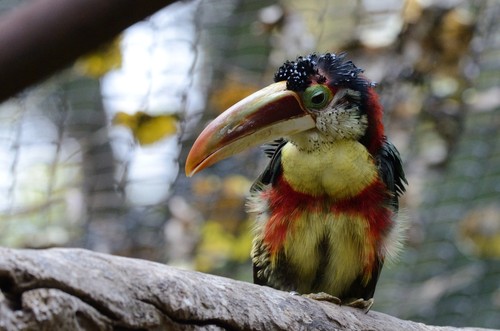
Curl-crested Aracari
41-46 cm (16-18 in) long, including a long bill and tail
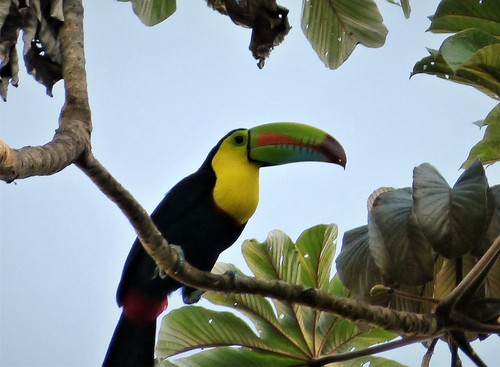
Keel-billed Toucan
42-55 cm (17-22 in) long including bill
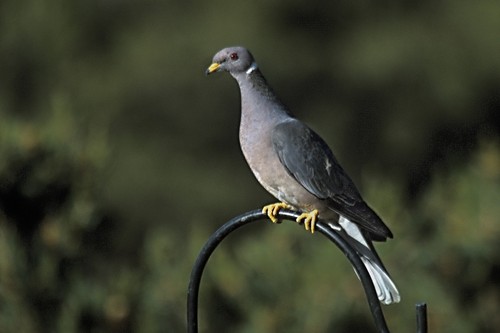
Band-tailed Pigeon
33-38 cm (13-15 in) long, wingspan about 66 cm (26 in)
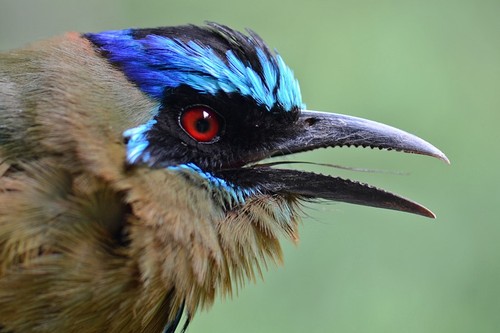
Blue-crowned Motmot
38-43 cm (15-17 in) long including tail
White-tipped Dove
27-30 cm (10.5-12 in) long, 38-43 cm wingspan
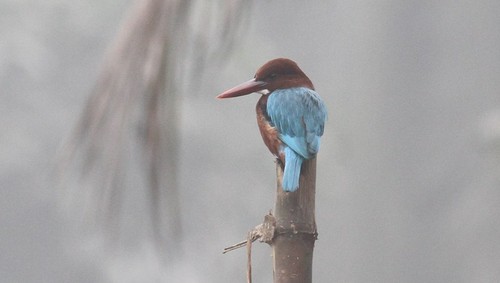
White-throated Kingfisher
27-28 cm (10.5-11 in) long
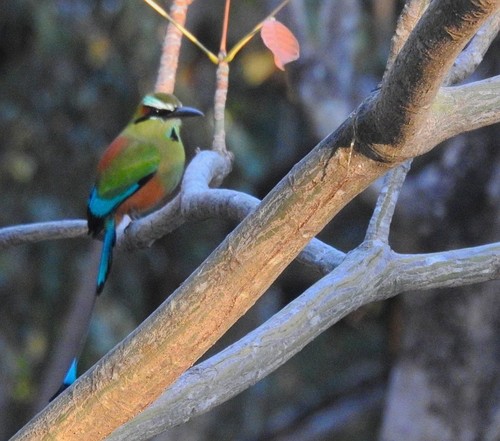
Turquoise-browed Motmot
34 cm (13 in) long including tail
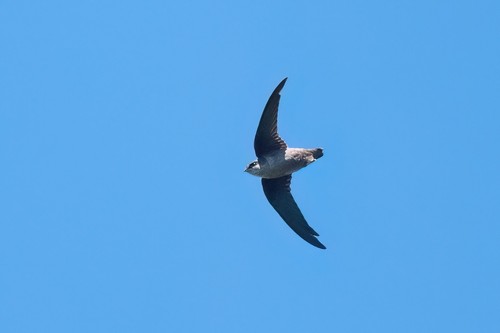
Vaux's Swift
10-12 cm (4-4.5 in) long, 27-30 cm wingspan
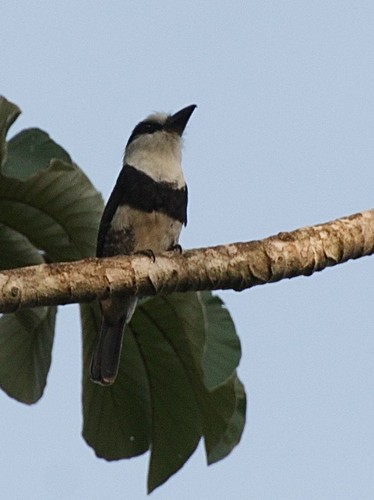
White-necked Puffbird
22-24 cm (8.5-9.5 in) long
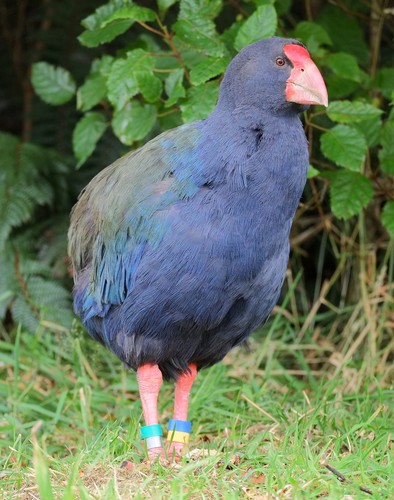
Takahe
50 cm (20 in) long, up to 3.5 kg; flightless
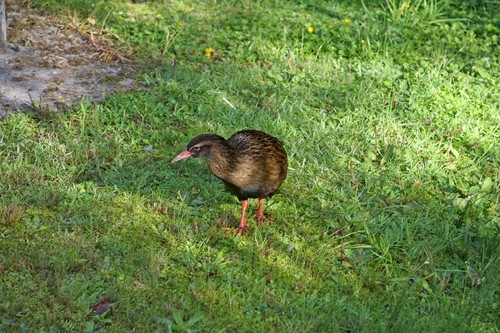
Weka
50-60 cm (20-24 in) long; flightless