
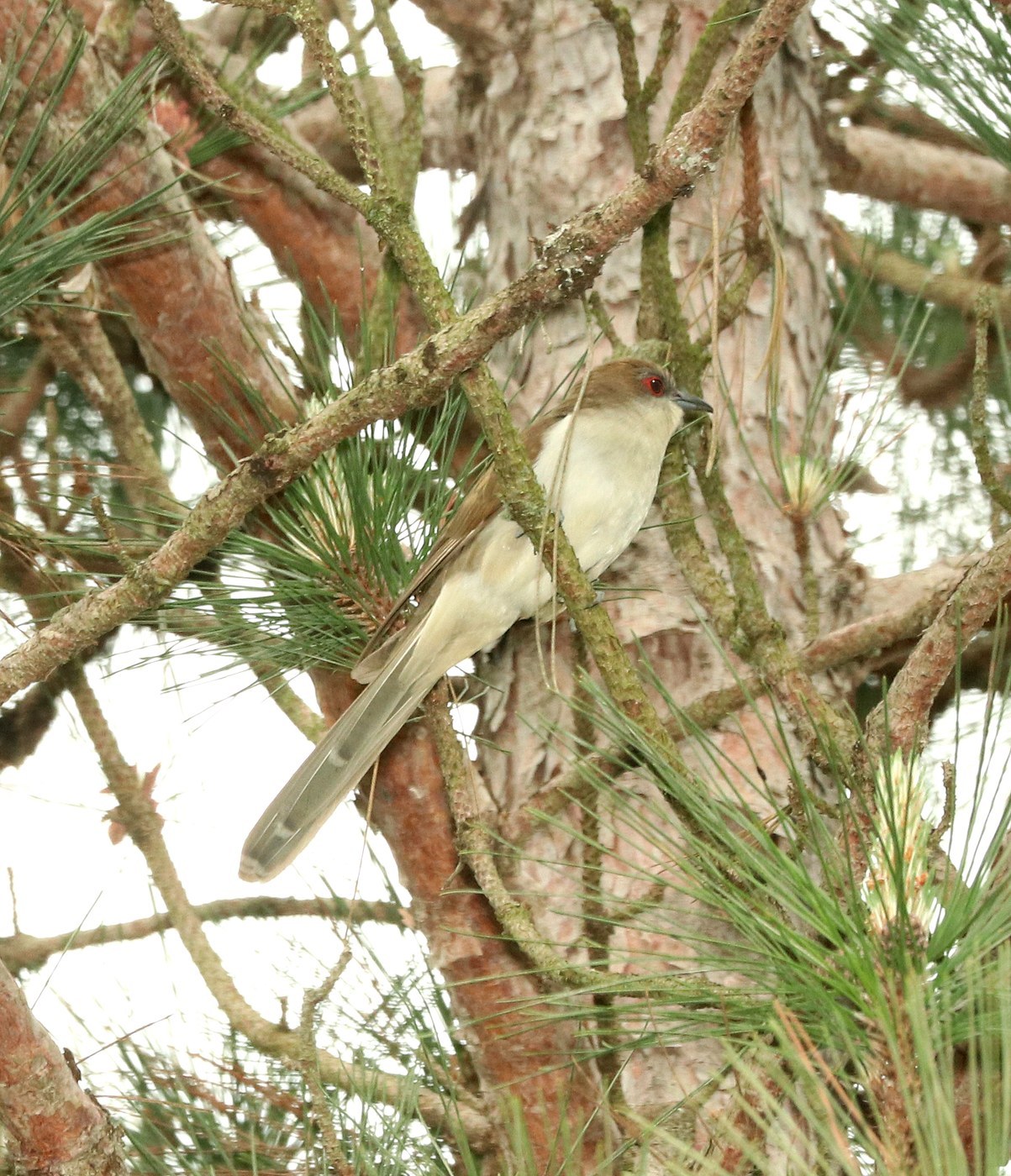
Black-billed Cuckoo
Coccyzus erythropthalmus
A slim, elusive, all-dark-billed cuckoo of eastern thickets, distinguished from its yellow-billed relative by a red eye-ring and lack of rufous in the wing.
- Size
- 28-31 cm (11-12 in) long, 34-40 cm wingspan
- Habitat
- dense shrubby thickets, woodland edges, and second-growth forest across the eastern and northern United States and southern Canada
- Type
- other
Spotted a bird like this?
Identify any bird from a photo, free.
Overview
The Black-billed Cuckoo is a slender, long-tailed bird closely related to the Yellow-billed Cuckoo, sharing the same smooth grayish-brown upperparts and clean white underparts. As its name suggests, its entire bill is dark, lacking the yellow lower mandible of its cousin, and it shows a narrow but noticeable red ring around the eye.
Like other cuckoos, it is a quiet, unobtrusive bird that spends much of its time hidden in dense foliage, more often heard than seen. Its populations track outbreaks of tent caterpillars and other irruptive insect prey, so numbers can fluctuate noticeably from year to year in a given area.
How to identify it
Key Field Marks
- Slim, long-tailed shape with grayish-brown upperparts and white underparts
- Entirely dark, blackish bill
- Distinct red eye-ring
- Tail spotted below with small, grayish-white dots, less bold than the Yellow-billed Cuckoo's
- No rufous patch in the wing
Similar Species
The Yellow-billed Cuckoo shares the same overall shape but shows a yellow lower bill, a rufous wing patch visible in flight, and larger, bolder white tail spots. The Black-billed Cuckoo's plainer wings and red eye-ring are the most reliable distinctions at close range.
Habitat & range
Black-billed Cuckoos breed across the northeastern and north-central United States and southern Canada, favoring dense shrubby thickets, overgrown fields, forest edges, and riparian tangles, often at slightly cooler and more northerly locations than the Yellow-billed Cuckoo. They are long-distance migrants that winter in South America, primarily in the Amazon basin region.
Because their movements and breeding effort are closely tied to caterpillar outbreaks, Black-billed Cuckoos can appear abundant in some years and scarce in others within the same patch of habitat.
Behavior & voice
Like the Yellow-billed Cuckoo, this species specializes in eating large, hairy caterpillars that many other birds reject, along with other sizable insects. It moves deliberately through dense cover, often staying motionless for long periods, which combined with its quiet habits makes it one of the more challenging eastern birds to actually observe.
The song is a rhythmic, evenly-paced series of hollow "cu-cu-cu" notes, distinctly different from the slowing, descending call of the Yellow-billed Cuckoo. Nests are flimsy stick platforms hidden in dense shrubs or low trees, and — like its relative — the species can have an unusually short incubation period, an adaptation likely linked to unpredictable caterpillar food booms.
Frequently asked questions
How do you identify a Black-billed Cuckoo?
Look for an all-dark bill, a red eye-ring, plain wings without rufous patches, and small grayish tail spots, differing from the Yellow-billed Cuckoo's yellow bill and rufous wing flash.
What does a Black-billed Cuckoo sound like?
It gives a steady, evenly-paced series of hollow "cu-cu-cu" notes, unlike the slowing, descending call of the Yellow-billed Cuckoo.
Why are Black-billed Cuckoos hard to see?
They move slowly and quietly through dense foliage and often sit motionless, making them far easier to hear than to spot.
What do Black-billed Cuckoos eat?
They primarily eat large caterpillars, including hairy species avoided by most birds, plus other big insects and occasional fruit.
Where do Black-billed Cuckoos spend the winter?
They migrate to South America, wintering mainly in the Amazon basin region.
Black-billed Cuckoo guides
In-depth guides for identifying, finding, and understanding Black-billed Cuckoo.
Other birds you may enjoy
Kiwi
35-55 cm (14-22 in) long; roughly chicken-sized
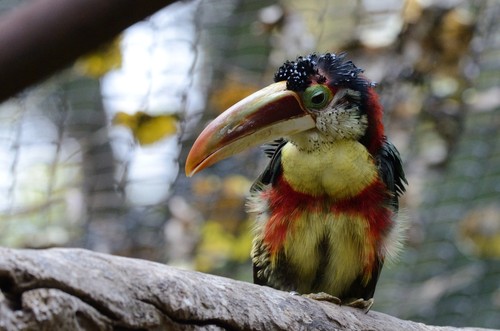
Curl-crested Aracari
41-46 cm (16-18 in) long, including a long bill and tail
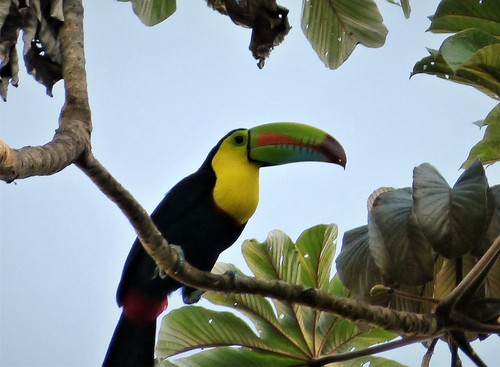
Keel-billed Toucan
42-55 cm (17-22 in) long including bill
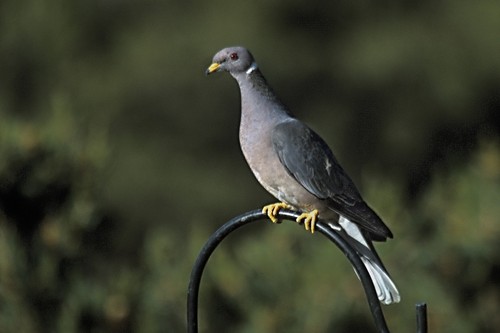
Band-tailed Pigeon
33-38 cm (13-15 in) long, wingspan about 66 cm (26 in)
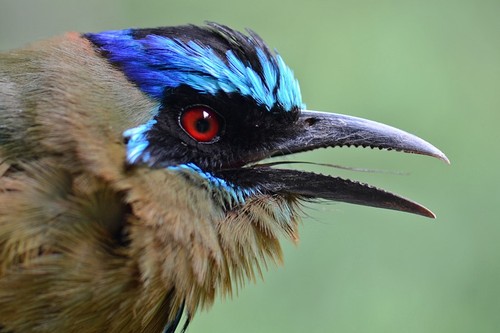
Blue-crowned Motmot
38-43 cm (15-17 in) long including tail
White-tipped Dove
27-30 cm (10.5-12 in) long, 38-43 cm wingspan
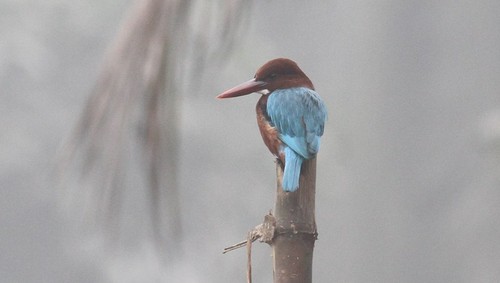
White-throated Kingfisher
27-28 cm (10.5-11 in) long
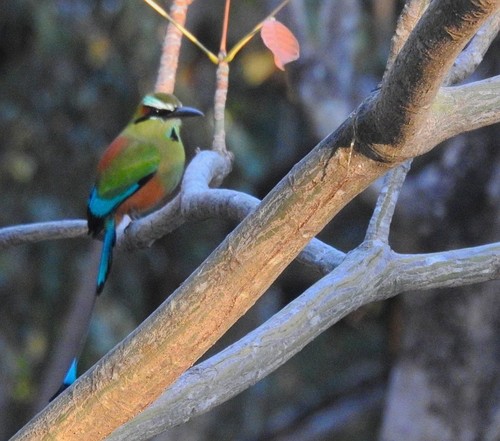
Turquoise-browed Motmot
34 cm (13 in) long including tail
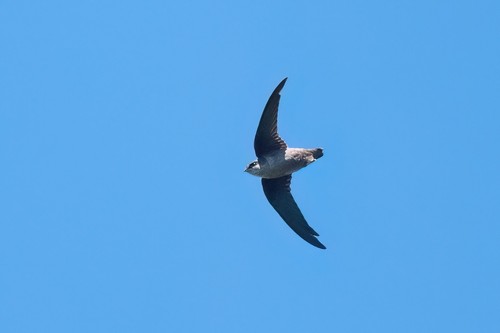
Vaux's Swift
10-12 cm (4-4.5 in) long, 27-30 cm wingspan
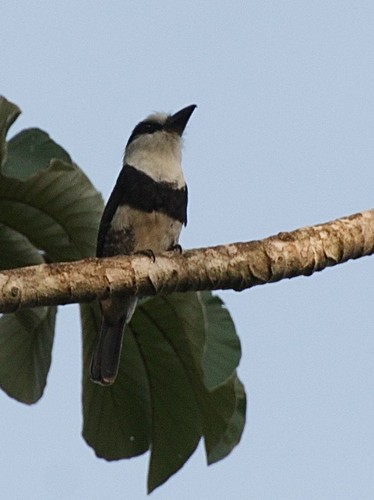
White-necked Puffbird
22-24 cm (8.5-9.5 in) long
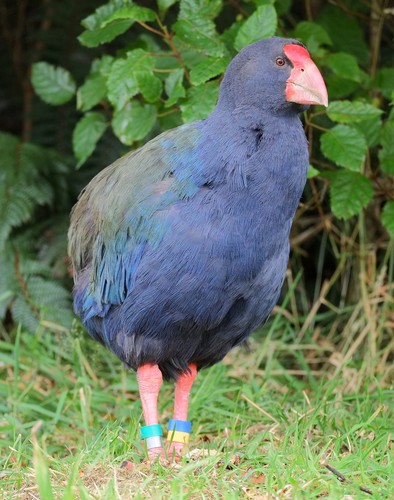
Takahe
50 cm (20 in) long, up to 3.5 kg; flightless
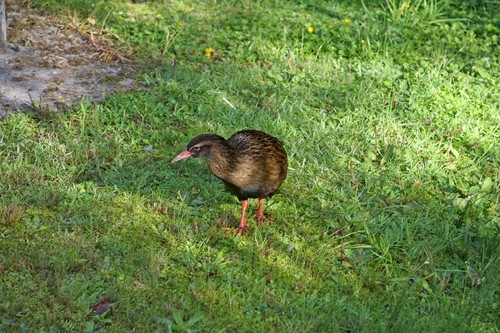
Weka
50-60 cm (20-24 in) long; flightless