
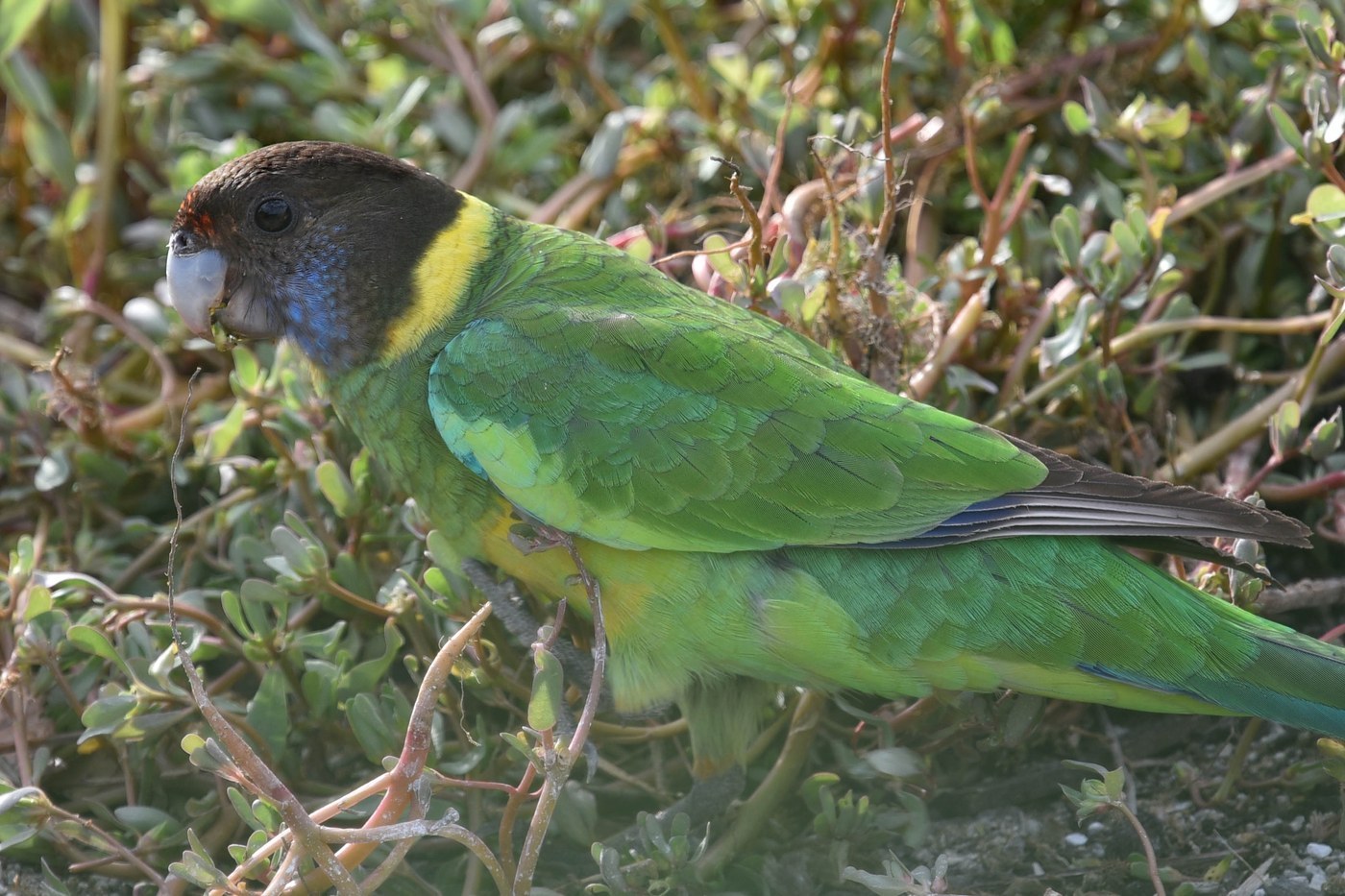
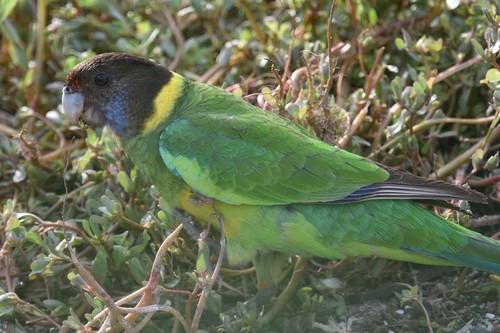
Australian Ringneck
Barnardius zonarius
A widespread, variably colored Australian parrot identified by the narrow yellow band across its hindneck.
- Size
- 33-38 cm (13-15 in) long
- Habitat
- woodlands, mallee, mulga scrub, and farmland across much of inland and western Australia
- Type
- parrot
Spotted a bird like this?
Identify any bird from a photo, free.
Overview
The Australian Ringneck is a medium-sized parrot notable for its striking geographic variation in color, ranging from deep green and blue in some populations to bright yellow-green in others. Despite this variation, all forms share the diagnostic feature that gives the species its name: a narrow yellow band across the back of the neck.
Regional forms are often known by separate common names, including the Port Lincoln Parrot (dark head, yellow belly), the Twenty-eight Parrot (green body, named for its distinctive call), the Mallee Ringneck (blue-green with a yellow belly), and the Cloncurry Parrot (paler, more uniform coloring), all now considered subspecies of a single species.
How to identify it
Key field marks
- Narrow yellow band across the hindneck, present in all forms
- Body color varies regionally from dark green/black-headed to blue-green or yellow-green
- Stocky build with a fairly short, broad tail compared to Polytelis parrots
- Pale blue cheek patches present in some subspecies
Similar species
- Regent Parrot: slimmer body, much longer tail, lacks the yellow nape band.
- Mulga Parrot and other Psephotus species: smaller, with different color patterns and no yellow neck ring.
- Distinguishing between Australian Ringneck subspecies relies mainly on head color and overall body tone, which vary clinally across the continent.
Habitat & range
Habitat
Australian Ringnecks occupy a wide range of dry habitats including mallee scrub, mulga woodland, eucalypt woodland, farmland with remnant trees, and arid zone watercourses.
Range
The species is widespread across inland and western Australia, from Western Australia through South Australia and into western New South Wales, Victoria, and Queensland, though absent from the wetter east coast and Tasmania.
Migration
Generally sedentary, though some populations show local nomadic movement tied to water and food availability in arid regions.
Behavior & voice
Behavior
Usually seen in pairs or small flocks, Australian Ringnecks forage quietly on the ground or in trees and shrubs, often perching conspicuously on dead branches or fence lines.
Voice
The most familiar call, especially of the Twenty-eight Parrot form, is a distinctive "twenty-eight" whistle from which that form gets its name; other calls include harsher chattering notes.
Feeding
Diet includes seeds of native grasses, eucalypts, and acacias, fruits, blossoms, nectar, and some insects, foraged both on the ground and in vegetation.
Nesting and breeding
Nests are built in tree hollows, often in dead trees or living eucalypts near water. Clutches typically number four to six white eggs, incubated by the female, with chicks fledging around five weeks after hatching.
Frequently asked questions
How do you identify an Australian Ringneck?
Look for a narrow yellow band across the back of the neck, present in all regional color forms of the species.
What is a Twenty-eight Parrot?
It is a regional green-bodied subspecies of the Australian Ringneck found in southwestern Australia, named for its distinctive whistled call that sounds like 'twenty-eight.'
Why do Australian Ringnecks look so different in different places?
The species shows strong geographic color variation, with separate named forms such as the Port Lincoln, Mallee, and Cloncurry Parrots representing different subspecies.
What habitat do Australian Ringnecks prefer?
They favor dry woodland, mallee, and mulga scrub across inland and western Australia, generally avoiding wetter coastal forests.
Australian Ringneck guides
In-depth guides for identifying, finding, and understanding Australian Ringneck.
Other birds you may enjoy
Eclectus Parrot
35-42 cm (14-16.5 in) long
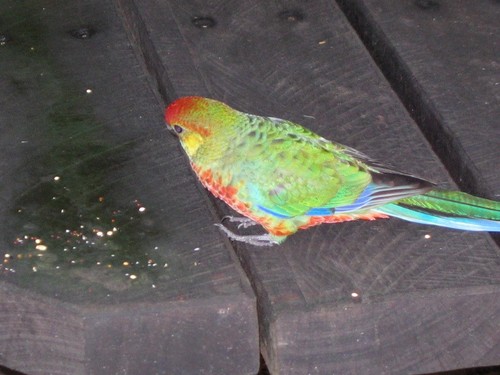
Western Rosella
25-30 cm (10-12 in) long
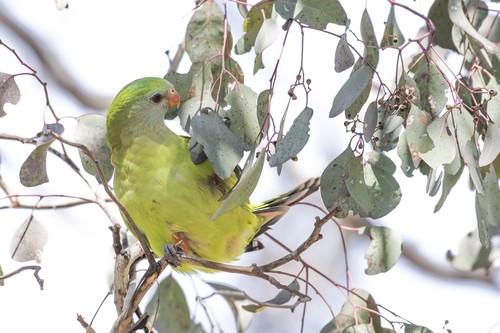
Superb Parrot
About 40 cm (16 in) long including a long tail
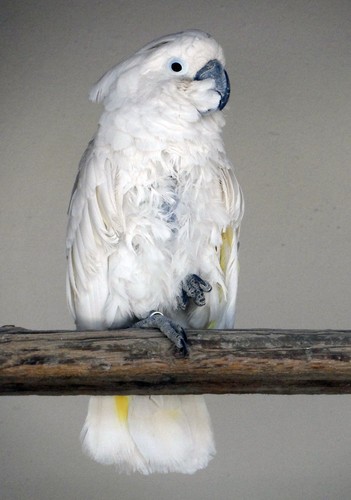
Umbrella Cockatoo
About 46 cm (18 in) long
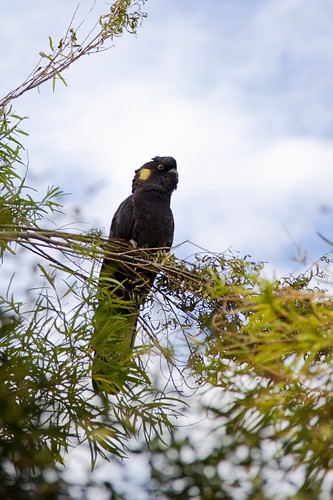
Yellow-tailed Black Cockatoo
55-65 cm long; wingspan up to about 130 cm
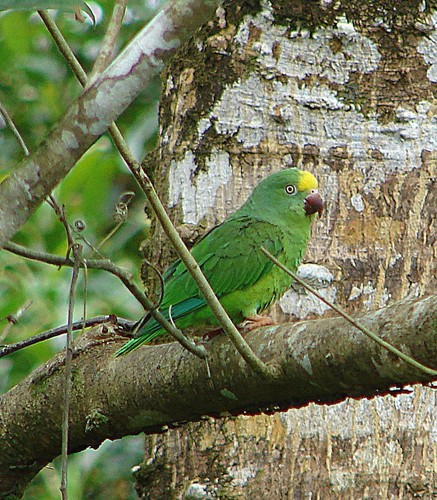
Yellow-crowned Amazon
About 35-38 cm (14-15 in) long
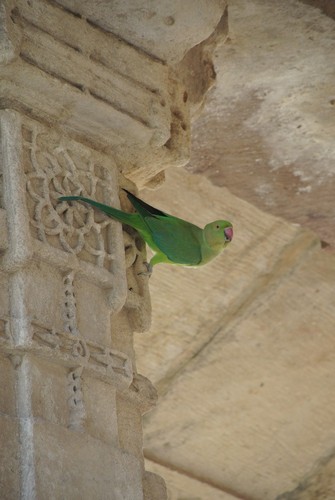
Rose-ringed Parakeet
40 cm (16 in) long including long tail
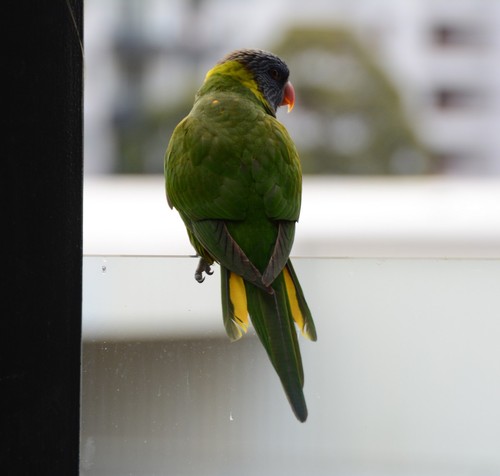
Rainbow Lorikeet
25-30 cm (10-12 in) long
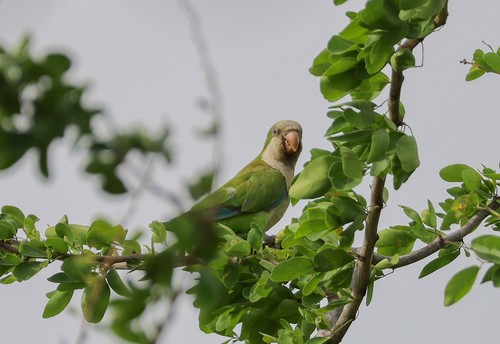
Quaker Parrot
28-31 cm (11-12 in) long
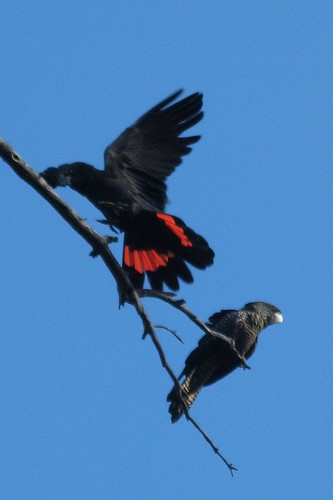
Red-tailed Black Cockatoo
55-65 cm long
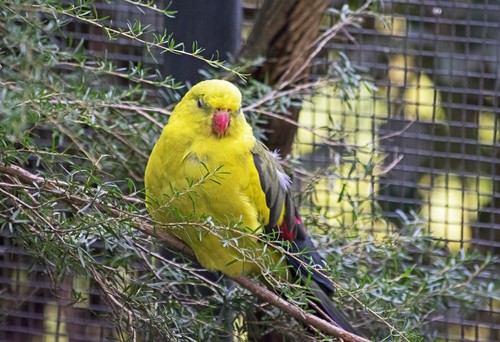
Regent Parrot
37-42 cm (15-17 in) long, including a long tail
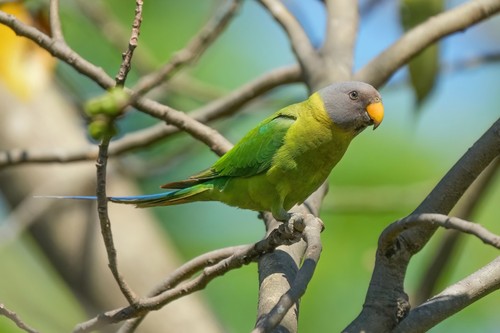
Plum-headed Parakeet
33 cm (13 in) long including tail