
Australian Owlet-nightjar
Aegotheles cristatus
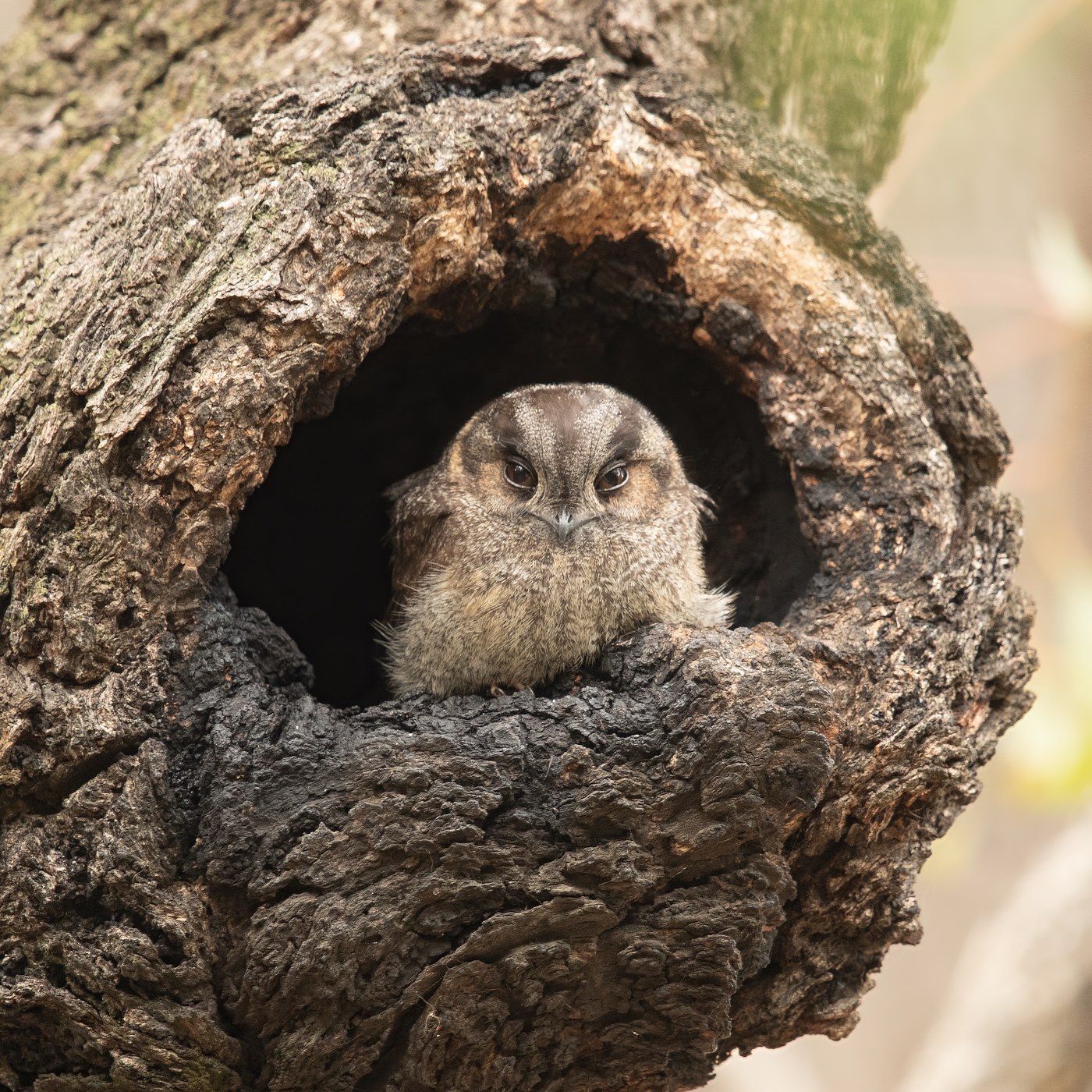
A small, big-eyed nocturnal bird with soft grey-brown mottled plumage and whisker-like facial bristles, often seen peering from a tree hollow entrance by day.
- Size
- 20-25 cm (8-10 in) long, 30-35 cm wingspan
- Habitat
- woodlands and forests with tree hollows
- Type
- other
Spotted a bird like this?
Identify any bird from a photo, free.
Overview
The Australian Owlet-nightjar is a small, delicate nocturnal bird with soft, finely mottled grey-brown plumage, a rounded head, and large, dark eyes suited to night vision. Fine bristle-like feathers around the bill give it a whiskered appearance, and a dark stripe often runs down the center of the crown. Despite its name and superficially owl-like face, it is more closely related to nightjars and frogmouths than to true owls.
During the day it typically roosts in a tree hollow, sometimes poking its head out of the entrance to survey its surroundings if disturbed, a habit that gives birdwatchers one of the best chances of spotting this otherwise elusive, strictly nocturnal species.
How to identify it
Key field marks
- Small size with soft, finely mottled grey-brown plumage
- Large, dark eyes and a rounded, owl-like face
- Fine bristles around the bill giving a whiskered appearance
- Habit of peering out from a tree hollow entrance during the day
Similar species
- Tawny Frogmouth is much larger and roosts in the open on branches rather than in hollows.
- True owls have strongly hooked bills and talons and lack the whiskered, softer-faced appearance of the owlet-nightjar.
Habitat & range
Habitat
Inhabits open woodland and forest with mature trees offering hollows for daytime roosting and nesting.
Range
Found throughout mainland Australia, including arid and semi-arid regions, wherever suitable tree hollows occur.
Migration
Sedentary and territorial, generally remaining within a fixed home range year-round.
Behavior & voice
Behavior
Strictly nocturnal, spending the day roosting inside a tree hollow and emerging at dusk to hunt; agile in flight, catching prey both on the wing and by dropping onto it from a perch.
Voice
A distinctive, repeated, harsh churring or chattering call given at night, quite unlike the calls of true owls.
Feeding
Feeds mainly on insects and other small invertebrates, caught in flight or gleaned from bark, foliage, and the ground.
Nesting
Nests in a tree hollow, sometimes lined with leaves; lays 3-5 white eggs.
Frequently asked questions
Is the Australian Owlet-nightjar an owl?
No, despite its owl-like face it is not a true owl but is more closely related to frogmouths and nightjars.
How can you spot an Australian Owlet-nightjar during the day?
It typically roosts inside a tree hollow and will sometimes poke its head out of the entrance if it senses disturbance nearby, offering a rare daytime glimpse.
What does an Australian Owlet-nightjar eat?
Mainly insects and other small invertebrates, caught in flight or gleaned from bark and foliage at night.
Where does the Australian Owlet-nightjar live?
Throughout mainland Australia in woodland and forest with mature trees that provide hollows for roosting and nesting.
Australian Owlet-nightjar guides
In-depth guides for identifying, finding, and understanding Australian Owlet-nightjar.
Other birds you may enjoy
Kiwi
35-55 cm (14-22 in) long; roughly chicken-sized
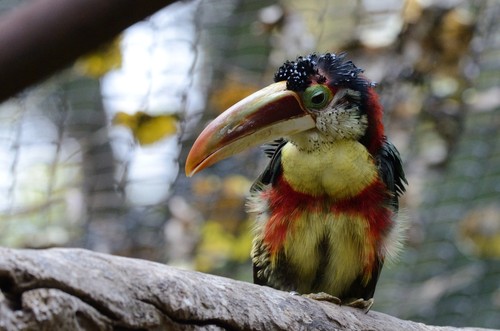
Curl-crested Aracari
41-46 cm (16-18 in) long, including a long bill and tail
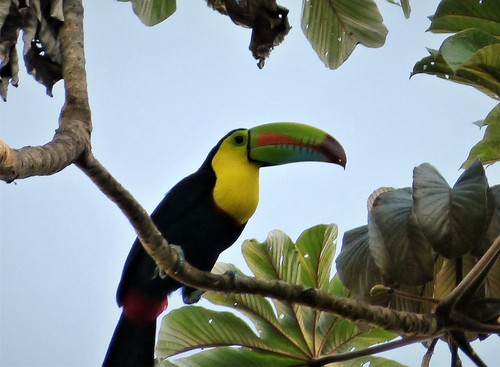
Keel-billed Toucan
42-55 cm (17-22 in) long including bill
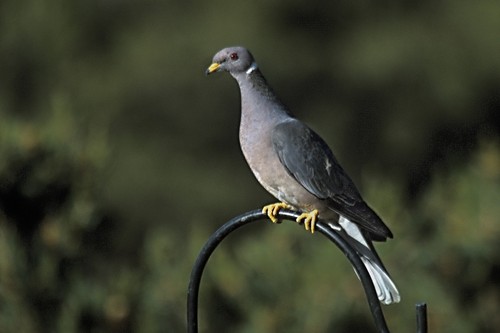
Band-tailed Pigeon
33-38 cm (13-15 in) long, wingspan about 66 cm (26 in)
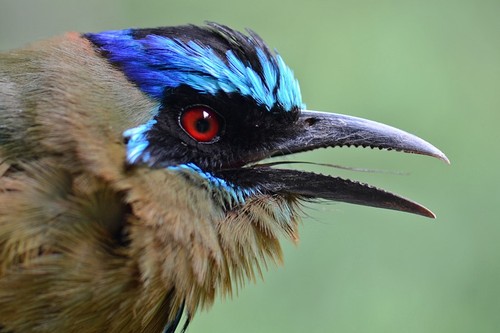
Blue-crowned Motmot
38-43 cm (15-17 in) long including tail
White-tipped Dove
27-30 cm (10.5-12 in) long, 38-43 cm wingspan
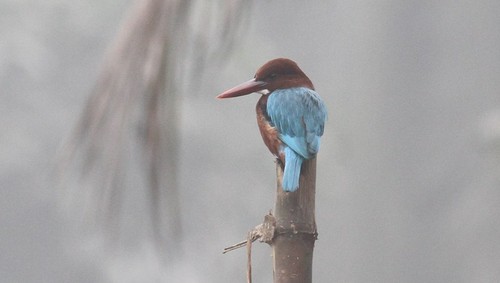
White-throated Kingfisher
27-28 cm (10.5-11 in) long
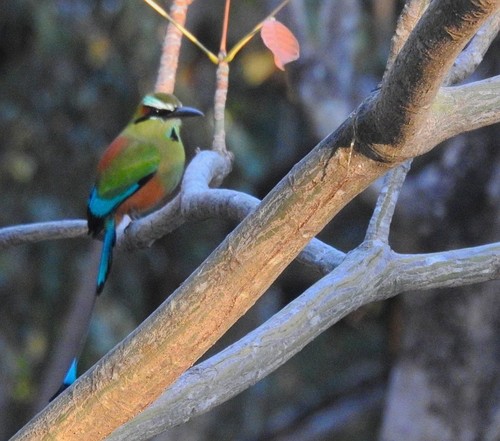
Turquoise-browed Motmot
34 cm (13 in) long including tail
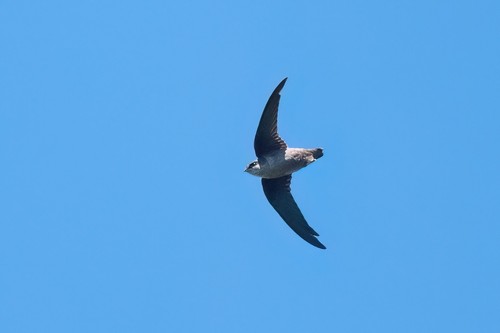
Vaux's Swift
10-12 cm (4-4.5 in) long, 27-30 cm wingspan
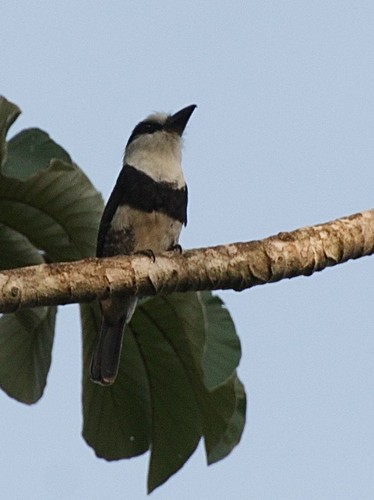
White-necked Puffbird
22-24 cm (8.5-9.5 in) long
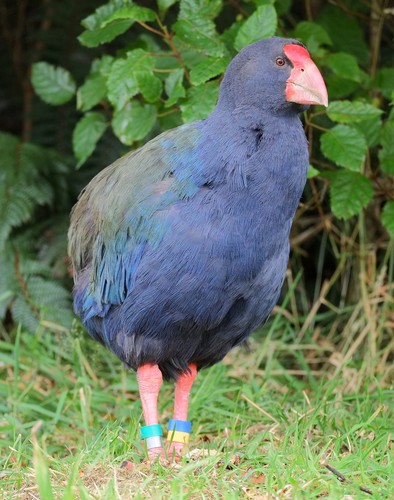
Takahe
50 cm (20 in) long, up to 3.5 kg; flightless
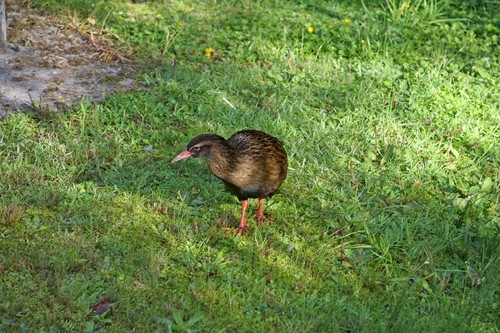
Weka
50-60 cm (20-24 in) long; flightless