
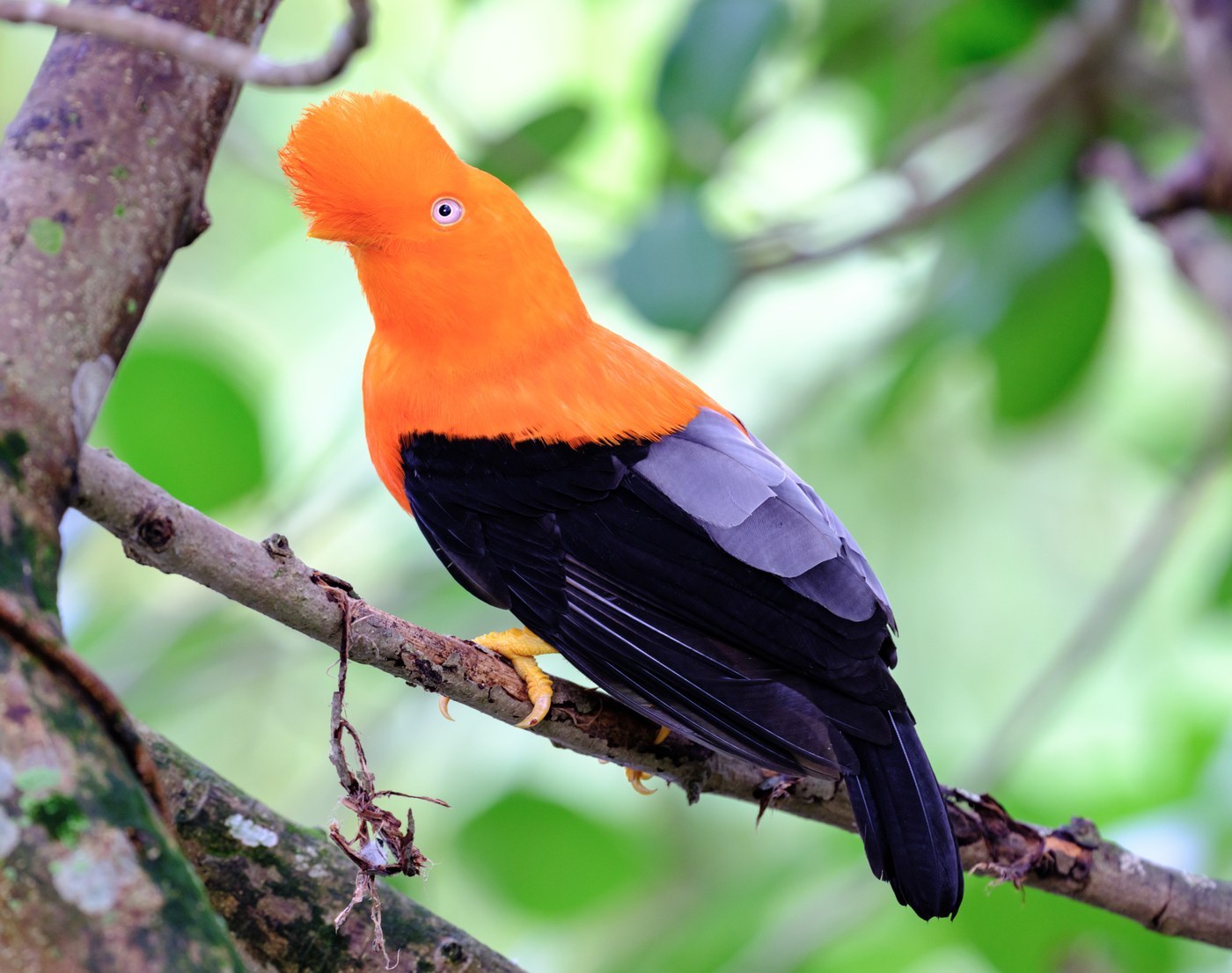
Andean Cock-of-the-rock
Rupicola peruvianus
A vivid orange Andean bird with a distinctive disc-shaped crest, best known for the males' spectacular communal lek displays in the cloud forest.
- Size
- 30-32 cm (12 in) long
- Habitat
- humid Andean cloud forest, often near rocky ravines
- Type
- other
Spotted a bird like this?
Identify any bird from a photo, free.
Overview
The Andean Cock-of-the-rock is one of the most visually startling birds of the Andes, the male clothed in brilliant, almost unnaturally vivid orange plumage set off by black-and-gray wings and tail. A large, flattened, disc-shaped crest runs from the bill over the top of the head, nearly obscuring the small bill and giving the bird an unmistakable silhouette. Females, by contrast, are much drabber, dull brownish-orange overall with a smaller crest, providing better camouflage while nesting.
The species is the national bird of Peru and is famed for its lek mating system, in which groups of males gather at traditional display sites in the forest to perform bizarre bowing, hopping, and calling displays, competing intensely for the attention of visiting females.
How to identify it
Key field marks
- Male: brilliant orange plumage with black-and-gray wings and tail, and a large disc-shaped head crest
- Female: dull brownish-orange overall, with a smaller crest
- Found in Andean cloud forest, often near rocky ravines and streams
- Males gather at traditional lek sites to display
Similar species
- Guianan Cock-of-the-rock is more yellow-orange overall and found in the Guiana Shield of northeastern South America, not overlapping in range with the Andean species.
- No other Andean bird shares the male's combination of a large disc-shaped crest and vivid orange plumage.
Habitat & range
Habitat
Inhabits humid Andean cloud forest, often near rocky ravines, cliffs, and streams used for nesting.
Range
Found along the Andes from Venezuela and Colombia south through Ecuador, Peru, and into Bolivia.
Migration
Generally sedentary, remaining within a fixed home range around traditional lek and nest sites.
Behavior & voice
Behavior
Males gather in small groups at traditional lek sites, performing exaggerated bowing, hopping, and wing-snapping displays accompanied by loud calls to attract visiting females, who select mates based on display quality alone.
Voice
Harsh, far-carrying squawks, grunts, and screeches given during lek displays, along with softer calls at other times.
Feeding
Feeds mainly on fruit, supplemented with some insects.
Nesting
The female alone builds a mud-and-plant-fiber nest plastered to a rock face, cliff, or cave wall, and raises the chicks without any assistance from the male.
Frequently asked questions
How do you identify an Andean Cock-of-the-rock?
Look for a male with brilliant orange plumage, black-and-gray wings, and a distinctive large, flattened, disc-shaped crest covering much of the bill and forehead.
What is a lek and how does the Andean Cock-of-the-rock use one?
A lek is a traditional communal display ground where males gather to perform competitive courtship displays; female Andean Cock-of-the-rocks visit these sites to choose a mate based on the quality of the male's display.
Is the Andean Cock-of-the-rock the national bird of Peru?
Yes, it holds that status and is also known locally by the Quechua name tunki.
What does an Andean Cock-of-the-rock eat?
Mainly fruit, with some insects.
Andean Cock-of-the-rock guides
In-depth guides for identifying, finding, and understanding Andean Cock-of-the-rock.
Other birds you may enjoy
Kiwi
35-55 cm (14-22 in) long; roughly chicken-sized
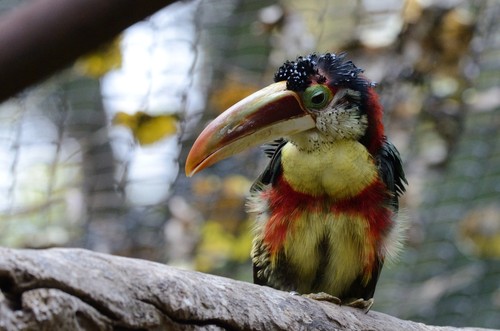
Curl-crested Aracari
41-46 cm (16-18 in) long, including a long bill and tail
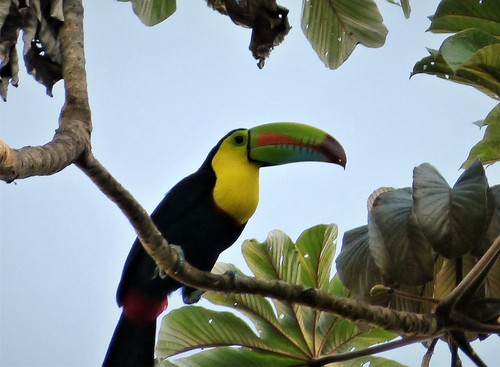
Keel-billed Toucan
42-55 cm (17-22 in) long including bill
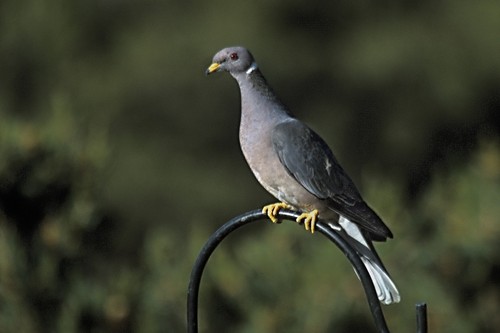
Band-tailed Pigeon
33-38 cm (13-15 in) long, wingspan about 66 cm (26 in)
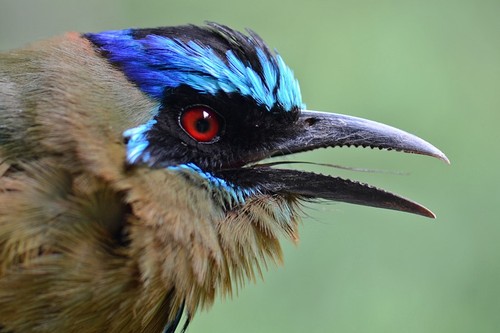
Blue-crowned Motmot
38-43 cm (15-17 in) long including tail
White-tipped Dove
27-30 cm (10.5-12 in) long, 38-43 cm wingspan
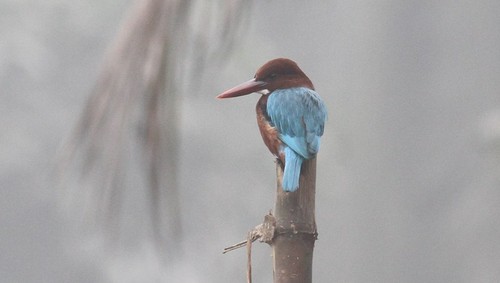
White-throated Kingfisher
27-28 cm (10.5-11 in) long
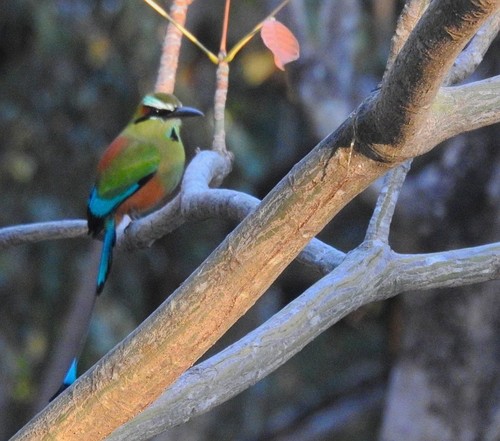
Turquoise-browed Motmot
34 cm (13 in) long including tail
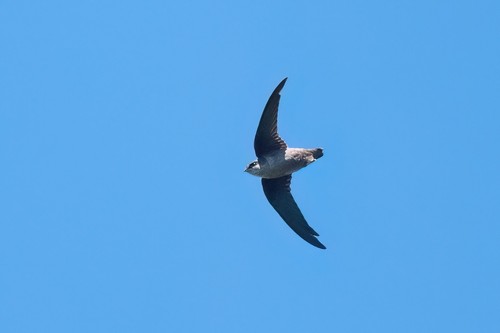
Vaux's Swift
10-12 cm (4-4.5 in) long, 27-30 cm wingspan
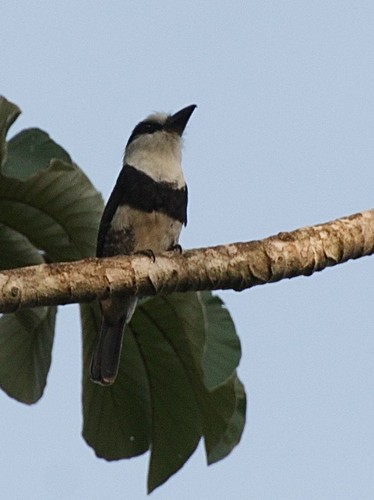
White-necked Puffbird
22-24 cm (8.5-9.5 in) long
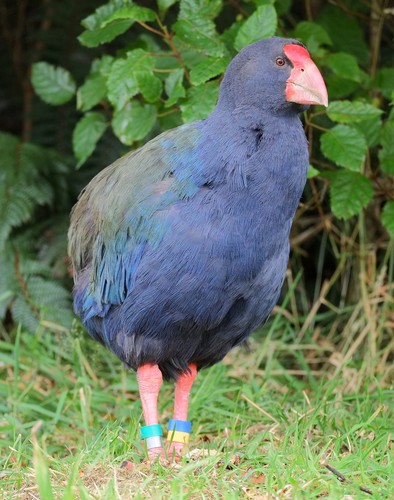
Takahe
50 cm (20 in) long, up to 3.5 kg; flightless
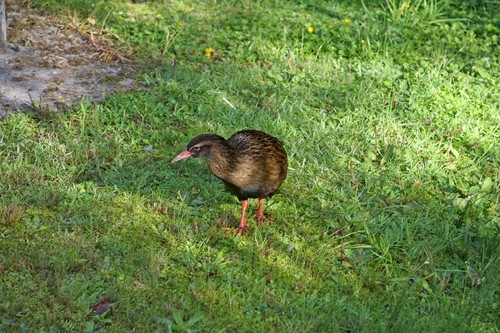
Weka
50-60 cm (20-24 in) long; flightless