
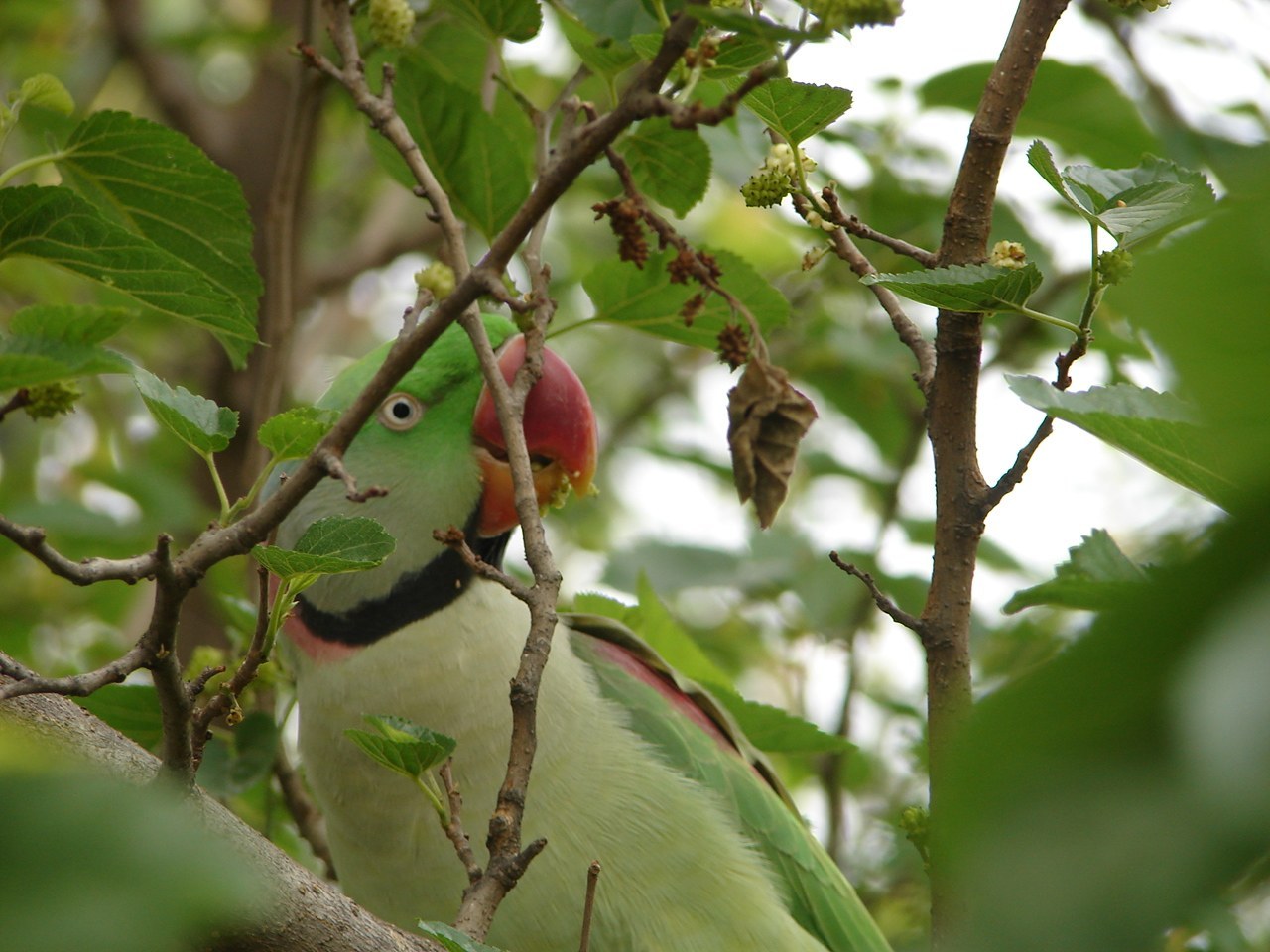
Alexandrine Parakeet
Psittacula eupatria
A large green parakeet named for Alexander the Great, with a heavy red bill and a distinctive maroon shoulder patch.
- Size
- 56-62 cm (22-24 in) long including long tail
- Habitat
- open forest, forest edge, farmland, and urban parks across South and Southeast Asia
- Type
- parrot
Spotted a bird like this?
Identify any bird from a photo, free.
Overview
The Alexandrine Parakeet is one of the largest parakeets in the genus Psittacula, a bright green bird with a long pointed tail and a notably heavy, hooked red bill tipped yellow. Its common name references Alexander the Great, whose armies are said to have helped spread knowledge of these birds from South Asia to Europe in ancient times.
A maroon-red patch on the shoulder (lesser wing coverts) is present in both sexes and is a key distinguishing feature from the smaller Rose-ringed Parakeet. Adult males also show a black chin stripe and a pink-and-black neck ring similar to the Rose-ringed Parakeet's, but on a considerably larger bird.
How to identify it
Key field marks
- Large size with a long tail and a heavy red bill (larger and more hooked than Rose-ringed Parakeet's)
- Maroon-red patch on the shoulder, present in both sexes
- Adult male: black chin stripe and pink neck ring; female lacks the ring
- Bluish-grey wash sometimes visible on the nape
Similar species
The Rose-ringed Parakeet is notably smaller, has a thinner bill, and lacks the maroon shoulder patch. The Plum-headed Parakeet is much smaller with a purplish head rather than plain green.
Habitat & range
Alexandrine Parakeets range across the Indian subcontinent from Pakistan through India, Sri Lanka, Nepal, and Bangladesh, into Myanmar and parts of Southeast Asia. They inhabit open forest, forest edges, farmland, and increasingly urban parks and gardens, generally at lower elevations.
The species is largely resident, though local movements track food availability, and it has also established feral populations in some cities outside its native range through escaped cage birds.
Behavior & voice
Voice
A loud, resonant "kee-ak" call, deeper and harsher than the Rose-ringed Parakeet's, often given in flight.
Feeding
Alexandrine Parakeets feed on seeds, fruit, nuts, blossoms, and grain, foraging in the canopy and occasionally raiding orchards and crop fields in flocks.
Nesting and breeding
They nest in large tree cavities, often reusing the same hole in successive years, and lay 2-4 eggs incubated mainly by the female. Habitat loss and capture for the cage-bird trade have contributed to population declines, and the species is considered Near Threatened.
Frequently asked questions
Why is it called the Alexandrine Parakeet?
It is named after Alexander the Great, whose conquests are traditionally credited with introducing these birds from South Asia to the ancient Mediterranean world.
How is the Alexandrine Parakeet different from the Rose-ringed Parakeet?
It is considerably larger with a heavier, more hooked bill and a distinctive maroon patch on the shoulder that Rose-ringed Parakeets lack.
What is the conservation status of the Alexandrine Parakeet?
It is listed as Near Threatened due to habitat loss and unsustainable capture for the cage-bird trade.
Do both male and female Alexandrine Parakeets have the shoulder patch?
Yes, the maroon shoulder patch is present in both sexes, unlike the neck ring which is limited to adult males.
Alexandrine Parakeet guides
In-depth guides for identifying, finding, and understanding Alexandrine Parakeet.
Other birds you may enjoy
Eclectus Parrot
35-42 cm (14-16.5 in) long
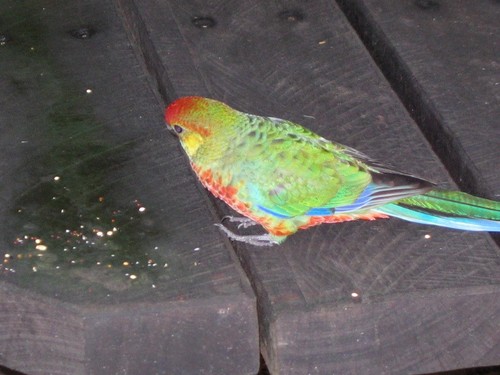
Western Rosella
25-30 cm (10-12 in) long
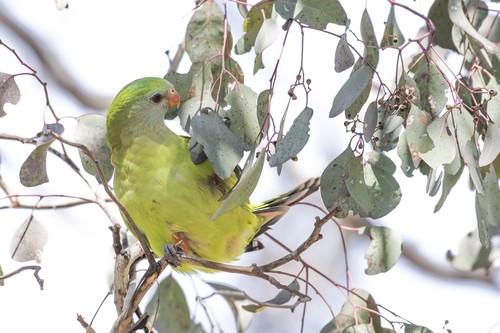
Superb Parrot
About 40 cm (16 in) long including a long tail
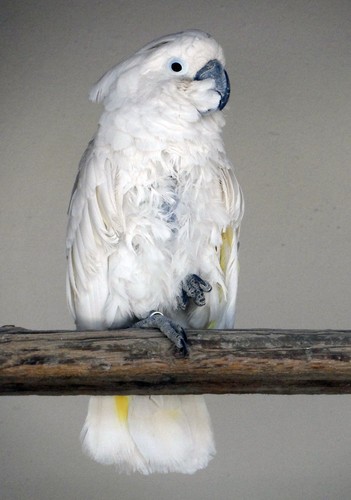
Umbrella Cockatoo
About 46 cm (18 in) long
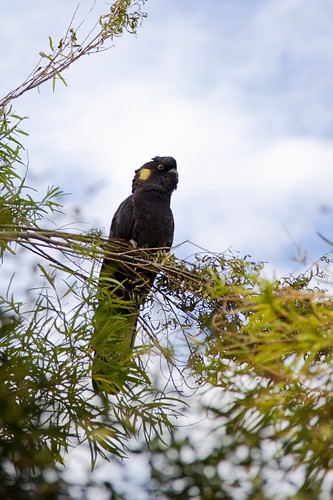
Yellow-tailed Black Cockatoo
55-65 cm long; wingspan up to about 130 cm
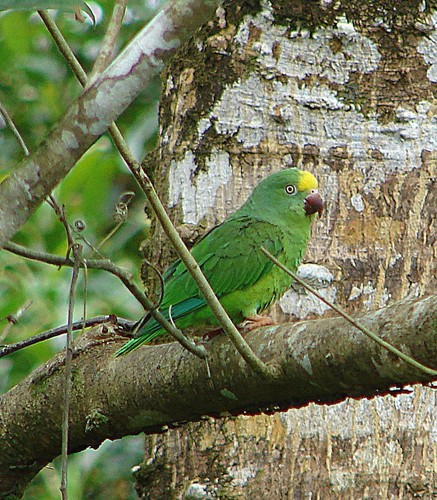
Yellow-crowned Amazon
About 35-38 cm (14-15 in) long
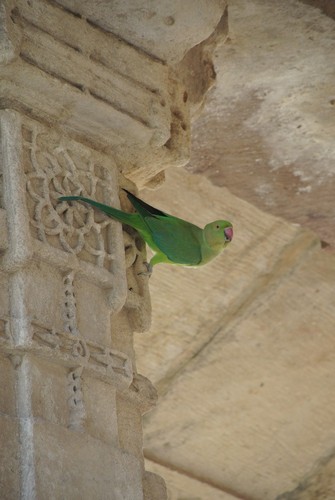
Rose-ringed Parakeet
40 cm (16 in) long including long tail
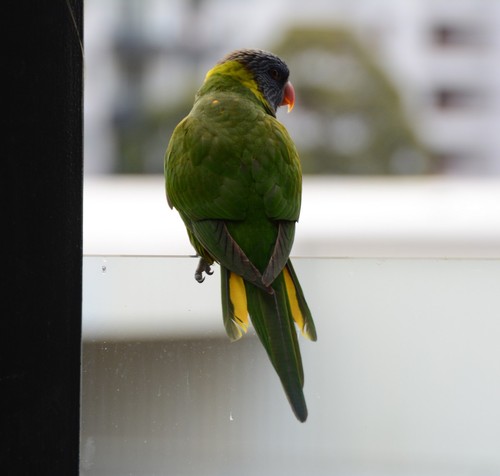
Rainbow Lorikeet
25-30 cm (10-12 in) long
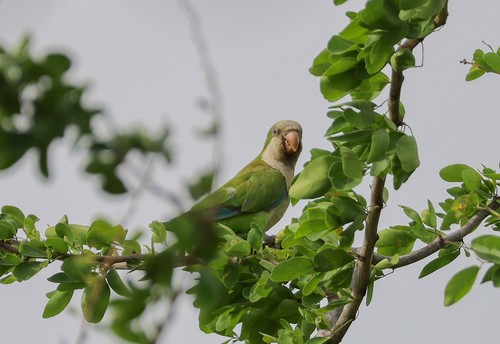
Quaker Parrot
28-31 cm (11-12 in) long
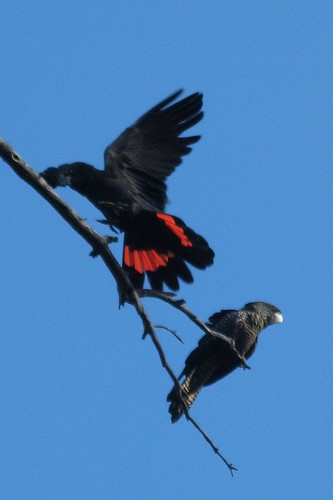
Red-tailed Black Cockatoo
55-65 cm long
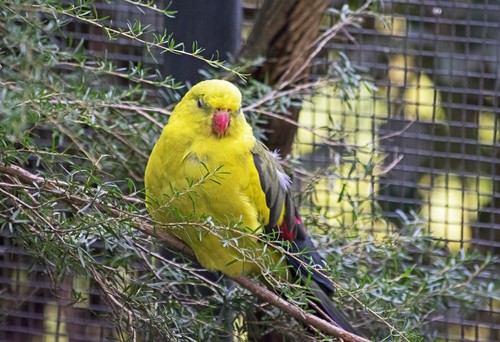
Regent Parrot
37-42 cm (15-17 in) long, including a long tail
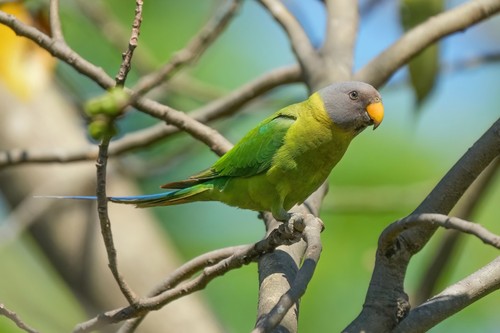
Plum-headed Parakeet
33 cm (13 in) long including tail