
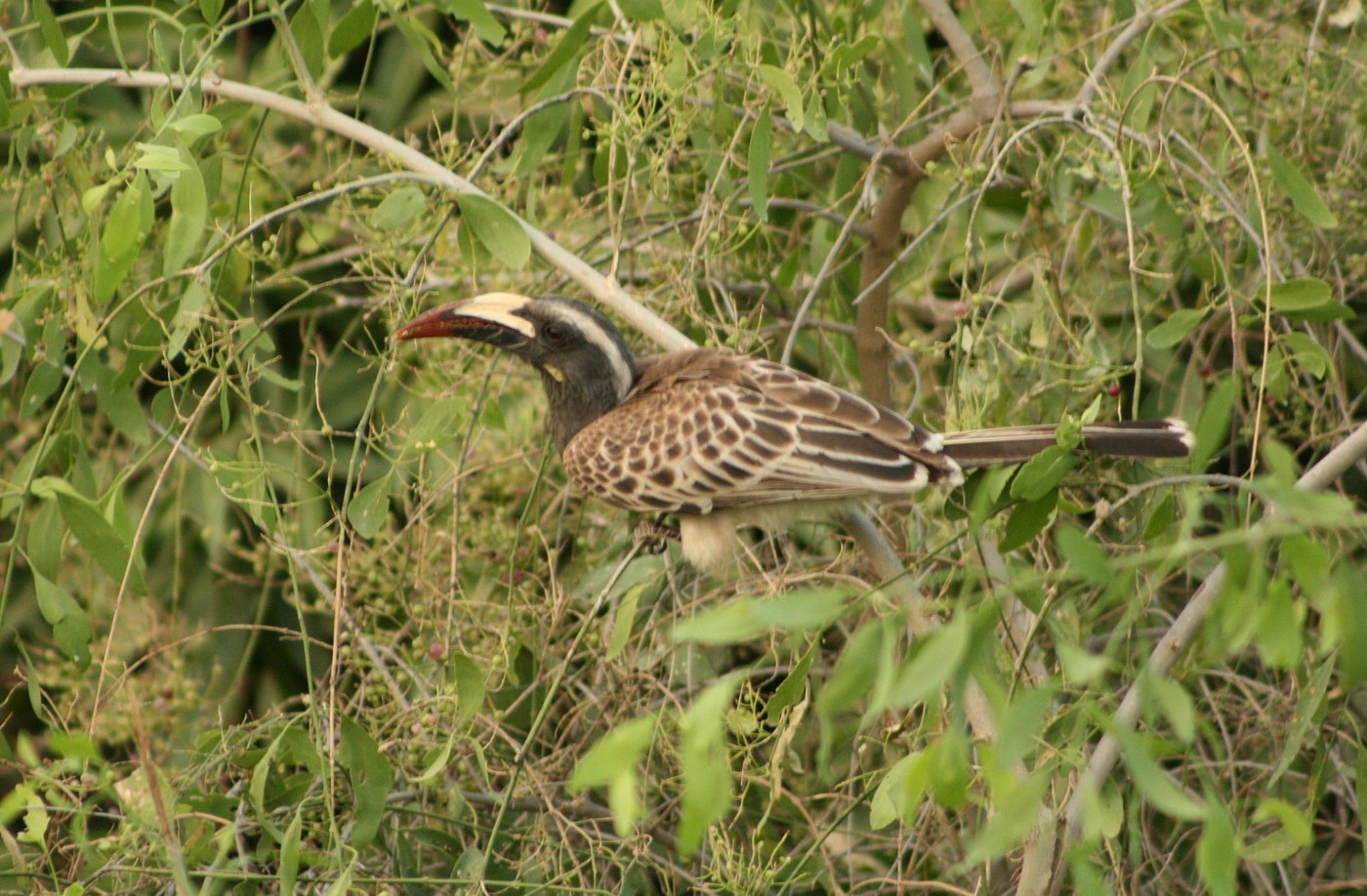
African Grey Hornbill
Lophoceros nasutus
A widespread African hornbill with understated grey-brown plumage, a pale eyebrow stripe, and a dark bill topped by a bony casque ridge in males.
- Size
- Length 45-51 cm
- Habitat
- Savanna, open woodland, and semi-arid scrub across sub-Saharan Africa
- Type
- other
Spotted a bird like this?
Identify any bird from a photo, free.
Overview
The African Grey Hornbill is one of the most widely distributed hornbills in Africa, found across a broad band of savanna and woodland habitats. Unlike its more boldly colored relatives, it has subdued grey-brown plumage, making it less conspicuous but still readily identified by its shape and behavior.
Appearance
- Grey-brown upperparts with fine pale streaking, and paler grey underparts
- A distinct pale, whitish eyebrow stripe above the eye
- Long, dark, slightly downcurved bill with a low bony casque ridge on the upper mandible, more developed in males
- Long tail with a white terminal band visible in flight
- Females and juveniles have a smaller casque and duller bill coloration than adult males
How to identify it
Key field marks
- Overall grey-brown plumage without bold black-and-white contrast
- Pale eyebrow stripe
- Dark bill with a low casque ridge, more prominent in males
- White-tipped tail visible in flight
Similar species
The Southern Yellow-billed and Southern Red-billed Hornbills are more boldly black-and-white with brightly colored (yellow or red) bills, whereas the African Grey Hornbill is more uniformly grey-toned with a dark bill, making it comparatively drab but distinctive within its range.
Habitat & range
Habitat
This species occupies a wide range of open habitats, including savanna, dry woodland, thorn scrub, and cultivated areas with scattered trees.
Range
It has one of the broadest distributions of any African hornbill, occurring across the Sahel and sub-Saharan Africa from Senegal east to Ethiopia and south through East and southern Africa.
Migration
It is largely resident, though some populations may show local nomadic movements in response to food availability and rainfall.
Behavior & voice
Behavior
African Grey Hornbills are often seen singly, in pairs, or small groups, perching in trees and making short undulating flights between feeding sites. They are relatively unobtrusive compared to more colorful hornbill species.
Voice
The call is a distinctive, plaintive, whistled "pee-o pee-o" or similar piping series, often repeated and carrying well across open habitat.
Feeding
They have a varied diet including insects, small reptiles, fruit, and seeds, foraging both in trees and on the ground, and are known to follow army ant swarms or bushfires to catch disturbed prey.
Nesting & breeding
As with other hornbills, the female seals herself into a tree cavity nest using mud and droppings, leaving a narrow slit through which the male delivers food throughout incubation and early chick-rearing, until she breaks out partway through the nesting cycle.
Frequently asked questions
How can you identify an African Grey Hornbill?
Look for its overall grey-brown plumage, pale eyebrow stripe, dark bill with a low casque ridge, and white-tipped tail seen in flight.
What does the African Grey Hornbill's call sound like?
It gives a distinctive, plaintive, whistled piping call often described as "pee-o pee-o," repeated in a series.
Where is the African Grey Hornbill found?
It has one of the widest ranges of any African hornbill, occurring across savanna and woodland from West Africa through East Africa to southern Africa.
How do male and female African Grey Hornbills differ?
Males have a more developed bony casque ridge on the bill and slightly different bill coloration than females, though both sexes share similar grey-brown plumage.
African Grey Hornbill guides
In-depth guides for identifying, finding, and understanding African Grey Hornbill.
Other birds you may enjoy
Kiwi
35-55 cm (14-22 in) long; roughly chicken-sized
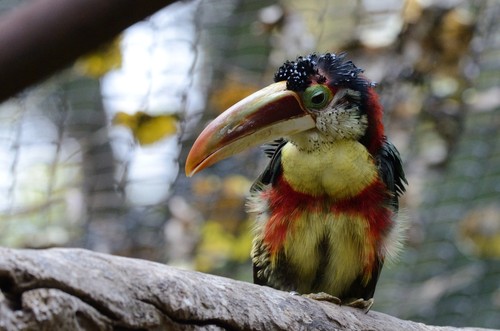
Curl-crested Aracari
41-46 cm (16-18 in) long, including a long bill and tail
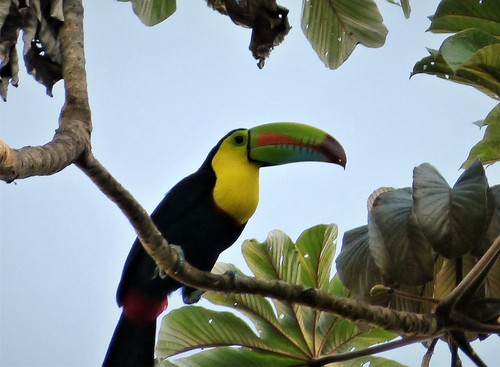
Keel-billed Toucan
42-55 cm (17-22 in) long including bill
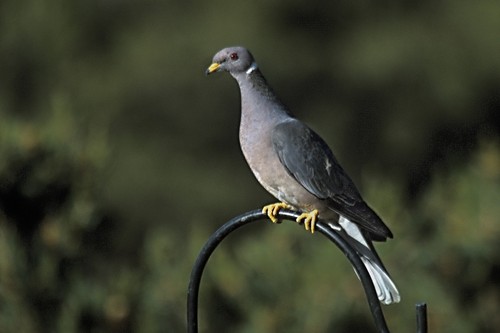
Band-tailed Pigeon
33-38 cm (13-15 in) long, wingspan about 66 cm (26 in)
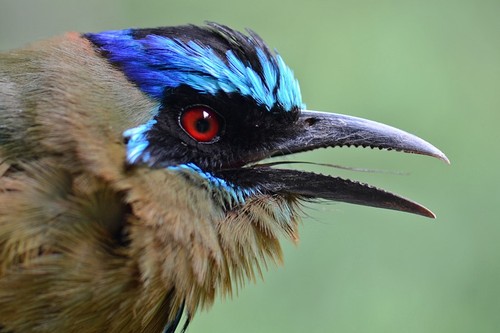
Blue-crowned Motmot
38-43 cm (15-17 in) long including tail
White-tipped Dove
27-30 cm (10.5-12 in) long, 38-43 cm wingspan
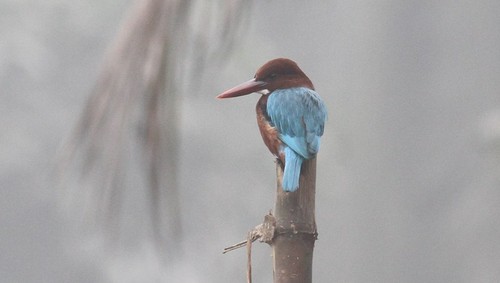
White-throated Kingfisher
27-28 cm (10.5-11 in) long
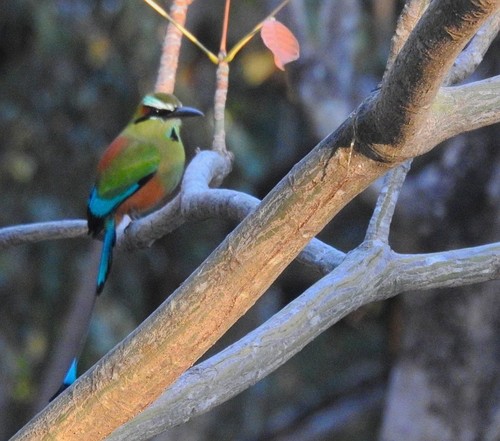
Turquoise-browed Motmot
34 cm (13 in) long including tail
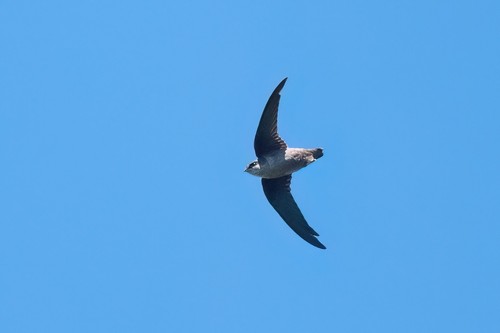
Vaux's Swift
10-12 cm (4-4.5 in) long, 27-30 cm wingspan
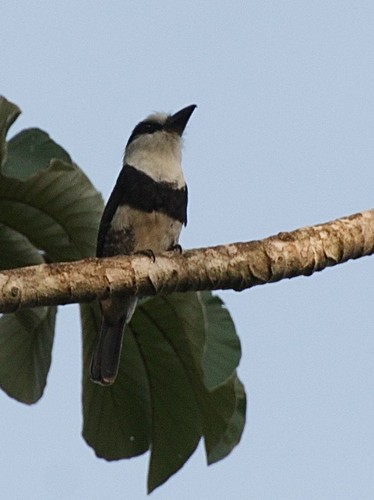
White-necked Puffbird
22-24 cm (8.5-9.5 in) long
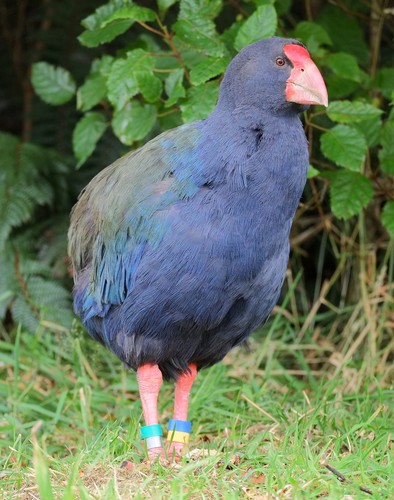
Takahe
50 cm (20 in) long, up to 3.5 kg; flightless
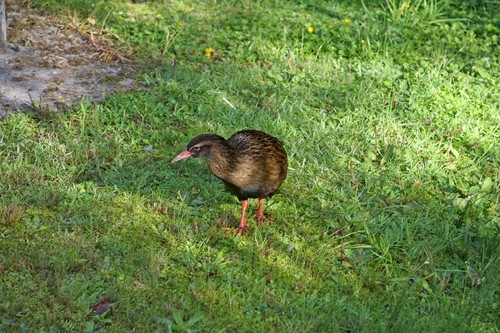
Weka
50-60 cm (20-24 in) long; flightless