
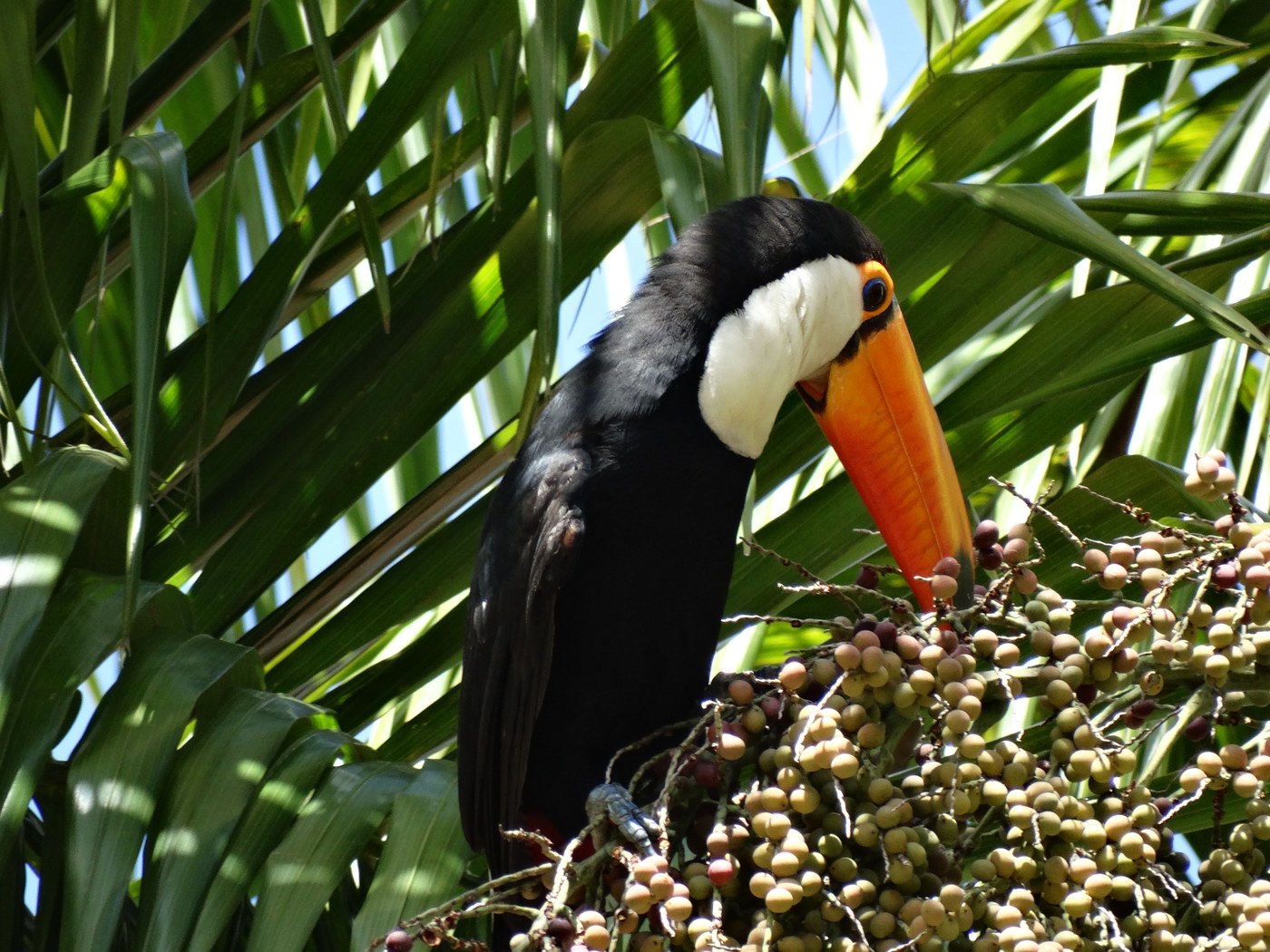
Toco Toucan
Ramphastos toco
The largest and most familiar toucan species, instantly recognized by its enormous bright orange bill contrasting with glossy black plumage.
- Size
- 55-65 cm (22-26 in) long, including a bill up to 20 cm (7.9 in)
- Habitat
- Savanna woodland, forest edges, and palm groves of central and eastern South America
- Type
- other
Spotted a bird like this?
Identify any bird from a photo, free.
Overview
The Toco Toucan is the largest member of the toucan family and one of the most recognizable birds in the world, thanks to its immense, vividly orange bill tipped in black. Its body is mostly glossy black, with a striking white throat and chest patch and a small area of red beneath the tail. Despite its size, the bill is remarkably lightweight, made of a keratin shell over a honeycomb-like bony structure.
It inhabits more open, semi-wooded habitats than most other toucans, often seen perched conspicuously atop trees or palms.
How to identify it
Key Field Marks
- Enormous bright orange bill with a black tip and base patch
- Glossy black body plumage
- Bright white throat and upper breast
- Small patch of red under the tail
- Pale blue skin around the eye
Similar Species
- Smaller toucan species such as the Channel-billed or Chestnut-mandibled Toucan have differently colored, more elongated bills and generally inhabit denser forest
- Aracaris and toucanets are notably smaller with slimmer, multicolored bills
- The Toco Toucan's size and bill color make it the easiest toucan to identify
Habitat & range
Range
Widespread across central and eastern South America, including much of Brazil, Bolivia, Paraguay, Uruguay, and northern Argentina.
Habitat
More tolerant of open habitat than other toucans, favoring savanna woodland, forest edges, palm groves, and gallery forest along rivers, rather than deep unbroken rainforest.
Migration
Generally non-migratory and resident, though may make local movements in response to fruit availability.
Behavior & voice
Behavior
Usually seen alone, in pairs, or in small loose groups, hopping along branches and making short, undulating flights between trees. Tosses fruit into the air before catching and swallowing it whole.
Voice
Utters a deep, croaking, far-carrying "graaak" or growling call, often repeated, quite different from a typical melodic songbird voice.
Feeding
Primarily frugivorous, using its long bill to reach fruit at the tips of branches; also opportunistically raids the nests of other birds for eggs and nestlings and takes insects and small reptiles.
Nesting & Breeding
Nests in natural tree cavities, sometimes enlarging existing holes since it cannot excavate wood itself; typically lays two to four eggs, incubated and cared for by both parents.
Frequently asked questions
Why is the Toco Toucan's bill so big?
The oversized bill helps it reach fruit at branch tips, aids in feeding on prey and nests, and also functions in thermoregulation by releasing body heat.
Is the Toco Toucan's bill heavy?
No, despite its size the bill is very lightweight, made of a thin keratin covering over a spongy, air-filled bony core.
Where do Toco Toucans live?
In savanna woodland, forest edges, and palm groves across central and eastern South America.
What do Toco Toucans eat?
Mostly fruit, along with insects, small reptiles, and occasionally the eggs or chicks of other birds.
How do Toco Toucans nest?
They nest in natural tree cavities, since they lack the ability to excavate their own holes like woodpeckers do.
Toco Toucan guides
In-depth guides for identifying, finding, and understanding Toco Toucan.
Other birds you may enjoy
Kiwi
35-55 cm (14-22 in) long; roughly chicken-sized
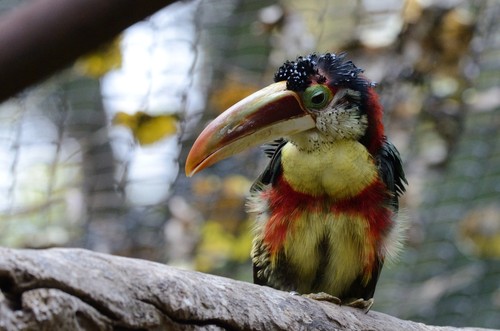
Curl-crested Aracari
41-46 cm (16-18 in) long, including a long bill and tail
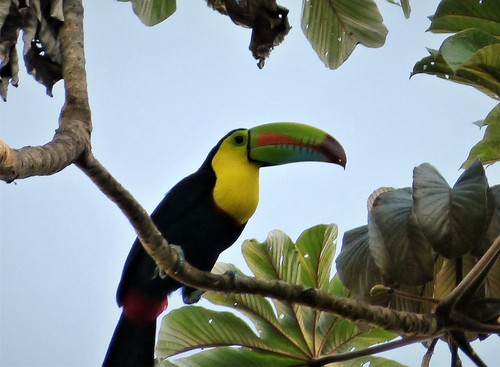
Keel-billed Toucan
42-55 cm (17-22 in) long including bill
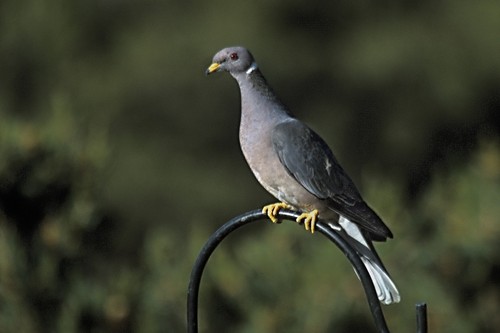
Band-tailed Pigeon
33-38 cm (13-15 in) long, wingspan about 66 cm (26 in)
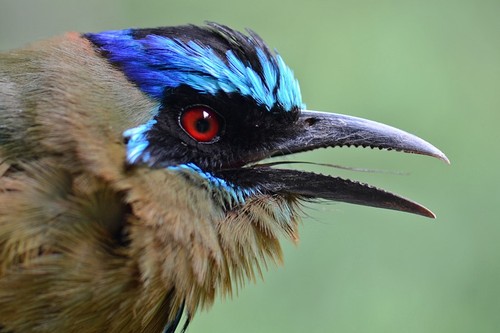
Blue-crowned Motmot
38-43 cm (15-17 in) long including tail
White-tipped Dove
27-30 cm (10.5-12 in) long, 38-43 cm wingspan
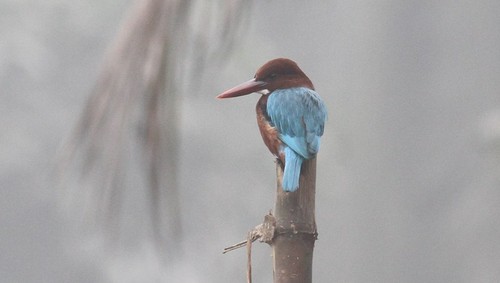
White-throated Kingfisher
27-28 cm (10.5-11 in) long
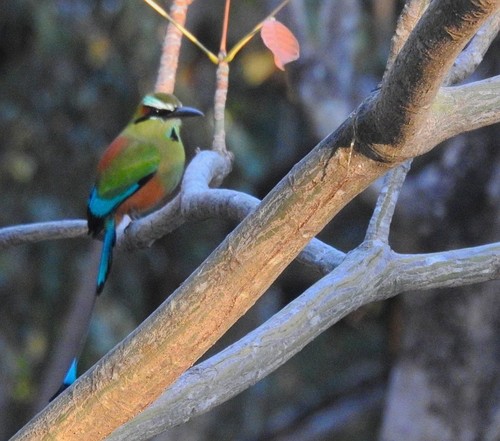
Turquoise-browed Motmot
34 cm (13 in) long including tail
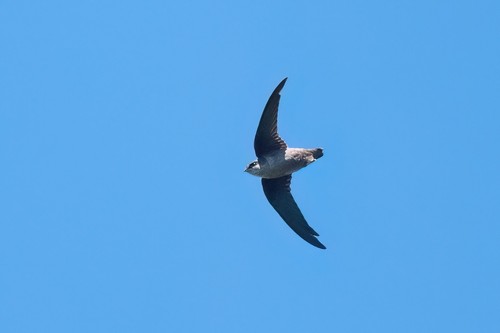
Vaux's Swift
10-12 cm (4-4.5 in) long, 27-30 cm wingspan
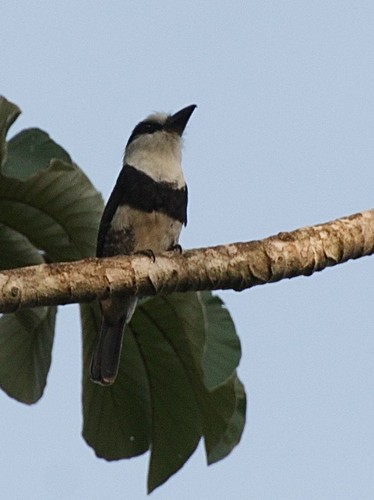
White-necked Puffbird
22-24 cm (8.5-9.5 in) long
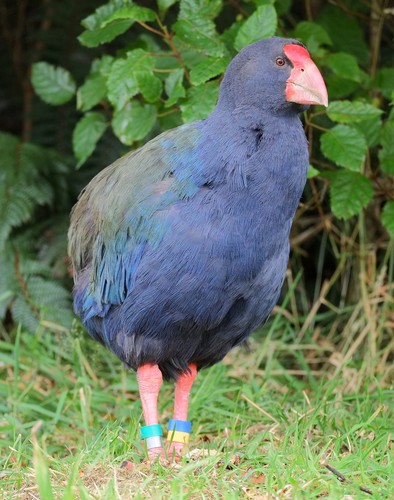
Takahe
50 cm (20 in) long, up to 3.5 kg; flightless
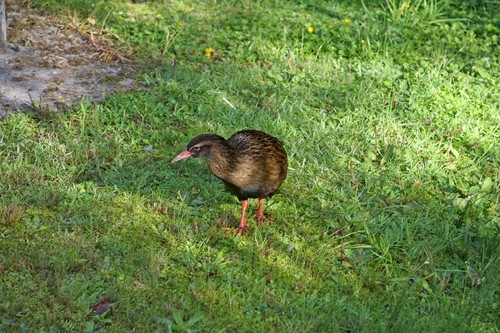
Weka
50-60 cm (20-24 in) long; flightless