
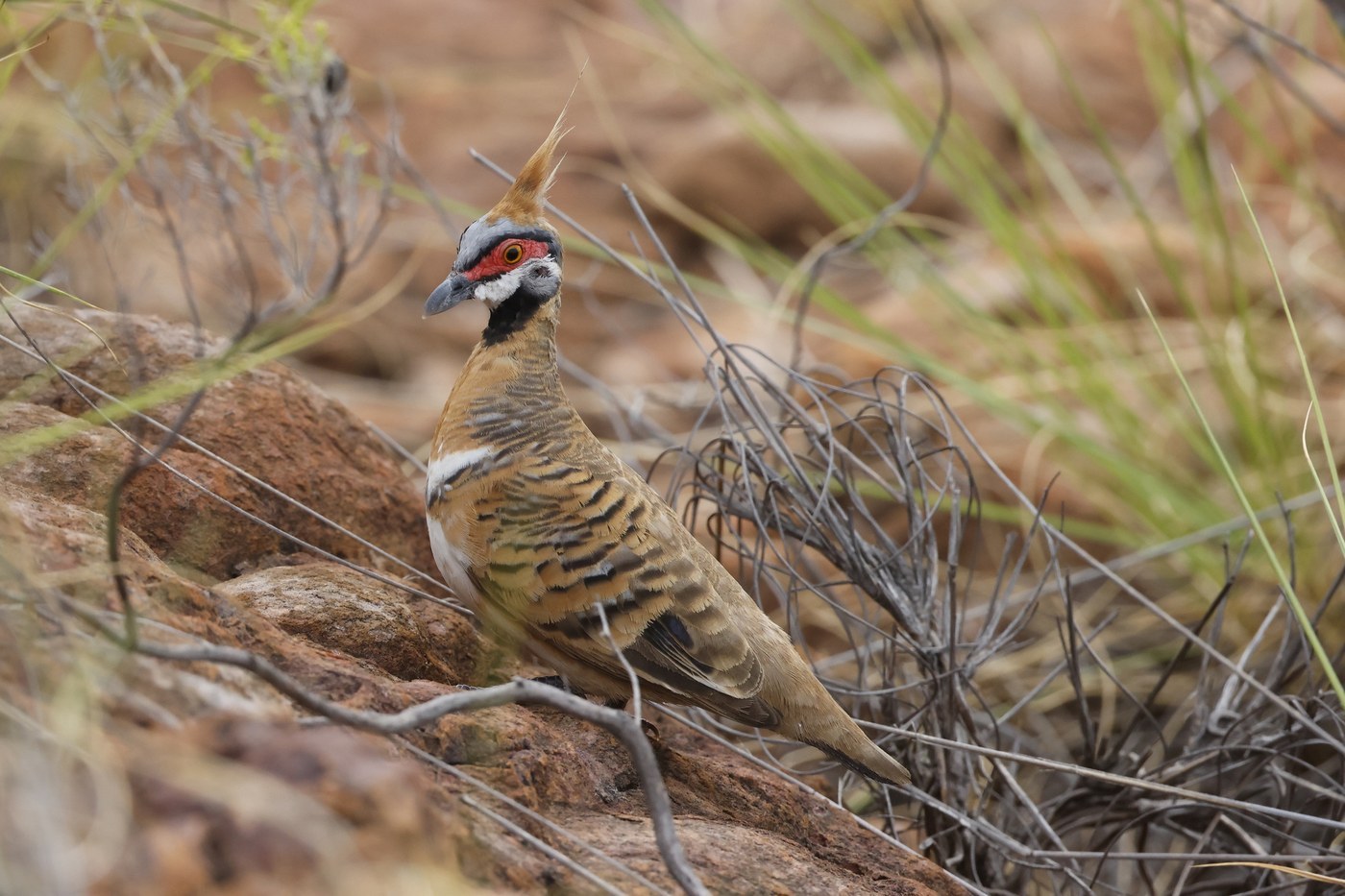
Spinifex Pigeon
Geophaps plumifera
A small, richly cinnamon-colored ground pigeon of arid spinifex country, with a tall pointed crest and bold red-and-black facial markings.
- Size
- 20-24 cm (8-9.5 in) long
- Habitat
- arid spinifex grassland and rocky country
- Type
- other
Spotted a bird like this?
Identify any bird from a photo, free.
Overview
The Spinifex Pigeon is a small, compact pigeon warmly colored in rich cinnamon and rufous tones, finely barred with black across the back and wings, giving it excellent camouflage against the red earth and spinifex hummocks of its arid habitat. A tall, slender, pointed crest rises from the crown, and the face is boldly marked with patches of bare red skin around the eye set against black-and-white facial stripes.
Well adapted to life in Australia's harshest deserts, it is usually found in small groups near rocky outcrops and gorges, where it can access both spinifex seed and reliable water sources, running rather than flying when disturbed and blending remarkably well into the red, rocky landscape.
How to identify it
Key field marks
- Rich cinnamon-rufous plumage finely barred with black
- Tall, slender, pointed crest
- Bold red bare skin around the eye contrasting with black-and-white face markings
- Small, compact, ground-hugging build
Similar species
- Crested Pigeon is larger, grey-brown rather than cinnamon, and lacks the bold red facial skin.
- No other Australian pigeon shares its combination of rufous coloring and tall crest in arid spinifex habitat.
Habitat & range
Habitat
Restricted to arid and semi-arid spinifex grassland, stony ground, and rocky gorges and outcrops, usually near a reliable water source.
Range
Found across the arid interior of northern and central Australia, including parts of Western Australia, the Northern Territory, and northern South Australia.
Migration
Sedentary, though it may move locally in response to the availability of water, particularly during dry periods.
Behavior & voice
Behavior
Usually encountered in small groups, running quickly across open, rocky ground and freezing or crouching to rely on camouflage rather than flying when disturbed; visits waterholes regularly, often at set times of day.
Voice
A soft, low cooing call, along with sharper notes given in alarm.
Feeding
Feeds on the seeds of spinifex and other arid-zone grasses and plants, foraged by walking on open, stony ground.
Nesting
Lays eggs in a simple scrape on the ground, often sheltered by a spinifex clump or rock; lays 2 cream-colored eggs.
Frequently asked questions
How do you identify a Spinifex Pigeon?
Look for a small, rich cinnamon-colored pigeon with fine black barring, a tall pointed crest, and bold red bare skin around the eye.
Where does the Spinifex Pigeon live?
In arid spinifex grassland and rocky country across the interior of northern and central Australia.
What does a Spinifex Pigeon eat?
Mainly the seeds of spinifex and other arid-zone grasses, foraged on open ground.
Does the Spinifex Pigeon fly when disturbed?
It often prefers to run and rely on its camouflage rather than immediately taking flight when approached.
Spinifex Pigeon guides
In-depth guides for identifying, finding, and understanding Spinifex Pigeon.
Other birds you may enjoy
Kiwi
35-55 cm (14-22 in) long; roughly chicken-sized
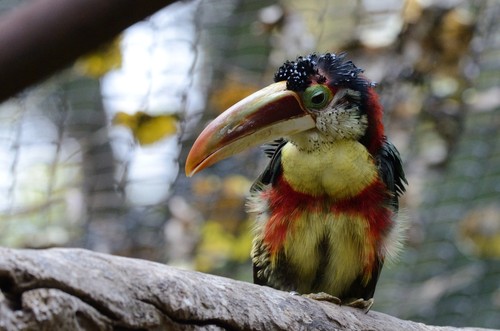
Curl-crested Aracari
41-46 cm (16-18 in) long, including a long bill and tail
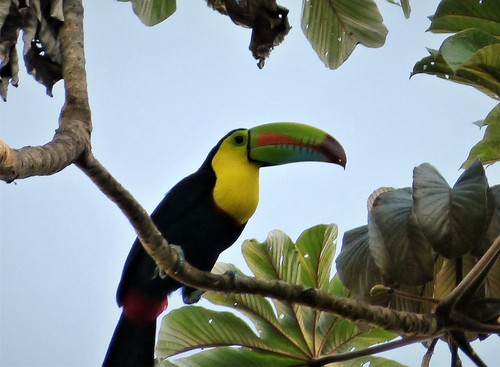
Keel-billed Toucan
42-55 cm (17-22 in) long including bill
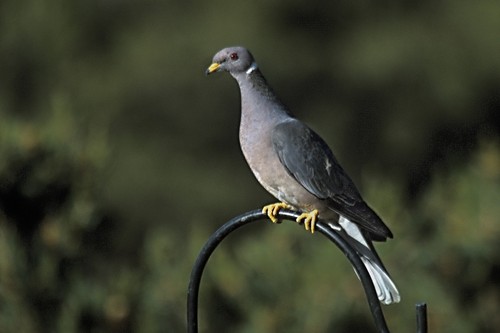
Band-tailed Pigeon
33-38 cm (13-15 in) long, wingspan about 66 cm (26 in)
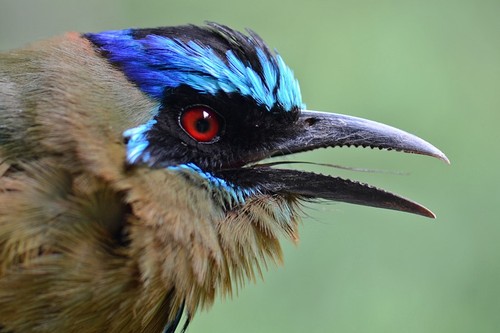
Blue-crowned Motmot
38-43 cm (15-17 in) long including tail
White-tipped Dove
27-30 cm (10.5-12 in) long, 38-43 cm wingspan
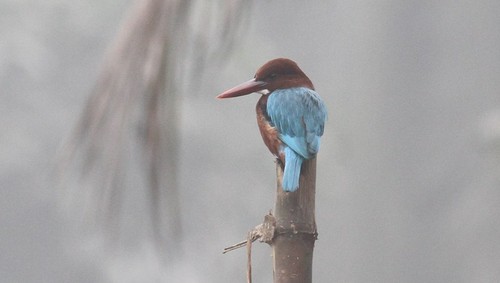
White-throated Kingfisher
27-28 cm (10.5-11 in) long
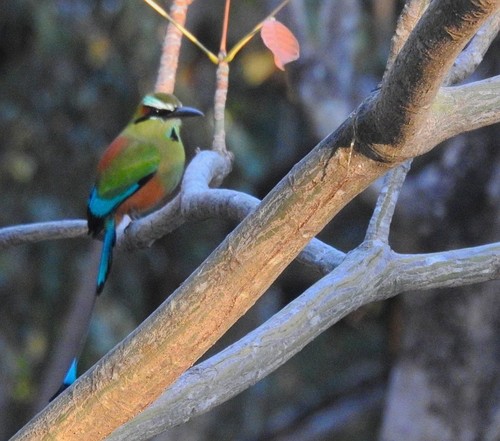
Turquoise-browed Motmot
34 cm (13 in) long including tail
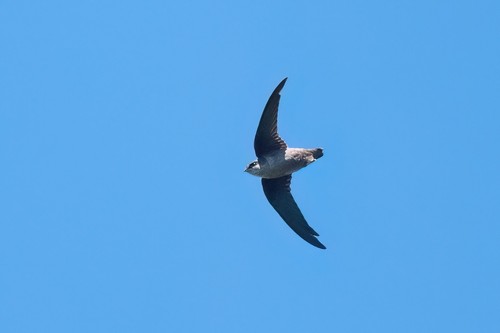
Vaux's Swift
10-12 cm (4-4.5 in) long, 27-30 cm wingspan
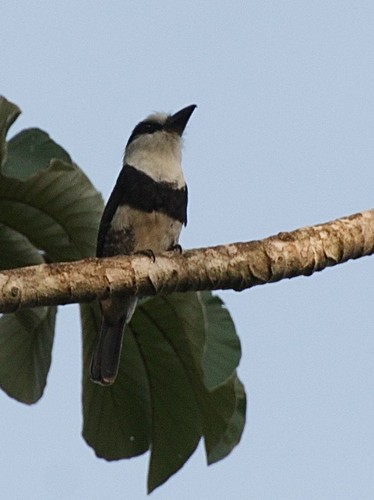
White-necked Puffbird
22-24 cm (8.5-9.5 in) long
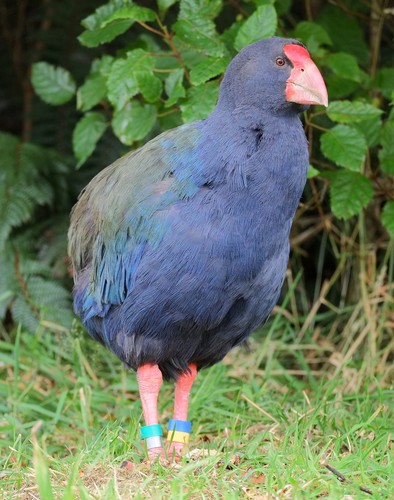
Takahe
50 cm (20 in) long, up to 3.5 kg; flightless
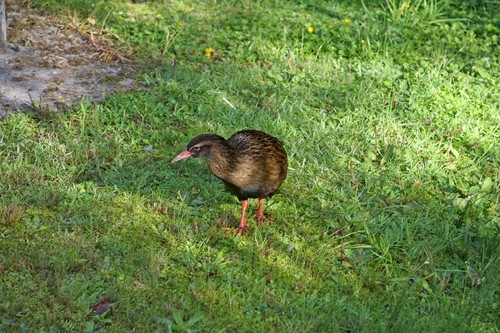
Weka
50-60 cm (20-24 in) long; flightless