
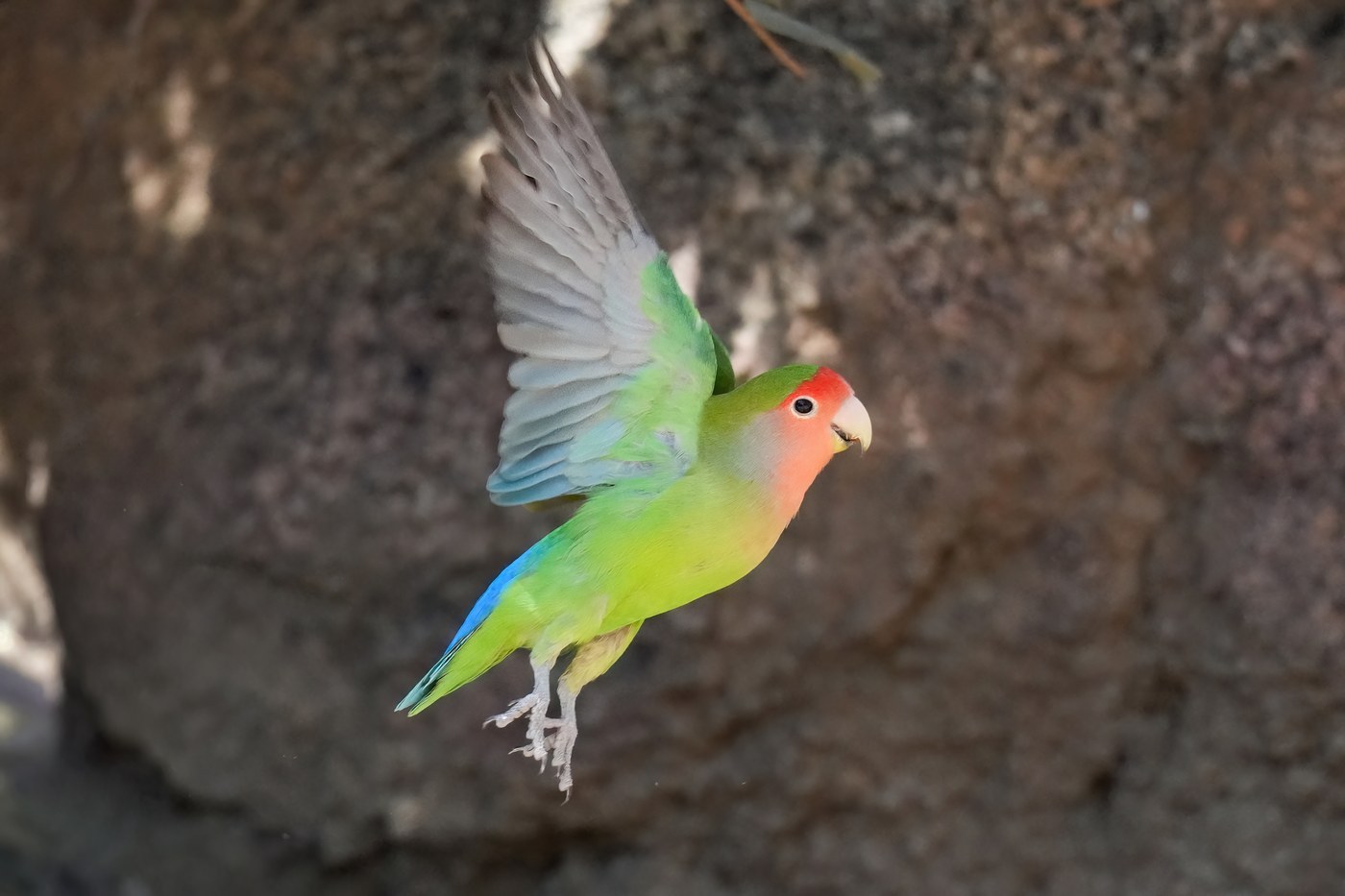
Peach-faced Lovebird
Agapornis roseicollis
A small, stocky African parrot with a bright peach-pink face and vivid green body, one of the most familiar lovebird species.
- Size
- About 15 cm (6 in) long; wingspan around 25 cm (10 in)
- Habitat
- Arid savanna, dry woodland, and rocky outcrops near water sources
- Type
- parrot
Spotted a bird like this?
Identify any bird from a photo, free.
Overview
The Peach-faced Lovebird is a small, compact parrot native to the arid regions of southwestern Africa. It is the largest of the lovebird species and is instantly recognizable by its rosy-peach face and throat contrasting with an otherwise bright grass-green body.
Appearance
Adults show a vivid green body plumage, a blue rump, and a peach-to-salmon wash across the forehead, face, and upper throat that fades gently into the green of the breast. The bill is pale horn-colored, and the eyes are dark. Juveniles are duller, with less defined peach coloring and some dark markings at the base of the upper mandible that disappear with maturity.
General Impression
In the wild these birds are gregarious, fast-flying, and almost always seen in small flocks, giving sharp chattering calls as they move between feeding and roosting sites.
How to identify it
Key Field Marks
- Bright green body with a blue lower back and rump
- Peach-to-rose-pink face, forehead, and throat
- Short, stubby tail typical of lovebirds
- Stocky build and short wings relative to body
Similar Species
The Peach-faced Lovebird can be confused with other Agapornis species that occur in similar regions or in escaped/feral populations:
- Fischer's Lovebird has an olive-green head and a distinct white eye-ring, lacking the peach face.
- Masked Lovebird has a dark blackish-brown head and a bold white eye-ring, with a yellow (not peach) collar and chest.
- Hybrid and color-mutation lovebirds (common in aviculture) may show unusual colors such as blue, lutino, or pied patterns not found in wild populations.
The combination of an unbroken peach face blending into green body plumage, with no white eye-ring, separates this species from its close relatives.
Habitat & range
Range
Native to the dry interior of southwestern Africa, including Namibia, southwestern Angola, and parts of northern South Africa along the Orange River.
Habitat
Found in semi-arid savanna, dry open woodland, and rocky escarpments, almost always within commuting distance of a permanent water source such as a river or waterhole. It readily uses cliffs and human structures for nesting.
Movements
Not a long-distance migrant; populations make local movements tracking rainfall, food availability, and water. Feral populations established from escaped or released birds persist in some warm, arid regions outside its native range, such as parts of the southwestern United States.
Behavior & voice
Social Behavior
Highly social and typically encountered in small, noisy flocks that forage and roost together. Pairs form strong, long-term bonds and stay in close contact, often perched touching one another.
Voice
Calls are sharp, shrill, high-pitched chirps and screeches given frequently in flight and while perched; flocks in motion are often heard before they are seen.
Feeding
Forages mainly on the ground and in low vegetation for grass seeds, and also takes seeds, buds, and berries from shrubs and trees.
Nesting and Breeding
Unusual among parrots, this species builds an elaborate stick nest, carrying material tucked into its rump feathers back to the nest site. Nests are often built in colonies within crevices of cliffs, rock faces, or the large communal nests of sociable weavers. Clutches typically contain four to six eggs, incubated by the female for around 23 days.
Frequently asked questions
What does a Peach-faced Lovebird look like?
It is a small, chunky green parrot with a distinctive peach-to-rose-colored face and throat, a blue rump, and a short tail.
Where do Peach-faced Lovebirds live in the wild?
They are native to arid savanna and rocky areas of Namibia, southwestern Angola, and parts of South Africa, always near water.
How can I tell a Peach-faced Lovebird from other lovebirds?
Unlike Fischer's or Masked Lovebirds, it lacks a white eye-ring and has a peach face that blends smoothly into its green body rather than a sharply defined colored head.
What sound does a Peach-faced Lovebird make?
It gives frequent sharp, high-pitched chirps and screeches, especially in flight.
Do Peach-faced Lovebirds migrate?
No, they are largely sedentary, making only local movements in response to water and food availability.
Peach-faced Lovebird guides
In-depth guides for identifying, finding, and understanding Peach-faced Lovebird.
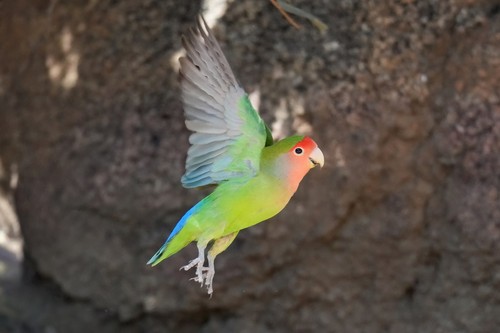
Peach-faced Lovebird identified by the community
Real birds identified with Bird Identifier.
Other birds you may enjoy
Eclectus Parrot
35-42 cm (14-16.5 in) long
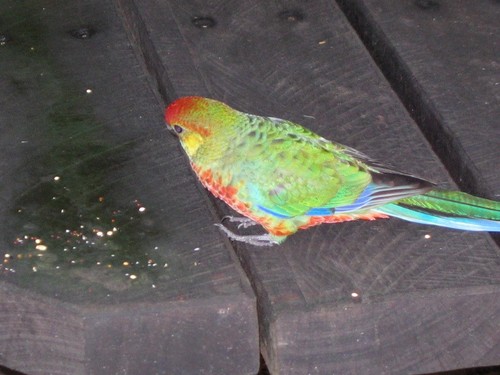
Western Rosella
25-30 cm (10-12 in) long
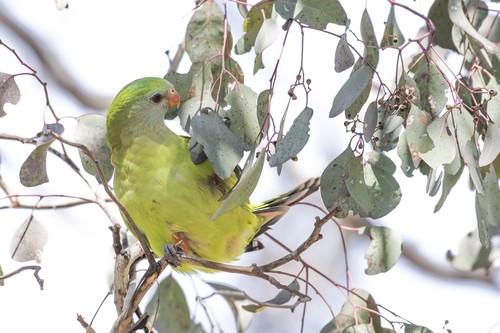
Superb Parrot
About 40 cm (16 in) long including a long tail
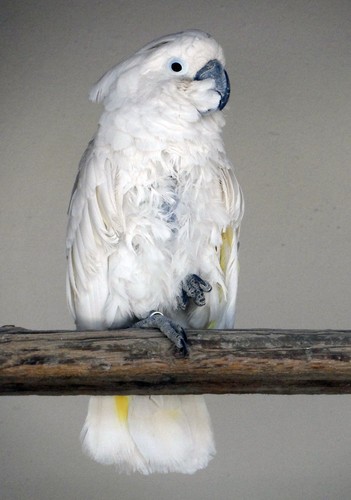
Umbrella Cockatoo
About 46 cm (18 in) long
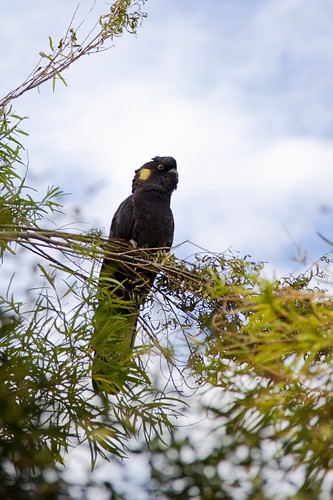
Yellow-tailed Black Cockatoo
55-65 cm long; wingspan up to about 130 cm
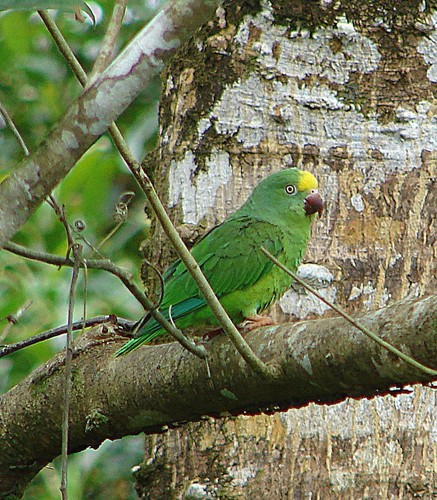
Yellow-crowned Amazon
About 35-38 cm (14-15 in) long
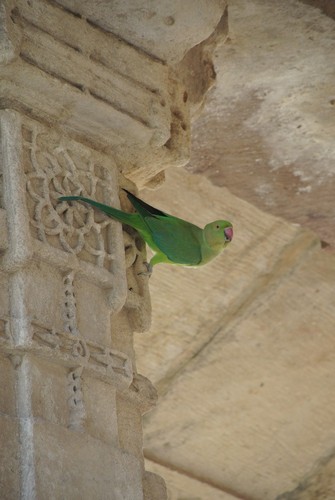
Rose-ringed Parakeet
40 cm (16 in) long including long tail
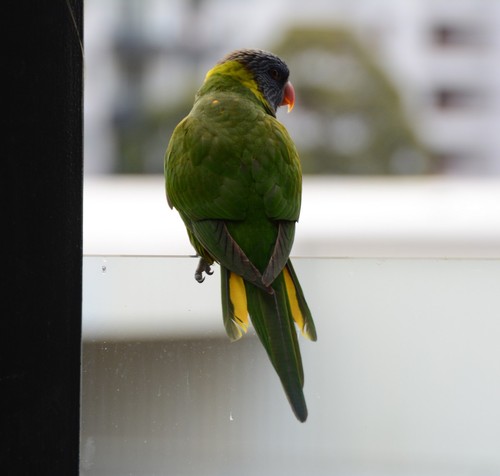
Rainbow Lorikeet
25-30 cm (10-12 in) long
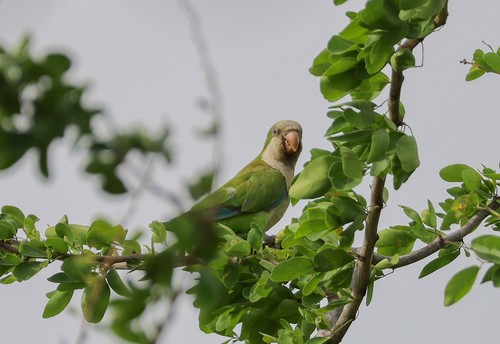
Quaker Parrot
28-31 cm (11-12 in) long
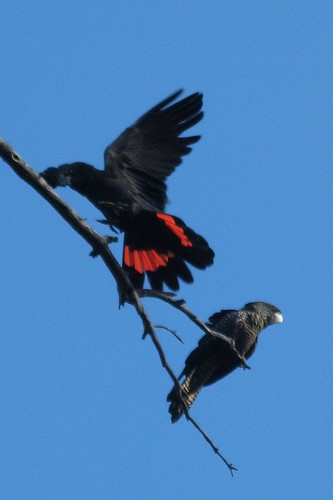
Red-tailed Black Cockatoo
55-65 cm long
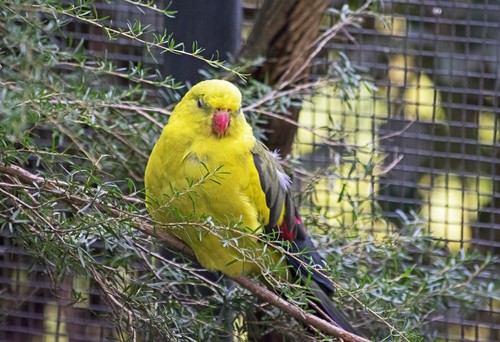
Regent Parrot
37-42 cm (15-17 in) long, including a long tail
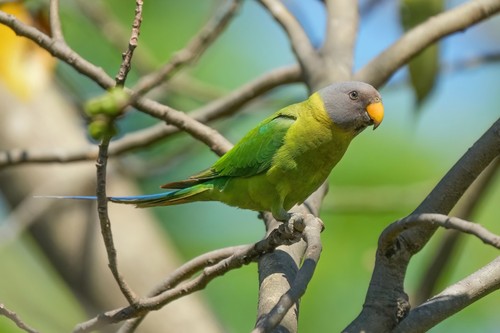
Plum-headed Parakeet
33 cm (13 in) long including tail