
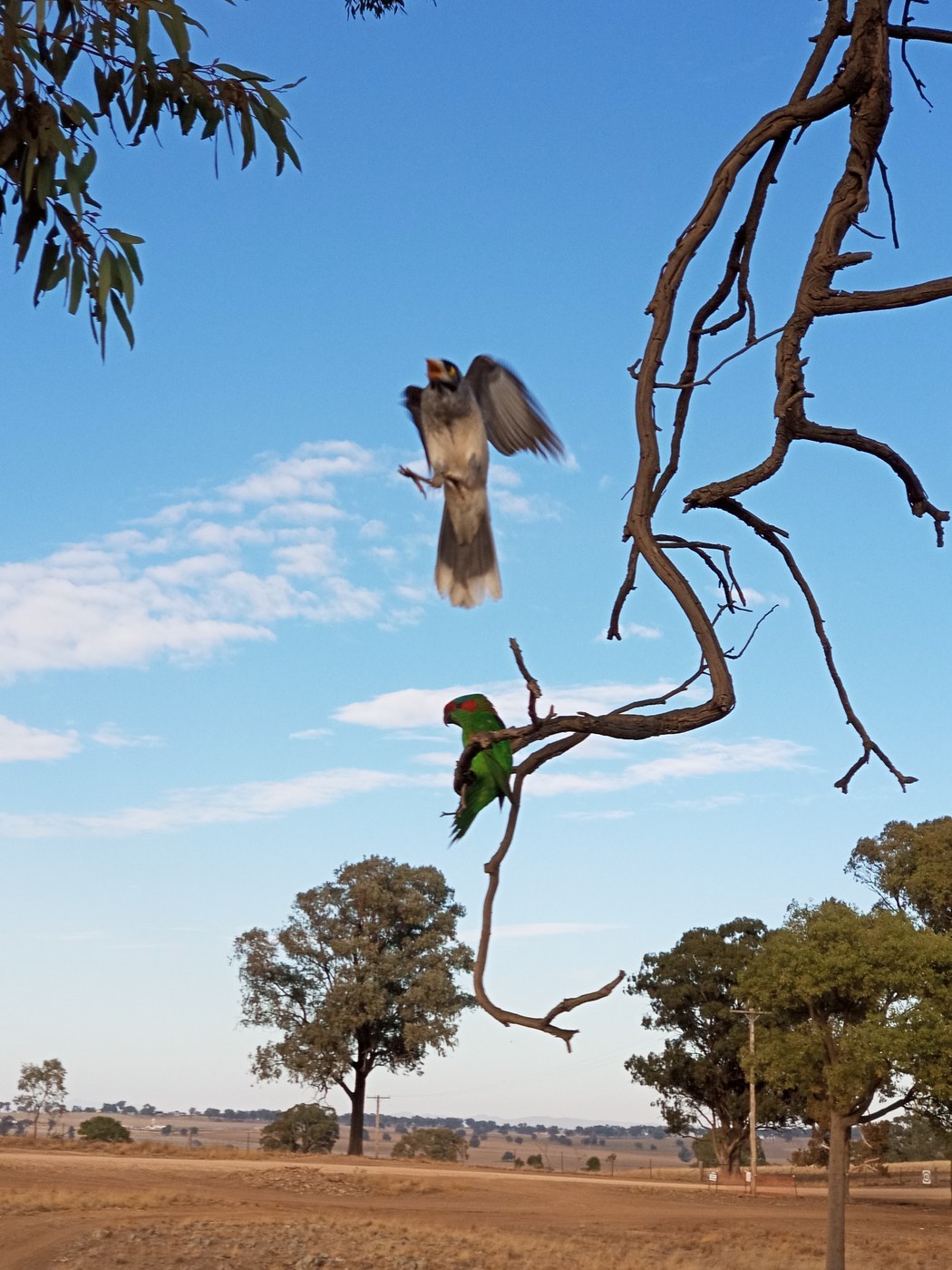
Musk Lorikeet
Glossopsitta concinna
A small, fast-flying green lorikeet of southeastern Australia distinguished by its red face patch and namesake musky scent.
- Size
- About 22 cm long
- Habitat
- Dry eucalypt forest, woodland, orchards and parks
- Type
- parrot
Spotted a bird like this?
Identify any bird from a photo, free.
Overview
The Musk Lorikeet is a small parrot found in southeastern Australia. It is predominantly green, with a yellowish tinge on the underparts and a blue-tinged band across the crown.
Its most distinctive feature is a red patch covering the forehead and lores that extends into a red spot on the ear coverts. In flight, a yellow patch is visible on the wing. The species is named for a musky odor that has traditionally been noted around roosting and nesting birds.
How to identify it
Key field marks
- Small, compact lorikeet, mostly green
- Red forehead and lores plus a separate red ear-covert patch
- Blue-tinged band across the top of the crown
- Yellow patch on the wing, visible in flight
Similar species
The Little Lorikeet (Glossopsitta pusilla) is smaller and has red confined mainly to the face around the bill, without the isolated red ear patch or blue crown band shown by the Musk Lorikeet. Both species can occur in mixed nomadic flocks at flowering trees.
Habitat & range
Range
Occurs across southeastern Australia, including Victoria, New South Wales, southern Queensland, southeastern South Australia and Tasmania.
Habitat
Inhabits dry eucalypt forest and woodland, as well as orchards, farmland with remnant trees, and urban parks and gardens where suitable flowering trees occur.
Movement
Nomadic, moving locally and sometimes over longer distances in response to the flowering patterns of eucalypts and other nectar sources.
Behavior & voice
Voice
A noisy species, giving shrill, high-pitched chattering calls in flight and while feeding, often in flocks with other lorikeets.
Feeding
Forages acrobatically in the canopy, using a brush-tipped tongue to extract nectar and pollen from eucalypt blossom; also eats fruit and some seed, and occasionally insects.
Breeding
Nests in tree hollows, usually laying two eggs. The musky odor for which the species is named is most noticeable near nest and roost sites.
Frequently asked questions
Why is it called the Musk Lorikeet?
It is named for a musky scent traditionally noted around its roosting and nesting sites.
How do you identify a Musk Lorikeet?
Look for a mostly green bird with a red patch on the forehead and lores, a separate red spot on the ear coverts, and a blue-tinged band across the crown.
Where do Musk Lorikeets live?
Southeastern Australia, including Victoria, New South Wales, southern Queensland, southeastern South Australia and Tasmania.
What is the difference between a Musk Lorikeet and a Little Lorikeet?
The Musk Lorikeet has an isolated red ear patch and a blue crown band that the smaller Little Lorikeet lacks; the Little Lorikeet's red is confined near the bill.
Musk Lorikeet guides
In-depth guides for identifying, finding, and understanding Musk Lorikeet.
Other birds you may enjoy
Eclectus Parrot
35-42 cm (14-16.5 in) long
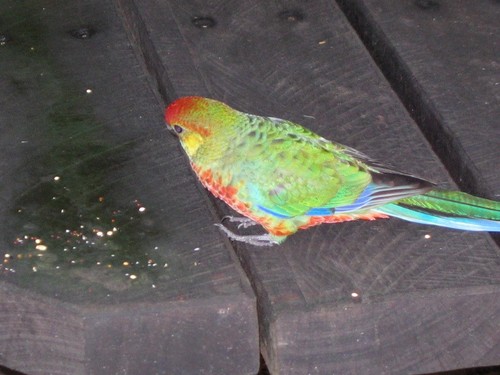
Western Rosella
25-30 cm (10-12 in) long
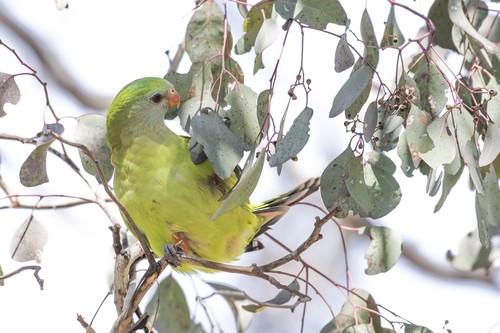
Superb Parrot
About 40 cm (16 in) long including a long tail
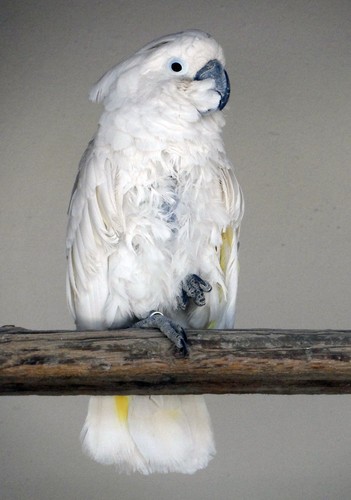
Umbrella Cockatoo
About 46 cm (18 in) long
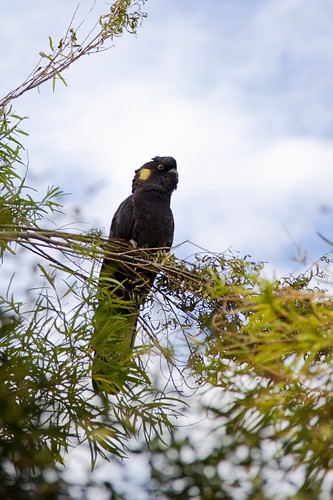
Yellow-tailed Black Cockatoo
55-65 cm long; wingspan up to about 130 cm
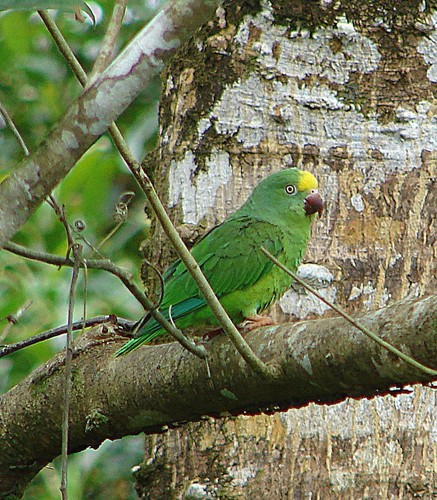
Yellow-crowned Amazon
About 35-38 cm (14-15 in) long
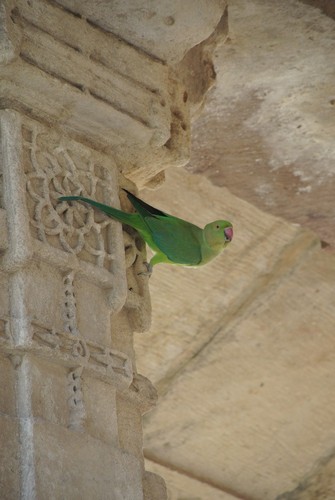
Rose-ringed Parakeet
40 cm (16 in) long including long tail
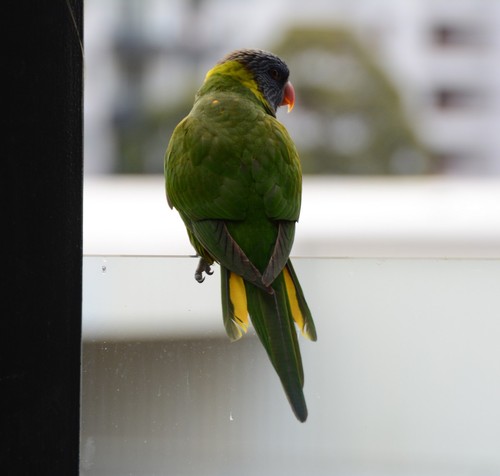
Rainbow Lorikeet
25-30 cm (10-12 in) long
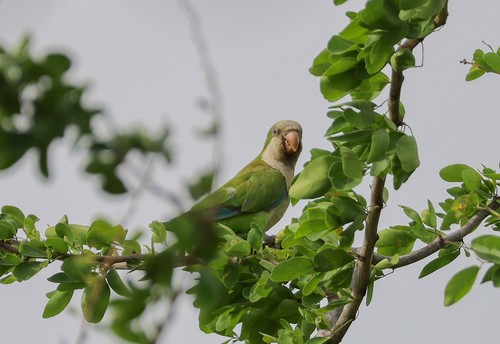
Quaker Parrot
28-31 cm (11-12 in) long
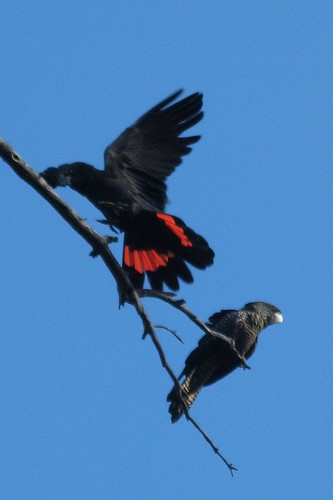
Red-tailed Black Cockatoo
55-65 cm long
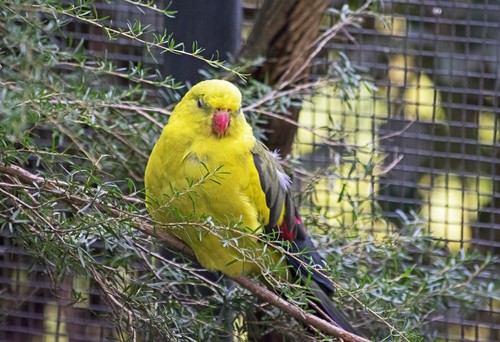
Regent Parrot
37-42 cm (15-17 in) long, including a long tail
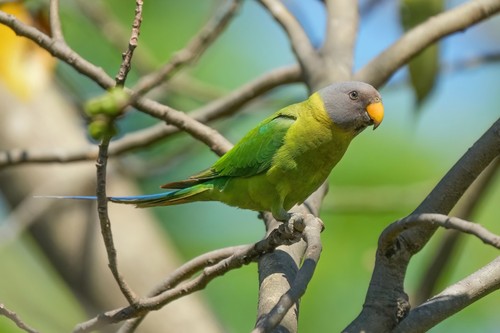
Plum-headed Parakeet
33 cm (13 in) long including tail