
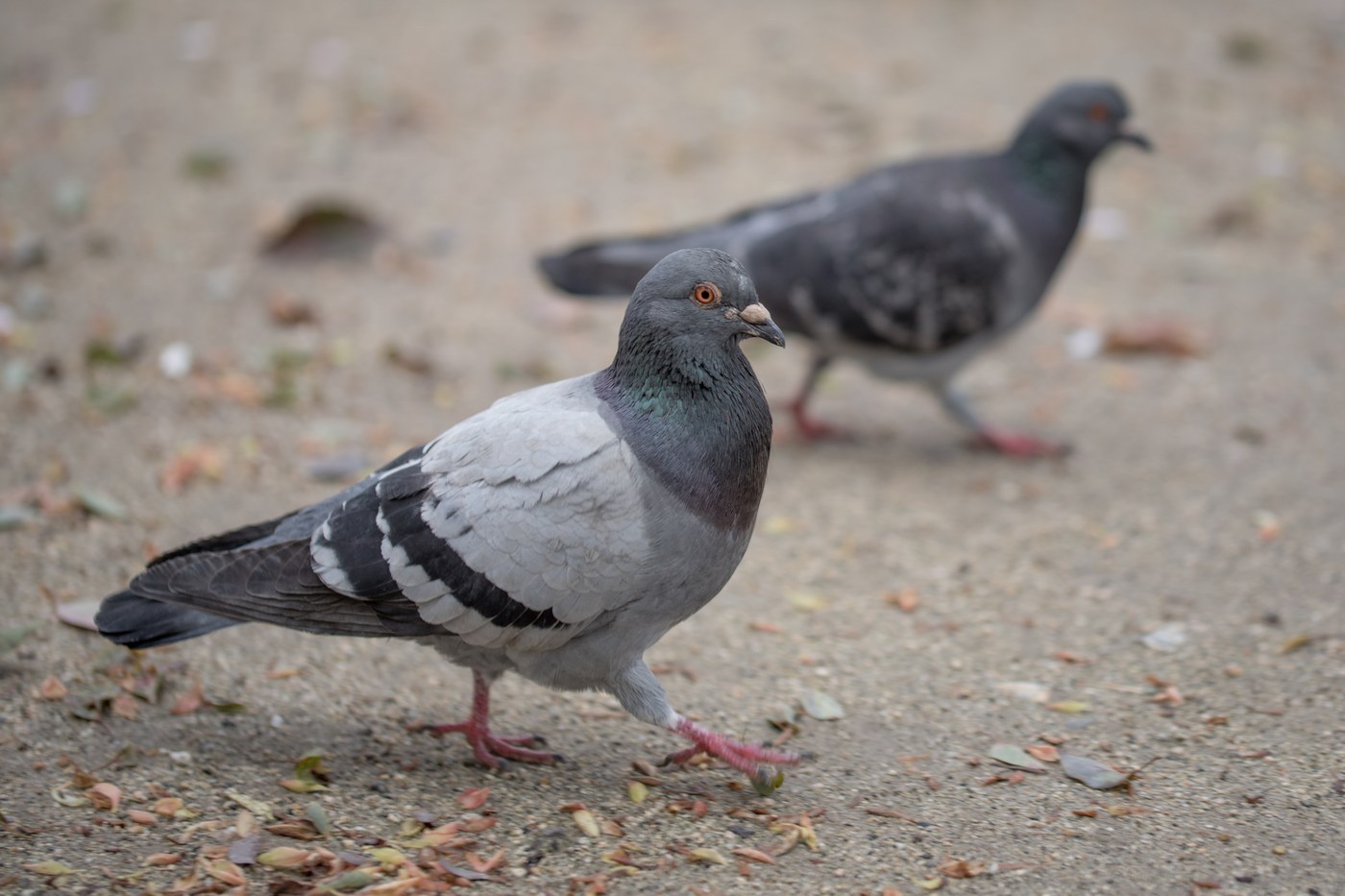
Jacobin Pigeon
Columba livia domestica
An old fancy pigeon breed instantly recognizable by the cascading hood of feathers that covers its head like a monk's cowl.
- Size
- Body length about 30-33 cm (12-13 in), appearing slighter due to its long neck feathering
- Habitat
- Kept in pigeon lofts and aviaries; not found in the wild
- Type
- other
Spotted a bird like this?
Identify any bird from a photo, free.
Overview
Overview
The Jacobin Pigeon is one of the oldest recorded fancy pigeon breeds, believed to have originated in Asia and developed further in Europe over several centuries. It is bred purely for exhibition, valued for its ornamental head feathering rather than any practical or wild trait.
Appearance
The breed's signature feature is a large hood, or "cowl," formed by long, reversed feathers on the neck that rise up and frame the head, sometimes almost concealing the face and beak. The body is slender and elongated compared to other pigeon breeds, with feathered legs in some strains, and plumage that comes in solid colors such as white, black, red, and yellow, often combined with a white body and colored hood in older strains.
How to identify it
Key Field Marks
- Prominent feathered hood or cowl covering the sides and back of the head
- Long, slender body and neck relative to other pigeon breeds
- Rosette-like feather formations at the sides of the chest in some strains
Similar Breeds
The Jacobin is unmistakable among pigeon breeds because of its hood, which no other common fancy breed possesses in the same form. It differs from the Frillback, which has curled body feathers instead of a hood, and from the plain-headed Domestic and Rock Dove forms.
Habitat & range
Habitat and Range
The Jacobin has no wild range; it is a domesticated breed maintained by fanciers and exhibitors. Its ancestor, the Rock Dove, is native to Europe, North Africa, and western Asia.
Distribution
Found wherever pigeon fancying and exhibition breeding are practiced, with breed clubs and standards maintained internationally.
Behavior & voice
Behavior
The hood feathering can partially obscure peripheral vision, so Jacobins tend to be somewhat more cautious in movement than plain-headed pigeon breeds. They are otherwise social birds that thrive in pairs or small flocks.
Voice
Uses the typical soft, repetitive cooing calls of domestic pigeons for courtship and contact.
Nesting and Breeding
Pairs form monogamous bonds and build simple platform nests, usually raising two squabs per clutch with both parents sharing incubation and feeding duties.
Frequently asked questions
What is distinctive about the Jacobin Pigeon's appearance?
A large hood of reversed feathers that covers the sides and back of the head, resembling a monk's cowl.
Is the Jacobin Pigeon a wild bird?
No, it is an old domesticated fancy breed with no wild population.
Where did the Jacobin Pigeon breed originate?
It is believed to have originated in Asia and was further developed by breeders in Europe.
Does the hood affect the bird's vision?
Yes, the heavy head feathering can partially restrict peripheral vision compared to plain-headed pigeons.
Jacobin Pigeon guides
In-depth guides for identifying, finding, and understanding Jacobin Pigeon.
Other birds you may enjoy
Kiwi
35-55 cm (14-22 in) long; roughly chicken-sized
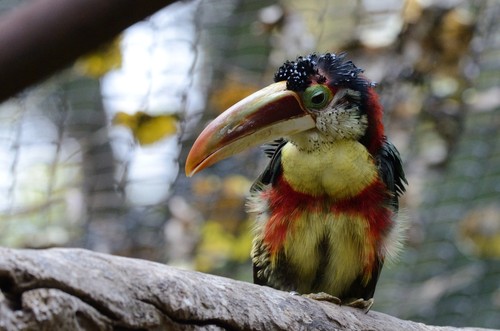
Curl-crested Aracari
41-46 cm (16-18 in) long, including a long bill and tail
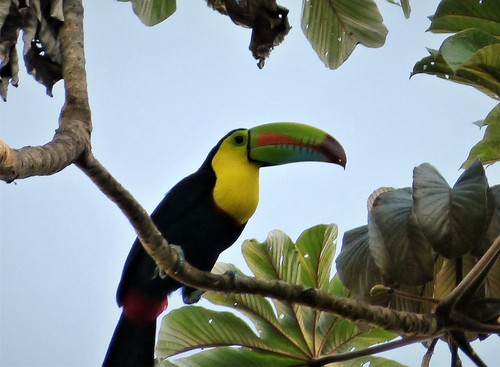
Keel-billed Toucan
42-55 cm (17-22 in) long including bill
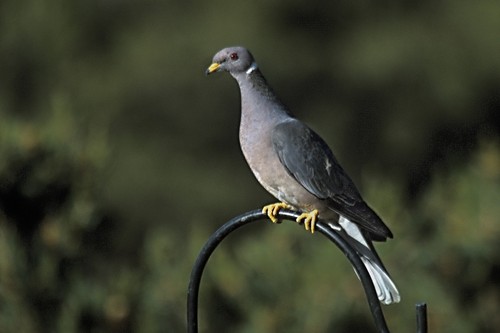
Band-tailed Pigeon
33-38 cm (13-15 in) long, wingspan about 66 cm (26 in)
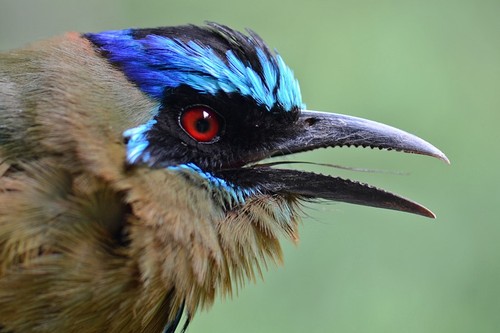
Blue-crowned Motmot
38-43 cm (15-17 in) long including tail
White-tipped Dove
27-30 cm (10.5-12 in) long, 38-43 cm wingspan

White-throated Kingfisher
27-28 cm (10.5-11 in) long
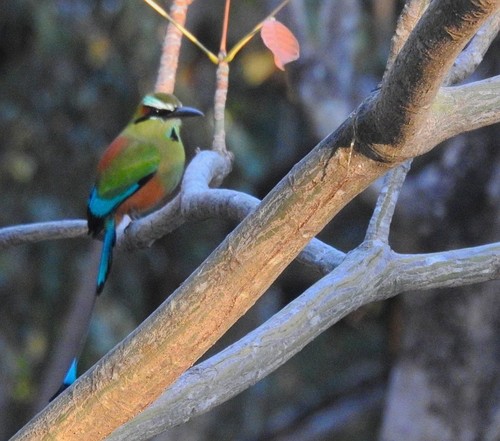
Turquoise-browed Motmot
34 cm (13 in) long including tail
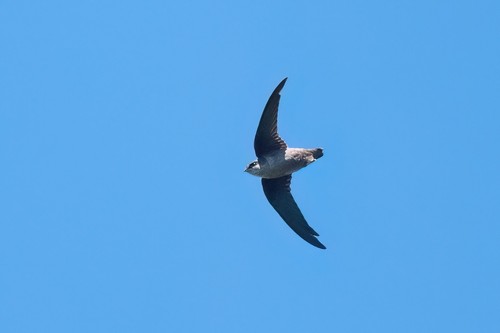
Vaux's Swift
10-12 cm (4-4.5 in) long, 27-30 cm wingspan
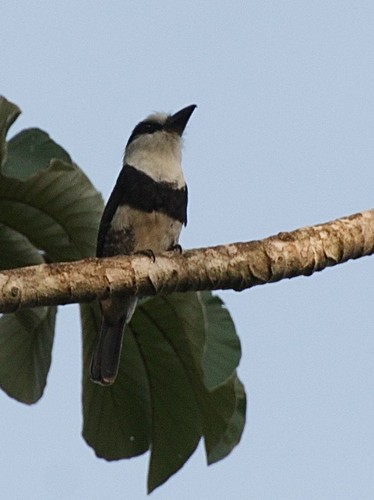
White-necked Puffbird
22-24 cm (8.5-9.5 in) long
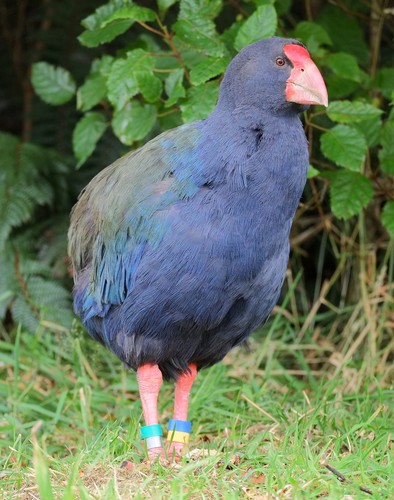
Takahe
50 cm (20 in) long, up to 3.5 kg; flightless
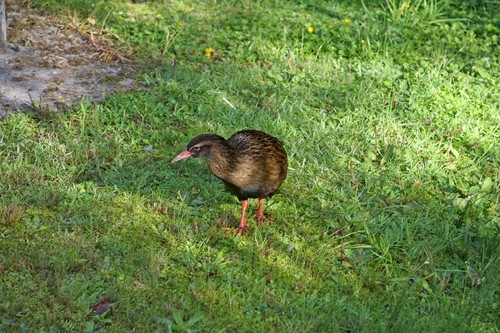
Weka
50-60 cm (20-24 in) long; flightless