
Great Blue Turaco
Corythaeola cristata
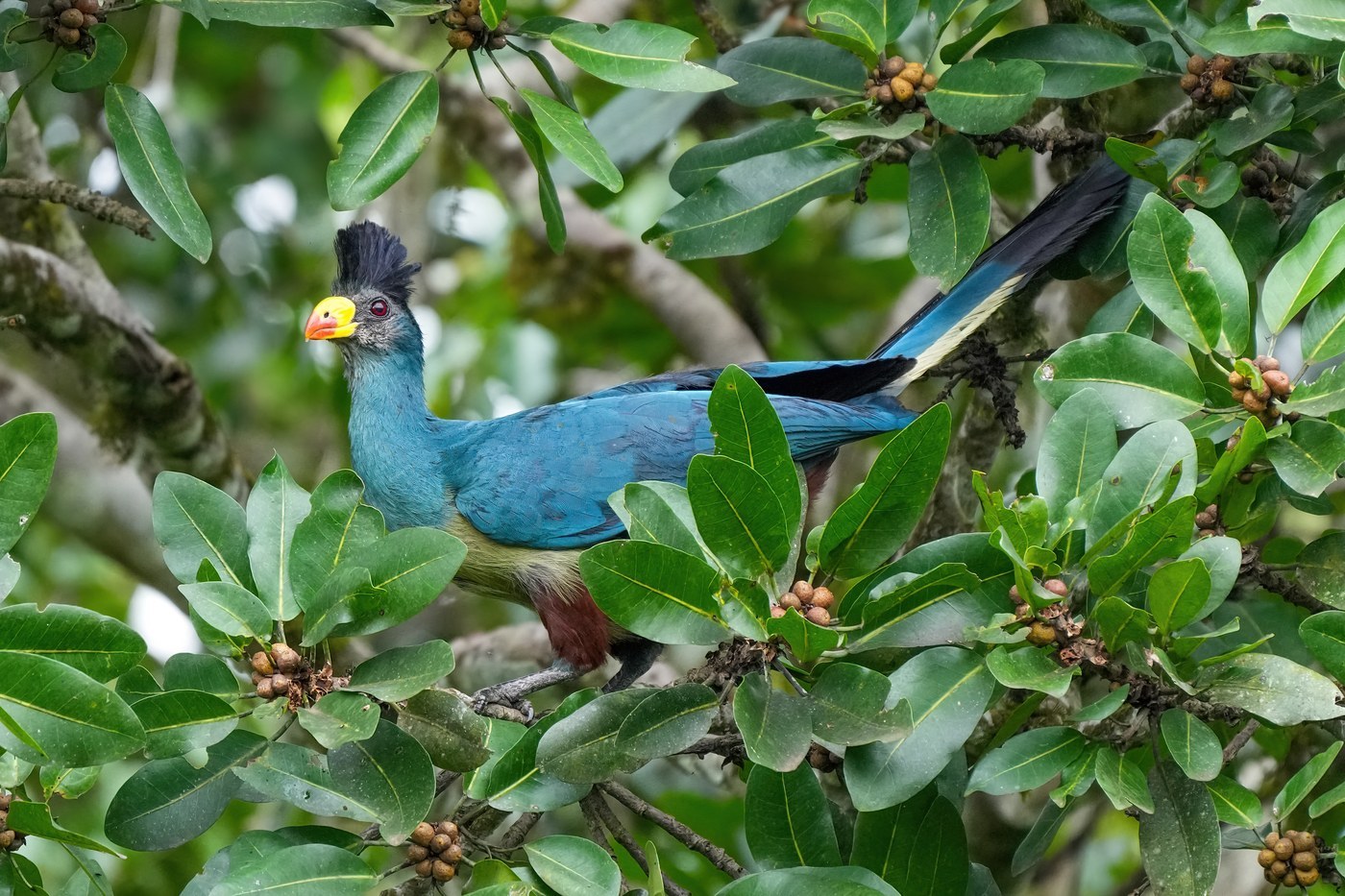
The largest of all turacos, a heavy-bodied, slate-blue rainforest bird with a tall black crest and a huge yellow-and-red bill.
- Size
- 70–76 cm long, the largest turaco species
- Habitat
- Tropical rainforest canopy of Central and West-Central Africa
- Type
- other
Spotted a bird like this?
Identify any bird from a photo, free.
Overview
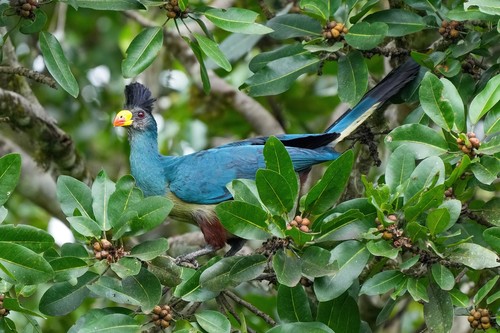
The Great Blue Turaco is a spectacular, large bird of the African rainforest canopy and the biggest member of the turaco family. Its plumage is predominantly slate-blue with a greenish tinge, a bright yellow breast band, and a chestnut-tinged belly, topped off with a tall, upright black crest.
The bird's oversized bill is especially striking: yellow with a red tip, giving it a somewhat parrot-like appearance despite being unrelated to true parrots.
How to identify it
Key field marks
- Very large size, noticeably bigger than other turacos
- Slate-blue body plumage with a greenish sheen
- Tall, black, upright crest
- Massive yellow bill with a red tip
- Yellow chest band and chestnut lower underparts
Similar species
Its huge size and unique bill color make the Great Blue Turaco essentially unmistakable within its range; no other African bird combines this scale with turaco-shaped body and crest. Smaller green turacos, such as Hartlaub's Turaco, lack the blue coloring, large size, and distinctive bill pattern.
Habitat & range
Habitat and range
The Great Blue Turaco inhabits primary and secondary tropical rainforest canopy across Central and West-Central Africa, including the Congo Basin, Cameroon, Gabon, and parts of Uganda and Kenya at forest edges.
Migration
It is a non-migratory, resident species, generally staying within established forest home ranges, though flocks may travel between fruiting trees.
Behavior & voice
Behavior
Great Blue Turacos are usually found in small flocks moving through the forest canopy, running along branches with agile hops before launching into heavy, gliding flight between trees. They are among the largest arboreal fruit-eating birds in Africa.
Voice
The call is a deep, resonant, far-carrying series of guttural "kow" or croaking notes, often given by several birds in a group and audible over long distances in the forest.
Feeding
They feed almost entirely on fruit, supplemented by leaves and flowers, plucked while moving through the canopy.
Nesting and breeding
A flat platform nest of sticks is built high in a tree, typically holding 2 eggs, with both parents involved in incubation and raising the chicks.
Frequently asked questions
Is the Great Blue Turaco the largest turaco species?
Yes, at up to about 76 cm long, it is the largest member of the turaco family.
What color is the Great Blue Turaco's bill?
Its large bill is yellow with a red tip.
Where does the Great Blue Turaco live?
It inhabits tropical rainforest canopy in Central and West-Central Africa, particularly the Congo Basin region.
What does the Great Blue Turaco eat?
It feeds mainly on fruit, along with some leaves and flowers.
Is the Great Blue Turaco related to parrots?
No, despite its large colorful bill and somewhat parrot-like look, it is not closely related to true parrots; it belongs to the distinct turaco family.
Great Blue Turaco guides
In-depth guides for identifying, finding, and understanding Great Blue Turaco.
Other birds you may enjoy
Kiwi
35-55 cm (14-22 in) long; roughly chicken-sized
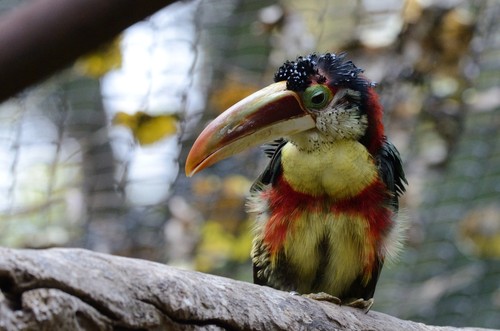
Curl-crested Aracari
41-46 cm (16-18 in) long, including a long bill and tail
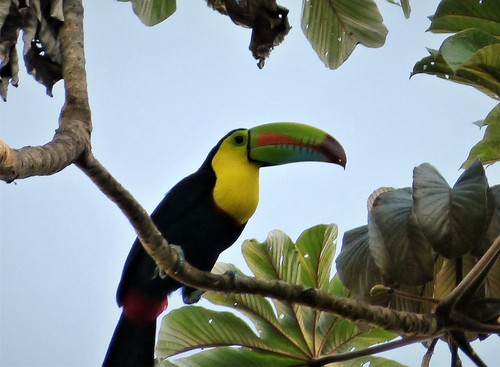
Keel-billed Toucan
42-55 cm (17-22 in) long including bill
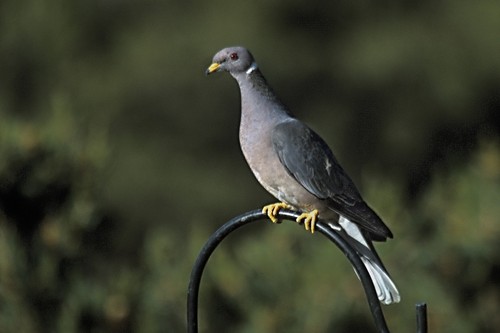
Band-tailed Pigeon
33-38 cm (13-15 in) long, wingspan about 66 cm (26 in)
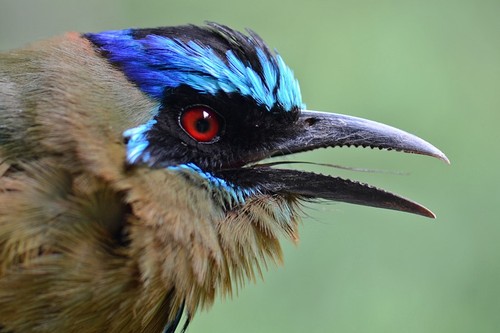
Blue-crowned Motmot
38-43 cm (15-17 in) long including tail
White-tipped Dove
27-30 cm (10.5-12 in) long, 38-43 cm wingspan
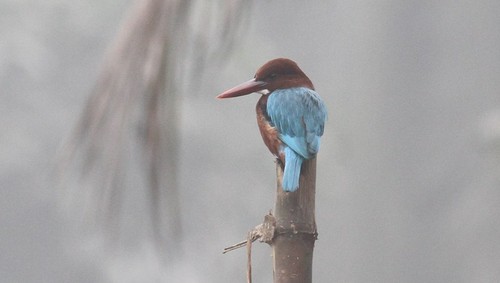
White-throated Kingfisher
27-28 cm (10.5-11 in) long
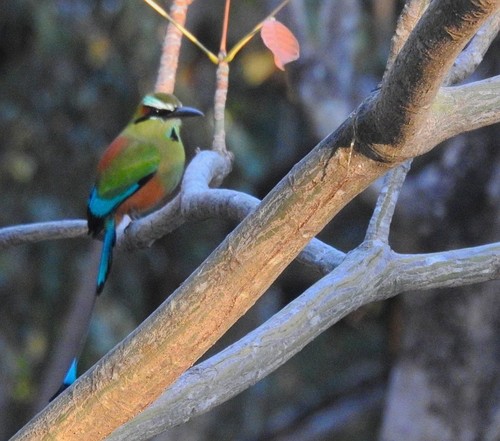
Turquoise-browed Motmot
34 cm (13 in) long including tail
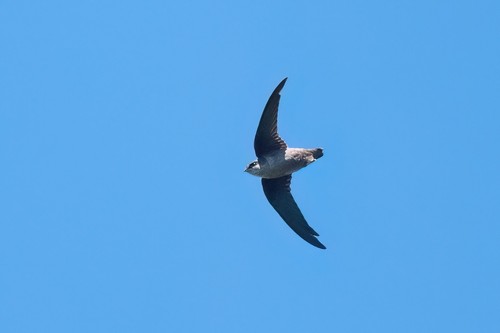
Vaux's Swift
10-12 cm (4-4.5 in) long, 27-30 cm wingspan
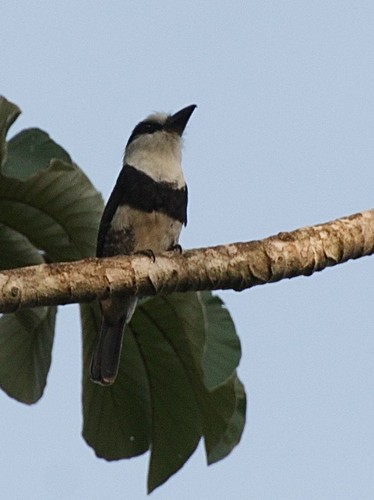
White-necked Puffbird
22-24 cm (8.5-9.5 in) long
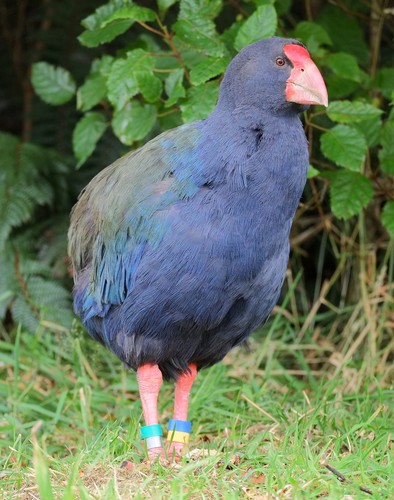
Takahe
50 cm (20 in) long, up to 3.5 kg; flightless
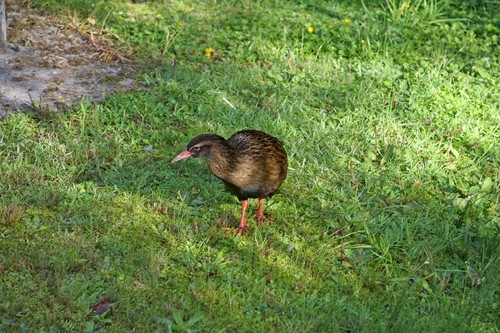
Weka
50-60 cm (20-24 in) long; flightless