
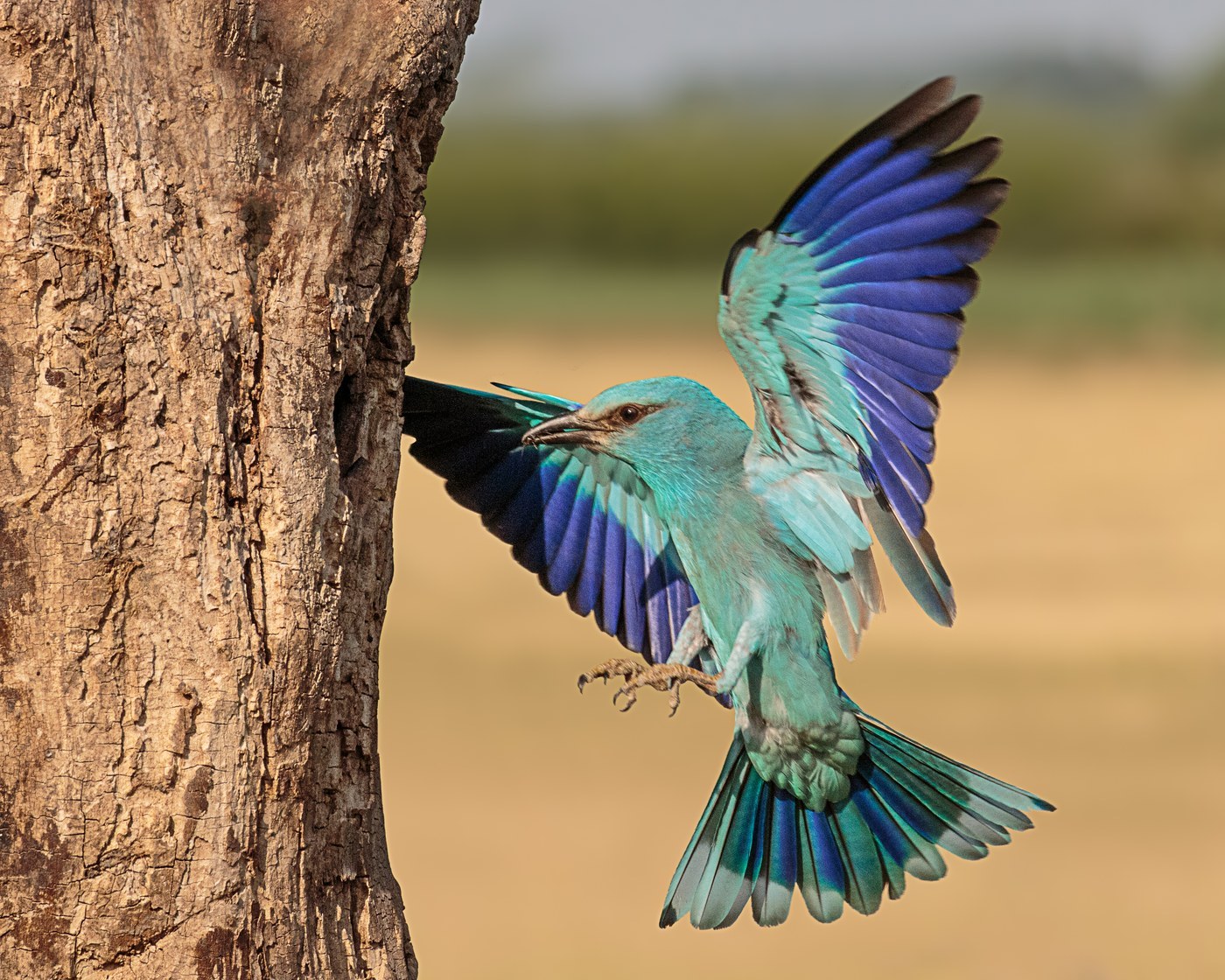
European Roller
Coracias garrulus
A stocky, crow-sized bird with brilliant blue plumage and a chestnut back, named for its spectacular tumbling courtship flight.
- Size
- 29-32 cm (11.5-12.5 in) long, 52-58 cm wingspan
- Habitat
- open woodland, farmland, and steppe with old trees for nest cavities
- Type
- other
Spotted a bird like this?
Identify any bird from a photo, free.
Overview
The European Roller is a chunky, crow-sized bird with vivid blue-turquoise plumage over most of the body and head, contrasting with a rich chestnut-brown back and inner wing. In flight the wings flash bold patches of deep blue and blackish tones against the paler body.
Its common name comes from the male's dramatic aerial courtship display, in which he performs steep dives and rolling, tumbling maneuvers accompanied by harsh calls, a spectacle that gives the whole family its name.
How to identify it
Key field marks
- Bright turquoise-blue head, underparts, and rump
- Chestnut-brown back and inner wing
- Stocky, crow-like build with a strong, slightly hooked bill
- Bold blue-and-black wing pattern in flight
- Harsh, crow-like "rack-rack" call
Similar species
- No other European bird shares this bright blue-and-chestnut combination; distant birds may recall a Jay in shape but differ completely in color.
Its unmistakable turquoise-and-chestnut plumage and chunky build make the European Roller easy to identify when seen.
Habitat & range
Habitat
Favors open, warm, lightly wooded country such as farmland, orchards, and steppe with scattered old trees offering nest cavities, and abundant large insect prey nearby.
Range
Breeds across southern and southeastern Europe, North Africa, and western Asia; a long-distance migrant wintering in sub-Saharan Africa.
Migration
Arrives on breeding grounds in late April and May, departing by September; has declined and contracted in range across parts of central and western Europe over recent decades.
Behavior & voice
Behavior
Often perches conspicuously and upright on wires, dead branches, or fence posts, watching for prey before swooping down to catch it on the ground. Males perform a distinctive rolling, tumbling display flight during courtship, giving the species its name.
Voice
Gives a harsh, crow-like "rack-rack" or "kraak" call, especially during display and territorial encounters.
Feeding
Hunts mainly large insects such as beetles and grasshoppers from a perch, also taking small lizards, amphibians, and occasionally small mammals.
Nesting and breeding
Nests in cavities in old trees, sometimes in cliffs or buildings. Pairs lay 3-6 white eggs, incubated by both sexes for about 18-19 days.
Frequently asked questions
Why is it called a Roller?
The name comes from the male's spectacular courtship flight, featuring steep dives and rolling, tumbling aerial maneuvers.
What color is the European Roller?
It has bright turquoise-blue plumage on the head, underparts, and rump, contrasting with a chestnut-brown back.
Where does the European Roller nest?
In cavities in old trees, and occasionally in cliffs or buildings.
Has the European Roller declined in Europe?
Yes, it has contracted in range and declined in parts of central and western Europe over recent decades, though it remains more numerous in the southeast.
European Roller guides
In-depth guides for identifying, finding, and understanding European Roller.
Other birds you may enjoy
Kiwi
35-55 cm (14-22 in) long; roughly chicken-sized
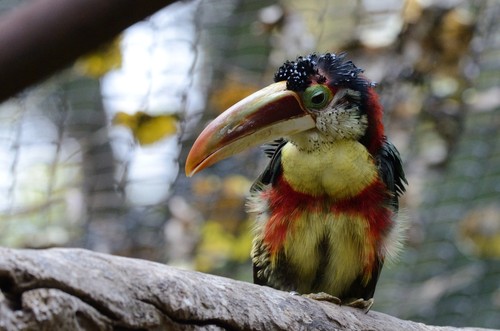
Curl-crested Aracari
41-46 cm (16-18 in) long, including a long bill and tail
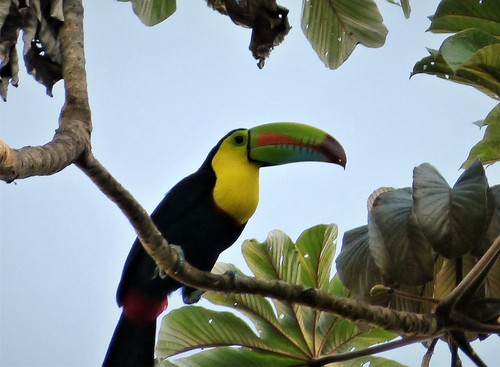
Keel-billed Toucan
42-55 cm (17-22 in) long including bill
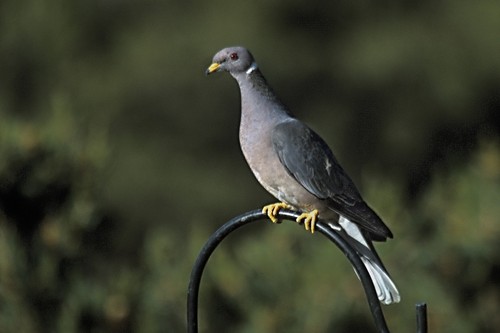
Band-tailed Pigeon
33-38 cm (13-15 in) long, wingspan about 66 cm (26 in)
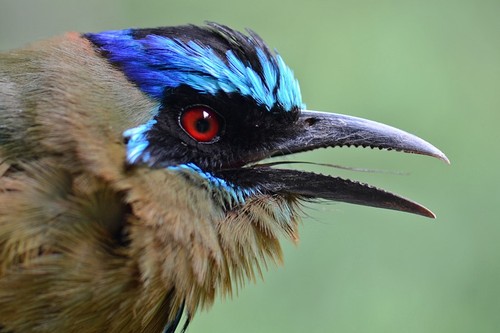
Blue-crowned Motmot
38-43 cm (15-17 in) long including tail
White-tipped Dove
27-30 cm (10.5-12 in) long, 38-43 cm wingspan

White-throated Kingfisher
27-28 cm (10.5-11 in) long
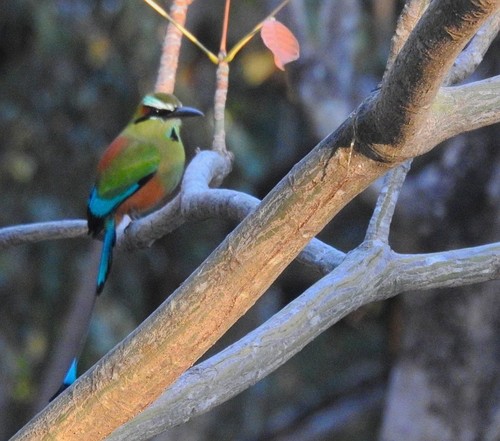
Turquoise-browed Motmot
34 cm (13 in) long including tail
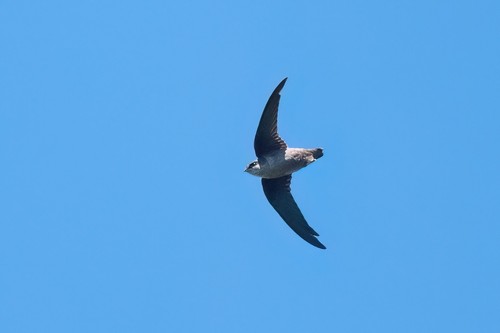
Vaux's Swift
10-12 cm (4-4.5 in) long, 27-30 cm wingspan

White-necked Puffbird
22-24 cm (8.5-9.5 in) long
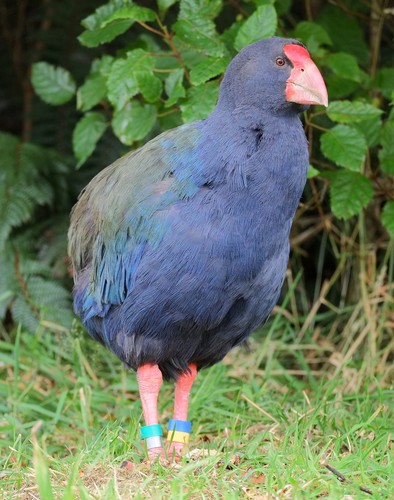
Takahe
50 cm (20 in) long, up to 3.5 kg; flightless
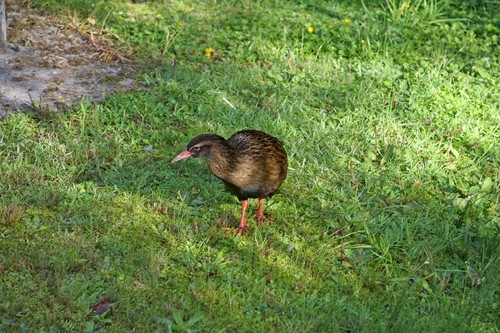
Weka
50-60 cm (20-24 in) long; flightless