
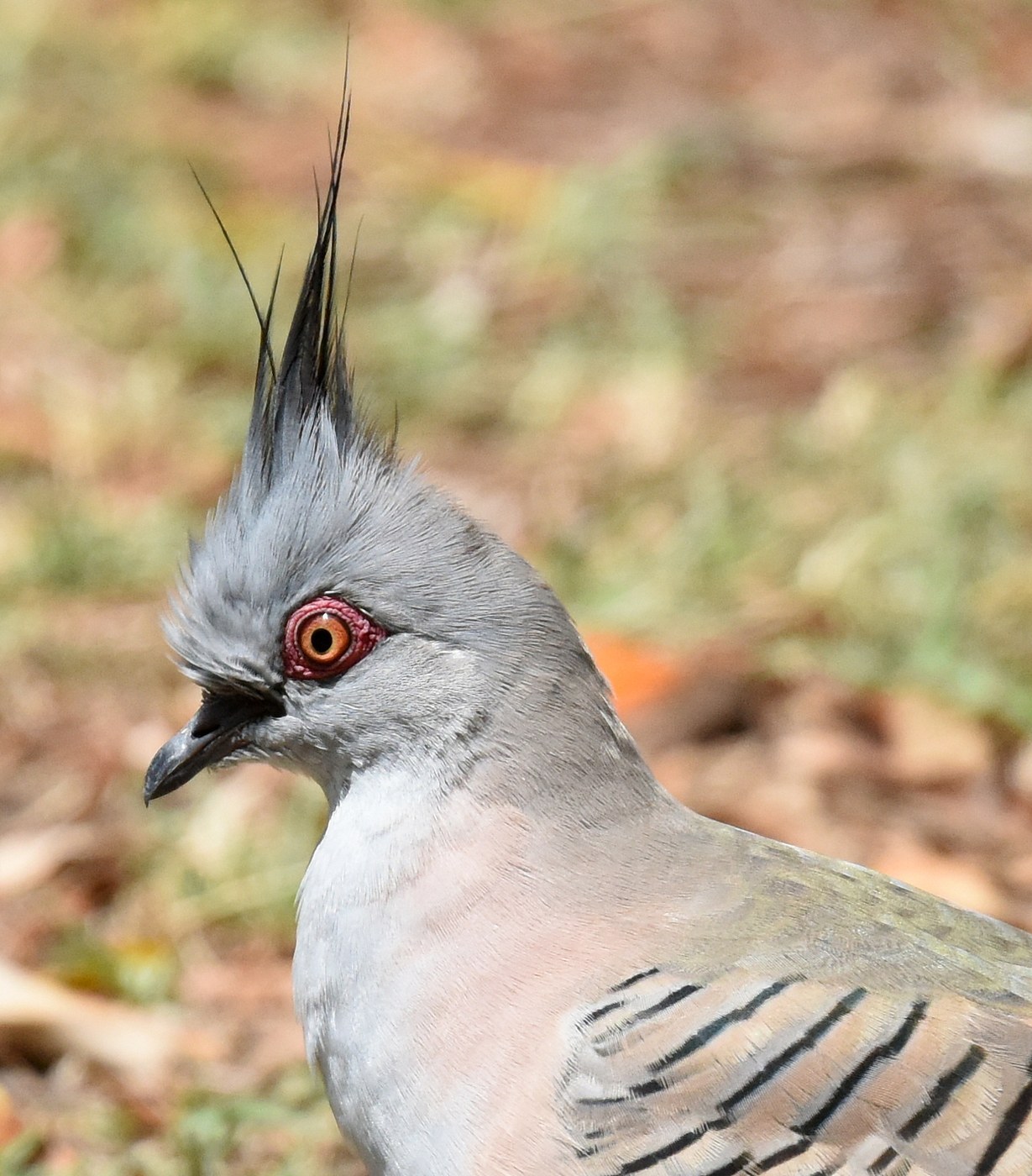
Crested Pigeon
Ocyphaps lophotes
A grey-brown pigeon with a slender upright black crest and iridescent green-and-purple wing patches, whose wings produce a distinctive whistling sound in flight.
- Size
- 30-35 cm (12-14 in) long, 45-50 cm wingspan
- Habitat
- open woodland, farmland, grassland, and urban parks
- Type
- other
Spotted a bird like this?
Identify any bird from a photo, free.
Overview
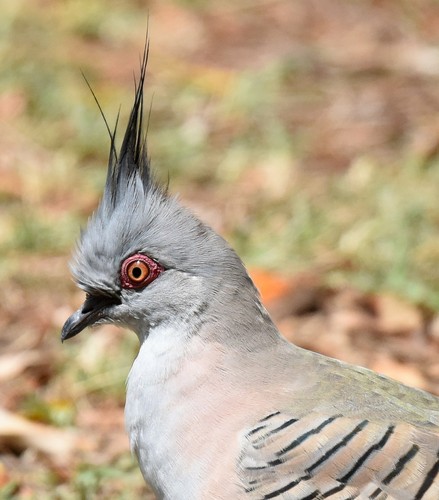
The Crested Pigeon is a slender, grey-brown pigeon easily recognized by its thin, upright black crest rising from the crown, a feature unlike any other Australian pigeon. The wings show bold, iridescent green and purple patches edged with black-and-white bars, and the underparts are a soft pinkish-grey.
One of the most widespread and adaptable pigeons in Australia, it has expanded its range considerably in recent decades and is now a common sight in city parks and suburban streets as well as its traditional open country haunts. When taking flight, its wings produce a distinctive whistling or whirring sound, created by air passing through modified flight feathers, that alerts other pigeons to danger.
How to identify it
Key field marks
- Thin, upright black crest on the crown, unique among Australian pigeons
- Grey-brown body with a pinkish wash on the breast
- Iridescent green-and-purple patches on the folded wing, bordered with black-and-white bars
- Distinctive whistling wing noise produced in flight
Similar species
- Spinifex Pigeon has a similar upright crest but is much smaller, rufous-cinnamon in color, and restricted to arid spinifex country.
- Common Bronzewing lacks a crest and shows a more uniform brown body with an iridescent wing patch.
Habitat & range
Habitat
Occupies open woodland, farmland, grassland, scattered scrub, and increasingly urban parks, gardens, and streets.
Range
Widespread across mainland Australia, largely absent only from the wettest tropical far north and the driest deserts; its range has expanded significantly in recent decades, particularly into urban areas.
Migration
Mostly sedentary, though it can be locally nomadic in response to water and food availability in arid regions.
Behavior & voice
Behavior
Often seen foraging on open ground in pairs or small flocks, walking with a bobbing head motion; the wings produce a sharp whistling sound in flight, thought to serve as an alarm signal to other pigeons.
Voice
A soft, low, crooning coo, along with the characteristic whistling sound of the wings in flight.
Feeding
Feeds almost entirely on seeds of grasses and other plants, foraged from open ground.
Nesting
Builds a flimsy platform nest of sticks in a tree or shrub; lays 2 cream-colored eggs.
Frequently asked questions
What makes the whistling sound when a Crested Pigeon flies?
A modified, narrow outer flight feather on the wing vibrates as air passes through it during flight, producing a sharp whistling sound thought to warn other pigeons of danger.
How do you identify a Crested Pigeon?
Look for a grey-brown pigeon with a thin, upright black crest and iridescent green-and-purple patches on the folded wing.
How is the Crested Pigeon different from the Spinifex Pigeon?
The Crested Pigeon is larger and grey-brown, while the Spinifex Pigeon is smaller, rufous-cinnamon colored, and restricted to arid spinifex habitats.
What does a Crested Pigeon eat?
Almost entirely seeds of grasses and other plants, foraged on the ground.
Crested Pigeon guides
In-depth guides for identifying, finding, and understanding Crested Pigeon.
Other birds you may enjoy
Kiwi
35-55 cm (14-22 in) long; roughly chicken-sized
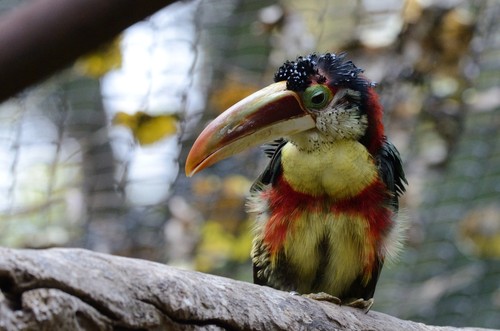
Curl-crested Aracari
41-46 cm (16-18 in) long, including a long bill and tail
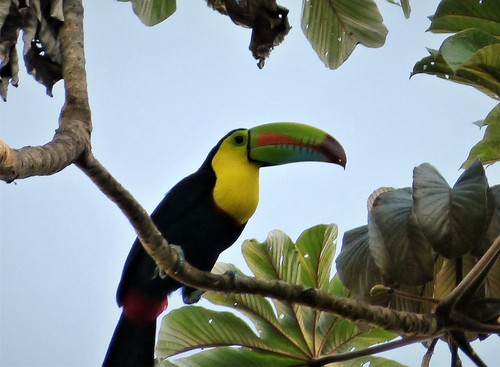
Keel-billed Toucan
42-55 cm (17-22 in) long including bill
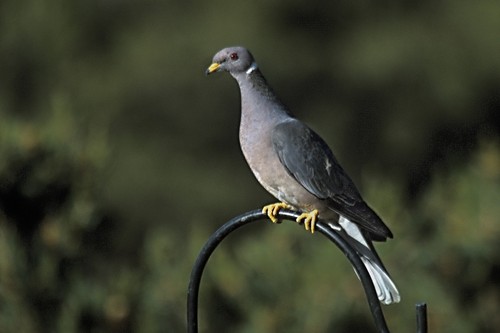
Band-tailed Pigeon
33-38 cm (13-15 in) long, wingspan about 66 cm (26 in)
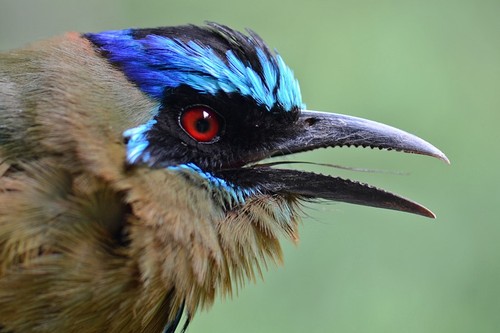
Blue-crowned Motmot
38-43 cm (15-17 in) long including tail
White-tipped Dove
27-30 cm (10.5-12 in) long, 38-43 cm wingspan
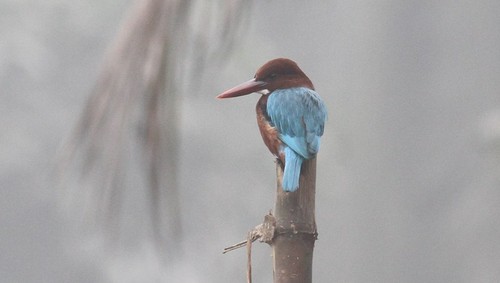
White-throated Kingfisher
27-28 cm (10.5-11 in) long
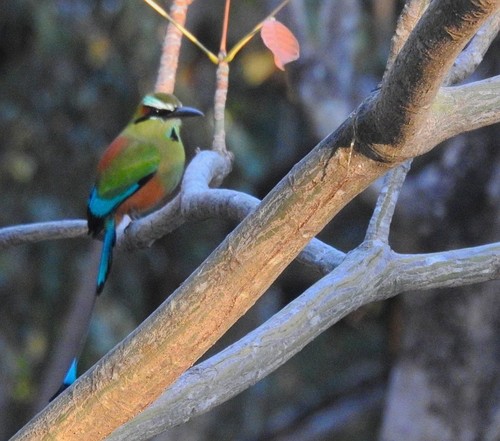
Turquoise-browed Motmot
34 cm (13 in) long including tail
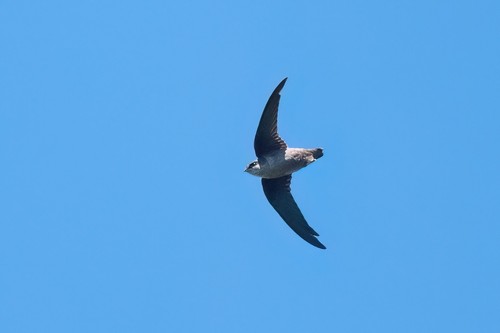
Vaux's Swift
10-12 cm (4-4.5 in) long, 27-30 cm wingspan
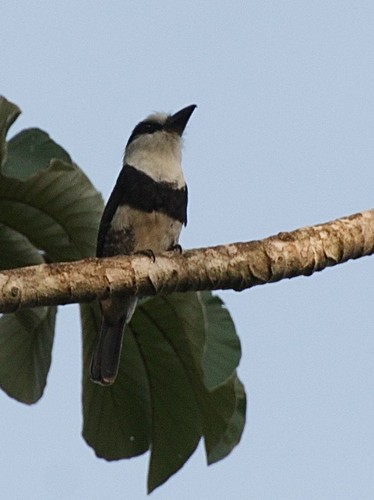
White-necked Puffbird
22-24 cm (8.5-9.5 in) long
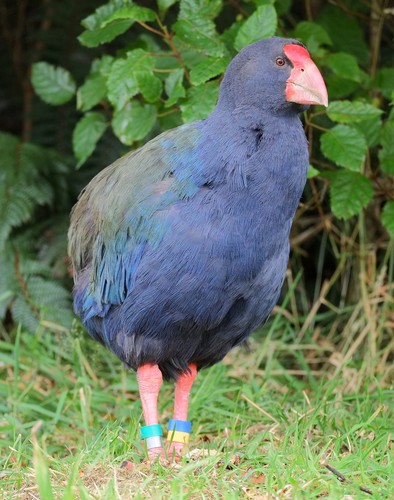
Takahe
50 cm (20 in) long, up to 3.5 kg; flightless
Weka
50-60 cm (20-24 in) long; flightless