
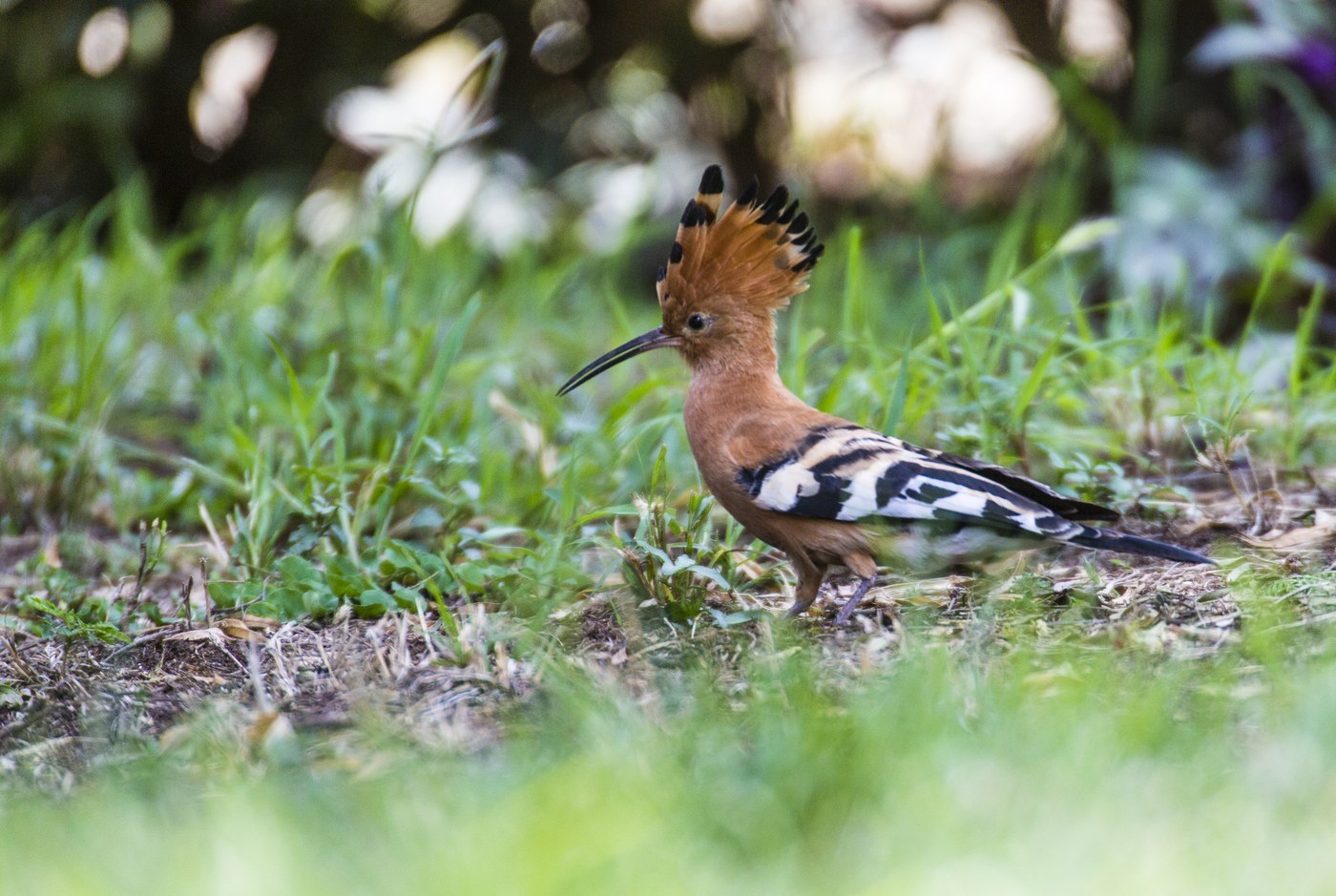
African Hoopoe
Upupa africana
A distinctive cinnamon-colored African bird with a fan-shaped crest, boldly barred black-and-white wings, and a long curved bill.
- Size
- About 25-29 cm long; wingspan around 44-48 cm
- Habitat
- Open woodland, savanna, farmland, and gardens across sub-Saharan Africa
- Type
- other
Spotted a bird like this?
Identify any bird from a photo, free.
Overview
The African Hoopoe is a striking, unmistakable bird found across much of sub-Saharan Africa. It is closely related to, and by some authorities considered a subspecies of, the widespread Eurasian Hoopoe, but is treated as a distinct resident species (or subspecies) by many taxonomic authorities, occupying open country year-round.
Appearance
- Warm cinnamon-pink body plumage
- Bold black-and-white barred wings and tail, striking in flight
- Long, thin, downcurved black bill
- Prominent erectile crest of cinnamon feathers broadly tipped in black, fanned open when excited or alarmed
- Sexes look similar
How to identify it
Key field marks
- Cinnamon body with dramatic black-and-white barred wings, unmistakable in flight
- Fan-shaped crest, often held flat but raised into a striking crown when alert
- Long, slender, curved bill used for probing the ground
- Distinctive floppy, undulating flight showing the bold wing pattern
Similar species
- No other African bird shares this combination of features; the African Hoopoe is essentially unmistakable within its range
- The closely related Eurasian Hoopoe (migrant subspecies present in parts of Africa in winter) is very similar in appearance but tends to look slightly paler/greyer on the breast; range and season help separate resident African birds from migrant visitors where both occur
Habitat & range
Range
Widespread across sub-Saharan Africa, from the Sahel south through East and southern Africa, generally absent from dense rainforest and extreme desert.
Habitat
Favors open woodland, savanna, farmland, parks, and gardens with short grass or bare ground for foraging, along with trees or cavities for nesting.
Migration
Mostly resident, though some populations show local nomadic movements linked to rainfall and food availability; it should not be confused with Eurasian Hoopoes that migrate into parts of Africa in the northern winter.
Behavior & voice
Voice
A soft, resonant, repeated "hoo-hoo-hoo" or "oop-oop-oop," often given at dawn, which gives the hoopoe family its name.
Feeding
Forages on the ground, walking with a jerky gait and probing soil, leaf litter, and animal dung with its long bill to extract insect larvae, beetles, and other invertebrates.
Nesting and breeding
Nests in a natural tree cavity, old woodpecker or barbet hole, or occasionally a hole in a wall or bank; the female incubates alone while the male feeds her, and the nest is known for a strong odor produced by a preen gland secretion thought to deter predators.
Frequently asked questions
How do you identify an African Hoopoe?
Look for a cinnamon-colored bird with bold black-and-white barred wings, a long curved bill, and a fan-shaped crest, with a distinctive floppy, bouncing flight.
Is the African Hoopoe the same species as the Eurasian Hoopoe?
They are extremely close relatives; some authorities treat the African Hoopoe as a full species while others consider it a subspecies of the widespread Eurasian Hoopoe.
What does the African Hoopoe eat?
Mainly ground-dwelling insects and larvae, which it extracts by probing soil and leaf litter with its long, curved bill.
Why does the African Hoopoe raise its crest?
It fans open its cinnamon-and-black crest when excited, alarmed, or displaying, though the crest is usually held flat while foraging.
Where does the African Hoopoe nest?
In tree cavities, old woodpecker holes, or sometimes crevices in walls or banks, where the female incubates the eggs alone.
African Hoopoe guides
In-depth guides for identifying, finding, and understanding African Hoopoe.
Other birds you may enjoy
Kiwi
35-55 cm (14-22 in) long; roughly chicken-sized
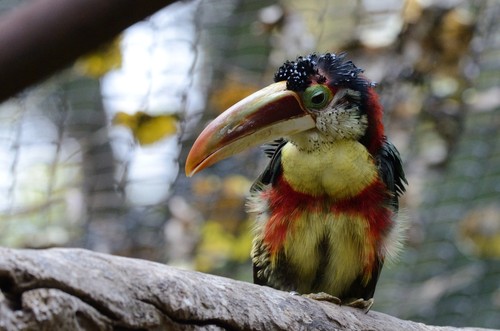
Curl-crested Aracari
41-46 cm (16-18 in) long, including a long bill and tail
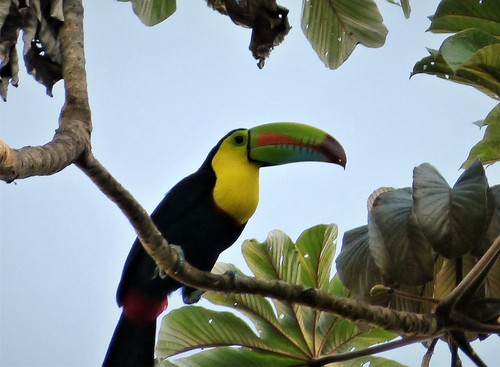
Keel-billed Toucan
42-55 cm (17-22 in) long including bill
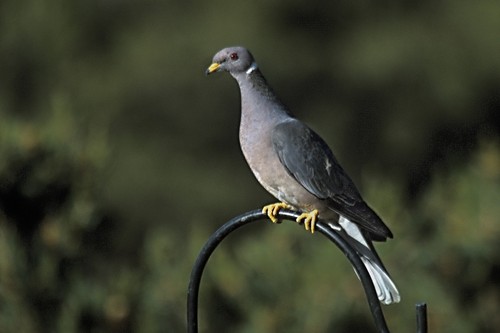
Band-tailed Pigeon
33-38 cm (13-15 in) long, wingspan about 66 cm (26 in)
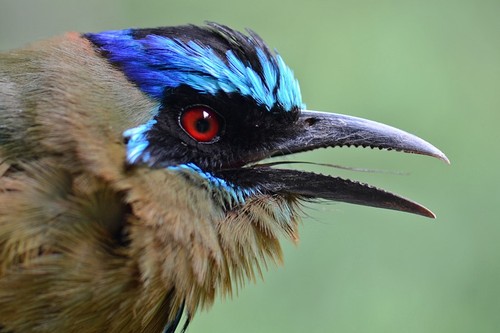
Blue-crowned Motmot
38-43 cm (15-17 in) long including tail
White-tipped Dove
27-30 cm (10.5-12 in) long, 38-43 cm wingspan
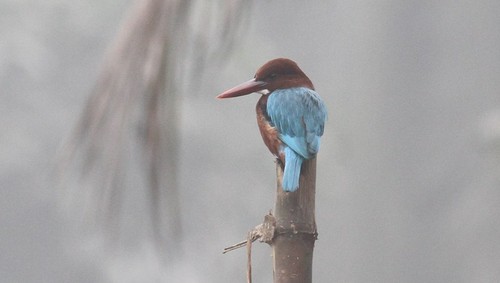
White-throated Kingfisher
27-28 cm (10.5-11 in) long
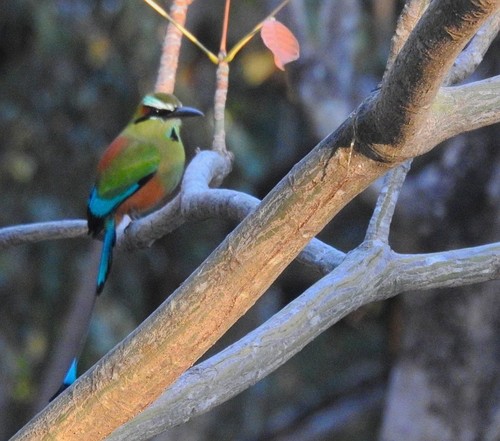
Turquoise-browed Motmot
34 cm (13 in) long including tail
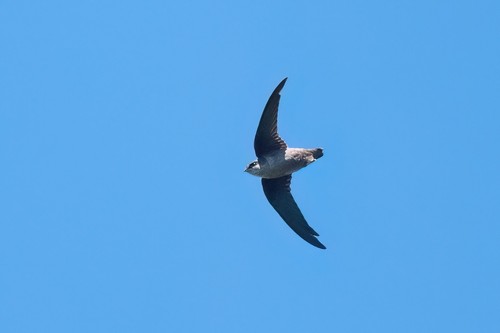
Vaux's Swift
10-12 cm (4-4.5 in) long, 27-30 cm wingspan
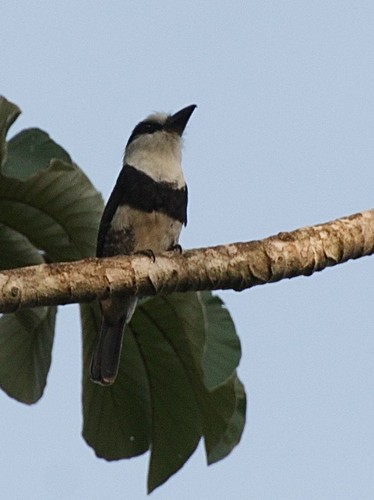
White-necked Puffbird
22-24 cm (8.5-9.5 in) long
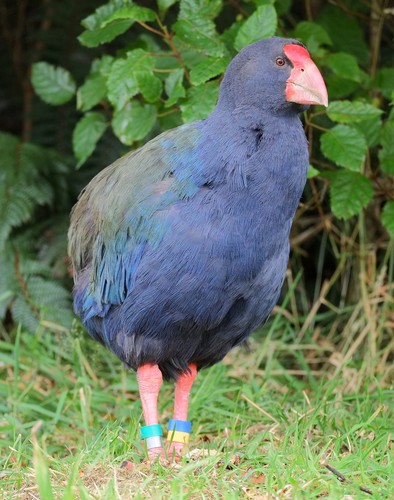
Takahe
50 cm (20 in) long, up to 3.5 kg; flightless
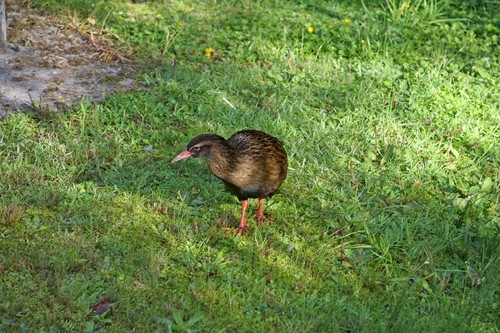
Weka
50-60 cm (20-24 in) long; flightless