Order: Anseriformes, Family: Anatidae
Mandarin Duck (Eclipse/Juvenile Plumage)
Aix galericulata
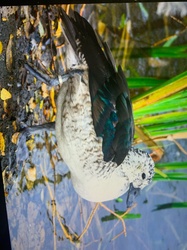
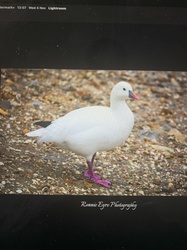
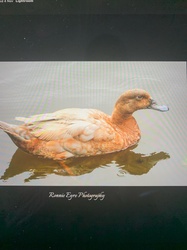
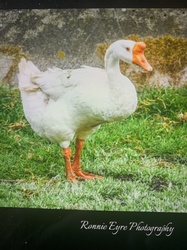
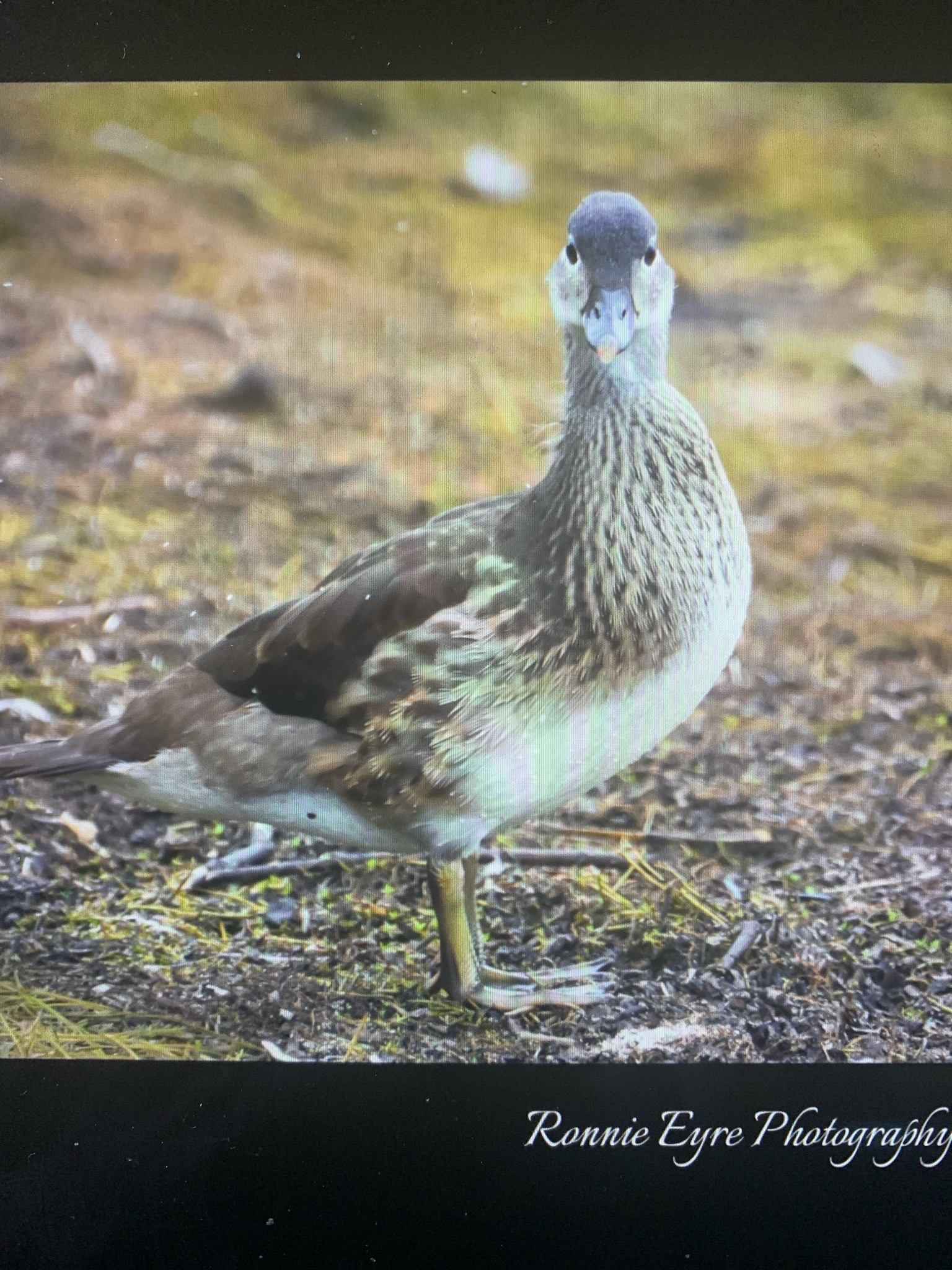
A medium-sized perching duck. This image captures an individual in eclipse or juvenile plumage, standing upright on the ground with a slender neck, patterned greyish-brown body, and distinctive bill.
Explore Mandarin Duck (Eclipse/Juvenile Plumage) in the encyclopedia →Identify your own birds.
Get a report just like this from any photo or call, free.
Plumage & appearance
Adult males in eclipse (non-breeding) plumage resemble females, featuring a greyish head, mottled brownish-olive upperparts, heavily streaked whitish breast sides, and a pale bill. Females and eclipse males have a white eye-ring extending in a stripe behind the eye.
Key field marks
Upright posture when on land, distinctive crestless rounded head in eclipse plumage, pale bill, and mottled flank streaking.
Size & weight
Length: 41-49 cm (16-19 in), Wingspan: 65-75 cm (26-30 in), Weight: 444-650 g (1-1.4 lbs).
Voice — call & song
Quiet ducks; males emit a soft, recurring whistle, while females produce a softer clucking or quacking sound when alarmed.
Diet & foraging
Omnivorous. Feeds on seeds, acorns, grains, aquatic plants, insects, snails, and small fish, often foraging by dabbling or picking items from the ground.
Habitat
Dense, wooded fringes of freshwater lakes, marshes, and fast-flowing rivers in temperate forests.
Migration & movement
Mostly resident in introduced ranges (like the UK), though Asian populations migrate south to winter in eastern China and Japan.
Nesting & breeding
Cavity nesters, using tree holes high above the ground near water. Clutch size is typically 9-12 eggs. The precocial ducklings drop from the nest cavity to the ground shortly after hatching.
Similar species
Wood Duck (Aix sponsa) of North America, which is closely related and has a very similar body shape and perching habit, though differing significantly in the breeding plumage patterns.
Ecological significance
Acts as a seed disperser for aquatic and riparian plants and serves as prey for local predators, contributing to the woodland and wetland food web.
Conservation status
Least Concern, with a stable population trend.
Observation tips
Look near wooded ponds, lakes, and rivers with overhanging trees. They often perch high up in branches rather than just staying on the water.
Interesting facts
Mandarin ducks form strong pair bonds, and in Asian cultures, they are traditional symbols of marital fidelity, love, and happiness.
More like this